

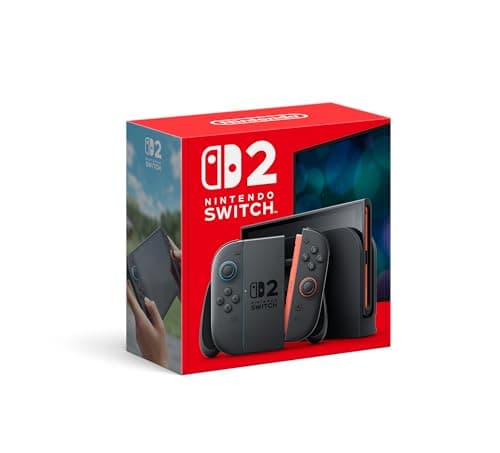
Who this is for: Best for shoppers choosing between a budget-friendly hybrid console and a premium handheld PC for everyday gaming needs.
Switch 2 vs Steam Deck (2026): Which Should You Actually Buy?
At a Glance
| Category | Nintendo Switch 2 System | Valve Steam Deck OLED 1TB Handheld Gaming Console |
|---|---|---|
| Display | 7.9" LCD, HDR, up to 120 fps | 7.4" HDR OLED, up to 90Hz |
| Storage | Not specified in provided data | 1TB NVMe SSD |
| Battery | Not specified in provided data | 50Whr; 3–12 hours gameplay |
| TV Play | Dock supports 4K on compatible TV | Primarily a handheld PC; TV output not highlighted in provided data |
| Online / Chat | GameChat voice, screen sharing, video chat | PC gaming ecosystem features vary by game/platform |
| Price | $449.00 ✓ Prime | 12% OFF — Was $1220.00 $1074.00 ✓ Prime |
Design
Winner: Nintendo Switch 2 System
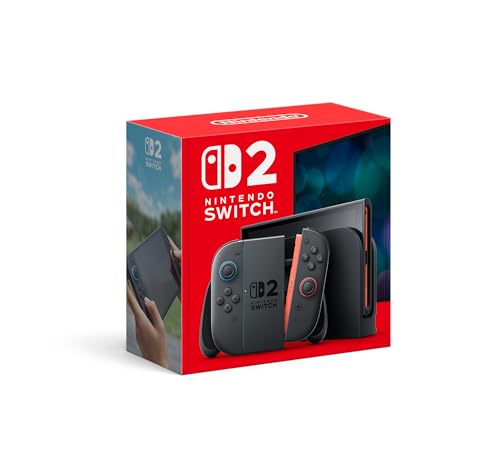

The Switch 2 is built around a simple promise: one system, three play modes. That flexibility makes it easier to fit into real life, whether you’re docking it to a TV, using tabletop mode, or playing handheld on the go. The Steam Deck OLED is more of a portable PC first, which is great for tinkerers, but it’s less approachable for buyers who want a console-like experience.
Related Reviews
Why Switch 2 wins: it’s the more polished hybrid design for mainstream players, families, and couch gaming.
✓ Switch 2 pros
- One system, three play modes: TV, Tabletop, and Handheld
- 7.9” LCD touch screen gives it a larger handheld canvas
- Dock supports 4K on a compatible TV
- GameChat adds voice, screen sharing, and video chat
✗ Switch 2 cons
- LCD panel may not appeal to buyers chasing OLED contrast
- Storage and battery details were not provided here
- Less of a “PC in your hands” than Steam Deck
Performance
Winner: Valve Steam Deck OLED 1TB Handheld Gaming Console
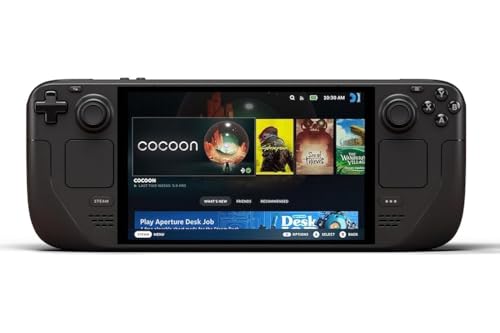

On paper, the Steam Deck OLED is the more performance-forward device for buyers who value PC-style gaming flexibility. Its 1TB NVMe SSD, Wi‑Fi 6E, and 90Hz OLED panel make it feel like a premium handheld gaming machine rather than a traditional console. The Switch 2’s headline advantage is its higher reported refresh support and TV docking, but the Steam Deck’s PC ecosystem and large built-in storage give it the edge for power users.
Why Steam Deck wins: it’s the more capable choice for players who want a premium handheld with PC-like flexibility and lots of onboard storage.
✓ Steam Deck pros
- 1TB NVMe SSD offers generous built-in storage
- 1280 x 800 HDR OLED display looks premium and vivid
- Up to 90Hz refresh rate for smoother handheld play
- Wi‑Fi 6E is a strong connectivity spec
✗ Steam Deck cons
- More expensive by a wide margin
- Less console-like and more complex for casual buyers
- Battery life is content-dependent and can vary a lot
Value
Winner: Nintendo Switch 2 System
Value is where the Switch 2 pulls ahead hard. At $449, it costs far less than the Steam Deck OLED 1TB at $1074, and that price gap is big enough to matter for almost every shopper. Unless you specifically need the Steam Deck’s PC-style features or 1TB storage, the Switch 2 gives you more of the core gaming experience for much less money.
Why Switch 2 wins: it delivers the better buy for the majority of commercial-intent shoppers because the entry price is dramatically lower.
✓ Switch 2 pros
- Much lower upfront price
- Prime eligible
- Hybrid console value is easy to understand
- Best fit for buyers who want a simple all-in-one gaming system
✗ Switch 2 cons
- Not as storage-rich as the Steam Deck on paper
- Doesn’t target PC gamers specifically
- Some buyers may want OLED, which it doesn’t list here
Battery / Durability
Winner: Valve Steam Deck OLED 1TB Handheld Gaming Console
Battery life is one of the few categories where the Steam Deck has a clearer documented advantage. Valve lists a 50Whr battery with 3–12 hours of gameplay depending on content, which gives buyers at least a concrete range to evaluate. The Switch 2 battery wasn’t specified in the provided product data, so the Steam Deck gets the edge here by default and by disclosed specs.
Why Steam Deck wins: it provides clearer battery expectations and a larger battery spec in the supplied data.
✓ Steam Deck pros
- 50Whr battery is explicitly listed
- 3–12 hours of gameplay range is disclosed
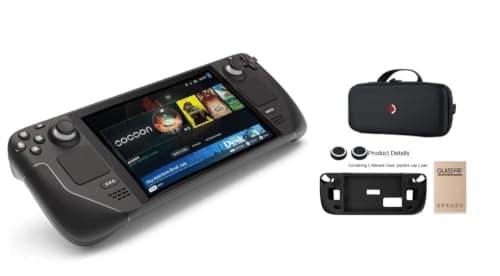
- Carrying case is included
- Premium etched-glass OLED display adds durability-minded convenience
✗ Steam Deck cons
- Battery life varies heavily by game and settings
- Still a premium device that may be less carefree for younger players
- Heavier investment if you’re worried about wear and tear
Features and Ecosystem
Winner: Nintendo Switch 2 System
The Switch 2 wins this category because its feature set is easier to understand and more broadly appealing. GameChat, screen sharing, video chat, TV docking, and handheld/tabletop modes all support the same core idea: play anywhere, with less friction. The Steam Deck is more powerful in ecosystem flexibility, but that flexibility is also what makes it less beginner-friendly.
Why Switch 2 wins: the feature mix is more consumer-friendly and better aligned with the way most people actually game.
✓ Switch 2 pros
- Built for TV, tabletop, and handheld play
- GameChat adds social features directly into the system
- 7.9” touch display with HDR support
- 4K dock support on compatible TVs
✗ Switch 2 cons
- Feature set is less open-ended than a handheld PC
- May not satisfy buyers who want maximum customization
- Some advanced PC gaming features are outside its scope
Switch 2 Is the Better Choice If…
- You want the best all-around console-like experience.
- You care most about price and want the lower-cost option.
- You plan to play on a TV, in handheld mode, and on the go.
- You value Nintendo’s simple, family-friendly ecosystem.
- You want GameChat and easy social features built in.
Steam Deck Is the Better Choice If…
- You want a premium handheld PC-style gaming device.
- You care more about storage and display quality than price.
- You want the 1TB NVMe SSD out of the box.
- You prefer OLED and a higher-end portable gaming feel.
- You’re comfortable paying much more for more flexibility.
Our Final Verdict
Overall winner: Nintendo Switch 2 System. For most buyers searching “Switch 2 vs Steam Deck,” the Switch 2 is the smarter purchase because it costs far less, supports TV and handheld play, and offers the most approachable hybrid experience. The Steam Deck OLED 1TB is the better premium handheld for enthusiasts, but its price is so much higher that it only makes sense if you specifically want a handheld PC with a big SSD and OLED display.
If you want the best value and the easiest recommendation, go Switch 2. If you want the more expensive, more PC-like handheld experience, go Steam Deck.
Frequently Asked Questions
Is the Switch 2 better than the Steam Deck?
For most buyers, yes. The Switch 2 is the better all-around choice if you want a lower price, easy hybrid play, and Nintendo’s console experience.
Is the Steam Deck OLED worth the higher price?
It can be, but mainly for buyers who want a premium handheld PC with 1TB storage, OLED visuals, and more flexibility than a traditional console.
Which is better for TV gaming?
The Switch 2 is the stronger choice for TV gaming because its dock is designed around that use case and supports 4K on a compatible TV.
Which has better battery life?
Based on the provided specs, the Steam Deck has the clearer battery spec with a 50Whr battery and a 3–12 hour gameplay estimate.
Which is better for casual gamers?
The Switch 2 is better for casual gamers because it’s simpler, cheaper, and easier to use as a console-style system.
Pros
- + Switch 2 is much more affordable
- + Switch 2 supports TV, tabletop, and handheld play
- + Steam Deck has 1TB storage and OLED display
- + Steam Deck provides clearer battery specs
- + Switch 2 includes GameChat and 4K dock support
Cons
- – Steam Deck costs far more
- – Switch 2 battery details were not provided
- – Steam Deck is less beginner-friendly
- – Switch 2 lacks OLED in the provided specs
- – Steam Deck battery life varies by game
Frequently asked questions
- Is the Switch 2 better than the Steam Deck?
- For most buyers, yes. The Switch 2 is the better all-around choice if you want a lower price, easy hybrid play, and Nintendo’s console experience.
- Is the Steam Deck OLED worth the higher price?
- It can be, but mainly for buyers who want a premium handheld PC with 1TB storage, OLED visuals, and more flexibility than a traditional console.
- Which is better for TV gaming?
- The Switch 2 is the stronger choice for TV gaming because its dock is designed around that use case and supports 4K on a compatible TV.
- Which has better battery life?
- Based on the provided specs, the Steam Deck has the clearer battery spec with a 50Whr battery and a 3–12 hour gameplay estimate.
- Which is better for casual gamers?
- The Switch 2 is better for casual gamers because it’s simpler, cheaper, and easier to use as a console-style system.
Get the Full Tech Buyer's Guide
Join our free newsletter — we'll send our latest Tech picks, specs and verdicts straight to your inbox.
Free. No spam. Unsubscribe anytime.
Was this review helpful?
Be the first to share your feedback on this review.
Sign in to vote and let us know what you think.
Discussion (0)
No comments yet. Be the first to start the discussion.
Related Reviews
What is How to Reduce Input Lag? A Complete 2026 Guide
If your games feel “off,” the problem may be input lag: the delay between pressing a button and seeing the action happen on screen. That delay can make aiming harder, combos less reliable, and everyday navigation feel sluggish. This guide explains how to reduce input lag in plain English, plus what
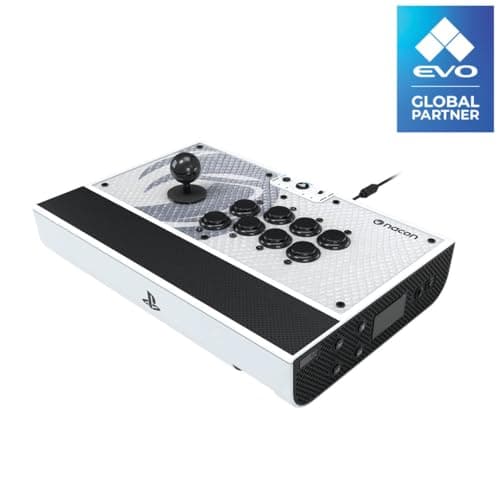
7 Best Fight Sticks in 2026 — Tournament-Ready Picks for Every Budget
If you’re searching for the best fight sticks 2026 , you probably want one thing: a controller that feels accurate, durable, and worth the money for your favorite fighting games. The problem is that “best” depends on your setup, your budget, and whether you want a traditional stick or a more modern
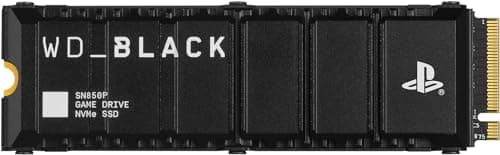
What is How to Extend PS5 Storage? A Complete 2026 Guide
If your PS5 storage fills up fast, you are not alone. Modern games can take up huge amounts of space, and constant deleting and redownloading gets old quickly. This guide explains how to extend PS5 storage in a simple way so you can choose the right expansion method with confidence.