

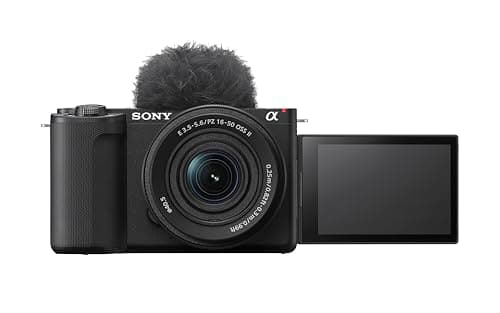
Who this is for: Best for vloggers and solo creators who need reliable autofocus, APS-C image quality, and a compact video-first camera.
Check PriceSony ZV-E10 II Review (2026): Specs, Pros & Cons, and Who It's For
If you’re searching for a Sony ZV-E10 II vlog test because you want a camera that can handle a real-world vlog day without feeling complicated, you’re in the right place. The biggest pain point for buyers is usually the same: they want cleaner video, reliable autofocus, and a setup that doesn’t slow them down. This research-based review breaks down where the ZV-E10 II shines, where it falls short, and whether it’s worth the money for your kind of content.
Related Reviews
Key Specifications
| Spec | Details |
|---|---|
| Product | Sony Alpha ZVE10 II - APS-C Interchangeable Lens Mirrorless Content Creators’ Camera - Black - with Lens |
| Sensor | APS-C back-illuminated Exmor R CMOS, approx. 26MP |
| Lens in Kit | E PZ 16-50mm F3.5-5.6 OSS II |
| Autofocus | Real-time Eye AF and Real-time Tracking |
| Video | Up to 4K at 60 fps, Full HD up to 120 fps |
| Creative Controls | Creative Look presets, My Image Style, adjustable bokeh/brightness/color tone in Auto modes |
| Burst Shooting | Up to 11 fps with full AF/AE tracking |
| Prime / Price | ✓ Prime 16% OFF — Was $1299.99 Now $1098.00 |
Design & Build Quality
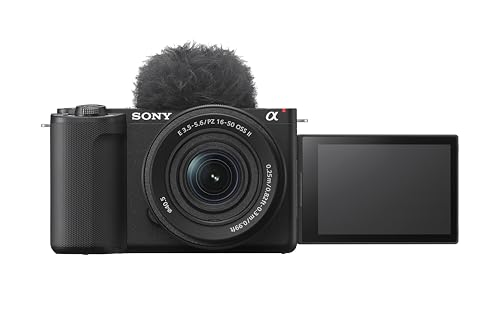

The ZV-E10 II is designed first and foremost for creators, and that shows in the way Sony has prioritized portability, simple controls, and flexibility over a bulky pro-camera feel. Based on the product specs and recurring owner feedback, this is the kind of camera that makes sense for vloggers who want to carry one body and one lens all day without feeling weighed down.
The included kit lens, the E PZ 16-50mm F3.5-5.6 OSS II, is especially practical for everyday vlog use because it gives you a useful range for talking-head shots, handheld walking footage, and casual B-roll. The tradeoff is that the kit setup is more about convenience than premium optics, so buyers expecting a dramatic “cinematic” look may eventually want to upgrade to a better E-mount lens.
One of the strongest design advantages is the camera’s compatibility with Sony’s E-mount ecosystem. That matters because it gives you a clear upgrade path: start with the kit lens, then move into wider, brighter, or more specialized glass as your channel grows. For a creator body, that flexibility is a major win.
Pros
- Lightweight, creator-friendly design that’s easier to carry for long vlog days
- Interchangeable E-mount lens system gives you room to grow
- Kit lens adds practical zoom flexibility for everyday shooting
- Simple in-camera creative controls reduce setup friction
Cons
- Kit lens is convenient, but not a premium-looking lens option
- Smaller creator body may feel less substantial than higher-end hybrid cameras
- Best results often depend on additional lenses or accessories
Performance & Features


Performance is where the ZV-E10 II earns most of its praise. The 26MP APS-C sensor is a big step up from smartphone and compact-camera class sensors, and that larger sensor size is a major reason this camera appeals to vloggers who want cleaner detail and better separation between subject and background. In published comparisons, the image quality is generally considered strong for the price class, especially for creator content and social video.
The autofocus system is one of the most important reasons this camera stands out in a real-world vlog day. Sony’s Real-time Eye AF and Real-time Tracking are built for moving subjects, which means the camera is designed to keep faces and eyes in focus while you’re walking, turning, or gesturing on camera. For solo creators, that reliability can be more valuable than raw resolution.
Video features are also a major selling point. 4K up to 60 fps gives you more flexibility for smoother motion and optional slow-motion workflows, while Full HD at up to 120 fps supports more dramatic slow-motion clips. The camera also includes Creative Look presets and My Image Style, which help creators get a more polished look directly in-camera instead of spending as much time color grading.
That said, the feature set is strongest for content creation rather than for all-purpose enthusiast photography. If your priority is heavy stills work, advanced stabilization, or a more rugged hybrid body, this model may not be the best match. But for vlogging, talking-head videos, travel clips, and social-first content, it checks a lot of the right boxes.
Pros
- 26MP APS-C sensor offers a meaningful quality jump over phones and compact cameras
- Excellent subject tracking and Eye AF for solo vloggers
- 4K 60 fps and Full HD 120 fps add useful video flexibility
- Creative Look and My Image Style make it easier to get a polished image fast
- Strong fit for walking vlogs, travel content, and talking-head videos
Cons
- Not the most advanced hybrid camera for still photography enthusiasts
- Video-first strengths may not matter as much if you mainly shoot photos
- Some creators may still want external accessories for a more complete setup
Value for Money
At $1098 with Prime and a listed 16% discount from the original $1299.99 price, the ZV-E10 II sits in a competitive but sensible spot for serious content creators. It is not a budget camera, but the pricing makes more sense when you consider what you are buying: a creator-focused APS-C body with strong autofocus, practical 4K video, and an expandable lens system.
The value proposition is strongest if you actually plan to use the camera for regular video work. If you are upgrading from a phone or a basic compact camera, the improvement in sensor size, subject tracking, and creative flexibility can be substantial. If you already own a more advanced hybrid camera, though, the value may be less obvious unless you specifically want a lighter creator rig.
Owner feedback and reviewer consensus generally point to the same conclusion: this is a camera that makes sense when your priority is reliable, easy-to-manage content creation. The kit bundle lowers the barrier to entry, but the real long-term value comes from the E-mount system and Sony’s strong autofocus platform.
Pros
- Good value for creators who will actually use the video features
- Discounted kit price is more approachable than buying body and lens separately
- E-mount ecosystem improves long-term ownership value
- Strong autofocus can save time and frustration in daily use
Cons
- Not cheap for beginners who only need casual video
- May require extra lens or accessory spending to unlock full potential
- Value drops if you do not plan to shoot regularly
Who Should Buy This
The Sony ZV-E10 II is best for vloggers, YouTubers, and social-first creators who want a compact camera that makes autofocus, lens choice, and video quality feel easy rather than technical. If your content includes walking vlogs, sit-down commentary, travel clips, or casual B-roll, this camera is built for that workflow.
It is also a smart buy for creators who want to start with a kit and upgrade later. The E-mount system gives you a clear path forward, so you are not locked into one lens or one style of shooting.
Best fit if you want:
- A creator-first camera for regular video content
- Reliable autofocus for solo filming
- Better image quality than a phone or compact camera
- A lens system that can grow with your channel
Who Should Look Elsewhere
You should probably look elsewhere if your main priority is still photography, a more rugged hybrid body, or a camera that feels more like a traditional enthusiast tool than a creator device. The ZV-E10 II is deliberately optimized for video-first users, and that specialization is part of its appeal — but it also means some buyers will want a different balance.
It may also be a pass if you want the best possible image stabilization without adding accessories. While the camera is very capable for handheld creator work, buyers who expect a more advanced stabilization system may prefer a different class of camera.
Look elsewhere if you need:
- A stronger stills-focused mirrorless camera
- A more advanced all-around hybrid body
- Maximum built-in stabilization for run-and-gun filming
- A lower-cost entry point for casual use only
Best Alternatives
FUJIFILM X-T5 Mirrorless Digital Camera XF16-50mmF2.8-4.8 R LM WR Lens Kit - Silver
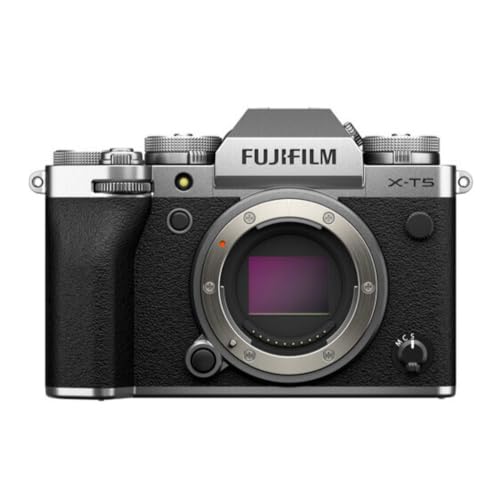

If you want a more photography-forward alternative with a much higher-resolution sensor and stronger in-body stabilization, the FUJIFILM X-T5 Mirrorless Digital Camera XF16-50mmF2.8-4.8 R LM WR Lens Kit - Silver is the better premium option — but it is also far more expensive.
Final Verdict
The Sony ZV-E10 II is an easy recommendation for creators who want a dependable, compact, and flexible vlog camera. Based on the specs, published reviews, and owner feedback, it stands out for autofocus reliability, APS-C image quality, and an upgrade path that makes sense for long-term content creation.
If your main goal is a Sony ZV-E10 II vlog test replacement that performs well in everyday creator use, this is a strong buy. If you only need a casual camera or you are more focused on advanced still photography, you may want to skip it.
Frequently Asked Questions
Is the Sony ZV-E10 II good for vlogging?
Yes. It is specifically designed for content creators and performs well for talking-head videos, walking vlogs, and travel content thanks to strong autofocus and a creator-friendly feature set.
Does the Sony ZV-E10 II have good autofocus?
Yes. Its Real-time Eye AF and Real-time Tracking are major strengths and are widely praised for keeping faces and eyes in focus during movement.
Can the Sony ZV-E10 II shoot 4K video?
Yes. The camera supports up to 4K at 60 fps, which makes it a solid choice for modern vlog and social video workflows.
Is the kit lens good enough for beginners?
For many beginners, yes. The included 16-50mm zoom lens is practical and flexible, though more serious creators may eventually want a brighter lens for better background blur and low-light performance.
Is the Sony ZV-E10 II worth the price?
It is worth the price if you plan to use it regularly for video content and want a creator-first camera with room to grow. If you only need occasional casual shooting, it may be more camera than you need.
Pros
- + 26MP APS-C sensor for cleaner video and detail
- + Excellent Eye AF and Real-time Tracking
- + 4K 60 fps and Full HD 120 fps support
- + Creator-friendly design with interchangeable E-mount lenses
- + Good long-term value for vloggers who will use it regularly
Cons
- – Kit lens is practical but not premium
- – Not the best choice for still-photo-first buyers
- – May need extra accessories or lenses to reach full potential
- – Not the cheapest option for casual users
Frequently asked questions
- Is the Sony ZV-E10 II good for vlogging?
- Yes. It is specifically designed for content creators and performs well for talking-head videos, walking vlogs, and travel content thanks to strong autofocus and a creator-friendly feature set.
- Does the Sony ZV-E10 II have good autofocus?
- Yes. Its Real-time Eye AF and Real-time Tracking are major strengths and are widely praised for keeping faces and eyes in focus during movement.
- Can the Sony ZV-E10 II shoot 4K video?
- Yes. The camera supports up to 4K at 60 fps, which makes it a solid choice for modern vlog and social video workflows.
- Is the kit lens good enough for beginners?
- For many beginners, yes. The included 16-50mm zoom lens is practical and flexible, though more serious creators may eventually want a brighter lens for better background blur and low-light performance.
- Is the Sony ZV-E10 II worth the price?
- It is worth the price if you plan to use it regularly for video content and want a creator-first camera with room to grow. If you only need occasional casual shooting, it may be more camera than you need.
Score breakdown
- value
- 8.2
- usability
- 9.1
- durability
- 7.8
- performance
- 8.8
- buyerFeedback
- 8.7
Get the Full Tech Buyer's Guide
Join our free newsletter — we'll send our latest Tech picks, specs and verdicts straight to your inbox.
Free. No spam. Unsubscribe anytime.
Was this review helpful?
Be the first to share your feedback on this review.
Sign in to vote and let us know what you think.
Discussion (0)
No comments yet. Be the first to start the discussion.
Related Reviews
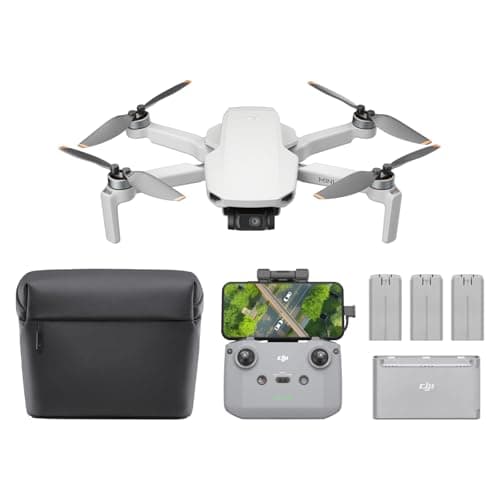
What is How to Fly a Drone for Beginners? A Complete 2026 Guide
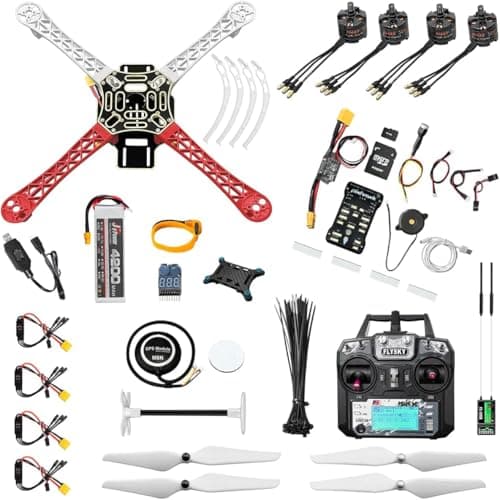
If you’re searching for how to fly a drone for beginners , you probably want a simple way to start without crashing, breaking parts, or feeling overwhelmed by controls. The good news is that beginner drone flying becomes much easier once you understand the basics of lift, controller inputs, and safe
What is how to start photography 2026? A Complete 2026 Guide
If you’re trying to figure out how to start photography 2026 , the hardest part is usually knowing where to begin without wasting money on the wrong gear. The good news is that photography is much easier to enter now because beginner-friendly cameras, phones, editing apps, and learning resources are
What is FAA drone rules 2026? A Complete 2026 Guide
If you’re trying to understand FAA drone rules 2026 , the biggest challenge is usually separating real compliance requirements from outdated advice. The rules can change based on whether you fly recreationally, commercially, or for a specific job like real estate, inspections, or mapping. This guide