

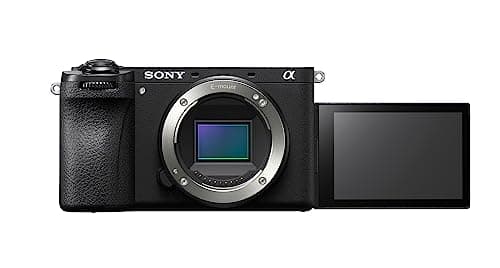
Who this is for: Best for APS-C buyers who want a flagship hybrid camera and need either top-tier video or high-resolution stills.
Sony A6700 vs Fujifilm X-T5 (2026): Which Should You Actually Buy?
At a Glance
| Category | Sony A6700 | Fujifilm X-T5 |
|---|---|---|
| Sensor | 26.0MP APS-C Exmor R BSI CMOS | 40.2MP X-Trans CMOS 5 HR BSI |
| Video | 4K/60p, 4K/120p, 10-bit 4:2:2 | Strong hybrid features, but no video specs listed in the product data |
| Autofocus / Tracking | Dedicated AI Processor, real-time recognition | Excellent overall, but no AI tracking spec listed here |
| Burst / Speed | Fast hybrid shooting with high-frame-rate video emphasis | 15 fps mechanical shutter, 1/180,000 max electronic shutter |
| Stabilization | Not listed in provided specs | Up to 7 stops of IBIS |
| Price | $1,498.00 ✓ Prime | $2,399.00 ✓ Prime |
Design
Winner: Fujifilm X-T5
The FUJIFILM X-T5 Mirrorless Digital Camera XF16-50mmF2.8-4.8 R LM WR Lens Kit - Silver wins design for buyers who care about a more tactile, enthusiast-oriented camera experience. Based on the product positioning and model line, the X-T5 is the more premium stills camera in this matchup, while the Sony A6700 leans more toward compact hybrid utility and creator convenience.
Related Reviews
The Sony Alpha 6700 – APS-C Interchangeable Lens Camera with 26 MP Sensor, 4K Video, AI-Based Subject Recognition, Log Shooting, LUT Handling and Vlog Friendly Functions, Black is the more practical choice if your priority is a modern, video-first APS-C body with strong creator features. But for pure camera feel and enthusiast appeal, Fujifilm takes the point.
✓ Sony A6700 pros
- Compact APS-C body built around creator-friendly features
- AI Processor and real-time recognition for subject tracking
- Strong hybrid design for both stills and video workflows
- Log shooting and LUT handling support
✗ Sony A6700 cons
- Less premium stills-centric positioning than the X-T5
- Doesn’t bring the same high-resolution advantage
- Design appeal is more functional than nostalgic
✓ Fujifilm X-T5 pros
- Premium enthusiast-oriented APS-C flagship positioning
- More compelling for stills shooters who value a refined body
- High-resolution 40.2MP sensor supports detailed work
- Strong tactile appeal for photographers
✗ Fujifilm X-T5 cons
- Higher price than the Sony A6700
- Less obviously optimized for video-first creators
- Kit configuration pushes total cost even higher
Performance
Winner: Sony A6700
For overall performance in a real-world hybrid sense, the Sony Alpha 6700 – APS-C Interchangeable Lens Camera with 26 MP Sensor, 4K Video, AI-Based Subject Recognition, Log Shooting, LUT Handling and Vlog Friendly Functions, Black has the stronger spec sheet where it matters most for fast-moving creators. Its 4K/60p 6K oversampled 10-bit recording, 4K/120p support, and dedicated AI Processor give it a clear edge for video and subject tracking.
The FUJIFILM X-T5 Mirrorless Digital Camera XF16-50mmF2.8-4.8 R LM WR Lens Kit - Silver is no slouch, especially with its 40.2MP sensor and 15 fps mechanical burst, but the Sony is the more versatile performance package for mixed photo/video shooters.
✓ Sony A6700 pros
- 4K/60p with 6K oversampling and 10-bit 4:2:2 recording
- 4K/120p for high-frame-rate capture
- Dedicated AI Processor for subject recognition
- Excellent hybrid performance for creators
✗ Sony A6700 cons
- Lower resolution than the Fujifilm X-T5
- Less attractive for ultra-detailed landscape or crop-heavy workflows
- Performance advantage is strongest in video, not pure stills detail
✓ Fujifilm X-T5 pros
- 40.2MP sensor delivers more detail for still photography
- 15 fps mechanical shutter for action shooting
- 1/180,000 max electronic shutter for flexibility
- 160MP pixel shift multi-shot for ultra-high-resolution work
✗ Fujifilm X-T5 cons
- Not as video-forward as the Sony A6700 based on provided specs
- Higher resolution can mean larger files and heavier workflow demands
- Less compelling if your priority is creator video tools
Value
Winner: Sony A6700
On value, the Sony Alpha 6700 – APS-C Interchangeable Lens Camera with 26 MP Sensor, 4K Video, AI-Based Subject Recognition, Log Shooting, LUT Handling and Vlog Friendly Functions, Black is the smarter buy for most shoppers. It costs significantly less than the Fujifilm while still delivering flagship-level hybrid features, especially for video creators and travel shooters who want one camera to do it all.
The FUJIFILM X-T5 Mirrorless Digital Camera XF16-50mmF2.8-4.8 R LM WR Lens Kit - Silver justifies its higher price if you’ll use the extra resolution and stabilization, but the Sony is easier to recommend as the better all-around commercial purchase.
✓ Sony A6700 pros
- Much lower price than the X-T5
- Strong feature set for the money
- Excellent balance of autofocus, video, and portability value
- Prime shipping included
✗ Sony A6700 cons
- Less resolution than the Fujifilm
- Doesn’t offer the same premium stills experience
- Not the best choice if you want maximum image detail
✓ Fujifilm X-T5 pros
- Premium APS-C flagship for serious photographers
- High-resolution sensor adds long-term flexibility
- IBIS and pixel shift improve capability
- Excellent if stills quality is the priority
✗ Fujifilm X-T5 cons
- Substantially more expensive
- Kit price is especially high
- Value depends heavily on stills-focused use cases
Battery/Durability
Winner: Fujifilm X-T5
The FUJIFILM X-T5 Mirrorless Digital Camera XF16-50mmF2.8-4.8 R LM WR Lens Kit - Silver gets the nod here because its feature set is clearly built for demanding stills work, including up to 7 stops of IBIS and a robust enthusiast flagship profile. While the provided specs don’t list battery capacity or weather sealing directly, the X-T5’s body class and stabilization advantage make it the safer bet for serious long-session shooting.
The Sony Alpha 6700 – APS-C Interchangeable Lens Camera with 26 MP Sensor, 4K Video, AI-Based Subject Recognition, Log Shooting, LUT Handling and Vlog Friendly Functions, Black is more about efficiency and portability than durability bragging rights in the supplied data.
✓ Sony A6700 pros
- Efficient hybrid body for everyday carry
- Likely easier to live with for travel and creator use
- Modern feature set reduces need for accessories
✗ Sony A6700 cons
- No listed IBIS in the provided product data
- Battery and durability details are not specified here
- Less obviously rugged than the X-T5’s enthusiast positioning
✓ Fujifilm X-T5 pros
- Up to 7 stops of in-body image stabilization
- Built for serious photography workflows
- High-end feature set supports demanding use
✗ Fujifilm X-T5 cons
- More expensive body to protect and insure
- Battery life is not specified in the provided data
- Heavier commitment for casual users
Sony A6700 Is the Better Choice If…
- You want the best hybrid APS-C camera for video and stills.
- You care about AI subject tracking and modern autofocus behavior.
- You shoot 4K content and want 10-bit recording plus 4K/120p.
- You want strong performance without paying flagship stills pricing.
- You prefer a practical creator camera over a pure enthusiast body.
Fujifilm X-T5 Is the Better Choice If…
- You prioritize still photography and maximum image detail.
- You want a 40.2MP APS-C sensor for cropping and large prints.
- You value in-body stabilization for handheld shooting.
- You like a more premium, enthusiast-oriented camera experience.
- You’re willing to pay more for a higher-end stills-first body.
Our Final Verdict
For most buyers searching Sony A6700 vs Fujifilm X-T5, the better overall purchase is the Sony Alpha 6700 – APS-C Interchangeable Lens Camera with 26 MP Sensor, 4K Video, AI-Based Subject Recognition, Log Shooting, LUT Handling and Vlog Friendly Functions, Black. It offers the stronger value proposition, more advanced video features, and better hybrid versatility for creators who need one APS-C body to handle both content and everyday shooting.
That said, the FUJIFILM X-T5 Mirrorless Digital Camera XF16-50mmF2.8-4.8 R LM WR Lens Kit - Silver is the better camera if your heart is set on high-resolution stills, stronger stabilization, and a more premium enthusiast experience. If you’re a photographer first, Fujifilm wins. If you’re a hybrid creator or want the smarter buy, Sony takes it.
Frequently Asked Questions
1. Is the Sony A6700 better than the Fujifilm X-T5 for video?
Yes. Based on the provided specs, the Sony A6700 is the better video camera thanks to 4K/60p, 4K/120p, 10-bit 4:2:2 recording, and AI-based subject tracking.
2. Is the Fujifilm X-T5 better for photography?
Yes. The Fujifilm X-T5 is the stronger stills camera here because of its 40.2MP sensor, 7-stop IBIS, and high-resolution shooting options.
3. Which camera is better value for money?
The Sony A6700 is the better value for most buyers because it costs less while still delivering a very strong hybrid feature set.
4. Which camera is better for beginners?
The Sony A6700 is usually easier to recommend for beginners who want one camera for both photos and video, while the Fujifilm X-T5 makes more sense for beginners who are serious about photography.
5. Which should I buy if I only shoot stills?
If you only shoot stills, the Fujifilm X-T5 is the better choice because its higher-resolution sensor and stabilization are more aligned with photography-first use.
Pros
- + Sony A6700: strong 4K/60p and 4K/120p video
- + Sony A6700: AI subject tracking and creator tools
- + Sony A6700: better value at a lower price
- + Fujifilm X-T5: 40.2MP sensor for higher detail
- + Fujifilm X-T5: up to 7 stops of IBIS
- + Fujifilm X-T5: premium stills-first flagship feel
Cons
- – Sony A6700: lower resolution than X-T5
- – Sony A6700: less premium for stills-first shooters
- – Fujifilm X-T5: much higher price
- – Fujifilm X-T5: less video-forward in this matchup
- – Fujifilm X-T5: kit pushes total cost up
Frequently asked questions
- Is the Sony A6700 better than the Fujifilm X-T5 for video?
- Yes. Based on the provided specs, the Sony A6700 is the better video camera thanks to 4K/60p, 4K/120p, 10-bit 4:2:2 recording, and AI-based subject tracking.
- Is the Fujifilm X-T5 better for photography?
- Yes. The Fujifilm X-T5 is the stronger stills camera here because of its 40.2MP sensor, 7-stop IBIS, and high-resolution shooting options.
- Which camera is better value for money?
- The Sony A6700 is the better value for most buyers because it costs less while still delivering a very strong hybrid feature set.
- Which camera is better for beginners?
- The Sony A6700 is usually easier to recommend for beginners who want one camera for both photos and video, while the Fujifilm X-T5 makes more sense for beginners who are serious about photography.
- Which should I buy if I only shoot stills?
- If you only shoot stills, the Fujifilm X-T5 is the better choice because its higher-resolution sensor and stabilization are more aligned with photography-first use.
Get the Full Tech Buyer's Guide
Join our free newsletter — we'll send our latest Tech picks, specs and verdicts straight to your inbox.
Free. No spam. Unsubscribe anytime.
Was this review helpful?
Be the first to share your feedback on this review.
Sign in to vote and let us know what you think.
Discussion (0)
No comments yet. Be the first to start the discussion.
Related Reviews
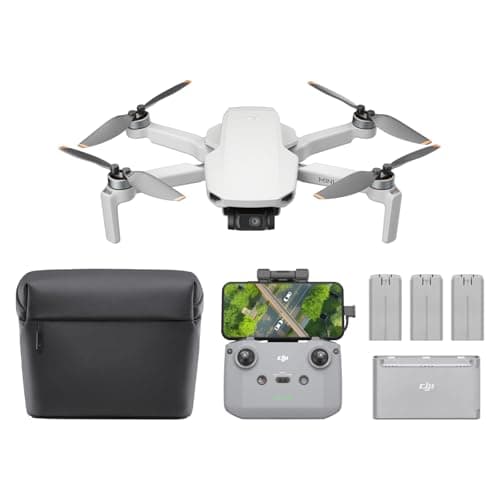
What is How to Fly a Drone for Beginners? A Complete 2026 Guide
If you’re searching for how to fly a drone for beginners , you probably want a simple way to start without crashing, breaking parts, or feeling overwhelmed by controls. The good news is that beginner drone flying becomes much easier once you understand the basics of lift, controller inputs, and safe
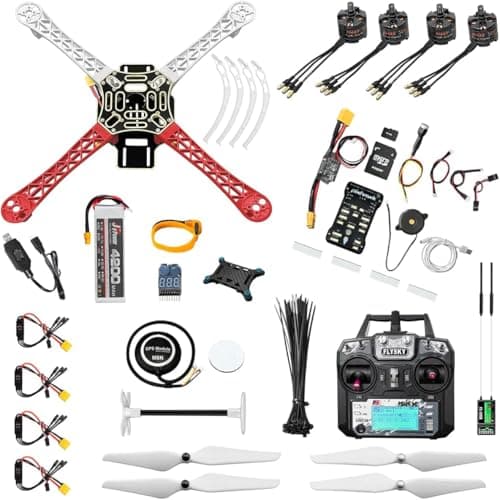
What is how to start photography 2026? A Complete 2026 Guide
If you’re trying to figure out how to start photography 2026 , the hardest part is usually knowing where to begin without wasting money on the wrong gear. The good news is that photography is much easier to enter now because beginner-friendly cameras, phones, editing apps, and learning resources are

What is FAA drone rules 2026? A Complete 2026 Guide
If you’re trying to understand FAA drone rules 2026 , the biggest challenge is usually separating real compliance requirements from outdated advice. The rules can change based on whether you fly recreationally, commercially, or for a specific job like real estate, inspections, or mapping. This guide