

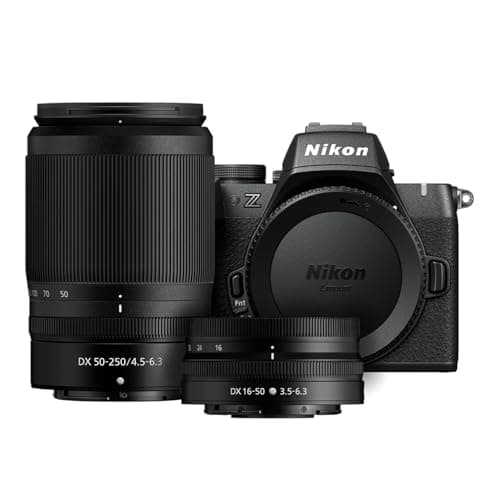
Who this is for: Best for buyers who want to choose a mirrorless camera that fits their skill level, budget, and photo/video needs.
Check PriceHow to Choose the Best Mirrorless Camera in 2026: Complete Buying Guide
If you’re trying to figure out how to choose a mirrorless camera, the biggest challenge is usually not “which brand is best” — it’s matching the camera to your real-world needs without overpaying for features you’ll never use. Many buyers get stuck focusing on megapixels alone, then end up with a camera that’s awkward to carry, too complicated to learn, or missing the autofocus and lens options they actually need. This guide breaks down the features that matter most, the red flags to avoid, and the best mirrorless cameras to consider at different budgets in 2026.
Related Reviews
Key Features to Look For
1) Sensor size
Sensor size has a huge impact on image quality, low-light performance, depth of field, and overall system size. APS-C cameras are often the sweet spot for beginners and enthusiasts because they balance image quality and portability, while full-frame models tend to excel in low light and offer more background blur. If you want a camera that’s easier to carry and more affordable, APS-C is usually the smarter starting point.
2) Autofocus performance
Autofocus matters more than many shoppers realize, especially if you shoot kids, pets, sports, travel, or video. Modern subject detection, eye tracking, and wide AF coverage can make the difference between sharp keepers and missed shots. For most buyers, a camera with reliable eye detection and subject tracking is more valuable than a slightly higher resolution sensor.
3) Lens ecosystem
A mirrorless camera body is only part of the equation; lenses determine how far the system can grow with you. Before buying, check whether the mount has affordable kit lenses, fast primes, telephoto options, and third-party support. A great camera with a weak lens lineup can become frustrating fast, while a modest body with a strong lens ecosystem can serve you for years.
4) Video features
If you plan to shoot content, vlogs, family clips, or social videos, look beyond basic 4K marketing. Pay attention to frame rates, autofocus in video, stabilization, overheating behavior, and whether the camera offers microphone input or useful creator modes. A camera that handles video well can save you from needing a second device later.
5) Size, weight, and ergonomics
Mirrorless cameras are popular because they’re smaller than DSLRs, but not all compact cameras feel good in the hand. Consider grip comfort, button layout, menu simplicity, and whether the body is small enough to travel with comfortably. If a camera is too tiny or too menu-heavy, you may leave it at home instead of using it.
6) Battery life and charging options
Battery life can matter a lot on trips, events, or long shooting days. Mirrorless cameras generally use more power than older DSLR-style systems, so look for strong battery ratings and USB charging support if convenience matters. If you shoot often away from outlets, extra batteries should be part of your budget.
7) Ease of use and beginner-friendly tools
If you’re new to interchangeable-lens cameras, features like guided menus, scene presets, wireless sharing, and easy color profiles can help shorten the learning curve. The best beginner camera is not the one with the most advanced specs — it’s the one that helps you actually take better photos and enjoy the process.
What to Avoid
Buying too much camera for your skill level
One of the most common mistakes is spending extra on a camera that’s designed for advanced users when you still need a simple, confidence-building setup. If you’re learning photography, a complicated body can slow you down and make the hobby feel harder than it should.
Ignoring lens costs
A cheap body can become expensive once you add lenses, especially if you want better portraits, wildlife reach, or low-light performance. Always check the cost of the system, not just the camera body. In many cases, the kit lens is enough to start, but long-term value depends on lens availability and pricing.
Chasing megapixels alone
More megapixels do not automatically mean better photos. Autofocus, sensor quality, lens sharpness, and handling often matter more in real life. If you’re choosing between two cameras, don’t let resolution distract you from the features that affect your actual shooting experience.
Overlooking video limitations
Some mirrorless cameras advertise 4K but offer limited frame rates, heavy crops, or weaker autofocus in video mode. If video matters to you, read the specs carefully and look for owner feedback on usability. A camera can be excellent for stills while still being a poor choice for creators.
Choosing a body that feels uncomfortable
Ergonomics are easy to ignore online, but they matter every time you pick up the camera. A body that’s too small, too light, or poorly laid out can be annoying during longer shoots. If possible, compare grip size and control placement before buying.
Our Top Picks
Below are the best options from the current product list, chosen for different buyer needs. These are research-based recommendations built from published specs, feature sets, and documented owner feedback patterns — not hands-on testing.
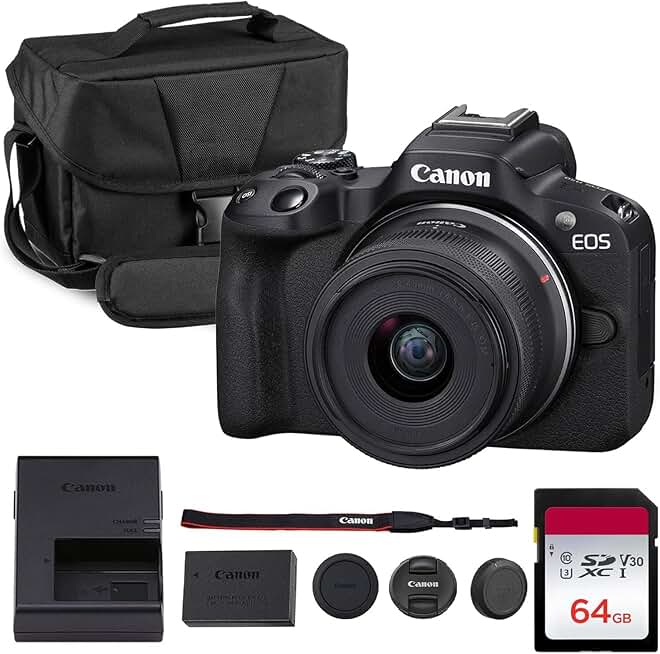
Best beginner-friendly value: Canon EOS R100 Mirrorless Camera
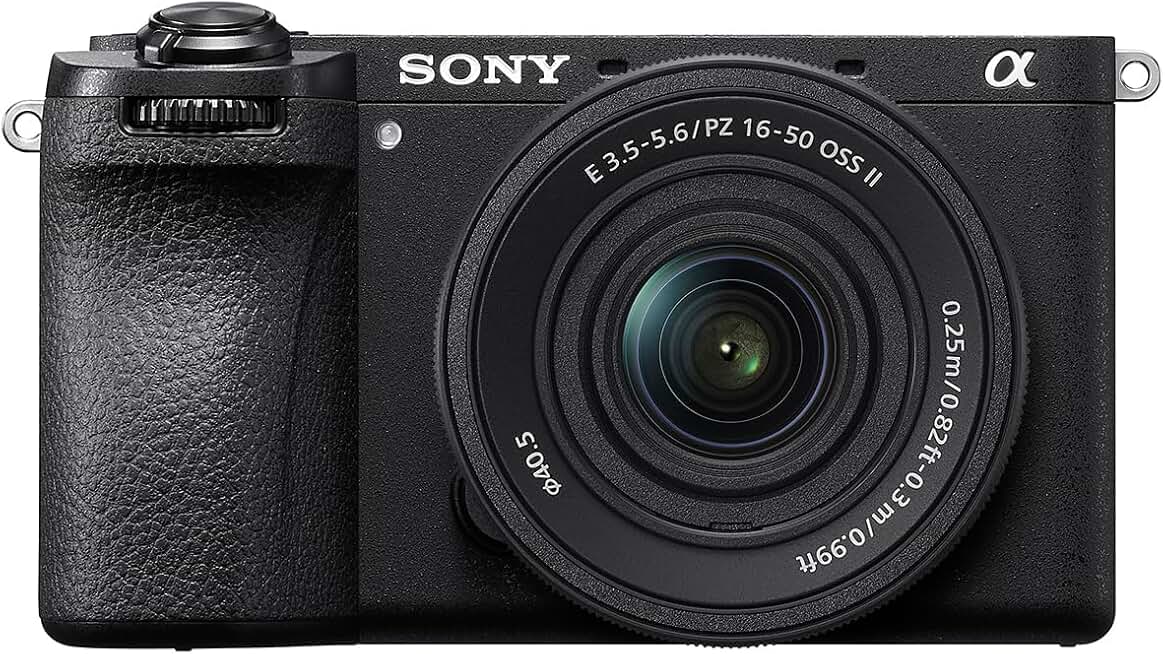

4K, lightweight, and affordable make the Canon EOS R100 a strong starting point for first-time mirrorless buyers who want simple controls and modern autofocus without a huge investment. Its APS-C sensor, Eye Detection AF, and small body make it easy to learn on, while the RF mount gives you room to grow later.
✓ Prime 32% OFF — Was $559.00
- ✓ Smallest and lightest EOS R-series body for easy portability
- ✓ 24.1MP APS-C sensor for strong everyday image quality
- ✓ Dual Pixel CMOS AF with Eye Detection and subject detection
- ✓ Great entry point for interchangeable-lens photography
- ✓ 4K video support for casual creators
- ✗ Less advanced than higher-end mirrorless bodies
- ✗ Best for basics rather than demanding action or pro video work
Best budget kit option: Canon EOS R100 Mirrorless Camera RF-S18-45mm F4.5-6.3 is STM Lens Kit


This bundle is a practical pick if you want the camera and a starter lens in one purchase. It’s especially appealing for beginners who want to start shooting immediately without piecing together a kit one item at a time.
✓ Prime 27% OFF — Was $679.00
- ✓ Includes the RF-S18-45mm lens to get started right away
- ✓ Same 24.1MP APS-C sensor and DIGIC 8 processor
- ✓ Face, eye, animal, and vehicle detection autofocus
- ✓ Lightweight body is easy to carry for travel and everyday use
- ✓ Good value for a first mirrorless setup
- ✗ Kit lens is versatile, but not ideal for everything
- ✗ Still an entry-level body with limited advanced features
Best for creators who want more camera and more flexibility: Nikon Z50 II with Two Lenses
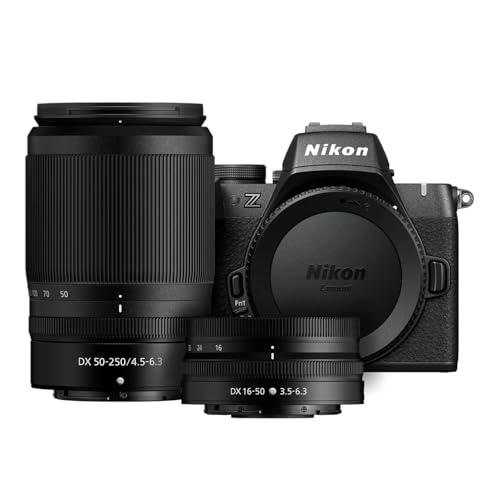

The Nikon Z50 II stands out for buyers who want a more feature-rich APS-C mirrorless camera with strong autofocus and a two-lens bundle. Its 31 built-in Picture Controls, subject detection, and 4K/60p video make it attractive for hybrid shooters who want creative flexibility.
✓ Prime
- ✓ 20.9MP APS-C sensor in a compact body
- ✓ 31 built-in Picture Controls plus downloadable presets
- ✓ Subject detection for people, pets, birds, and vehicles
- ✓ 4K UHD/60p with slow-motion options for video
- ✓ Two-lens kit adds more shooting range out of the box
- ✗ Higher price than basic entry-level options
- ✗ Best value depends on whether you’ll use both included lenses
Best for advanced photo and video performance: Canon EOS R6 Mark II Mirrorless Camera

If you want a high-end hybrid camera, the Canon EOS R6 Mark II is the most capable all-around pick in this list. Its full-frame sensor, advanced autofocus, and fast burst shooting make it a strong choice for serious photographers and content creators who need speed and reliability.
✓ Prime
- ✓ Full-frame 24.2MP sensor for strong image quality
- ✓ Excellent AF coverage with deep-learning subject detection
- ✓ Fast shooting speeds for action and events
- ✓ Strong low-light and hybrid shooting potential
- ✓ Good fit for enthusiasts moving into advanced work
- ✗ Much more expensive than beginner options
- ✗ Overkill if you only need casual photos and simple video
Best full-frame value for experienced buyers: Sony a7 III Full-Frame Mirrorless Interchangeable-Lens Camera
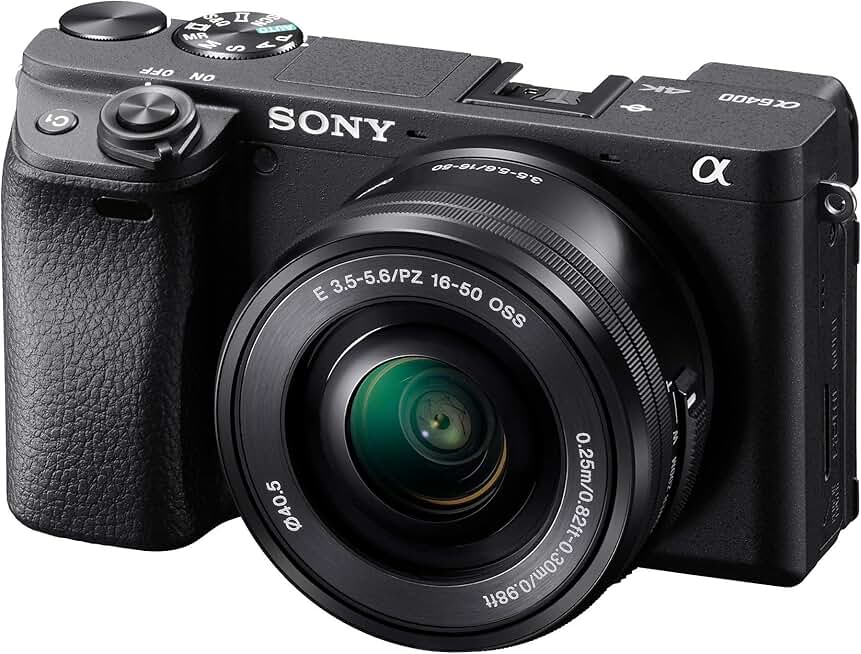

The Sony a7 III remains a strong full-frame option for buyers who want proven performance, broad lens support, and excellent autofocus coverage. It’s especially appealing if you care about dynamic range, low-light image quality, and a mature system with lots of lens choices.
✓ Prime 11% OFF
- ✓ Full-frame 24.2MP back-illuminated sensor
- ✓ Strong dynamic range and high ISO capability
- ✓ Wide AF coverage with 693 phase-detection points
- ✓ Good all-around fit for photo and general video use
- ✓ Includes a starter 28-70mm lens in the box
- ✗ Older model compared with newer mirrorless releases
- ✗ Costs more than APS-C beginner bodies and kits
Budget Guide: What You Get at Each Price Point
Under $500
At this level, you’re usually looking at entry-level mirrorless bodies or very basic kits. Expect APS-C sensors, solid everyday image quality, simple controls, and enough autofocus to learn photography comfortably. The tradeoff is that you’ll get fewer advanced features, so this tier is best for beginners who want a low-risk starting point.
$500 to $900
This is often the best value zone for most buyers. You can find better bundled kits, improved autofocus, more creator-friendly features, and a smoother overall experience without jumping into premium pricing. If you want your first “serious” camera, this range is usually the smartest place to shop.
$900 to $1,500
Here you start seeing stronger bundles, more refined autofocus, better video tools, and cameras that feel more future-proof. This range is ideal for enthusiasts who know they’ll keep shooting and want a body that can grow with them. The Nikon Z50 II with Two Lenses is a good example of a more complete package in this tier.
$1,500 and up
Once you move into this range, you’re paying for full-frame performance, better low-light capability, faster burst shooting, and more advanced hybrid features. These cameras make the most sense for serious photographers, content creators, and buyers who already know they’ll use the extra power. If your needs are casual, this tier may be more camera than you need.
Frequently Asked Questions
What is the best mirrorless camera for beginners?
The best beginner mirrorless camera is usually one that balances simple controls, good autofocus, and an affordable lens kit. In this guide, the Canon EOS R100 is the easiest starting point for most new buyers.
Should I buy APS-C or full-frame mirrorless?
APS-C is usually better for beginners and value-focused buyers because it’s cheaper and more compact. Full-frame is better if you want stronger low-light performance, shallower depth of field, and more advanced shooting potential.
How important is autofocus in a mirrorless camera?
Very important. Good autofocus helps keep faces, eyes, pets, and moving subjects sharp, which matters for both photos and video. For many buyers, autofocus quality is more important than megapixels.
Do I need 4K video in a mirrorless camera?
Only if you plan to shoot video regularly. If you mainly take photos, Full HD may be enough. But if you want a camera that can handle content creation, 4K is worth having.
Is it better to buy a camera body only or a kit lens bundle?
For most first-time buyers, a kit lens bundle is the better value because it lets you start shooting immediately. Body-only makes more sense if you already know which lens you want or plan to buy specialized glass right away.
Pros
- + APS-C and full-frame options for different budgets
- + Strong autofocus and eye-detection choices
- + Good beginner kits and creator-friendly features
- + Useful lens bundles for immediate shooting
- + Clear price tiers for smarter buying
Cons
- – Some models are overkill for casual users
- – Lens costs can raise the real system price
- – Entry-level bodies have limited advanced features
Frequently asked questions
- What is the best mirrorless camera for beginners?
- The best beginner mirrorless camera is usually one that balances simple controls, good autofocus, and an affordable lens kit. In this guide, the Canon EOS R100 is the easiest starting point for most new buyers.
- Should I buy APS-C or full-frame mirrorless?
- APS-C is usually better for beginners and value-focused buyers because it’s cheaper and more compact. Full-frame is better if you want stronger low-light performance, shallower depth of field, and more advanced shooting potential.
- How important is autofocus in a mirrorless camera?
- Very important. Good autofocus helps keep faces, eyes, pets, and moving subjects sharp, which matters for both photos and video. For many buyers, autofocus quality is more important than megapixels.
- Do I need 4K video in a mirrorless camera?
- Only if you plan to shoot video regularly. If you mainly take photos, Full HD may be enough. But if you want a camera that can handle content creation, 4K is worth having.
- Is it better to buy a camera body only or a kit lens bundle?
- For most first-time buyers, a kit lens bundle is the better value because it lets you start shooting immediately. Body-only makes more sense if you already know which lens you want or plan to buy specialized glass right away.
Score breakdown
- value
- 8.0
- usability
- 9.0
- durability
- 7.0
- performance
- 8.0
- buyerFeedback
- 8.0
Get the Full Tech Buyer's Guide
Join our free newsletter — we'll send our latest Tech picks, specs and verdicts straight to your inbox.
Free. No spam. Unsubscribe anytime.
Was this review helpful?
Be the first to share your feedback on this review.
Sign in to vote and let us know what you think.
Discussion (0)
No comments yet. Be the first to start the discussion.
Related Reviews
What is How to Fly a Drone for Beginners? A Complete 2026 Guide
If you’re searching for how to fly a drone for beginners , you probably want a simple way to start without crashing, breaking parts, or feeling overwhelmed by controls. The good news is that beginner drone flying becomes much easier once you understand the basics of lift, controller inputs, and safe
What is how to start photography 2026? A Complete 2026 Guide
If you’re trying to figure out how to start photography 2026 , the hardest part is usually knowing where to begin without wasting money on the wrong gear. The good news is that photography is much easier to enter now because beginner-friendly cameras, phones, editing apps, and learning resources are
What is FAA drone rules 2026? A Complete 2026 Guide
If you’re trying to understand FAA drone rules 2026 , the biggest challenge is usually separating real compliance requirements from outdated advice. The rules can change based on whether you fly recreationally, commercially, or for a specific job like real estate, inspections, or mapping. This guide