

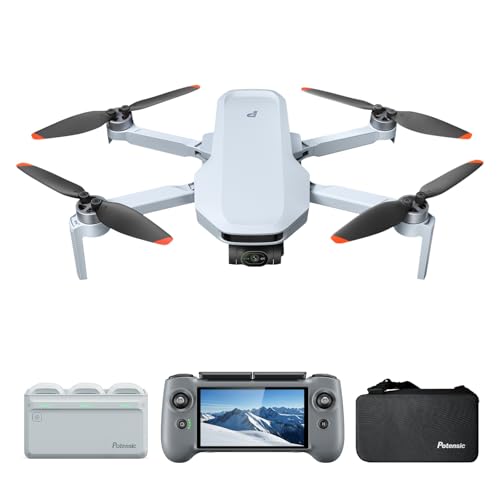
Who this is for: Best for buyers who need a reliable drone for smooth, safe, and cinematic wedding videography.
Check PriceHow to Choose the Best Drone for Wedding Videography in 2026: Complete Buying Guide
Choosing a drone for wedding videography is harder than it looks because you need more than just a camera in the sky—you need smooth motion, dependable control, and footage that blends naturally into a once-in-a-lifetime event. The biggest mistake buyers make is focusing on camera resolution alone and ignoring stabilization, flight time, and safety features that matter far more on a wedding day. This guide breaks down exactly how to choose the best drone for wedding videography in 2026 so you can match the right model to the pace, pressure, and visual style of real wedding coverage.
Related Reviews
Key Features to Look For
1) Strong Stabilization for Smooth, Cinematic Movement
Wedding footage needs gentle, elegant motion—not shaky clips that distract from the ceremony or reception. A 3-axis gimbal is one of the most important features to look for because it helps keep shots level and fluid while the drone moves through the air. If you want aerial reveals, slow venue passes, or sweeping couple shots, stabilization should be at the top of your checklist.
2) Reliable Camera Quality for Mixed Lighting
Wedding days often shift from bright outdoor scenes to shaded gardens, dim receptions, and evening portraits. Look for a drone with a capable sensor, strong low-light performance, and video settings that help preserve detail and color. Features like HDR video, larger sensors, and manual-style controls matter because they help you keep the footage usable across changing light conditions.
3) Flight Time That Gives You Breathing Room
Short battery life can be a serious problem during weddings, where timing is everything. You need enough flight time to capture establishing shots, venue details, couple entrances, and backup takes without constantly landing to swap batteries. A drone bundle with multiple batteries is especially valuable because it gives you more coverage and less downtime.
4) Stable Transmission and Solid Control Range
Wedding venues can include trees, buildings, crowds, and interference from other electronics. A strong transmission system helps keep the live feed stable and the controls responsive, which is essential when flying near important moments. For wedding work, consistency matters more than extreme range, but better signal stability can make the difference between a smooth shot and a missed opportunity.
5) Safety Features Like GPS, Auto Return, and Obstacle Awareness
Wedding videography often happens in busy or unfamiliar locations, so safety features are not optional. GPS positioning, auto return home, and obstacle avoidance can help reduce the risk of flyaways and collisions. These tools are especially important if you’re flying around guests, trees, tents, or architecture where precision matters.
6) Quiet, Efficient Motors for Less Disruption
Weddings are emotional, sound-sensitive events, and a loud drone can be distracting during vows or quiet moments. Brushless motors are worth prioritizing because they tend to run more efficiently and quietly than basic alternatives. While no drone is silent, a smoother, less intrusive flight profile is better for event work.
7) Portable Design for Fast Setup and Easy Travel
Wedding schedules move quickly, so portability matters. A foldable drone that fits easily in a camera bag can save time and stress when you’re moving between the ceremony site, portraits, and reception. Lightweight designs also make it easier to transport your gear without turning the drone into a burden.
What to Avoid
Overpaying for Resolution Without Considering Stability
A high-resolution camera sounds impressive, but it won’t help if the footage is shaky or poorly controlled. For wedding videography, smoothness and framing usually matter more than headline pixel counts. Avoid choosing a drone simply because it advertises a large photo or video number.
Skipping Flight-Time Reality Checks
Some drones advertise long endurance, but real-world flight time can shrink quickly once you factor in wind, hovering, and repeated starts and stops. If you’re covering a wedding, don’t assume one battery will be enough. A single short flight window can leave you scrambling at the wrong moment.
Ignoring Wind Resistance and Motor Quality
Outdoor weddings often happen in open venues where breeze and gusts are part of the job. A drone that struggles in light wind can produce unstable footage and make control feel nervous. Better motors and stronger flight stability are worth prioritizing, especially if you’ll film outdoors often.
Buying a Drone That Is Too Complex for Your Skill Level
Wedding videography is not the place to learn difficult controls under pressure. If you are newer to drones, look for beginner-friendly flight aids such as auto-hover, return-to-home, and obstacle sensors. A simpler drone that you can confidently operate will usually outperform a more advanced model you’re not ready to manage.
Forgetting About Venue Sensitivity and Guest Experience
Not every drone is appropriate for every wedding setting. Loud, aggressive, or bulky models can feel intrusive during ceremonies and formal portraits. Avoid anything that seems too disruptive for close-range event work, and always consider how the drone will affect the atmosphere.
Our Top Picks
Best Overall for Wedding Videography: Potensic Atom 2 Fly More Combo with RC PTD 1

This is the strongest all-around choice if you want a more premium wedding videography setup with a serious feature set. The 3-axis gimbal, 4K HDR video, AI tracking, and strong low-light tools make it appealing for cinematic venue shots, couple movement, and evening coverage. The included controller screen and multi-battery bundle also make it easier to stay focused during a busy event day.
- ✓ 3-axis gimbal helps deliver smooth, cinematic footage
- ✓ 4K HDR video and large-sensor imaging support better detail and color
- ✓ AI tracking can help with moving subjects and creative reveal shots
- ✓ Fly More bundle gives you more usable coverage time
- ✓ Built-in controller display adds convenience in the field
- ✗ More feature-rich than some casual users may need
- ✗ Best value comes from using its advanced tools well
- ✗ Controller compatibility is specific to this drone system
Best Mid-Range Option for Most Buyers: F180 Drone with 4K Camera for Adults
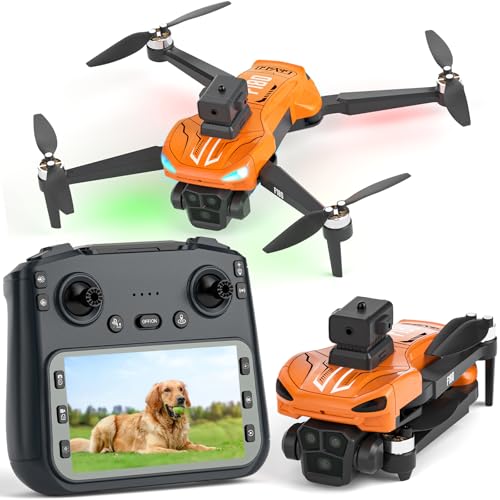

If you want a balanced drone that covers the essentials without pushing into a more advanced price tier, the F180 is a practical middle ground. It offers GPS support, obstacle avoidance, follow-me functionality, and a foldable design that fits event-day logistics well. For buyers who want a dependable drone for venue flyovers, portraits, and general wedding B-roll, it is an easy model to consider.
- ✓ Triple obstacle avoidance adds a useful safety layer
- ✓ GPS auto return supports more confident flying
- ✓ Foldable body makes transport easier
- ✓ Brushless motors improve stability and reduce noise
- ✓ 4K FPV setup is useful for real-time framing
- ✗ Flight time is shorter than the premium option
- ✗ Camera system is solid, but less advanced than higher-end models
- ✗ Better suited to general wedding coverage than highly polished cinematic work
Best Budget Pick for Learning and Light Wedding Use: 3-Axis Gimbal GPS Drone with 4K Camera


This budget-friendly choice stands out because it still includes one of the most important wedding-video features: a 3-axis stabilizer. That makes it more suitable than many low-end drones for smoother establishing shots and venue passes. It is a smart pick for beginners who want to practice the craft, capture lighter wedding coverage, or build a starter kit without jumping straight to a more advanced model.
- ✓ 3-axis stabilization is a major plus at this level
- ✓ GPS and return-to-home features improve confidence
- ✓ Dual positioning supports indoor and outdoor use
- ✓ Brushless motors help with wind resistance and quieter flight
- ✓ Long stated flight time is useful for practice and coverage
- ✗ The camera and control experience are more basic than premium models
- ✗ Best for entry-level use rather than high-pressure professional work
- ✗ Less refined for demanding cinematic wedding production
Budget Guide: What You Get at Each Tier
Budget Tier
Budget drones for wedding videography usually focus on the essentials: basic 4K capture, GPS support, return-to-home safety, and enough stabilization to keep footage usable. At this level, you are generally trading advanced image quality and refined controls for affordability and simplicity. This tier works best if you are learning drone operation, need occasional aerial clips, or want a backup option for less critical shots.
Mid-Range Tier
Mid-range drones usually offer a better balance of camera quality, safety features, and flight stability. You can expect a more dependable experience with brushless motors, stronger FPV systems, and better portability. For many wedding videography buyers, this is the sweet spot because it provides enough quality for venue coverage and cinematic B-roll without pushing into a more specialized setup.
Premium Tier
Premium drones tend to deliver the most polished results, especially in changing light and more demanding shooting conditions. You’ll usually see stronger stabilization, more advanced sensors, smarter subject tracking, and better low-light performance. This tier is best for buyers who want a more refined wedding workflow and are willing to prioritize smoother footage, better framing tools, and more versatile creative control.
Frequently Asked Questions
What is the most important feature when choosing a drone for wedding videography?
The most important feature is stabilization, especially a 3-axis gimbal, because wedding footage needs to look smooth and cinematic. Camera quality matters too, but shaky footage is usually the fastest way to make aerial clips feel amateurish.
Do I need 4K for wedding drone footage?
4K is highly recommended because it gives you more detail and more flexibility when editing. However, resolution alone is not enough; you also need good stabilization, reliable control, and decent low-light performance.
How much flight time should I look for?
Look for a drone that gives you enough practical coverage for venue shots, couple portraits, and backup takes without frequent interruptions. Multiple batteries are often more useful than a single long flight spec because weddings move quickly.
Is obstacle avoidance important for wedding videography?
Yes, obstacle avoidance is very helpful because weddings often take place around people, trees, buildings, and decorations. It adds an extra layer of safety and can reduce the chance of costly mistakes during a busy event.
Can a beginner use a drone for wedding videography?
Yes, but beginners should start with a drone that includes GPS, auto return, and stable hovering features. It’s best to practice well before the event so you can fly confidently and avoid distractions during important moments.
Pros
- + 3-axis stabilization is essential for smooth wedding footage
- + GPS and auto return improve safety in busy venues
- + Brushless motors help with quieter, steadier flight
- + Multi-battery bundles extend coverage time
- + Portable designs make event-day transport easier
Cons
- – Camera quality alone is not enough
- – Short battery life can disrupt wedding coverage
- – Complex drones may be hard for beginners to fly
- – Loud or bulky models can distract guests
Frequently asked questions
- What is the most important feature when choosing a drone for wedding videography?
- The most important feature is stabilization, especially a 3-axis gimbal, because wedding footage needs to look smooth and cinematic. Camera quality matters too, but shaky footage is usually the fastest way to make aerial clips feel amateurish.
- Do I need 4K for wedding drone footage?
- 4K is highly recommended because it gives you more detail and more flexibility when editing. However, resolution alone is not enough; you also need good stabilization, reliable control, and decent low-light performance.
- How much flight time should I look for?
- Look for a drone that gives you enough practical coverage for venue shots, couple portraits, and backup takes without frequent interruptions. Multiple batteries are often more useful than a single long flight spec because weddings move quickly.
- Is obstacle avoidance important for wedding videography?
- Yes, obstacle avoidance is very helpful because weddings often take place around people, trees, buildings, and decorations. It adds an extra layer of safety and can reduce the chance of costly mistakes during a busy event.
- Can a beginner use a drone for wedding videography?
- Yes, but beginners should start with a drone that includes GPS, auto return, and stable hovering features. It’s best to practice well before the event so you can fly confidently and avoid distractions during important moments.
Get the Full Tech Buyer's Guide
Join our free newsletter — we'll send our latest Tech picks, specs and verdicts straight to your inbox.
Free. No spam. Unsubscribe anytime.
Was this review helpful?
Be the first to share your feedback on this review.
Sign in to vote and let us know what you think.
Discussion (0)
No comments yet. Be the first to start the discussion.
Related Reviews
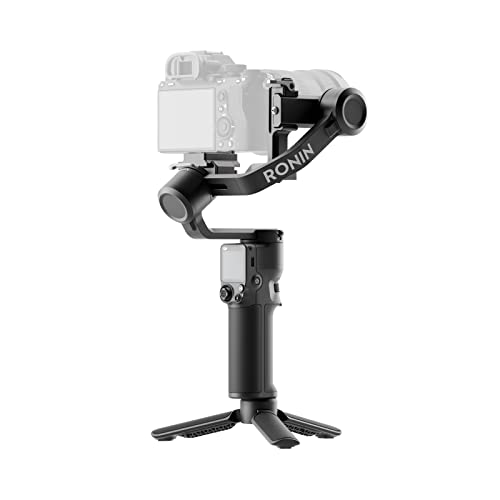
8 Best 3-Axis Gimbals for Mirrorless Cameras in 2026 — Smooth, Portable Stabilization for Run-and-Gun Creators
If your mirrorless footage still looks shaky when you walk, pan, or shoot handheld for long stretches, a good 3-axis gimbal can completely change your workflow. The best 3-axis gimbals for mirrorless cameras balance payload, portability, battery-friendly ergonomics, and easy vertical shooting for mo
Best Cinema Drones for Every Budget in 2026: Ranked by Price & Performance
If you’re shopping for the best cinema drones for film production in the premium tier, the real challenge is finding the sweet spot between smooth footage, reliable flight, and a setup that won’t overcomplicate production days. Some buyers need the most affordable way to get stabilized aerial shots,

8 Best On-Camera Shotgun Microphones for Interviews in 2026 — Clearer Voice, Less Background Noise
If your interview audio sounds distant, echoey, or full of room noise, the right on-camera shotgun mic can make a huge difference. This guide to the best on-camera shotgun microphones for interviews focuses on directional mics that help isolate speech, reduce handling noise, and mount easily on came