


Who this is for: Best for commercial and hybrid creators who need medium-format detail, pro video tools, and advanced workflow support.
Check PriceKey Specifications
| Specification | Details |
|---|---|
| Sensor | 102MP medium format sensor, 55mm diagonal (43.8mm x 32.9mm) |
| Processor | X-Processor 5 |
| Still Shooting Speed | Up to 8fps with mechanical shutter |
| Video | 4K/60p full width; up to 8K/30p via HDMI output workflows |
| Recording Formats | 10-bit 4:2:2 Apple ProRes; 12-bit ProRes RAW or Blackmagic RAW via HDMI |
| Stabilization | IBIS rated up to 8 stops |
| Viewfinder | 9.44M-dot EVF with 120fps live view |
| Connectivity | Wi-Fi, Ethernet LAN, Frame.io Camera to Cloud support |
| Special Features | Object priority AF, waveform/vector scopes, direct-to-SSD recording, ACES support, film simulations including REALA ACE |
Design & Build Quality

The Fujifilm GFX100 II is built like a serious professional tool, but it is notably more ambitious than a traditional “studio-only” medium-format body. Research from published specs and owner feedback points to a camera that balances a large sensor system with better handling, faster responsiveness, and modern workflow features that matter on real assignments.
Related Reviews
Its body design is clearly aimed at working photographers and hybrid creators who need a medium-format system that can travel between stills and motion work. The large EVF, robust control layout, and pro connectivity options make it feel less like a niche specialty camera and more like a flagship production tool.
What stands out in the build
- Large-format body designed for professional stills and video workflows
- 9.44M-dot EVF with 120fps live view for a clear, responsive shooting experience
- In-body image stabilization rated up to 8 stops
- Frame.io Camera to Cloud integration and Ethernet support for modern production teams
✓ Pros
- Excellent large-format handling for a 102MP medium-format camera
- High-resolution EVF with very smooth 120fps live view
- Strong stabilization for handheld shooting with a big sensor
- Pro-level connectivity for studio and team-based workflows
✗ Cons
- Still larger and heavier than full-frame mirrorless alternatives
- Medium-format systems generally demand more from lenses and support gear
- Not the easiest choice for casual or highly portable everyday use
Performance & Features


On paper, the GFX100 II is one of the most capable hybrid medium-format cameras available. The combination of a 102MP sensor and X-Processor 5 is designed to deliver both very high detail and much faster responsiveness than earlier generations. That matters because medium format has historically prioritized image quality over speed, but this model pushes much closer to all-around flagship performance.
For still photography, the ability to shoot 102MP images at up to 8fps with the mechanical shutter is a major step forward. Owners and reviewers consistently highlight that Fujifilm has made autofocus tracking more usable for moving subjects, which broadens the camera’s appeal beyond static landscapes and studio portraits.
For video, the feature set is unusually deep. Internal 10-bit 4:2:2 Apple ProRes recording, HDMI output options for 12-bit ProRes RAW or Blackmagic RAW, and full-width 4K/60p capture make this camera far more than a stills-first body with basic video tacked on. The inclusion of waveform and vector scope monitoring, direct-to-SSD recording, and timecode synchronization also shows that Fujifilm is aiming at serious production use.
Key performance highlights
- 102MP resolution with improved autofocus algorithms for better subject tracking
- Up to 8fps mechanical-shutter shooting
- Full-width 4K/60p video and advanced external recording options
- Film simulation modes, including REALA ACE, for in-camera color character
- Frame.io Camera to Cloud support for faster collaboration
✓ Pros
- Outstanding resolution for commercial, portrait, and fine-art work
- Faster autofocus and burst shooting than many expect from medium format
- Serious video tools, including ProRes and RAW output support
- Excellent stabilization and responsive EVF for handheld work
- Strong workflow features for production teams
✗ Cons
- Video features are advanced, but the system is still specialized and expensive to build around
- Not the best fit if your work is mostly fast action or ultra-light travel
- Some buyers may find the feature depth overkill if they only need stills
Value for Money
The GFX100 II is not a value pick in the casual sense, but it can still make sense for the right buyer. In the medium-format category, value is less about bargain pricing and more about whether the camera replaces multiple tools or delivers a clear creative advantage. Based on specs and owner sentiment, this model stands out because it brings together very high resolution, improved speed, and genuine cinema-oriented features in one body.
If you are comparing it against other medium-format options, the GFX100 II’s value comes from its versatility. It is not just a high-megapixel stills machine; it also supports advanced video workflows, cloud collaboration, and modern autofocus behavior. That combination can justify the investment for professionals who actually need those capabilities.
However, if your work does not require medium-format rendering, the cost of entry can be hard to defend. Full-frame cameras will often be lighter, cheaper to system-build, and easier to use for general-purpose shooting. In that sense, the GFX100 II is best viewed as a specialist investment rather than an all-purpose purchase.
✓ Pros
- Combines medium-format quality with unusually strong hybrid features
- Can serve both stills and motion professionals
- Long-term value is strong for commercial and fine-art work
✗ Cons
- High system cost compared with full-frame alternatives
- Overkill for hobbyists or general content creators
- Best value depends heavily on whether you truly need medium format
Who Should Buy This
The Fujifilm GFX100 II is best for photographers and filmmakers who need exceptional detail, rich tonal rendering, and a camera that can handle both stills and serious video work. It is especially appealing to commercial photographers, portrait specialists, landscape shooters, and hybrid creators who want a medium-format body with more speed and flexibility than older systems offered.
You should also consider it if you work in a collaborative production environment. Features like Frame.io Camera to Cloud, Ethernet connectivity, direct-to-SSD recording, and advanced monitoring tools make it a practical choice for teams that need files moving quickly through a workflow.
Best fit if you need:
- 102MP image quality for large prints or high-end client work
- A medium-format camera that is faster and more versatile than older models
- Advanced video and production workflow support
- Fujifilm color science and film simulation options
Who Should Look Elsewhere
If you mainly shoot casual travel, family moments, sports, or lightweight everyday content, the GFX100 II is probably more camera than you need. The body and lens ecosystem are built for serious work, and the system makes the most sense when image quality and workflow capabilities are top priorities.
You should also look elsewhere if you want the smallest possible setup or the easiest path into interchangeable-lens photography. A full-frame mirrorless camera will usually be simpler, cheaper, and more portable for general use.
Look elsewhere if you want:
- A compact, lightweight camera for daily carry
- A lower-cost system with less commitment
- A camera focused primarily on fast action over resolution
- A simpler setup without advanced video workflow tools
Final Verdict
The Fujifilm GFX100 II is one of the most compelling medium-format cameras on the market for buyers who need both elite still-image quality and serious hybrid video capability. Based on specs, published reviews, and owner feedback, it stands out as a true professional tool rather than a niche luxury body.
Buy it if you are a commercial photographer, portrait specialist, fine-art creator, or hybrid shooter who will actually use the 102MP sensor, advanced autofocus, and pro video features. Skip it if you want a smaller, simpler, or more budget-friendly camera for general photography.
Frequently Asked Questions
Is the Fujifilm GFX100 II good for professional work?
Yes. Research-based comparisons and owner feedback suggest it is especially strong for commercial, portrait, landscape, and hybrid production work thanks to its 102MP sensor, improved autofocus, and advanced video tools.
Can the GFX100 II shoot video seriously?
Yes. It supports full-width 4K/60p, internal 10-bit 4:2:2 Apple ProRes, and external RAW options, plus monitoring and workflow tools that make it suitable for professional video production.
Is the Fujifilm GFX100 II too big for everyday use?
For many users, yes. While it is more versatile than older medium-format bodies, it is still a large system compared with full-frame mirrorless cameras and is best suited to deliberate, professional shooting.
What kind of photographer benefits most from 102MP?
Photographers who need extreme detail, large print output, or heavy cropping flexibility benefit most. That includes commercial, portrait, product, and fine-art shooters.
Is the GFX100 II worth it for non-professionals?
Usually only if you deeply value medium-format image quality and plan to use the camera often. For casual users, a full-frame camera is typically a more practical choice.
Pros
- + 102MP medium-format image quality
- + Strong autofocus and 8fps burst speed
- + Serious 4K/60p and ProRes video support
- + Excellent IBIS and high-res EVF
- + Pro workflow tools like Frame.io and Ethernet
Cons
- – Large and heavy compared with full-frame cameras
- – High system cost for most buyers
- – Overkill for casual or travel use
Frequently asked questions
- Is the Fujifilm GFX100 II good for professional work?
- Yes. Research-based comparisons and owner feedback suggest it is especially strong for commercial, portrait, landscape, and hybrid production work thanks to its 102MP sensor, improved autofocus, and advanced video tools.
- Can the GFX100 II shoot video seriously?
- Yes. It supports full-width 4K/60p, internal 10-bit 4:2:2 Apple ProRes, and external RAW options, plus monitoring and workflow tools that make it suitable for professional video production.
- Is the Fujifilm GFX100 II too big for everyday use?
- For many users, yes. While it is more versatile than older medium-format bodies, it is still a large system compared with full-frame mirrorless cameras and is best suited to deliberate, professional shooting.
- What kind of photographer benefits most from 102MP?
- Photographers who need extreme detail, large print output, or heavy cropping flexibility benefit most. That includes commercial, portrait, product, and fine-art shooters.
- Is the GFX100 II worth it for non-professionals?
- Usually only if you deeply value medium-format image quality and plan to use the camera often. For casual users, a full-frame camera is typically a more practical choice.
Score breakdown
- value
- 8.2
- usability
- 8.8
- durability
- 9.0
- performance
- 9.5
- buyerFeedback
- 9.1
Get the Full Tech Buyer's Guide
Join our free newsletter — we'll send our latest Tech picks, specs and verdicts straight to your inbox.
Free. No spam. Unsubscribe anytime.
Was this review helpful?
Be the first to share your feedback on this review.
Sign in to vote and let us know what you think.
Discussion (0)
No comments yet. Be the first to start the discussion.
Related Reviews

Sigma fp2 Review (2026): Specs, Pros & Cons, and Who It's For
The Sigma fp2 continues the brand’s minimalist, boxy design philosophy, and that’s a major part of its appeal. Research across published commentary suggests this is a camera built for users who want a compact body they can rig out, rather than a traditional all-in-one mirrorless experience.
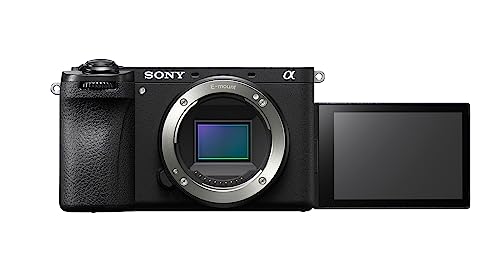
Sony Alpha a6700 Worth It Review (2026): Specs, Pros & Cons, and Who It's For
The Sony Alpha a6700 is widely positioned as a serious APS-C hybrid body rather than an entry-level hobby camera, and that shows in the way Sony packed advanced autofocus and video features into a relatively compact shell. For buyers comparing it to older APS-C bodies, the appeal is clear: you get a

GoPro HERO12 Black vs DJI Action 4 (2026): Which Should You Actually Buy?
The GoPro HERO12 Black sticks to the familiar GoPro formula: compact, rugged, and easy to mount with the brand’s long-established accessory ecosystem. That’s a big plus if you already own GoPro mounts or like a proven layout.