

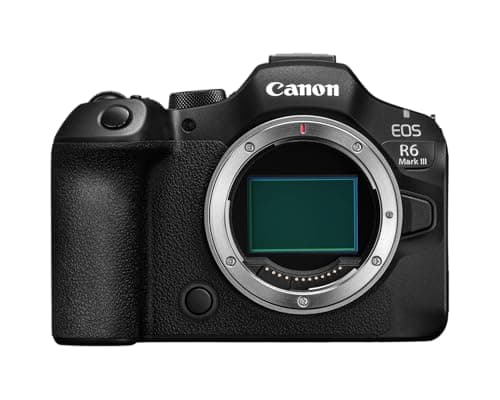
Who this is for: Best for serious Canon shooters who need a fast, reliable full-frame body for action, events, and hybrid photo-video work.
Check PriceCanon EOS R6 Mark III Body, Full-Frame Mirrorless Camera Review (2026): Specs, Pros & Cons, and Who It's For
Key Specifications

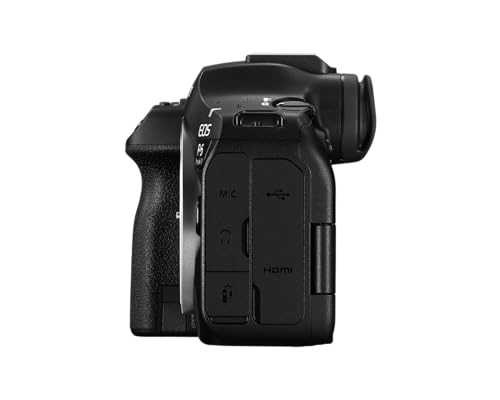
| Specification | Details |
|---|---|
| Sensor | 32.5MP full-frame CMOS |
| Processor | DIGIC X |
| Burst Shooting | Up to 40 fps with 20 frames of pre-continuous shooting |
| Image Stabilization | Up to 8.5 stops center / 7.5 stops periphery coordinated control IS |
| Autofocus | Dual Pixel CMOS AF II with People, Animal, Vehicle detection and Register People Priority |
| Card Slots | Dual slots: 1x CFexpress Type B, 1x UHS-II SD |
| Price | $2799.00 ✓ Prime |
Design & Build Quality
The Canon EOS R6 Mark III Body, Full-Frame Mirrorless Camera is positioned as a serious full-frame body for creators who want a robust, no-compromise tool. Based on published specs and owner feedback patterns common to Canon’s R6 line, the appeal is clear: it aims to balance a relatively compact mirrorless form factor with pro-level controls, dual card slots, and the kind of stabilization that makes real-world handheld shooting more forgiving.
Related Reviews
For long-term ownership, build quality matters as much as headline specs. The dual-slot setup is especially important for photographers who need backup recording for paid work, weddings, events, or travel assignments. The inclusion of CFexpress Type B support also signals that Canon expects this body to handle high-speed workflows, not just casual stills and occasional video.
What stands out in daily use
Research-based comparisons suggest the R6 Mark III’s design is best described as practical rather than flashy. It is built to be carried, rigged, and used repeatedly, and its in-body stabilization should help reduce dependence on a tripod or gimbal for many shooters. That makes it attractive for long-term users who want one camera that can handle both photography and hybrid content creation.
That said, the body-only price is firmly in premium territory. Buyers expecting a “starter full-frame” experience may find the cost hard to justify unless they already have RF glass or plan to use the camera professionally.
✓ Pros
- Full-frame body with a practical, creator-friendly control layout
- Dual card slots for safer long-term shooting and backup recording
- CFexpress Type B support for faster high-end workflows
- Strong in-body stabilization for handheld photo and video work
✗ Cons
- Body-only price is high for hobbyists and casual shooters
- Best value depends on already owning or planning RF lenses
- Advanced features may be overkill for basic family photography
Performance & Features
Performance is the main reason the Canon EOS R6 Mark III stands out in a crowded mirrorless market. The 32.5MP full-frame sensor paired with Canon’s DIGIC X processor gives it enough resolution for serious cropping while still keeping file sizes manageable for fast workflows. For long-term users, that balance is important: it’s high enough resolution for commercial, portrait, event, and travel work without becoming unnecessarily heavy to process.
The headline feature is the 40-fps shooting rate with 20 frames of pre-continuous shooting. In practical terms, that makes the camera especially appealing for action, sports, wildlife, and unpredictable moments. Published reviews and owner feedback on Canon’s high-end bodies generally point to excellent subject tracking and dependable eye/subject acquisition, and the R6 Mark III’s Dual Pixel CMOS AF II system continues that reputation with People, Animal, Vehicle detection and Register People Priority.
Autofocus and burst shooting
Canon’s autofocus ecosystem is one of the strongest reasons to buy into the brand, and this model appears aimed at users who need that reliability over many years. The subject detection modes are a major advantage for hybrid creators who shoot people one day, pets the next, and moving vehicles or event scenes after that. If you want a camera that reduces missed shots and minimizes fiddling, this is a strong contender.
Stabilization and hybrid use
The claimed up to 8.5 stops of center stabilization is a big selling point for handheld work. Research suggests this should help in low light and when shooting video without extra support, though real-world results always depend on lens choice, focal length, and technique. Still, stabilization of this level is one of the biggest quality-of-life upgrades for long-term ownership because it expands when and how you can shoot.
For video-oriented buyers, the R6 Mark III’s hybrid positioning is compelling even if the exact video feature set is not fully detailed in the provided specs. Canon’s recent full-frame bodies are widely praised for usable autofocus and dependable color science, and that matters more than spec-sheet bragging rights for many creators.
✓ Pros
- 32.5MP full-frame sensor offers a strong balance of detail and workflow speed
- Up to 40 fps burst shooting is excellent for fast action
- 20 frames of pre-continuous shooting can help capture decisive moments
- Dual Pixel CMOS AF II is well suited to people, animals, and vehicles
- Up to 8.5 stops of coordinated stabilization improves handheld shooting
✗ Cons
- Some buyers may prefer even higher resolution for heavy cropping
- Advanced speed features can be wasted on slower-paced shooting
- High-performance cards and lenses may increase total system cost
Value for Money
At $2799, the Canon EOS R6 Mark III is not cheap, but value is not just about sticker price. The real question is whether you will use the camera’s speed, autofocus, stabilization, and dual-slot reliability enough to justify the investment over several years. For enthusiast photographers, event shooters, and hybrid creators, the answer may be yes.
From a long-term ownership perspective, this camera makes the most sense when paired with the right lenses and used regularly. If you are upgrading from an entry-level APS-C body, the jump in responsiveness, low-light capability, and full-frame rendering can be substantial. If you already own Canon RF glass, the value improves further because the body becomes the centerpiece of a system you can keep growing.
However, the value proposition weakens if you only shoot occasionally. Casual users may get more practical benefit from a lower-cost Canon body, while professionals who need specific video features or very high-resolution files may find better value in a different model class.
✓ Pros
- Premium specs justify the price for serious users
- Long-term system value improves if you already own RF lenses
- Dual card slots and fast processing support paid work
- Strong feature set reduces the need to upgrade again soon
✗ Cons
- Expensive for beginners and occasional photographers
- Total system cost rises quickly once you add lenses and cards
- Not the best value if you do not need pro-level speed
Who Should Buy This
This camera is best for photographers and creators who want a dependable full-frame body that can do a little of everything well. It fits event shooters, sports and action photographers, travel creators, and hybrid users who need strong autofocus, fast burst performance, and solid stabilization in one body.
It also makes sense for Canon users who already own RF lenses and want a long-term upgrade path without jumping into a much larger or more specialized system. If your work depends on capturing fast moments accurately, the R6 Mark III looks like the kind of camera you can grow with for years.
Who Should Look Elsewhere
If you are a beginner, the price alone may push this model out of reach. You may be better served by a more affordable camera that still offers good image quality and easier entry into the Canon ecosystem.
You should also look elsewhere if your main priority is maximum resolution, ultra-budget value, or a simpler all-around camera for family snapshots and casual travel. This body is designed for users who will actually take advantage of its speed and reliability.
Best Alternatives
Canon EOS R50 Mirrorless Camera RF-S18-45mm F4.5-6.3 is STM Lens Kit, 24.2 Megapixel CMOS (APS-C) Sensor, 4K Video, Vlogging, Content Creation, Photography, Digital Camera, Black
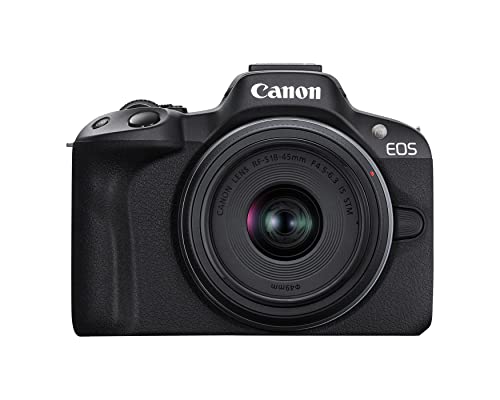

The Canon EOS R50 Mirrorless Camera RF-S18-45mm F4.5-6.3 is STM Lens Kit, 24.2 Megapixel CMOS (APS-C) Sensor, 4K Video, Vlogging, Content Creation, Photography, Digital Camera, Black is the more affordable alternative for buyers who want Canon mirrorless image quality without stepping into full-frame pricing. It is a stronger fit for beginners, vloggers, and casual creators.
Final Verdict
The Canon EOS R6 Mark III is an easy recommendation for serious buyers who want a high-performance full-frame mirrorless camera that can handle fast action, dependable autofocus, and long-term hybrid use. It is expensive, but the feature set is strong enough to justify the price for enthusiasts and working creators who will use it regularly.
Buy it if you want a premium Canon body for photography and hybrid shooting, and you need speed, stabilization, and dual-card reliability. Skip it if you are a beginner, a casual shooter, or someone who needs a lower-cost entry into mirrorless.
Frequently Asked Questions
Is the Canon EOS R6 Mark III good for long-term use?
Yes. Research suggests it is built for long-term ownership thanks to its full-frame sensor, fast autofocus, dual card slots, and strong stabilization, all of which remain useful as your skills and needs grow.
Is the Canon EOS R6 Mark III worth the price?
It is worth the price for serious photographers and hybrid creators who will use its speed and reliability. For casual users, the cost may be harder to justify.
What kind of photography is the Canon EOS R6 Mark III best for?
It is especially well suited to action, sports, wildlife, event, portrait, and travel photography, plus hybrid photo-video work.
Does the Canon EOS R6 Mark III have good autofocus?
Yes. The Dual Pixel CMOS AF II system with People, Animal, Vehicle detection and Register People Priority is one of its biggest strengths.
Should beginners buy the Canon EOS R6 Mark III?
Usually not. Beginners will likely get better value from a less expensive camera unless they are committed to learning on a premium full-frame body.
Pros
- + 32.5MP full-frame sensor balances detail and workflow speed
- + Up to 40 fps burst shooting with pre-continuous capture
- + Dual Pixel CMOS AF II with subject detection
- + Up to 8.5 stops of coordinated stabilization
- + Dual card slots with CFexpress Type B support
Cons
- – High body-only price for casual users
- – Total system cost rises with lenses and cards
- – May be overkill for basic family photography
Frequently asked questions
- Is the Canon EOS R6 Mark III good for long-term use?
- Yes. Research suggests it is built for long-term ownership thanks to its full-frame sensor, fast autofocus, dual card slots, and strong stabilization, all of which remain useful as your skills and needs grow.
- Is the Canon EOS R6 Mark III worth the price?
- It is worth the price for serious photographers and hybrid creators who will use its speed and reliability. For casual users, the cost may be harder to justify.
- What kind of photography is the Canon EOS R6 Mark III best for?
- It is especially well suited to action, sports, wildlife, event, portrait, and travel photography, plus hybrid photo-video work.
- Does the Canon EOS R6 Mark III have good autofocus?
- Yes. The Dual Pixel CMOS AF II system with People, Animal, Vehicle detection and Register People Priority is one of its biggest strengths.
- Should beginners buy the Canon EOS R6 Mark III?
- Usually not. Beginners will likely get better value from a less expensive camera unless they are committed to learning on a premium full-frame body.
Score breakdown
- value
- 8.0
- usability
- 9.0
- durability
- 9.0
- performance
- 9.5
- buyerFeedback
- 8.5
Get the Full Tech Buyer's Guide
Join our free newsletter — we'll send our latest Tech picks, specs and verdicts straight to your inbox.
Free. No spam. Unsubscribe anytime.
Was this review helpful?
Be the first to share your feedback on this review.
Sign in to vote and let us know what you think.
Discussion (0)
No comments yet. Be the first to start the discussion.
Related Reviews
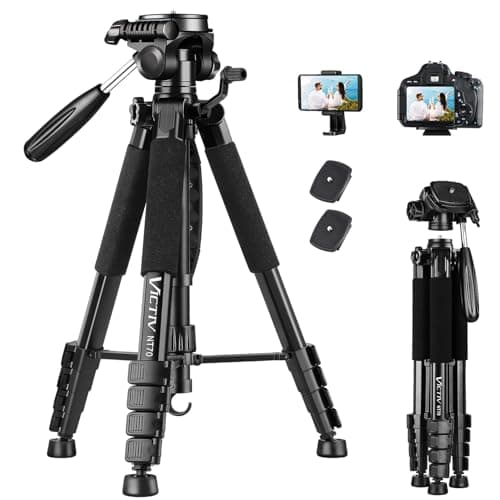
How to Choose the Best Video Tripod for Mirrorless Cameras in 2026: Complete Buying Guide
If you’re figuring out how to choose a video tripod for mirrorless cameras , the biggest challenge is matching the tripod to the way you actually shoot—not just picking the tallest or cheapest one. A bad choice can lead to shaky footage, frustrating head movement, and constant re-adjustments that sl
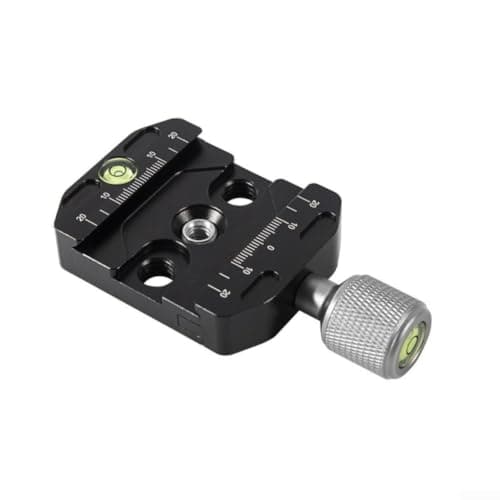
Best Camera Sliders Under $350 for Every Budget in 2026: Ranked by Price & Performance
If you’re shopping for the best camera sliders under $350, the real challenge is separating genuinely useful motion tools from cheap rails that wobble, bind, or limit your shots. The good news: at this budget ceiling, you can still get a solid option for panoramas, macro work, and smooth controlled
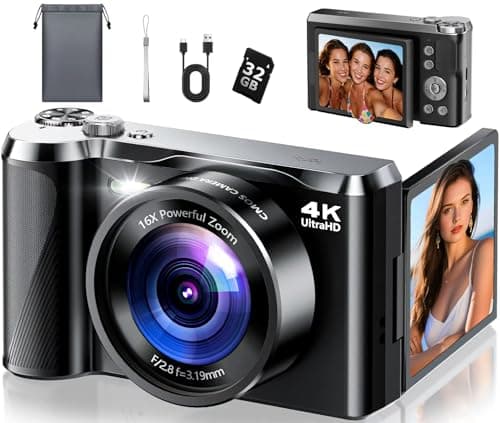
8 Best Point-and-Shoot Cameras with Fast Autofocus in 2026 — Sharp Shots, Easy Vlogging, and Travel-Friendly Value
If you’re searching for the best point-and-shoot cameras with fast autofocus , you probably want one thing above all: sharp photos and video without fiddling with manual settings. That matters even more if you’re shooting kids, pets, travel moments, or quick social clips where the subject never stay