


Who this is for: Best for beginners who want a simple explanation of how sensor size affects image quality and camera buying decisions.
Check PriceWhat is Camera Sensor Sizes Explained 2026? A Complete 2026 Guide
If you’ve been trying to understand camera sensor sizes explained 2026, you’re probably running into confusing terms like full-frame, APS-C, Micro Four Thirds, and 1-inch sensors. The short version is that sensor size affects how much light a camera can capture, which influences image quality, low-light performance, depth of field, and field of view. This guide breaks the topic down in plain English so you can understand what sensor size really means and how to choose the right one for your needs.
Related Reviews
How It Works
A camera sensor is the digital component that captures light and turns it into an image. Think of it like the camera’s “film,” except instead of chemically recording light, it uses tiny light-sensitive photosites to convert light into electrical signals that become your photo or video.
Sensor size matters because a larger sensor generally has more surface area to collect light. More light collection can improve image quality, especially in dim scenes, and can also help create a shallower depth of field for more background blur. Smaller sensors can still produce excellent results, but they usually rely more on software processing, lens choice, and good lighting to compete.
In practical terms, sensor size affects three big things:
- Light gathering: Bigger sensors usually perform better in low light.
- Field of view: The same lens framing changes depending on sensor size.
- Depth of field: Larger sensors tend to make it easier to blur backgrounds.
That’s why two cameras with similar megapixel counts can produce very different results. Megapixels tell you resolution, but sensor size helps determine how that resolution behaves in real-world shooting.
Key Benefits & Use Cases
Understanding sensor size helps you buy a camera that fits your actual needs instead of chasing specs that sound impressive on paper. For example, a travel creator may prioritize a smaller, lighter camera, while a portrait shooter may want the subject separation that a larger sensor can provide.
Where sensor size matters most
- Low-light photography: Larger sensors usually handle indoor scenes and night shots better.
- Portraits: Bigger sensors often make it easier to isolate your subject.
- Travel and casual use: Smaller sensors often mean smaller cameras and lenses.
- Video: Sensor size affects crop, depth of field, and sometimes rolling shutter behavior.
- Security and smart home cameras: Smaller sensors can still work well when the goal is monitoring rather than artistic image quality.
For buyers, the biggest benefit is simple: you can match the camera to the job. A huge sensor is not automatically “better” if you need portability, budget control, or all-day convenience.
What to Look For When Buying
If you’re shopping for a camera and trying to understand sensor size, focus on these five criteria:
1. Sensor size class
Look for the sensor category first, such as full-frame, APS-C, Micro Four Thirds, 1-inch, or smaller. This is the foundation for how the camera will behave in light, framing, and background blur.
2. Low-light performance
Don’t judge by sensor size alone. Review real-world low-light samples, noise handling, and whether the camera uses strong image processing to clean up darker scenes.
3. Lens compatibility
Sensor size works together with lens options. A camera with a great sensor but weak lens selection may be less practical than a smaller-sensor system with better lens choices.
4. Portability
Larger sensors often mean larger bodies and lenses. If you travel often or want something easy to carry, the size and weight of the whole system matter as much as the sensor itself.
5. Your actual use case
Choose based on what you shoot most: portraits, landscapes, video, family memories, content creation, or home monitoring. The “best” sensor size is the one that fits your workflow, not the one with the biggest marketing buzz.
Top Recommended Products
Below are a few product examples from the current list. These are not interchangeable with traditional interchangeable-lens cameras, but they can still help illustrate how sensor-related features show up in real consumer devices, especially for home monitoring and basic image capture.
Pyzzia Wi-Fi Camera 1080P HD Smart Home Cameras Mini Cameras Cam with Motion Sensor Night Vision App Control Cellphone Control No Battery No Need Wi-Fi


This compact camera is a good example of how smaller-sensor devices often prioritize practicality over advanced imaging. Based on the listed features, it focuses on 1080p recording, motion detection, night vision, and app-based viewing rather than premium photo performance.
- ✓ 1080P video with a 110° lens for wide-area coverage
- ✓ Motion detection with manual sensitivity adjustment
- ✓ Night vision support for low-light monitoring
- ✓ Phone-based remote viewing through the app
- ✓ Loop recording support for continuous use
- ✗ No sound recording function according to the listing
- ✗ Requires 2.4GHz Wi-Fi for setup and remote viewing
- ✗ More of a monitoring camera than a serious imaging tool
- ✗ Limited appeal if you want advanced sensor performance
Common Mistakes to Avoid
People often misunderstand sensor size because the topic gets mixed up with resolution, zoom, and lens quality. Avoid these common mistakes:
- Assuming more megapixels means a better camera: Sensor size and pixel quality matter just as much.
- Ignoring lens quality: A great sensor can still look mediocre behind a weak lens.
- Comparing cameras without crop factor: The same lens behaves differently on different sensor sizes.
- Choosing size over use case: Bigger is not always better if you need portability or affordability.
- Overlooking processing and software: Modern image processing can dramatically improve results from smaller sensors.
If you remember one thing, make it this: sensor size is important, but it’s only one part of the image-quality equation.
Frequently Asked Questions
What does camera sensor size actually mean?
It refers to the physical dimensions of the light-capturing chip inside the camera. Larger sensors usually collect more light and can improve image quality in many situations.
Is a bigger sensor always better?
Not always. Bigger sensors can offer better low-light performance and background blur, but smaller sensors are often cheaper, lighter, and more practical for everyday use.
Does sensor size affect image quality?
Yes. Sensor size can affect noise, dynamic range, low-light performance, and depth of field, though lens quality and processing also play major roles.
Why do smaller sensors still exist?
They help make cameras smaller, more affordable, and more power-efficient. For many users, that tradeoff is worth it.
How should beginners think about sensor size in 2026?
Start with your use case. If you want portability and simplicity, smaller sensors may be enough; if you want stronger low-light performance and more creative control, a larger sensor may be worth it.
Pros
- + Larger sensors usually improve low-light performance
- + Sensor size affects depth of field and field of view
- + Smaller sensors can mean lighter, cheaper cameras
- + Modern processing helps smaller sensors perform better
- + Useful for matching camera choice to real needs
Cons
- – Bigger sensors are not always better
- – Lens quality still matters a lot
- – Sensor size can be confusing for beginners
- – Megapixels alone do not tell the full story
Frequently asked questions
- What does camera sensor size actually mean?
- It refers to the physical dimensions of the light-capturing chip inside the camera. Larger sensors usually collect more light and can improve image quality in many situations.
- Is a bigger sensor always better?
- Not always. Bigger sensors can offer better low-light performance and background blur, but smaller sensors are often cheaper, lighter, and more practical for everyday use.
- Does sensor size affect image quality?
- Yes. Sensor size can affect noise, dynamic range, low-light performance, and depth of field, though lens quality and processing also play major roles.
- Why do smaller sensors still exist?
- They help make cameras smaller, more affordable, and more power-efficient. For many users, that tradeoff is worth it.
- How should beginners think about sensor size in 2026?
- Start with your use case. If you want portability and simplicity, smaller sensors may be enough; if you want stronger low-light performance and more creative control, a larger sensor may be worth it.
Get the Full Tech Buyer's Guide
Join our free newsletter — we'll send our latest Tech picks, specs and verdicts straight to your inbox.
Free. No spam. Unsubscribe anytime.
Was this review helpful?
Be the first to share your feedback on this review.
Sign in to vote and let us know what you think.
Discussion (0)
No comments yet. Be the first to start the discussion.
Related Reviews

8 Best Professional Camera Drones With 20+ Minute Flight Time in 2026 — Longer Air Time for Smarter Shoots
If you’re shopping for the best professional camera drones with 20+ minute flight time, you probably want more than just a toy in the sky—you want stable footage, dependable control, and enough battery to finish the shot. The challenge is that many drones promise “pro” features but fall short on cam

GoPro HERO12 Black vs Insta360 X4 (2026): Which Should You Actually Buy?
If you’re stuck choosing between a traditional action camera and a 360 camera, the real problem is simple: you want the best footage without guessing wrong on the camera style. The GoPro HERO12 Black and Insta360 X4 Air solve that problem in very different ways. This comparison breaks down which one
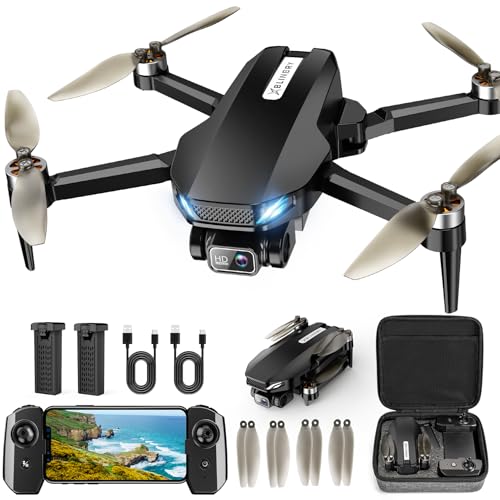
4 Best Long-Range FPV Drones for Aerial Videography in 2026 — Better Signal, Smoother Footage, Longer Flights
If you’re shopping for the best long-range FPV drones for aerial videography, you probably want more than just distance—you want stable video, smart return-to-home safety, and footage that looks clean enough to publish. The picks below focus on drones that combine FPV transmission, camera stabilizat