

What is How to Clean Vinyl Records? A Complete 2026 Guide
Knowing how to clean vinyl records is one of the simplest ways to protect your collection, reduce surface noise, and keep your favorite albums sounding clear. Dust, fingerprints, and static can build up fast, especially if records are handled often or stored in less-than-ideal conditions. With the right cleaning approach, you can improve playback quality without damaging the grooves.
Related Reviews
How It Works
Vinyl records store music in tiny grooves, and even small amounts of dust or grime can interfere with the stylus as it traces those grooves. Cleaning works by removing loose particles from the surface and lifting embedded contaminants that can cause pops, crackles, and distortion. In some cases, cleaning also reduces static electricity, which helps prevent dust from sticking right back onto the record.
There are a few common cleaning methods. A dry brush is usually used first to remove surface dust before playback, while a wet cleaning solution can loosen oils, fingerprints, and deeper debris. For heavily used or older records, more thorough methods like record-cleaning machines or manual wet cleaning can provide a deeper clean and better long-term results.
Key Benefits & Use Cases
Learning how to clean vinyl records properly can make a noticeable difference in both sound and record longevity. Clean records typically produce less crackle, fewer pops, and more accurate playback, which is especially important for audiophiles and collectors.
It also helps preserve the condition of your stylus. When debris is left in the grooves, the needle has to track through it, which can increase wear on both the record and the cartridge over time. Regular cleaning is especially useful if you buy used records, play albums frequently, or store records in dusty environments.
Common use cases include routine pre-playback dust removal, restoring secondhand records, and maintaining a growing collection. If you listen often, a simple cleaning routine can protect your investment and keep your system performing at its best.
What to Look For When Buying
If you’re choosing tools or supplies to support record care, these five criteria matter most:
1. Record Safety
Look for products designed specifically for vinyl. Harsh chemicals, abrasive cloths, or overly aggressive brushes can scratch the surface or leave residue behind.
2. Cleaning Method
Decide whether you need a dry brush, a wet-cleaning system, or a deeper-cleaning setup. Casual listeners may only need basic dust removal, while collectors often benefit from a more thorough approach.
3. Static Reduction
Static can attract dust immediately after cleaning, so anti-static properties are a major plus. A good cleaning routine should help records stay cleaner longer.
4. Ease of Use
The best tools are easy to use consistently. If a cleaning method is too complicated, you’re less likely to do it regularly, which reduces its benefits.
5. Drying and Residue Control
Any wet cleaning approach should dry cleanly and leave no film behind. Residue can affect playback and may attract even more dust.
Common Mistakes to Avoid
One of the biggest mistakes is using household cleaners that are not meant for vinyl. Many sprays, soaps, and solvents can damage the record surface or leave a sticky residue in the grooves.
Another common error is wiping records with rough paper towels or dirty cloths. These can scratch the vinyl or push debris deeper into the grooves instead of lifting it away. It’s also a mistake to clean records too aggressively, since too much pressure can do more harm than good.
Don’t forget the inner sleeve and storage environment either. If you clean a record and put it back into a dusty, worn, or contaminated sleeve, it can get dirty again quickly. Finally, avoid playing a record before it is fully dry after wet cleaning, since moisture can affect playback and attract residue.
Frequently Asked Questions
How often should you clean vinyl records?
Light dusting before playback is a good habit, while deeper cleaning can be done as needed. Records that are played often or bought used may need more frequent care.
Can you clean vinyl records with water?
Yes, but plain water is not always enough for oily residue or embedded dirt. Many people use distilled water with a vinyl-safe cleaning solution for better results.
What should you never use to clean vinyl records?
Avoid harsh household cleaners, abrasive materials, and anything that could scratch the grooves. Products with strong solvents or unknown ingredients are especially risky.
Do vinyl record cleaning kits work?
Yes, good cleaning kits can help remove dust, fingerprints, and grime more effectively than dry brushing alone. The best choice depends on how dirty your records are and how often you play them.
Is it safe to clean records before every play?
Yes, a gentle dusting before each play is generally safe and often helpful. Just make sure the method is non-abrasive and appropriate for vinyl.
Get the Full Tech Buyer's Guide
Join our free newsletter — we'll send our latest Tech picks, specs and verdicts straight to your inbox.
Free. No spam. Unsubscribe anytime.
Was this review helpful?
Be the first to share your feedback on this review.
Sign in to vote and let us know what you think.
Discussion (0)
No comments yet. Be the first to start the discussion.
Related Reviews
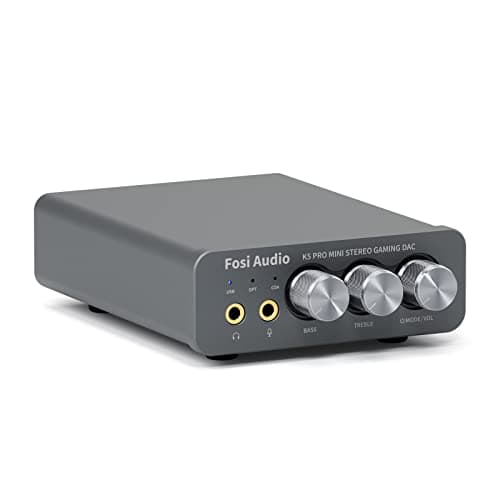
7 Best DACs for Headphones in 2026 — Cleaner Sound, Better Power, and Easier Desktop Listening
If your headphones sound flat, quiet, or harsh from a laptop, controller, or motherboard jack, a good DAC can make a huge difference. The best DACs for headphones don’t just improve clarity — they also give you better volume control, stronger amplification, and the right inputs for PC, console, or m
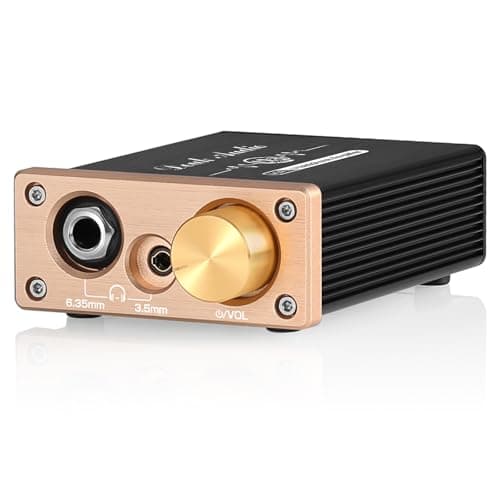
8 Best Headphone Amps in 2026 — Cleaner Sound, More Power, and Better Desktop Audio
If your headphones sound thin, quiet, or underpowered from a phone, laptop, or console, a good headphone amp can make an immediate difference. The best headphone amps 2026 picks below were chosen for their power, connectivity, portability, and real-world owner feedback across audiophile, gaming, des
What is Bluetooth 5.3 vs 5.4 explained? A Complete 2026 Guide
If you’re trying to understand Bluetooth 5.3 vs 5.4 explained , the confusing part is that both versions sound similar but can affect battery life, connection stability, and feature support in different ways. The good news is that the differences are easier to understand once you know what Bluetooth