

Who this is for: Best for audiophile-curious buyers who want to understand Bluetooth codec differences and choose the right gear for their devices.
Check PriceWhat is aptX vs LDAC vs AAC codec guide? A Complete 2026 Guide
If you’ve ever wondered why one pair of wireless headphones sounds better on your phone than another, the answer often comes down to the Bluetooth codec. This aptX vs LDAC vs AAC codec guide explains what each format does, why it matters, and how to choose the right one for your setup. By the end, you’ll know which codec is best for sound quality, compatibility, and everyday use.
Related Reviews
How It Works
Bluetooth audio has a bandwidth limit, so your phone or player cannot send raw, uncompressed music wirelessly. A codec is the compression system that shrinks the audio signal for transmission, then the receiving device decodes it back into sound.
aptX, LDAC, and AAC all do the same basic job, but they prioritize different things. LDAC is designed to push more data and can preserve more detail, aptX focuses on efficient wireless audio with low latency options in some versions, and AAC is widely used in the Apple ecosystem for consistent everyday performance.
The catch is that both your source device and your headphones or speaker must support the same codec to use it. If they don’t match, Bluetooth usually falls back to a more basic format like SBC.
Key Benefits & Use Cases
aptX
aptX is popular with Android users and people who want a strong balance of sound quality, stability, and latency. It’s often a good fit for video, gaming, commuting, and general listening when your devices support it.
LDAC
LDAC is the codec most often associated with hi-res wireless audio. It can be a strong choice for listeners who want the best possible Bluetooth fidelity and have compatible devices, especially in quieter listening environments where maximum detail matters.
AAC
AAC is especially common on iPhone, iPad, and Mac devices. It’s a practical everyday codec for Apple users because it tends to deliver reliable results without requiring special setup.
When each one makes sense
- Choose aptX if you want broad Android-friendly compatibility and solid all-around performance.
- Choose LDAC if your priority is the highest wireless bitrate and you have a compatible source and headphone.
- Choose AAC if you mainly use Apple devices and want a simple, dependable wireless experience.
What to Look For When Buying
1. Codec support on both devices
The most important factor is whether your phone, tablet, laptop, DAC, or transmitter and your headphones all support the same codec. A codec only matters if both ends can use it.
2. Your source device ecosystem
iPhone users should pay special attention to AAC support, while many Android users will care more about aptX or LDAC compatibility. The best codec is often the one your device actually uses consistently.
3. Latency needs
If you watch video or play games, lower latency can matter as much as sound quality. Some aptX variants are associated with better responsiveness, while LDAC is more often chosen for fidelity than for gaming.
4. Listening environment
In noisy environments like trains or offices, codec differences may be harder to notice. In quiet rooms with good headphones, higher-quality codecs can be easier to appreciate.
5. Upgrade flexibility
If you want to improve wireless audio without replacing all your headphones, a Bluetooth DAC/receiver can be a smart bridge. It lets you add codec support and better analog output to existing gear.
Top Recommended Products
FiiO BTR7 Headphone Amp Bluetooth Receiver High Resolution Portable DAC Supports MQA/LDAC/aptX HD 384K/32Bit DSD256 for Phone/PC/Car/Home Audio ✓ Prime $120.99
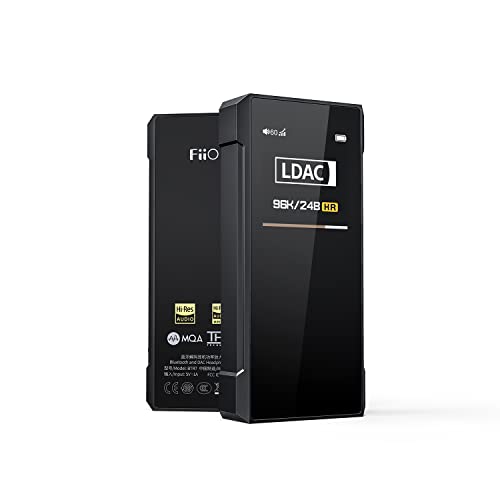


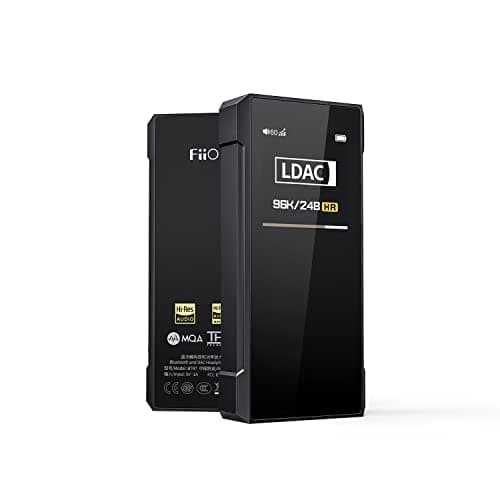
The FiiO BTR7 is a useful example of how codec support can be expanded with a portable Bluetooth DAC/amp. It supports LDAC, aptX Adaptive, aptX HD, aptX, AAC, and SBC, making it a strong option for listeners who want one device that can work across different phones and playback setups.
- ✓ Supports hi-res Bluetooth formats including LDAC and multiple aptX variants
- ✓ 3.5mm and 4.4mm outputs for flexible headphone compatibility
- ✓ USB DAC mode with PCM 384kHz and native DSD256 support
- ✓ Built-in mic support and cVc 8.0 for calls
- ✓ Balanced output can appeal to users who want a more detailed wired listening option
For readers comparing codecs, this kind of product is valuable because it reduces the chance that your source device becomes the bottleneck. If your phone supports LDAC or aptX but your headphones do not, a receiver like this can help bridge the gap in a practical way.
Common Mistakes to Avoid
- Assuming the codec alone determines sound quality. Headphone tuning, driver quality, and source mastering still matter a lot.
- Buying based on codec labels only. If your phone doesn’t support the codec, you won’t benefit from it.
- Ignoring Apple vs Android differences. AAC is often the more relevant choice for Apple users, while aptX and LDAC are more often discussed on Android.
- Expecting wireless to match wired perfectly. Even the best codec is still compressed Bluetooth audio.
- Overlooking latency. A codec that sounds good for music may not be the best for gaming or video calls.
Frequently Asked Questions
Is LDAC better than aptX?
LDAC is often considered better for maximum wireless sound quality because it can transmit more data, but real-world results depend on device support and connection stability.
Is AAC good for music?
Yes. AAC is a solid everyday codec, especially for Apple devices, and many listeners find it perfectly adequate for casual and even serious listening.
Does aptX work on iPhone?
No. iPhones generally use AAC for Bluetooth audio rather than aptX, so aptX is mainly relevant for compatible Android and other supported devices.
Why does my headphone codec keep changing?
Bluetooth devices may fall back to a different codec if the connection is unstable, the battery is low, or the source and headphones don’t fully agree on the best supported format.
What should I buy for the best wireless sound?
If you want the best wireless sound, look for a source device and headphones that both support LDAC or a high-quality aptX variant, and consider a portable Bluetooth DAC/amp if you want more flexibility.
Pros
- + Explains codec differences in plain language
- + Covers aptX, LDAC, and AAC use cases
- + Includes buying criteria for real-world matching
- + Highlights a flexible Bluetooth DAC/amp option
Cons
- – Wireless quality still depends on both devices
- – Codec labels can be confusing for beginners
- – Not every phone supports every codec
Frequently asked questions
- Is LDAC better than aptX?
- LDAC is often considered better for maximum wireless sound quality because it can transmit more data, but real-world results depend on device support and connection stability.
- Is AAC good for music?
- Yes. AAC is a solid everyday codec, especially for Apple devices, and many listeners find it perfectly adequate for casual and even serious listening.
- Does aptX work on iPhone?
- No. iPhones generally use AAC for Bluetooth audio rather than aptX, so aptX is mainly relevant for compatible Android and other supported devices.
- Why does my headphone codec keep changing?
- Bluetooth devices may fall back to a different codec if the connection is unstable, the battery is low, or the source and headphones don’t fully agree on the best supported format.
- What should I buy for the best wireless sound?
- If you want the best wireless sound, look for a source device and headphones that both support LDAC or a high-quality aptX variant, and consider a portable Bluetooth DAC/amp if you want more flexibility.
Score breakdown
- value
- 8.0
- usability
- 9.0
- durability
- 7.0
- performance
- 8.0
- buyerFeedback
- 8.0
Get the Full Tech Buyer's Guide
Join our free newsletter — we'll send our latest Tech picks, specs and verdicts straight to your inbox.
Free. No spam. Unsubscribe anytime.
Was this review helpful?
Be the first to share your feedback on this review.
Sign in to vote and let us know what you think.
Discussion (0)
No comments yet. Be the first to start the discussion.
Related Reviews
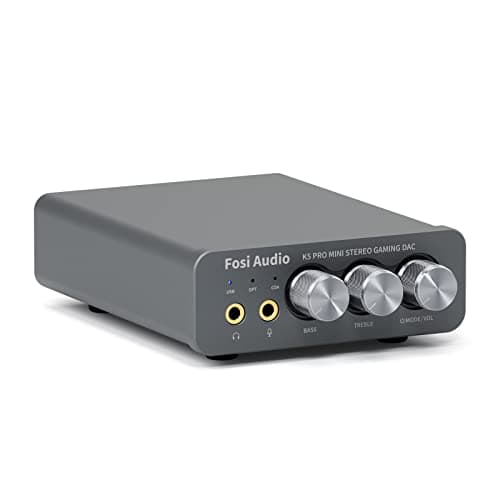
7 Best DACs for Headphones in 2026 — Cleaner Sound, Better Power, and Easier Desktop Listening
If your headphones sound flat, quiet, or harsh from a laptop, controller, or motherboard jack, a good DAC can make a huge difference. The best DACs for headphones don’t just improve clarity — they also give you better volume control, stronger amplification, and the right inputs for PC, console, or m
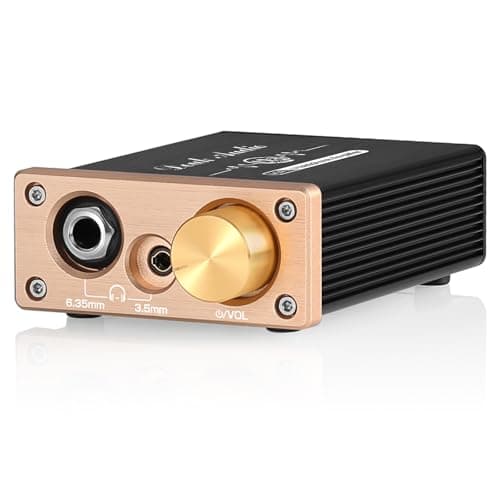
8 Best Headphone Amps in 2026 — Cleaner Sound, More Power, and Better Desktop Audio
If your headphones sound thin, quiet, or underpowered from a phone, laptop, or console, a good headphone amp can make an immediate difference. The best headphone amps 2026 picks below were chosen for their power, connectivity, portability, and real-world owner feedback across audiophile, gaming, des
What is Bluetooth 5.3 vs 5.4 explained? A Complete 2026 Guide
If you’re trying to understand Bluetooth 5.3 vs 5.4 explained , the confusing part is that both versions sound similar but can affect battery life, connection stability, and feature support in different ways. The good news is that the differences are easier to understand once you know what Bluetooth