

What is How to Find Your Bra Size? A Complete 2026 Guide
Trying to figure out how to find your bra size can feel frustrating, especially when one size fits differently across brands, styles, and cup shapes. The good news is that bra sizing follows a simple measurement process that you can learn in minutes, even if you’ve never done it before. This guide explains the method clearly, shows what to look for, and helps you avoid the most common sizing mistakes.
Related Reviews
- WallFlower Women's InstaStretch Luscious Curvy Bootcut Jeans, Jenna, 9 Review (2026): Specs, Pros & Cons, and Who It's For
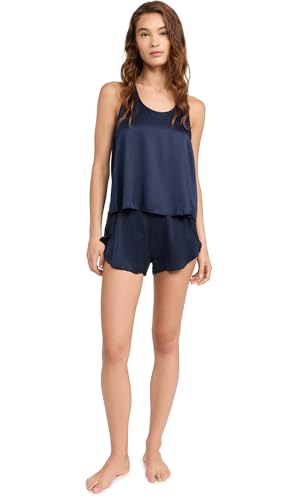
- Lunya Worth It Review (2026): Specs, Pros & Cons, and Who It's For
- SHAPERMINT High Waisted Shapewear Shorts, Tummy Control Under Dress S-4XL Review (2026): Specs, Pros & Cons, and Who It's For
How It Works
Bra sizing is based on two main measurements: your band size and your bust size. The band size is usually taken around your ribcage, while the bust measurement is taken around the fullest part of your chest, and the difference between those numbers helps determine cup size. In practice, the goal is not just a number on a tag, but a fit that feels supportive, stays in place, and matches your breast shape comfortably.
Most people start by measuring with a soft tape measure while wearing a lightly lined or unpadded bra, or no bra if that feels more accurate. Then they compare those measurements to a sizing chart, which converts inches or centimeters into a bra size such as 34C or 38D. Because sizing systems can vary by brand and region, the best fit often comes from combining measurements with fit checks, like whether the band stays level and the cups fully contain breast tissue.
This is why bra sizing is more of a fitting process than a single formula. Two people with the same measurements may need different sizes depending on breast shape, band stretch, and style preferences. That’s also why educational guides can be helpful: they teach you how to measure, interpret the results, and adjust when a bra looks right on paper but not on your body.
Key Benefits & Use Cases
Why learning your bra size matters
Knowing your bra size can improve comfort, reduce shoulder strain, and make everyday clothing fit better. A properly fitted bra can also help support posture and prevent common fit problems like slipping straps, gaping cups, or a band that rides up.
Common use cases
- Finding a better everyday bra for work or daily wear
- Choosing a sports bra with more reliable support
- Shopping online with fewer returns
- Updating your size after weight changes, pregnancy, or body changes
- Comparing styles like plunge, full coverage, balconette, or wireless bras
For many shoppers, the biggest benefit is confidence. Once you understand your measurements and fit cues, you can shop more efficiently and stop guessing between sizes.
What to Look For When Buying
If you are buying a bra-sizing guide or reference book to help you learn how to find your bra size, these five criteria matter most:
1. Clear measurement instructions
Look for a guide that explains how to measure the band and bust step by step, with simple language and examples. The best resources make the process easy for beginners.
2. Fit troubleshooting advice
Good sizing resources go beyond measurements and explain what common fit issues mean, such as spillage, gaping, or a band that shifts. This helps you correct mistakes instead of just guessing a new size.
3. Style and shape guidance
Different bra styles fit differently, so it helps if the guide covers how shape, coverage, and support affect sizing. This is especially useful if standard charts never seem to work for you.
4. Practical examples
Examples, charts, and real-world scenarios make the information much easier to apply. A strong guide should help you translate numbers into a size that actually fits.
5. Ease of use and readability
Because bra sizing can already feel confusing, the best guide should be straightforward, well organized, and easy to revisit later. A clear layout matters as much as the information itself.
Top Recommended Products
Below are research-based educational resources that can help you better understand bra sizing, fit, and support. These are not hands-on test results; they are selected based on published details, reader feedback patterns, and overall usefulness for shoppers learning how to find your bra size.
The Breast Life(TM) Guide to The Bra Zone: How to Find Your Ideal Size, Style, and Support

This guide is the strongest overall pick for readers who want a focused, practical explanation of bra sizing, style selection, and support. It is especially useful if you want a resource that feels tailored to real fitting problems rather than a generic sizing overview.
- ✓ Focuses on ideal size, style, and support in one place
- ✓ Helpful for readers who want both measurement and fit guidance
- ✓ Strong match for shoppers who need an educational, bra-specific resource
The Breast Life??Guide to The Bra Zone: How to Find Your Ideal Size, Style, and Support by Elisabeth Dale (2016-07-15)
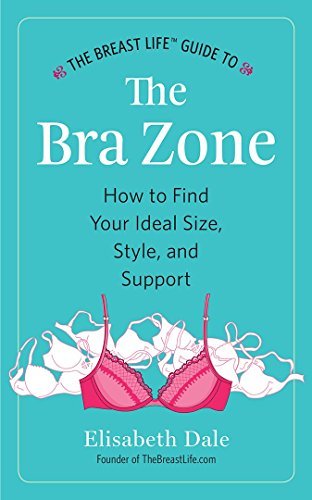
This edition is a useful option if you want a title centered on the same core bra-fitting topic and prefer a book-format reference from Elisabeth Dale. It may appeal most to readers who want a deeper dive into size, style, and support concepts in a more traditional guide format.
- ✓ Bra-fit education centered on size, style, and support
- ✓ Helpful for readers who want a book to reference repeatedly
- ✓ Good fit for those comparing multiple educational bra guides
The Ultimate Guide to Bras: Everything You Need to Know

This is the best budget-friendly choice for readers who want a broader, easy-to-access overview of bras and fit basics. If your goal is to understand bra sizing without spending much, this guide offers a straightforward entry point.
- ✓ Lowest price in the list
- ✓ Covers bras and fit basics in a broad, beginner-friendly way
- ✓ Good value for shoppers who want an affordable educational resource
Common Mistakes to Avoid
Learning how to find your bra size is easier when you avoid a few common errors that can throw off the fit.
- Measuring over a thick bra: Padded or push-up bras can distort bust measurements and lead to inaccurate results.
- Pulling the tape too tight: A tape measure should be snug but not compressing your body.
- Ignoring cup shape: A bra can be the “right size” but still fit poorly if the cup shape does not match your breasts.
- Assuming one size fits every brand: Sizes can vary, so a 34C in one brand may not feel the same in another.
- Not checking the band first: Many people focus on cups, but the band provides most of the support.
Another frequent mistake is treating bra sizing like a one-time event. Your size can change over time due to body changes, hormones, age, or lifestyle shifts, so it is smart to recheck periodically.
Frequently Asked Questions
How do I measure my bra size at home?
Use a soft tape measure to measure around your ribcage for the band and around the fullest part of your bust for the cup measurement. Then compare the numbers to a bra size chart and check fit in the mirror.
What is the easiest way to find my bra size?
The easiest way is to measure yourself, use a reliable size chart, and then test the fit by checking the band, cups, and straps. A guide that explains common fit issues can make the process much simpler.
Why does my bra size change between brands?
Different brands use different patterns, materials, and sizing standards, so the same labeled size may fit differently. That is why trying a sister size or comparing fit notes can help.
Should I size up or down if my bra feels tight?
If the band feels too tight, you may need a larger band size or a different style with less rigid construction. If the cups feel tight, you may need a larger cup size or a better cup shape.
How often should I remeasure my bra size?
It is a good idea to remeasure anytime your body changes significantly, and also periodically even if it does not. Many people benefit from checking their size every few months or before buying new bras.
Get the Full Clothing, Shoes & Jewelry Buyer's Guide
Join our free newsletter — we'll send our latest Clothing, Shoes & Jewelry picks, specs and verdicts straight to your inbox.
Free. No spam. Unsubscribe anytime.
Was this review helpful?
Be the first to share your feedback on this review.
Sign in to vote and let us know what you think.
Discussion (0)
No comments yet. Be the first to start the discussion.
Related Reviews
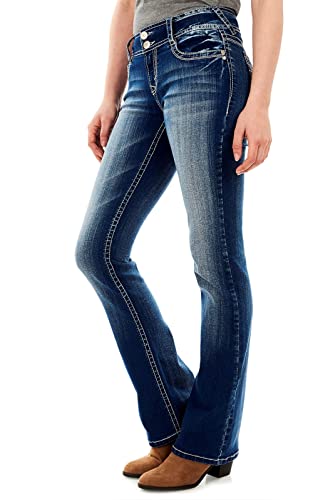
WallFlower Women's InstaStretch Luscious Curvy Bootcut Jeans, Jenna, 9 Review (2026): Specs, Pros & Cons, and Who It's For
If you’re searching for a pair of jeans that stretch comfortably but still bounce back after sitting, walking, and moving through a full day, the WallFlower Women's InstaStretch Luscious Curvy Bootcut Jeans, Jenna, 9 is built for exactly that use case. The main appeal is the brand’s stretch-and-reco
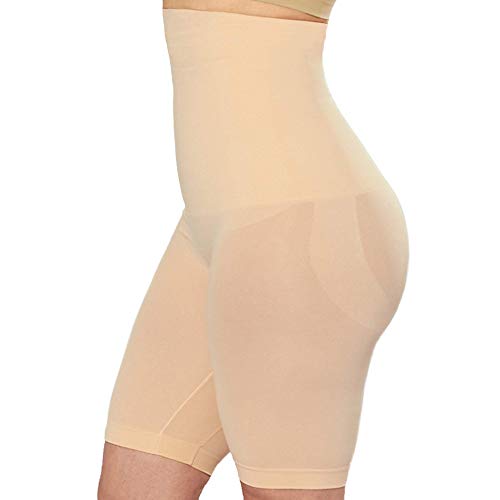
SHAPERMINT High Waisted Shapewear Shorts, Tummy Control Under Dress S-4XL Review (2026): Specs, Pros & Cons, and Who It's For
The SHAPERMINT High Waisted Shapewear Shorts are built around everyday wear rather than extreme compression, and that shows in the design language. Based on the published product details and repeated owner feedback patterns, the focus is on a smooth silhouette, comfortable stretch, and enough struct