

Who this is for: Best for shoppers who want to understand cashmere quality signals like Grade A, ply, and GSM before buying.
Check PriceWhat is a Cashmere Quality Guide? A Complete 2026 Guide
A cashmere quality guide helps you tell truly soft, long-lasting cashmere from lower-grade knits that pill, shed, or lose shape too quickly. If you’ve ever wondered why one sweater feels buttery and another feels scratchy, the answer usually comes down to fiber length, fineness, construction, and finishing. This guide breaks down the terms shoppers see most often—like Grade A, ply, and GSM—so you can buy cashmere with confidence.
Related Reviews
How It Works
Cashmere comes from the soft undercoat of cashmere goats, and the best fibers are typically finer, longer, and more consistent in diameter. Those traits matter because finer fibers feel smoother against the skin, while longer fibers tend to resist pilling and breakage better over time.
When brands describe cashmere quality, they often use a few technical signals. Grade A usually refers to the finest and longest fibers; ply describes how many yarn strands are twisted together; and GSM (grams per square meter) indicates fabric density, which can hint at warmth, drape, and durability.
In simple terms, quality cashmere is a balancing act: the best pieces are soft without being flimsy, warm without feeling bulky, and durable without becoming heavy. That’s why a good cashmere quality guide focuses on both the raw fiber and the finished garment.
Key Benefits & Use Cases
Understanding cashmere quality helps you make smarter decisions whether you’re buying a sweater, scarf, cardigan, or blanket. It also helps you avoid overpaying for marketing claims that sound luxurious but don’t reflect the actual fiber or construction.
- Better comfort: Higher-quality cashmere is usually softer and less itchy.
- Longer wear: Better fibers and construction can reduce pilling and stretching.
- Improved value: Paying for quality often means fewer replacements over time.
- Smarter comparisons: You can compare items by Grade A, ply, and GSM instead of brand hype.
- More versatile buying: The same quality signals help you shop for lightweight layers or warmer winter knits.
For many shoppers, this is especially useful when comparing premium basics, gift purchases, or investment pieces. It also matters if you want a cashmere item that looks polished after repeated wear, not just on day one.
What to Look For When Buying
Use these five criteria as your cashmere quality checklist:
1. Fiber Grade
Look for information about Grade A or comparable top-grade fibers. In general, finer and longer fibers are a strong sign of better softness and durability.
2. Ply Count
Ply tells you how many yarn strands are twisted together. A single-ply piece can feel lighter and more delicate, while 2-ply or higher often adds structure and durability.
3. GSM or Fabric Weight
GSM helps you understand how dense the knit is. Lower GSM can mean a lighter, more breathable piece; higher GSM often suggests more warmth and substance.
4. Finish and Hand Feel
Good cashmere should feel soft but not overly fuzzy or slippery. A smooth, even finish usually signals better processing and knitting quality.
5. Care and Construction Details
Check for reinforced seams, even stitching, and clear care instructions. Quality cashmere is easier to maintain when the garment is well-made and the brand explains how to wash and store it.
Top Recommended Products
These two books are useful educational resources if you want to understand cashmere from the fiber and production side. They are not clothing items, but they can help you learn the quality factors behind cashmere and make more informed buying decisions.
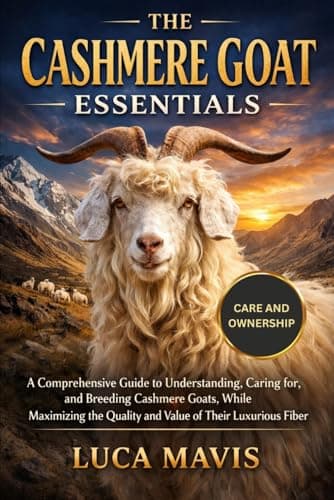
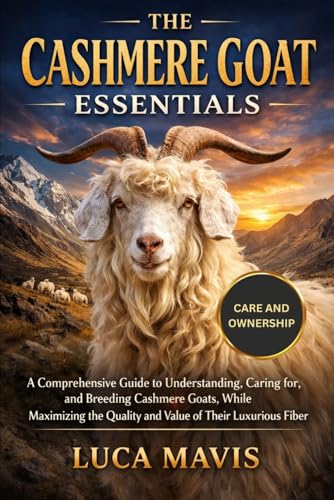 THE CASHMERE GOAT ESSENTIALS ✓ Prime $12.50
This guide is geared toward readers who want to understand cashmere at the source: the goat, the fiber, and the factors that influence quality and value. It can be especially helpful if you want a deeper explanation of how cashmere fiber standards connect to the finished product.

- ✓ Explains cashmere fiber quality from a goat-raising perspective
- ✓ Useful for readers who want to understand value and grading factors
- ✓ Affordable educational resource with Prime shipping
- ✓ Helpful background for buyers comparing premium cashmere claims
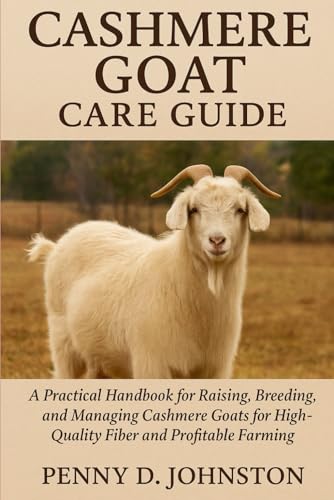 Cashmere Goat Care Guide ✓ Prime $12.00
This handbook focuses on raising and managing cashmere goats with an emphasis on high-quality fiber production. It’s a practical companion for anyone who wants to go beyond the label and understand what influences cashmere quality before it becomes fabric.

- ✓ Practical overview of raising goats for high-quality fiber
- ✓ Helps readers connect care practices to fiber quality outcomes
- ✓ Budget-friendly educational purchase with Prime shipping
- ✓ Good for buyers who want more context behind cashmere sourcing
Common Mistakes to Avoid
- Assuming softer always means better: Extremely fluffy cashmere can feel nice at first but may pill faster if the fibers are shorter or weaker.
- Ignoring construction: A good fiber can still perform poorly if the knit is loose or the seams are weak.
- Overlooking ply and GSM: These details help explain why two “cashmere” items can feel very different.
- Buying on brand name alone: Marketing language is not a substitute for fiber details and care instructions.
- Skipping care guidance: Even high-quality cashmere can wear down quickly if it’s washed or stored incorrectly.
Frequently Asked Questions
What does Grade A cashmere mean?
Grade A generally refers to the finest, longest, and most desirable cashmere fibers. It is often associated with better softness, durability, and overall quality, though exact grading can vary by seller.
Is higher ply always better in cashmere?
Not always. Higher ply can add structure and durability, but lower-ply cashmere may feel lighter and more refined. The best choice depends on whether you want warmth, drape, or everyday sturdiness.
What is a good GSM for cashmere?
There is no single perfect GSM, because the right weight depends on the garment type and season. Lower GSM is often better for lightweight layering, while higher GSM can provide more warmth and substance.
How can I tell if cashmere will pill?
Look for longer fibers, tighter construction, and honest product descriptions. No cashmere is completely pill-proof, but better fiber quality and knitting usually reduce pilling over time.
Why is cashmere so expensive?
Cashmere is costly because the fiber is limited, the collection process is labor-intensive, and high-quality material requires careful processing. Better cashmere also tends to use finer fibers and more precise construction, which raises production costs.
Pros
- + Explains Grade A, ply, and GSM clearly
- + Helps shoppers compare quality beyond brand hype
- + Covers fiber, construction, and care factors
- + Includes practical buying criteria and mistakes to avoid
Cons
- – Not a hands-on product test
- – Recommended products are educational books, not apparel
- – Quality can still vary by brand and batch
- – Some grading terms are not standardized
Frequently asked questions
- What does Grade A cashmere mean?
- Grade A generally refers to the finest, longest, and most desirable cashmere fibers. It is often associated with better softness, durability, and overall quality, though exact grading can vary by seller.
- Is higher ply always better in cashmere?
- Not always. Higher ply can add structure and durability, but lower-ply cashmere may feel lighter and more refined. The best choice depends on whether you want warmth, drape, or everyday sturdiness.
- What is a good GSM for cashmere?
- There is no single perfect GSM, because the right weight depends on the garment type and season. Lower GSM is often better for lightweight layering, while higher GSM can provide more warmth and substance.
- How can I tell if cashmere will pill?
- Look for longer fibers, tighter construction, and honest product descriptions. No cashmere is completely pill-proof, but better fiber quality and knitting usually reduce pilling over time.
- Why is cashmere so expensive?
- Cashmere is costly because the fiber is limited, the collection process is labor-intensive, and high-quality material requires careful processing. Better cashmere also tends to use finer fibers and more precise construction, which raises production costs.
Get the Full Clothing, Shoes & Jewelry Buyer's Guide
Join our free newsletter — we'll send our latest Clothing, Shoes & Jewelry picks, specs and verdicts straight to your inbox.
Free. No spam. Unsubscribe anytime.
Was this review helpful?
Be the first to share your feedback on this review.
Sign in to vote and let us know what you think.
Discussion (0)
No comments yet. Be the first to start the discussion.
Related Reviews
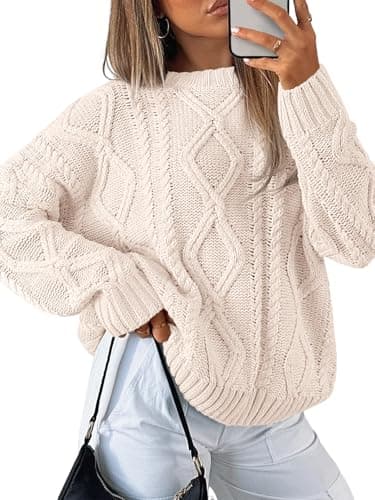
8 Best Women's Sweaters in 2026 — Stylish, Cozy Picks for Every Budget and Occasion
If you’re searching for the best women's sweaters 2026, you probably want pieces that look polished, feel comfortable, and work for more than one outfit. The problem is that sweater listings are crowded with near-identical styles, so it’s hard to know which ones are actually worth buying. This resea

8 Best Women's Blazers in 2026 — Polished Office Style Without the Guesswork
If you’re searching for the best women's blazers 2026 , you probably want something that looks sharp, feels comfortable, and works for both office and everyday outfits. The challenge is that many blazers look polished online but disappoint on fit, fabric, or versatility once they arrive. This resear
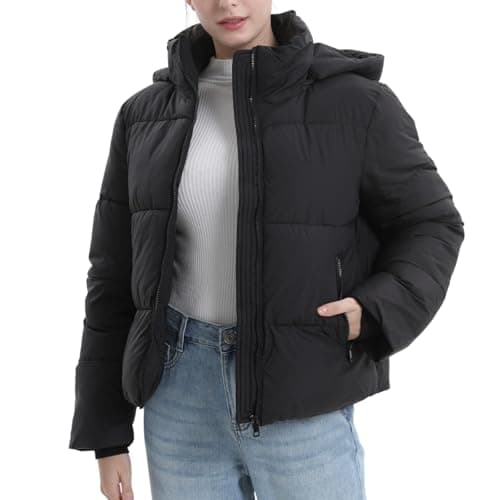
Aritzia Super Puff vs North Face (2026): Which Should You Actually Buy?
The PUFFIT jacket leans into a cropped, casual winter look with a removable hood and practical zip pockets. Based on the listed features, it’s designed to feel stylish without giving up everyday function.