
What is is Rolex worth it investment? A Complete 2026 Guide
If you’re asking whether a Rolex is worth it investment, you’re probably trying to balance status, craftsmanship, and resale potential against a very high upfront price. The short answer is that some Rolex models can hold value unusually well, but not every Rolex behaves like a strong investment. This guide breaks down how Rolex value works, what drives appreciation or depreciation, and how to decide if buying one makes sense for your goals.
Related Reviews
How It Works
A Rolex is a luxury mechanical watch, and its “investment” value comes from a mix of brand strength, scarcity, condition, demand, and model-specific desirability. Unlike stocks or bonds, a watch does not produce income; its value depends on what buyers are willing to pay later, which can change over time with trends and market sentiment.
In practice, Rolex pricing is shaped by two markets: the authorized retail market and the secondary market. If a model is hard to get at retail, buyers may pay above list price on the resale market, especially for popular stainless steel sports models, while less sought-after models may trade closer to retail or below it.
That means “investment” in Rolex terms usually means value retention rather than guaranteed appreciation. The best outcomes tend to come from buying the right model, at the right price, in excellent condition, with complete documentation and strong long-term demand.
Key Benefits & Use Cases
People consider Rolex for investment for a few different reasons, and the right reason matters as much as the watch itself.
1. Strong brand recognition
Rolex is one of the most recognized luxury watch brands in the world. That broad awareness helps support resale demand because buyers already understand the brand’s reputation, which can make the watch easier to sell later than many niche luxury brands.
2. Better value retention than many luxury goods
Compared with handbags, fashion watches, or electronics, certain Rolex models tend to depreciate less and may even appreciate. This is especially true for highly desirable references with limited supply and sustained collector interest.
3. Wearable asset
Unlike many investments that sit untouched, a Rolex can be worn and enjoyed daily. For buyers who value both utility and resale potential, that combination is appealing because the watch can serve as a personal item first and a store of value second.
4. Collecting and inheritance
Some buyers think beyond short-term resale and focus on long-term collecting or passing the watch down. In those cases, the value is not only financial; it can also be sentimental, historical, and easier to appreciate if the model becomes more collectible over time.
5. Potential hedge against inflation in select cases
High-demand watches sometimes track upward when general prices rise, though this is not guaranteed. The idea is not that Rolex is a perfect inflation hedge, but that certain models may preserve purchasing power better than many discretionary purchases.
What to Look For When Buying
If you’re evaluating whether is Rolex worth it investment for your situation, these five criteria matter most.
1. Model demand
Not all Rolex watches are equally desirable. Sports models and historically popular references often have stronger resale demand than dressier or more common configurations, so the exact model matters far more than the brand name alone.
2. Condition
Condition is critical in the resale market. Scratches, polishing, replaced parts, and heavy wear can reduce value, while original condition usually supports stronger pricing. Collectors often pay more for watches that look clean and have not been over-restored.
3. Box, papers, and service history
Complete sets typically sell better than watch-only listings. Original box, warranty card, manuals, receipts, and documented service records can improve buyer confidence and make the watch easier to resell at a stronger price.
4. Purchase price
Even a strong model can be a poor “investment” if you overpay. The difference between retail, market price, and hype-driven premiums can determine whether you have upside later or start underwater from day one.
5. Authenticity and source
Buying from a trusted source matters because counterfeit watches and swapped parts are a real risk. A genuine watch with verified provenance is much more likely to retain value than one with unclear history or questionable modifications.
Common Mistakes to Avoid
Many first-time buyers assume any Rolex will automatically gain value, but that is one of the biggest misconceptions.
One common mistake is buying purely for hype. A model that is expensive today is not necessarily the one with the best long-term value retention, and short-term market excitement can fade quickly.
Another mistake is ignoring total ownership cost. Servicing, insurance, and possible repair work all affect the real economics of ownership, especially if you plan to hold the watch for years.
People also make the error of over-polishing or modifying the watch. Dial changes, aftermarket parts, and aggressive polishing can hurt collectability and lower resale value.
Finally, many buyers forget that liquidity is not instant. Even a desirable Rolex may take time to sell at the price you want, so it should not be treated like cash you can tap immediately.
Frequently Asked Questions
Is Rolex worth it investment for beginners?
It can be, but only if you understand that value retention is model-specific. Beginners should focus on well-known references, buy from trusted sources, and avoid paying inflated premiums just because a watch is popular.
Do all Rolex watches go up in value?
No. Some models hold value very well, some appreciate, and others can lose value after purchase. The exact reference, condition, and market timing make a big difference.
Which Rolex models are best for value retention?
In general, highly desirable sports models and limited-availability references tend to perform better than less sought-after configurations. Still, the best choice depends on current market demand and the price you pay.
Is it better to buy Rolex new or pre-owned for investment?
Pre-owned can sometimes offer better value if it is priced below retail and in excellent condition. New watches may be attractive, but paying a premium above market can reduce your upside.
How do I know if a Rolex is authentic?
Buy from reputable dealers, verify serial and reference details, check paperwork, inspect finishing carefully, and consider professional authentication. If the source is unclear, the investment risk rises significantly.
Get the Full Clothing, Shoes & Jewelry Buyer's Guide
Join our free newsletter — we'll send our latest Clothing, Shoes & Jewelry picks, specs and verdicts straight to your inbox.
Free. No spam. Unsubscribe anytime.
Was this review helpful?
Be the first to share your feedback on this review.
Sign in to vote and let us know what you think.
Discussion (0)
No comments yet. Be the first to start the discussion.
Related Reviews
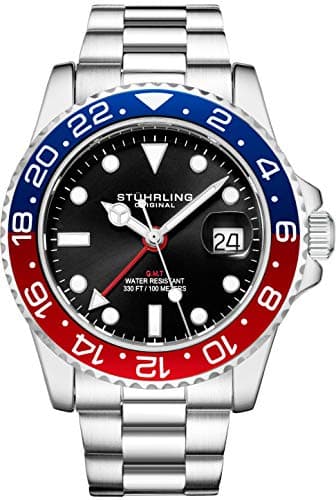
How to Choose the Best GMT Watch for Travel in 2026: Complete Buying Guide
If you’re trying to figure out how to pick a GMT watch for travel , the biggest challenge is not finding a watch with a second time zone—it’s finding one that’s actually useful on the road. A lot of buyers get distracted by style or brand hype and end up with a GMT that’s hard to read, awkward to us
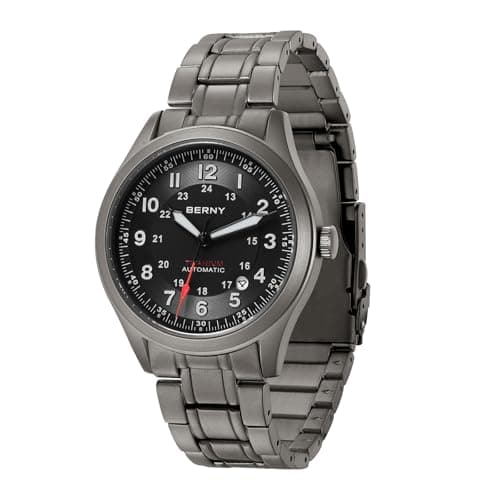
How to Choose the Best Titanium Watch in 2026: Complete Buying Guide
Choosing the right titanium watch matters because titanium can be one of the best materials for everyday wear: it’s lightweight, corrosion-resistant, and comfortable for long days on the wrist. But the most common mistake buyers make is assuming all titanium watches feel and perform the same, when i
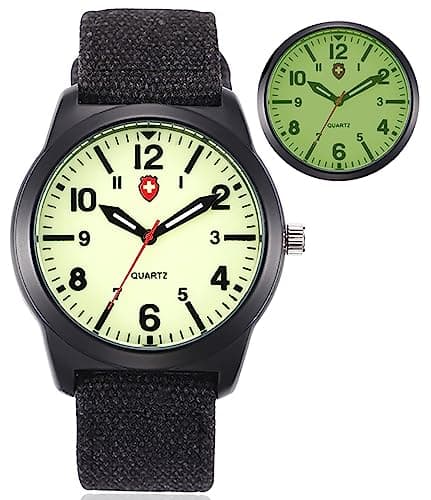
Best Pilot Watches for Every Budget in 2026: Ranked by Price & Performance
If you’re searching for the best pilot watches under $300 , the good news is that you don’t need to spend big to get the classic military look, easy-to-read dial, and everyday practicality. The reality is that most options in this price range are budget field-style watches, so the main differences c