
Who this is for: Best for shoppers who want a simple, research-based explanation of merino wool and practical first products to try.
Check PriceMerino wool explained simply: it’s a natural fiber made from Merino sheep that’s prized for softness, temperature control, and odor resistance. Unlike traditional wool, merino fibers are much finer, which makes them feel less itchy and more comfortable against the skin. That combination has made merino a favorite for base layers, socks, gloves, and travel clothing.
Related Reviews
How It Works
Merino wool works because of the structure of the fiber itself. Each strand is fine, crimped, and naturally elastic, which helps trap small amounts of air for insulation while still allowing heat and moisture to move away from your body.
That balance is what makes merino feel so versatile. When it’s cold, the trapped air helps retain warmth; when you’re active or the weather warms up, the fiber can help release excess heat and wick moisture so you stay drier and more comfortable.
Merino also naturally resists odor better than many synthetic fabrics. The fiber’s chemistry and moisture management make it harder for odor-causing bacteria to build up as quickly, which is why merino is so popular for travel and multi-day wear.
Key Benefits & Use Cases
Temperature regulation
Merino is known for helping you stay warm in winter and cooler in summer than you might expect from a wool fabric. That makes it a strong choice for layering systems, outdoor activity, and everyday wear in changing conditions.
Soft, low-itch comfort
Because merino fibers are finer than standard wool, they tend to feel softer on the skin. Many people who avoid wool because of itchiness find merino much more wearable for shirts, socks, and base layers.
Moisture control
Merino can absorb and move moisture away from the skin, which helps reduce that clammy feeling during hikes, commutes, workouts, or long days on the go. It’s especially useful when you want comfort without feeling sweaty.
Odor resistance for travel
One of merino’s biggest advantages is that it can be worn multiple times before needing a wash. That makes it ideal for travel, backpacking, business trips, and minimalist wardrobes.
Common use cases
- Base layers for hiking, skiing, and cold-weather sports
- Socks for everyday wear and long treks
- Glove liners for added warmth without bulk
- Travel shirts and undershirts for multi-day use
- Sleepwear and loungewear for temperature comfort
What to Look For When Buying
1) Fiber percentage
Check whether the item is 100% merino wool or a blend. Pure merino usually offers the best odor resistance and temperature regulation, while blends may add durability or stretch.
2) Micron count
Micron number refers to fiber thickness. Lower micron counts generally feel softer and less itchy, which matters most for shirts, base layers, and anything worn directly on skin.
3) Weight or fabric thickness
Lightweight merino is better for warm weather and layering, while midweight and expedition-weight options are better for cold climates and high-output winter use.
4) Fit and intended activity
Merino works best when the fit matches the job. Snug base layers perform well under shells, while looser pieces may be better for casual wear or sleeping.
5) Care requirements
Some merino items are machine washable, while others last longer with gentler care. If you want low-maintenance gear, check the washing instructions before buying.
Top Recommended Products
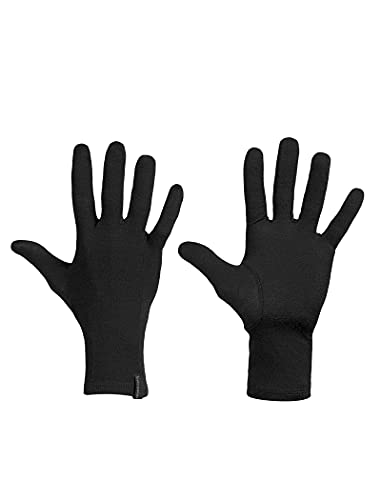
Icebreaker Merino 200 Oasis Merino Wool Glove Liners - Black - Large mid-range

These glove liners are a strong example of why merino is so valued: they use 100% merino wool, focus on temperature regulation, and add odor resistance for repeated wear. The elastic straps and hook-and-bar closure also suggest a secure fit for casual use and hiking.
- ✓ 100% merino wool construction
- ✓ Soft fibers that regulate body temperature in all weather conditions
- ✓ Naturally resists odors
- ✓ Elastic straps with adjusters for fit
- ✓ Useful for casual wear and hiking
- ✗ Only one size/color combination may limit fit preferences
- ✗ Best as a liner, not a stand-alone winter glove
Merino.tech Merino Wool T-Shirt Mens good value


This is a good “merino wool explained in real life” product because it shows the fabric’s everyday versatility. The 17.5 micron superfine wool, moisture-wicking performance, odor resistance, and year-round comfort make it a practical base layer or travel shirt.
- ✓ 100% superfine 17.5 micron merino wool
- ✓ No-itch comfort designed for daily wear
- ✓ Moisture wicking and odor resistant
- ✓ Works in summer and winter
- ✓ Includes a pair of merino wool hiking socks
- ✗ More expensive than basic cotton tees
- ✗ Best performance usually depends on proper care
 Merino.tech Merino Wool Socks for Women And Men more affordable


Merino socks are one of the easiest ways to understand why the fiber is so popular. These crew socks emphasize warmth, moisture control, breathability, and odor resistance, which are exactly the traits people want for hiking, travel, and cold-weather daily wear.
- ✓ Warm in winter and breathable during activity
- ✓ Moisture wicking and odor resistant
- ✓ Suitable for hiking, trekking, travel, and everyday wear
- ✓ Soft New Zealand merino wool construction
- ✓ Backed by a customer satisfaction promise
- ✗ Pack of 6 may be more than casual buyers need
- ✗ Crew height may not suit everyone’s preference
 100% Merino Wool Expedition Weight Mens Crew Shirt - Heavy Weight Base Layer Top - Extreme Cold Weather Gear - Black - Large premium


If you want the “serious winter” version of merino, this expedition-weight crew shirt shows what heavier fabric can do. The 400 g/m2 knit, flatlock seams, and UPF 50+ rating make it especially relevant for extreme cold weather layering and demanding outdoor use.
- ✓ Heavyweight 100% merino wool for extreme cold
- ✓ 18.5 micron wool with 400 g/m2 interlock knit
- ✓ Flatlock seams for comfort under layers
- ✓ Machine washable and dryable
- ✓ Wide size range including tall sizes
- ✗ Significantly more expensive than lighter options
- ✗ Likely overkill for mild climates or casual indoor wear
Common Mistakes to Avoid
Buying merino without checking the weight
Not all merino is meant for the same job. Lightweight merino is great for layering and warm-weather comfort, while expedition-weight fabric is better for cold conditions.
Assuming all wool feels the same
People often expect merino to feel like old-school scratchy wool. In reality, fiber thickness and construction matter a lot, so merino is usually much softer and more wearable.
Ignoring care instructions
Merino is durable, but it still benefits from proper washing and drying. Using the wrong care routine can shorten its life or affect fit.
Choosing the wrong fit
A base layer that’s too loose won’t manage moisture as effectively, while an overly tight piece may feel restrictive. Fit should match the activity and layering system.
Expecting it to be indestructible
Merino is performance-focused, but it’s still a natural fiber. If you want maximum abrasion resistance for rough use, consider where the garment will be worn and whether a blend might be more appropriate.
Frequently Asked Questions
What is merino wool in simple terms?
Merino wool is a soft, fine natural fiber from Merino sheep. It’s valued for comfort, temperature regulation, moisture control, and odor resistance.
Why is merino wool better than regular wool?
Merino fibers are much finer than traditional wool, so they usually feel softer and less itchy. They also perform well as breathable, temperature-regulating clothing.
Is merino wool good for hot weather?
Yes, merino can work in warm weather because it breathes well and helps move moisture away from the skin. Lightweight merino is the best choice for heat.
Does merino wool smell less?
Yes, merino is known for natural odor resistance. That’s one reason it’s popular for travel, hiking, and multi-day wear.
What should I buy first if I’m new to merino wool?
A merino T-shirt or a pair of merino socks is usually the easiest place to start. Both show the comfort and odor-control benefits without requiring a big investment.
Pros
- + Soft, low-itch comfort
- + Temperature regulation in hot and cold weather
- + Moisture wicking and odor resistance
- + Great for travel, hiking, and layering
Cons
- – Can be pricier than cotton
- – Care instructions matter
- – Weight and fit vary by use case
- – Heavyweight options can be overkill
Frequently asked questions
- What is merino wool in simple terms?
- Merino wool is a soft, fine natural fiber from Merino sheep. It’s valued for comfort, temperature regulation, moisture control, and odor resistance.
- Why is merino wool better than regular wool?
- Merino fibers are much finer than traditional wool, so they usually feel softer and less itchy. They also perform well as breathable, temperature-regulating clothing.
- Is merino wool good for hot weather?
- Yes, merino can work in warm weather because it breathes well and helps move moisture away from the skin. Lightweight merino is the best choice for heat.
- Does merino wool smell less?
- Yes, merino is known for natural odor resistance. That’s one reason it’s popular for travel, hiking, and multi-day wear.
- What should I buy first if I’m new to merino wool?
- A merino T-shirt or a pair of merino socks is usually the easiest place to start. Both show the comfort and odor-control benefits without requiring a big investment.
Get the Full Clothing, Shoes & Jewelry Buyer's Guide
Join our free newsletter — we'll send our latest Clothing, Shoes & Jewelry picks, specs and verdicts straight to your inbox.
Free. No spam. Unsubscribe anytime.
Was this review helpful?
Be the first to share your feedback on this review.
Sign in to vote and let us know what you think.
Discussion (0)
No comments yet. Be the first to start the discussion.
Related Reviews

On Cloudmonster 2 vs HOKA Clifton 9 (2026): Which Should You Actually Buy?
The On Cloudmonster 2 looks and feels like the more engineered shoe. Its oversized CloudTec platform and reworked dual-density Helion superfoam give it a more distinctive, modern running-shoe identity, while the nylon-blend Speedboard adds a performance-oriented structure that many buyers want in a

HOKA Men's Bondi 9 vs Brooks Glycerin 20 (2026): Which Should You Actually Buy?
Based on the published product details, the Bondi 9 leans into a cleaner premium build with ENGINEERED MESH and textile lining. That usually appeals to buyers who want a more polished, all-day wear look and a shoe that feels intentionally engineered for comfort.

8 Best Men's Parkas for Extreme Cold in 2026 — Warmest Picks for Brutal Winter Conditions
If you’re shopping for the best men's parkas for extreme cold 2026, you probably want one thing: reliable warmth without guessing which coat can actually handle bitter wind, snow, and long hours outside. This roundup focuses on parkas with documented insulation, weather resistance, and cold-weather