

Who this is for: Best for men who want dry, comfortable leather boots for rain, slush, and daily wear.
If you’re trying to figure out how to choose a men's leather boot for weatherproofing, the biggest challenge is separating real protection from marketing language. A boot can look rugged and still let water in through weak seams, poor construction, or the wrong outsole. This guide breaks down the features that actually matter so you can pick a pair that keeps your feet dry, comfortable, and wearable beyond one season.
Related Reviews
The most common mistake buyers make is focusing on leather alone and assuming “waterproof” means fully weather-ready. In reality, weatherproofing depends on the whole boot: leather treatment, seam construction, sole grip, fit, and how well the boot matches your climate and daily use.
Key Features to Look For
1) Waterproof or Water-Resistant Leather
Leather is the first line of defense, but not all leather performs the same in wet conditions. Look for boots that specifically mention waterproof leather, water-resistant sealing, or treated uppers, because untreated leather can soak up moisture and lose comfort quickly. For wet commutes, slush, and light snow, this feature matters more than style alone.
2) Sealed or Reinforced Construction
Even good leather can fail if water sneaks in through stitching or weak joins. Sealed seams, Goodyear welt construction, or other reinforced builds help reduce leak points and improve long-term durability. If you expect regular rain or messy winter weather, construction is just as important as the upper material.
3) Traction-Focused Outsole
A weatherproof boot should help you stay upright on slick sidewalks, wet pavement, or icy patches. Rubber outsoles with a grip-oriented tread are better than smooth soles because they improve stability in damp conditions. A slip-resistant outsole also makes the boot more practical for everyday use, not just bad weather.
4) Comfortable Midsole and Insole Support
Weatherproof boots often get worn longer than expected, especially in cold or wet conditions. Cushioning, arch support, and shock absorption help reduce fatigue if you’re walking, commuting, or standing for long stretches. Removable insoles are a bonus because they make it easier to customize fit or use orthotics.
5) Proper Fit in the Heel and Instep
A boot that fits poorly can let water in and cause rubbing, blisters, or instability. A snug heel and secure midfoot help the boot move with your foot instead of against it. Since leather can break in over time, the right starting fit matters more than with many other shoe types.
6) Weather-Appropriate Shaft Height
Ankle-height boots are often the most versatile, but shaft height affects how much splash or slush protection you get. A higher shaft can help in deeper puddles or snow, while a lower profile may be better for city wear and easier daily styling. Choose based on the conditions you actually face most often.
7) Breathability and Interior Lining
Weatherproofing is not just about keeping water out; it also involves managing moisture inside the boot. Breathable leather and a comfortable lining help prevent sweaty feet, especially if you wear boots all day. A dry interior is important because trapped moisture can make boots feel colder and less comfortable over time.
What to Avoid
1) Boots That Only Look Rugged
Thick leather and a heavy silhouette can suggest durability, but appearance alone does not guarantee weather protection. Some fashion boots have minimal sealing, weak traction, or lightweight construction that looks sturdy but performs poorly in wet conditions.
2) Smooth or Fashion-Only Soles
A dressy sole may look refined, but it can be a poor match for rain, snow, or slick sidewalks. If the outsole lacks visible tread or rubber grip, the boot may be less secure in wet weather. Style-forward boots can still work, but only if they include practical traction.
3) Overly Stiff Boots With No Break-In Plan
Some leather boots start out uncomfortable and require a long break-in period. That can be a problem if you need immediate weather protection and daily wearability. Boots that are too stiff may also create pressure points or make walking feel awkward, especially during long days.
4) Vague Waterproof Claims
If a product page says “weather-ready” or “all-season” without explaining the materials or construction, be cautious. Clear details like waterproof leather, sealed seams, or water-resistant welt construction are more useful than broad claims. Specifics usually signal a better understanding of real-world performance.
5) Ignoring Width and Arch Support
Fit problems can ruin an otherwise strong boot. If the boot is too narrow, too loose, or lacks support, it may feel unstable and wear out faster in key pressure areas. Buyers with wider feet or orthotic needs should pay close attention to sizing options and removable insoles.
Our Top Picks
Best Budget-Friendly Weatherproof Option

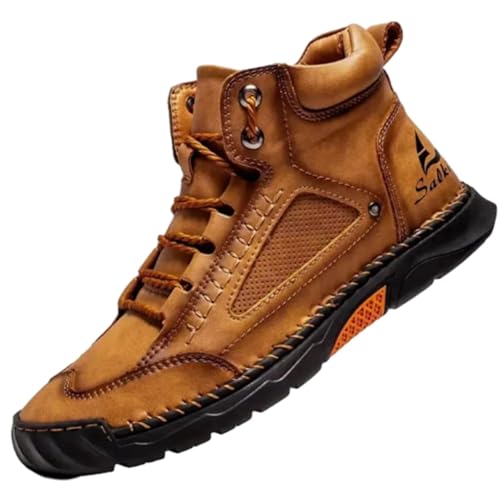
Men's Comfortable Handmade Leather Boots, Stylish hand-stitched Waterproof Arch Support Ankle boots (Brown, Adult, Men, 11, Numeric, US Footwear Size System, Medium) is a strong pick if you want waterproofing, comfort, and a more accessible entry point. It emphasizes premium waterproof leather, sealed seams, arch support, and a non-slip rubber outsole, which makes it appealing for everyday wear in rainy or slushy conditions. The style is also versatile enough for casual and dressier outfits.
- ✓ Waterproof leather with sealed seams for wet-weather protection
- ✓ Arch support and cushioned comfort for long wear
- ✓ Non-slip rubber outsole for better grip
- ✓ Versatile look that works for multiple occasions
- ✗ Less brand recognition than some premium competitors
- ✗ More style-oriented than rugged work-boot focused
- ✗ Best suited to everyday weatherproofing, not extreme conditions
Best Mid-Range Everyday Weather Boot


Rockport Men's Seamus Waterproof Boot, Black Leather, 10.5 Medium stands out for buyers who want a balanced mix of comfort and practical weather protection. Its arch support, truTECH cushioning, removable insoles, and flexible construction make it a smart choice for commuting, office wear, or everyday city use when weather changes fast.
- ✓ Waterproof boot design with comfort-focused support
- ✓ truTECH cushioning for heel shock absorption
- ✓ Removable memory foam insoles for fit customization
- ✓ Extended sizes and widths improve fit options
- ✗ Less rugged than a heavy-duty work or hiking boot
- ✗ Best for urban and daily wear rather than harsh terrain
- ✗ Style is practical, not especially bold or fashion-forward
Best for Dressy Versatility


Arkbird Mens Chelsea Boots, Stylish and Comfort Leather Chukka Ankle Boots Dark-Brown 11 is a good fit if you want a boot that can move between office, formal, and smart-casual settings while still offering weather-conscious construction. Its genuine leather upper, Goodyear welt construction, water-resistant seal, and cushioned footbed give it a more refined but still practical profile.
- ✓ Genuine leather with hand-finished upper
- ✓ Goodyear welt construction for durability and support
- ✓ Water-resistant seal for added weather protection
- ✓ Latex cushioned footbed for shock absorption
- ✗ Chelsea/chukka styling may not suit everyone’s taste
- ✗ Less protective than taller, more rugged boots
- ✗ Better for light to moderate weather than deep slush
Best Premium Pick for Long-Term Wear


Thursday Boot Company Men's Captain Leather Boot, Brown, 12 is the premium choice for buyers who want a refined leather boot that can handle regular wear and still look polished. Its hand-selected materials, fully lined glove leather interior, studded rubber outsoles, and cork-bed midsoles give it a more elevated feel, while the handcrafted build supports long-term ownership.
- ✓ Handcrafted leather boot with strong attention to materials
- ✓ Studded rubber outsoles for everyday grip
- ✓ Cork-bed midsoles that form to your feet over time
- ✓ Versatile enough for casual and dressier outfits
- ✗ Premium positioning may be more than casual buyers need
- ✗ Best value depends on how often you’ll wear it
- ✗ Minimalist styling may not appeal to everyone
Budget Guide: What You Get at Each Tier
Budget
At the budget tier, you usually get the core weatherproofing basics: treated leather, functional grip, and enough comfort for daily wear. This is the best place to shop if you want protection from rain and light winter conditions without paying for premium finishing details. Expect a more straightforward design and fewer customization features, but still enough performance for everyday use.
Mid-Range
Mid-range boots tend to improve comfort, fit, and construction quality. This is where you often see better cushioning, stronger support, more refined materials, and more consistent weather resistance. If you plan to wear your boots often, this tier usually offers the best balance between durability, comfort, and style.
Premium
Premium boots usually emphasize craftsmanship, higher-grade materials, and a more polished finish. You may also get better lining materials, more sophisticated construction, and a boot that ages more gracefully over time. This tier is ideal if you want one pair that can handle regular wear, look sharp, and feel more refined from season to season.
Frequently Asked Questions
What makes a leather boot weatherproof?
A weatherproof leather boot usually combines treated leather, sealed seams or strong welt construction, and a traction-focused rubber outsole. Fit and interior comfort also matter because a boot that lets in moisture or rubs badly will not perform well in real-world weather.
Is waterproof leather better than water-resistant leather?
Yes, if you expect frequent rain, slush, or snow. Waterproof leather generally offers stronger protection, while water-resistant leather may handle light moisture but can struggle in heavier wet conditions. The best choice depends on how severe the weather is where you live.
Should I choose a boot with a rubber sole?
For weatherproofing, a rubber sole is usually the safer choice because it improves grip on wet surfaces. The tread pattern matters too, since a rubber sole with poor traction may still slip on slick pavement or muddy ground.
How important is arch support in a weatherproof boot?
Very important if you plan to wear the boots for long days. Arch support helps reduce fatigue, improves comfort, and can make a boot more wearable in bad weather when you may be walking more than usual. It is especially useful for commuting or all-day standing.
Can a stylish boot still be weatherproof?
Yes, but style should not replace construction quality. A boot can look sleek and still offer waterproof leather, a sealed build, and reliable traction. The key is making sure the design includes the practical features that actually keep feet dry and stable.
Pros
- + Waterproof or water-resistant leather options
- + Sealed or reinforced construction
- + Traction-focused rubber outsoles
- + Comfortable support and cushioning
- + Versatile styles for everyday wear
Cons
- – Fashion-only soles can slip
- – Vague waterproof claims are risky
- – Poor fit can let water in
- – Some boots need a long break-in
Frequently asked questions
- What makes a leather boot weatherproof?
- A weatherproof leather boot usually combines treated leather, sealed seams or strong welt construction, and a traction-focused rubber outsole. Fit and interior comfort also matter because a boot that lets in moisture or rubs badly will not perform well in real-world weather.
- Is waterproof leather better than water-resistant leather?
- Yes, if you expect frequent rain, slush, or snow. Waterproof leather generally offers stronger protection, while water-resistant leather may handle light moisture but can struggle in heavier wet conditions. The best choice depends on how severe the weather is where you live.
- Should I choose a boot with a rubber sole?
- For weatherproofing, a rubber sole is usually the safer choice because it improves grip on wet surfaces. The tread pattern matters too, since a rubber sole with poor traction may still slip on slick pavement or muddy ground.
- How important is arch support in a weatherproof boot?
- Very important if you plan to wear the boots for long days. Arch support helps reduce fatigue, improves comfort, and can make a boot more wearable in bad weather when you may be walking more than usual. It is especially useful for commuting or all-day standing.
- Can a stylish boot still be weatherproof?
- Yes, but style should not replace construction quality. A boot can look sleek and still offer waterproof leather, a sealed build, and reliable traction. The key is making sure the design includes the practical features that actually keep feet dry and stable.
Get the Full Clothing, Shoes & Jewelry Buyer's Guide
Join our free newsletter — we'll send our latest Clothing, Shoes & Jewelry picks, specs and verdicts straight to your inbox.
Free. No spam. Unsubscribe anytime.
Was this review helpful?
Be the first to share your feedback on this review.
Sign in to vote and let us know what you think.
Discussion (0)
No comments yet. Be the first to start the discussion.
Related Reviews

HOKA Clifton 10 Review (2026): Specs, Pros & Cons, and Who It's For
Check Price on Amazon →

New Balance 990v6 Review (2026): Specs, Pros & Cons, and Who It's For
Check Price on Amazon →
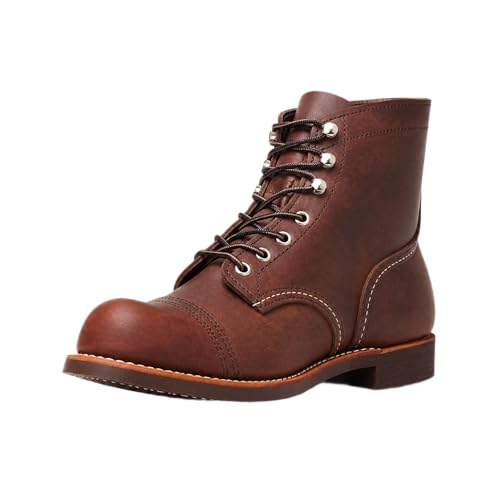
Red Wing Iron Ranger vs Wolverine 1000 Mile (2026): Which Should You Actually Buy?
The Iron Ranger wins design because it has the more recognizable silhouette: the cap toe, rugged hardware, and classic 6-inch profile give it a stronger heritage identity. It’s the boot people often buy when they want the look of a true American icon, not just a good leather boot.