
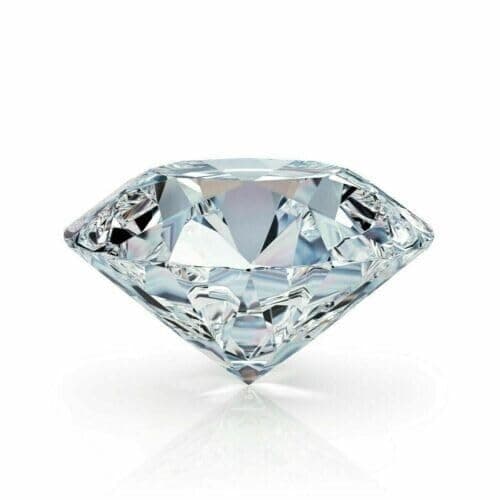
Who this is for: Best for shoppers comparing diamond origin, value, and certification before buying a loose stone or jewelry setting.
Check PriceWhat is Lab Grown vs Natural Diamonds? A Complete 2026 Guide
Trying to understand lab grown vs natural diamonds can feel confusing because both look like “real diamonds,” yet they differ in origin, price, and buying tradeoffs. The short version: lab grown diamonds are created in controlled facilities, while natural diamonds form deep in the earth over millions to billions of years. This guide explains how each one works, where each makes sense, what to check before buying, and which loose stones are worth a closer look in 2026.
Related Reviews
How It Works
At a scientific level, lab grown and natural diamonds are both made of carbon arranged in the same crystal structure. That’s why they share the same core physical, chemical, and optical properties—hardness, sparkle, and durability are all diamond-like in both cases.
Natural diamonds form under extreme heat and pressure deep underground, then are brought closer to the surface through volcanic activity and mined from the earth. Their value is tied not just to the stone itself, but also to rarity, origin, and long-standing market tradition.
Lab grown diamonds are created using advanced methods such as HPHT (high pressure, high temperature) or CVD (chemical vapor deposition). These processes mimic the conditions that form diamonds naturally, but in a controlled environment that can produce stones with high clarity and color grades at a lower cost.
For buyers comparing lab grown vs natural diamonds, the practical difference is usually not how they wear, but how they’re sourced, priced, and perceived in the market.
Key Benefits & Use Cases
Why buyers choose lab grown diamonds
Lab grown diamonds are often chosen for their stronger value proposition. You can usually get a larger stone, a higher color grade, or a cleaner clarity grade for less money than a comparable natural diamond.
They also appeal to shoppers who prioritize ethical sourcing and a lower environmental footprint. Because they do not require traditional mining, many buyers see them as a more modern, transparent option for engagement rings, anniversary gifts, and custom jewelry projects.
Why buyers choose natural diamonds
Natural diamonds still matter for buyers who value geological rarity, tradition, and long-term market familiarity. Some shoppers prefer a stone that formed naturally over immense time and want the classic prestige attached to mined diamonds.
Natural diamonds can also be the better fit for heirloom pieces, collectible jewelry, and buyers who specifically want a mined stone with documented grading and provenance.
Common use cases
- Engagement rings: Lab grown for size and value; natural for tradition and rarity.
- Pendants and earrings: Either option works well, depending on budget and origin preference.
- Custom jewelry making: Loose stones are ideal when you want control over setting, shape, and size.
- Gift buying: Both can be meaningful, but certification matters most.
What to Look For When Buying
Whether you’re comparing lab grown vs natural diamonds for a ring, loose stone, or custom setting, these five criteria matter most:
1) Certification
Look for grading from a recognized gemological lab. Certification helps verify the diamond’s color, clarity, cut, and authenticity, which is especially important when buying online.
2) Color grade
Color affects how bright and white the diamond appears. D, E, and F grades are considered very high color grades, while lower grades may show more warmth.
3) Clarity grade
Clarity tells you how visible internal inclusions are. VVS1 and similar grades are near-flawless to the naked eye, which is useful if you want a cleaner-looking stone.
4) Cut quality
Cut is one of the biggest drivers of sparkle. A well-cut round brilliant or oval stone can outperform a poorly cut diamond with better paper specs.
5) Intended use and setting
Loose diamonds should match the jewelry piece you plan to create. A round brilliant may suit classic designs, while oval cuts can create a larger visual spread and a more modern look.
Top Recommended Products
Below are the research-backed loose diamond options in this category, selected from the provided list. Each one is suited to a slightly different buyer need, from budget-friendly crafting stones to premium certified pieces.
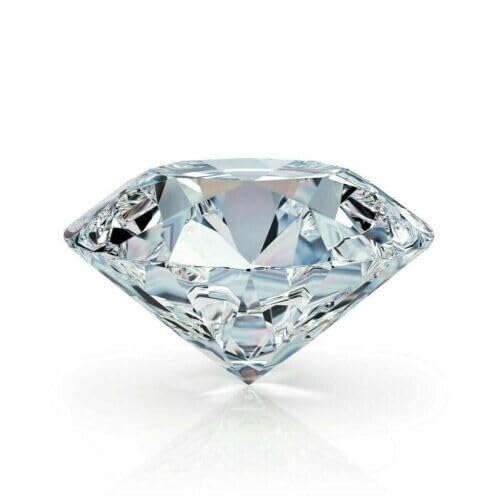 Natural Lab Grown Diamond – Certified Round Cut, D Grade, VVS1 Clarity – Loose Gemstone Ideal for Crafting Necklaces, Bracelets & Fine Jewelry Making (2 Carat) ✓ Prime $44.99

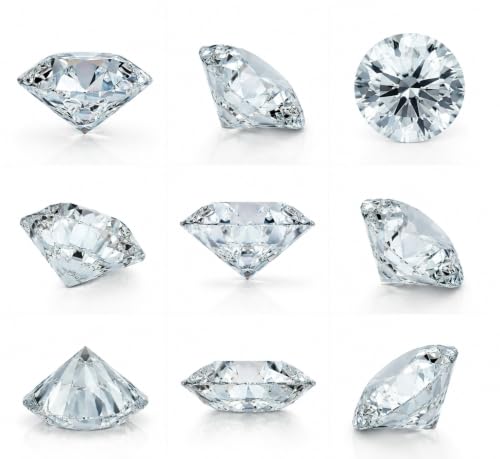
This loose stone is the most budget-friendly option in the list and is positioned for buyers who want a certified, colorless-looking diamond for custom jewelry making. Its D color and VVS1 clarity specs make it especially appealing if you want a clean visual appearance for necklaces, bracelets, or a bespoke setting.
- ✓ D color grade for a colorless look
- ✓ VVS1 clarity for a near-flawless appearance
- ✓ Round brilliant cut designed for sparkle
- ✓ Loose stone format works well for custom jewelry
- ✓ Prime availability and low entry price
- ✗ “Natural lab grown” wording may confuse buyers who want a strict origin distinction
- ✗ Best for crafting and loose-stone buyers, not shoppers wanting a finished ring
- ✗ No major brand-level recognition compared with premium certified options
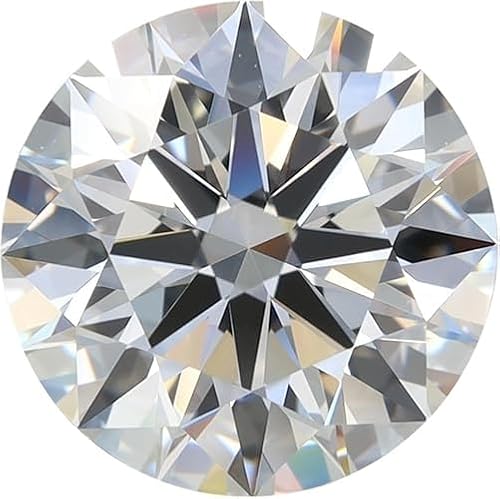 Lab Grown Loose Diamond, 1-3 CT (D-E Color, VVS1 Clarity), GIE Certified for Making Precious Fine Jewelry (1.5 Ct) ✓ Prime $148.00


This is the strongest all-around lab grown option in the list for shoppers who want a premium loose diamond with strong grading credentials. The D-E color range, VVS1 clarity, and GIE certification make it a compelling pick for engagement rings, pendants, or higher-end custom pieces.
- ✓ D-E color and VVS1 clarity for a high-end look
- ✓ GIE certification adds buying confidence
- ✓ Available in the 1-3 carat range for flexible designs
- ✓ Suitable for engagement rings and fine jewelry
- ✓ Ethical and eco-friendly lab grown origin
- ✗ Higher price than the budget-friendly options
- ✗ Loose stone only, so setting costs are extra
- ✗ Best value depends on whether you want lab grown specifically
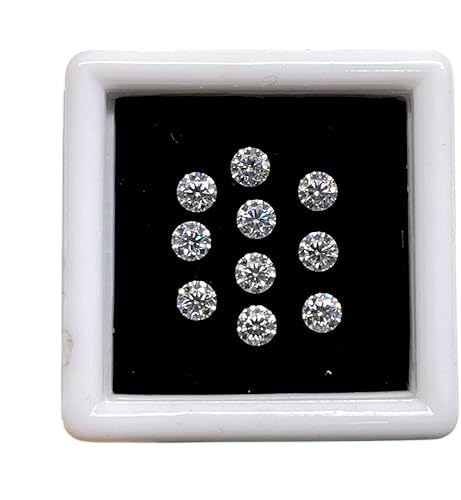 3 mm Natural Certified Diamonds – Round Cut Loose Stones (Set of 10) | VVS1 Clarity, D Color, IF Grade | Real Gemstones for Jewelry Making and Gift Collection ✓ Prime $33.99


This set is aimed at buyers who need multiple small natural diamonds for detailed jewelry work. If you’re comparing lab grown vs natural diamonds and want the mined-stone route for accents, repairs, or craft projects, this set offers a practical way to buy in quantity.
- ✓ Natural diamond option for buyers who prefer mined stones
- ✓ Set of 10 works well for multi-stone designs
- ✓ Small 3 mm size suits delicate jewelry
- ✓ Certified grading adds transparency
- ✓ Prime availability and low total price
- ✗ Very small stones are not ideal if you want a center stone
- ✗ Best for accents rather than statement jewelry
- ✗ Natural diamond supply may be less value-efficient than lab grown for some buyers
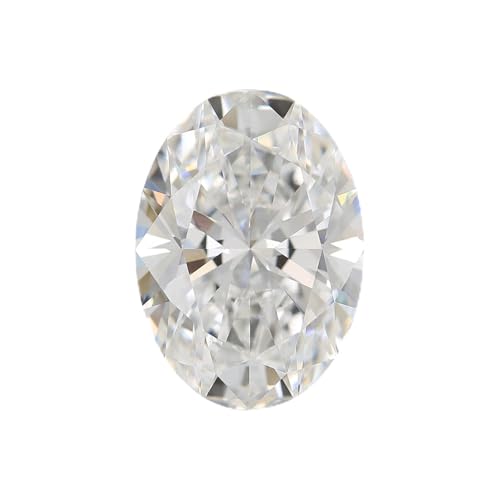 IGI Certified Lab Grown Loose Diamond, Oval Cut, 2 Ct TW (F-G Color, VVS-VS Clarity) for Making Precious Fine Jewelry ✓ Prime $607.99


This is the premium pick for buyers who want a certified lab grown oval with a more upscale profile and strong grading. The IGI certification and oval cut make it especially attractive for engagement-style jewelry, where shape and presence matter as much as raw specs.
- ✓ IGI certification is a major trust signal
- ✓ Oval cut creates a flattering, elongated look
- ✓ F-G color and VVS-VS clarity support a refined appearance
- ✓ Good fit for engagement, anniversary, or heirloom-style jewelry
- ✓ Lab grown origin keeps it conflict-free and more sustainable
- ✗ Highest price in this list
- ✗ Better for buyers who specifically want a premium lab grown stone
- ✗ Loose diamond only, so mounting and setting are separate costs
Common Mistakes to Avoid
- Assuming “lab grown” means fake: Lab grown diamonds are real diamonds, not simulants like cubic zirconia.
- Ignoring certification: Whether you choose lab grown vs natural diamonds, unverified stones are harder to compare fairly.
- Focusing only on carat: Cut, color, and clarity can matter more than size for visible beauty.
- Buying the wrong shape for the setting: A loose stone should match the ring or jewelry design you actually plan to use.
- Overpaying for the wrong category: If you want maximum size for the budget, lab grown often wins; if you want mined rarity, natural may be worth the premium.
Frequently Asked Questions
1) Are lab grown diamonds real diamonds?
Yes. Lab grown diamonds are real diamonds because they have the same carbon crystal structure and the same core physical, chemical, and optical properties as natural diamonds.
2) What is the main difference between lab grown vs natural diamonds?
The main difference is origin. Lab grown diamonds are created in a controlled environment, while natural diamonds form underground over millions to billions of years.
3) Do lab grown diamonds look different from natural diamonds?
To most people, no. In normal wear, both can look equally beautiful, and the visible difference usually comes down to cut quality, color, and clarity rather than origin.
4) Which is better for an engagement ring?
It depends on your priorities. Lab grown diamonds are often better for larger size and lower cost, while natural diamonds may be better for buyers who value rarity and tradition.
5) Are natural diamonds worth more than lab grown diamonds?
Usually yes, because natural diamonds are rarer and historically command stronger market pricing. Lab grown diamonds often offer better size-for-price value, but resale expectations can differ.
Pros
- + Lab grown diamonds offer strong value for size and clarity
- + Natural diamonds appeal to buyers who want rarity and tradition
- + Both options are real diamonds with the same core structure
- + Certified loose stones make comparison easier
- + Lab grown options can be more ethical and eco-friendly
Cons
- – Origin and pricing can be confusing
- – Certification is essential to avoid overpaying
- – Loose stones require separate setting costs
- – Natural diamonds often cost more for similar specs
- – Resale expectations vary by diamond type
Frequently asked questions
- Are lab grown diamonds real diamonds?
- Yes. Lab grown diamonds are real diamonds because they have the same carbon crystal structure and the same core physical, chemical, and optical properties as natural diamonds.
- What is the main difference between lab grown vs natural diamonds?
- The main difference is origin. Lab grown diamonds are created in a controlled environment, while natural diamonds form underground over millions to billions of years.
- Do lab grown diamonds look different from natural diamonds?
- To most people, no. In normal wear, both can look equally beautiful, and the visible difference usually comes down to cut quality, color, and clarity rather than origin.
- Which is better for an engagement ring?
- It depends on your priorities. Lab grown diamonds are often better for larger size and lower cost, while natural diamonds may be better for buyers who value rarity and tradition.
- Are natural diamonds worth more than lab grown diamonds?
- Usually yes, because natural diamonds are rarer and historically command stronger market pricing. Lab grown diamonds often offer better size-for-price value, but resale expectations can differ.
Get the Full Clothing, Shoes & Jewelry Buyer's Guide
Join our free newsletter — we'll send our latest Clothing, Shoes & Jewelry picks, specs and verdicts straight to your inbox.
Free. No spam. Unsubscribe anytime.
Was this review helpful?
Be the first to share your feedback on this review.
Sign in to vote and let us know what you think.
Discussion (0)
No comments yet. Be the first to start the discussion.
Related Reviews
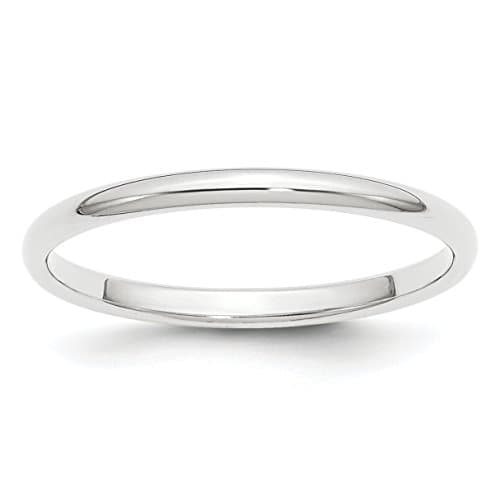
7 Best Platinum Wedding Bands in 2026 — Timeless Comfort, Classic Style, and Lasting Value
If you’re shopping for the best platinum wedding bands 2026, the biggest challenge is finding a ring that looks refined, wears comfortably every day, and matches your budget. Platinum is prized for its prestige and durability, but not every band offers the same width, fit, or finish. This research-b
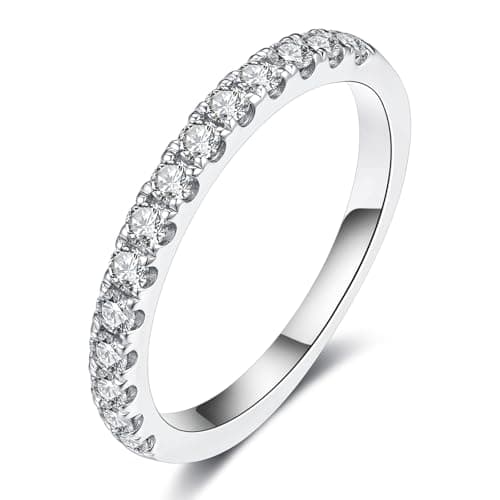
7 Best Eternity Rings for Anniversary in 2026 — Beautiful Sparkle at Every Budget
If you’re shopping for the best eternity rings for anniversary, the challenge is usually balancing meaning, sparkle, and price without ending up with a ring that looks too flimsy or too flashy. This guide narrows the field to researched picks that stand out for style, materials, comfort, and value b
How to Choose the Best Wedding Band Metal in 2026: Complete Buying Guide
Choosing a wedding band metal matters more than most buyers realize because it affects comfort, durability, maintenance, and how the ring looks years from now. The most common mistake is picking a metal based only on appearance, then discovering it scratches too easily, feels too heavy, or irritates