

Who this is for: Best for shoppers and beginners who want to understand jewelry metals and choose the right metal or learning resource.
Check PriceWhat is Jewelry Metals Explained? A Complete 2026 Guide
Jewelry metals explained means breaking down the most common metals used in rings, necklaces, earrings, bracelets, and metal jewelry-making so you can understand what each one does, how it behaves, and which one fits your needs. If you’ve ever wondered why one piece tarnishes, another scratches, and a third costs much more, the answer usually comes down to the metal itself. This guide explains the basics in plain English, then shows what to look for when buying jewelry or jewelry-making resources.
Related Reviews
In simple terms, jewelry metals are chosen for a mix of appearance, strength, weight, color, and resistance to wear. Some metals are prized for luxury and shine, while others are valued for affordability, durability, or how easy they are to shape and repair. Once you understand these tradeoffs, it becomes much easier to buy smarter and avoid paying for features you don’t actually need.
This is a research-based educational guide built from published product details, owner feedback patterns, and comparisons — not hands-on testing. It’s designed to help shoppers, hobbyists, and gift buyers make more confident decisions about metal jewelry and metalworking resources.
How It Works
Jewelry metals work the way they do because every metal has a unique mix of physical properties. Density affects how heavy a piece feels, hardness affects how easily it scratches, and corrosion resistance affects whether it dulls or tarnishes over time.
In practical terms, jewelers select a metal based on the job it needs to do. For example, a ring needs enough hardness to survive daily wear, while an earring can prioritize lightness and comfort. A metal used for crafting also needs to respond well to cutting, soldering, polishing, stamping, or shaping.
Alloys matter just as much as the base metal. An alloy is a blend of metals designed to improve strength, color, workability, or affordability, which is why “gold,” “silver,” or “steel” jewelry can behave very differently depending on what else is mixed in.
Key Benefits & Use Cases
Why jewelry metals matter
Understanding metals helps you choose pieces that match your lifestyle instead of just your style. That can mean fewer repairs, less tarnish, better comfort, and better value over time.
Common use cases
- Everyday wear: Durable metals are better for rings, chains, and bracelets worn often.
- Statement pieces: Some metals are chosen for color, shine, or a handcrafted look.
- Sensitive skin: Buyers often look for materials with fewer irritation issues.
- Jewelry making: Makers need metals that cut, form, solder, and finish cleanly.
- Budget shopping: Metal choice often determines whether a piece is affordable or premium.
What buyers usually care about
- How long the finish will last
- Whether it will tarnish or discolor
- How heavy or comfortable it feels
- How easy it is to maintain
- Whether it matches the wearer’s skin sensitivity and style
What to Look For When Buying
1. Metal type and alloy composition
Start by checking whether the jewelry is made from a pure metal, an alloy, or a plated base. Alloy content can change hardness, color, and durability significantly.
2. Tarnish and corrosion resistance
If you want low-maintenance jewelry, look for metals known for better resistance to dulling, oxidation, and discoloration. This matters especially for everyday pieces.
3. Weight and comfort
Some metals feel substantial, while others are lightweight and easier to wear for long periods. For earrings and large pendants, comfort can matter more than appearance.
4. Skin sensitivity
If you have sensitive skin, pay attention to nickel content, plating quality, and whether the product clearly states hypoallergenic-friendly materials. This is one of the most important buying filters.
5. Maintenance and repairability
Think about polishing, cleaning, resizing, and repairs. Some metals are easier to maintain at home, while others may require more specialized care.
Top Recommended Products
Below are a few helpful resources for readers who want to go beyond the basics and actually learn how metal jewelry is made, finished, and improved. These are especially useful if you’re exploring jewelry metals explained from a maker’s perspective.
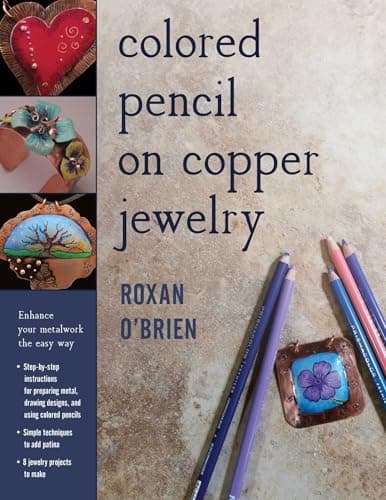
Colored Pencil on Copper Jewelry: Enhance Your Metalwork the Easy Way
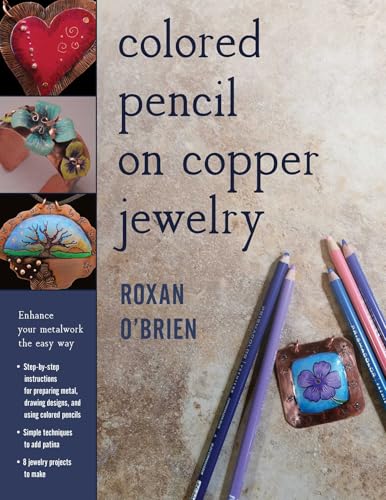
This is a niche but useful resource for anyone interested in decorative metal jewelry techniques, especially copper-based projects. It’s a good fit if you want to understand how surface treatment can change the look of metal without needing complex equipment.
- ✓ Focuses on an easy-to-follow decorative technique
- ✓ Helpful for copper jewelry experimentation
- ✓ Good entry point for makers who want a creative finish
- ✗ Narrower in scope than a general metals guide
- ✗ Best for readers already interested in hands-on jewelry making
Making Metal Jewelry: Projects, Techniques, Inspiration 4.6★ (research-based listing)
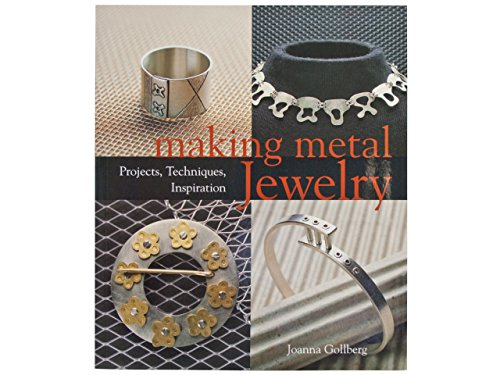


56% OFF — Was $14.95 ✓ Prime
For readers who want a broader, more practical introduction to metal jewelry, this title stands out as a strong all-around learning resource. The project-and-technique format makes it especially useful for people who learn best by seeing how concepts apply in real jewelry pieces.
- ✓ Good balance of projects, techniques, and inspiration
- ✓ Strong value at the listed discount
- ✓ Useful for beginners who want structure
- ✓ Prime shipping adds convenience
- ✗ Not a replacement for a deep technical metals reference
- ✗ Best for makers rather than pure theory readers
Magical Metal Clay Jewelry: Amazing Simple No-kiln Techniques for Making Beautiful Jewelry
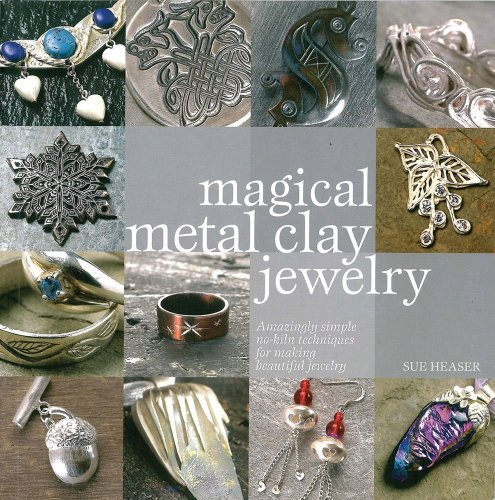
28% OFF — Was $24.99 ✓ Prime
This is a smart pick for readers who are curious about metal clay as a jewelry medium. It is especially appealing if you want a no-kiln approach and prefer a beginner-friendly path into metal-based jewelry creation.
- ✓ Focuses on no-kiln techniques
- ✓ Good for beginners exploring metal clay
- ✓ Useful for making attractive pieces without a full studio setup
- ✓ Prime availability is convenient
- ✗ More specialized than a general jewelry metals guide
- ✗ Not ideal if you want broad coverage of all metals
Complete Photo Guide to Making Metal Jewelry
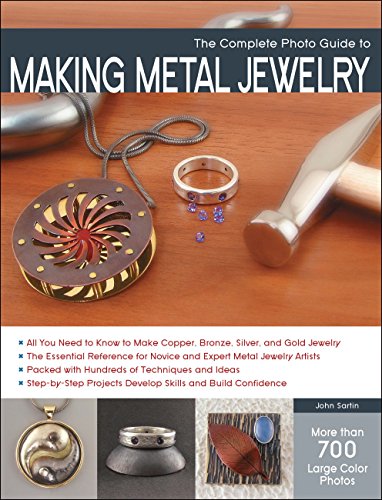
51% OFF — Was $32.00 ✓ Prime
This guide is best for visual learners who want a photo-driven approach to metal jewelry making. The “complete photo guide” format suggests a strong emphasis on step-by-step understanding, which can be especially helpful when learning tools, techniques, and workflow.
- ✓ Visual format is easier for many beginners
- ✓ Strong discount at the listed price
- ✓ Useful for learning core metal jewelry processes
- ✓ Prime shipping adds convenience
- ✗ Listed as used book in good condition
- ✗ May be less appealing if you want a brand-new copy
Common Mistakes to Avoid
- Choosing by appearance only: A shiny finish does not guarantee durability or comfort.
- Ignoring skin sensitivity: Some people react to certain alloys or low-quality plating.
- Overlooking maintenance: Some metals need more polishing, cleaning, or careful storage.
- Assuming all “gold” or “silver” is the same: Alloy mix and plating can change performance a lot.
- Buying the wrong resource level: Beginners often pick books that are too advanced or too narrow for their goals.
Frequently Asked Questions
What does “jewelry metals explained” mean?
It refers to a simple breakdown of the metals used in jewelry, including how they differ in durability, appearance, weight, cost, and maintenance.
Which jewelry metal is best for everyday wear?
The best choice depends on your priorities, but everyday wear usually calls for a metal that balances hardness, comfort, and resistance to tarnish.
What jewelry metals are best for sensitive skin?
People with sensitive skin usually look for low-irritation materials and carefully check for nickel content, plating quality, and alloy composition.
Why do some jewelry metals tarnish faster than others?
Tarnish happens when certain metals react with air, moisture, skin oils, or chemicals. Some metals and finishes resist that reaction better than others.
What should beginners buy if they want to learn metal jewelry making?
Beginners often do best with a practical, visual guide that explains tools, techniques, and projects in a clear step-by-step format.
Pros
- + Explains metal types in plain English
- + Covers buying criteria like tarnish and skin sensitivity
- + Includes practical jewelry-making resources
- + Good mix of beginner-friendly and visual guides
- + Helpful for shoppers and makers
Cons
- – Not hands-on tested
- – Some recommended items are niche
- – Not a deep metallurgy textbook
Frequently asked questions
- What does “jewelry metals explained” mean?
- It refers to a simple breakdown of the metals used in jewelry, including how they differ in durability, appearance, weight, cost, and maintenance.
- Which jewelry metal is best for everyday wear?
- The best choice depends on your priorities, but everyday wear usually calls for a metal that balances hardness, comfort, and resistance to tarnish.
- What jewelry metals are best for sensitive skin?
- People with sensitive skin usually look for low-irritation materials and carefully check for nickel content, plating quality, and alloy composition.
- Why do some jewelry metals tarnish faster than others?
- Tarnish happens when certain metals react with air, moisture, skin oils, or chemicals. Some metals and finishes resist that reaction better than others.
- What should beginners buy if they want to learn metal jewelry making?
- Beginners often do best with a practical, visual guide that explains tools, techniques, and projects in a clear step-by-step format.
Get the Full Clothing, Shoes & Jewelry Buyer's Guide
Join our free newsletter — we'll send our latest Clothing, Shoes & Jewelry picks, specs and verdicts straight to your inbox.
Free. No spam. Unsubscribe anytime.
Was this review helpful?
Be the first to share your feedback on this review.
Sign in to vote and let us know what you think.
Discussion (0)
No comments yet. Be the first to start the discussion.
Related Reviews
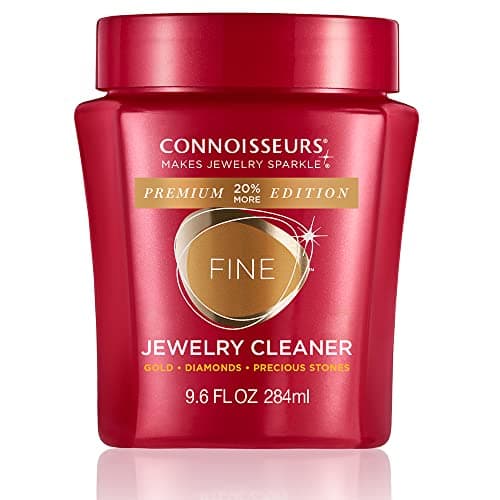
8 Best Jewelry Cleaners in 2026 — Sparkle Faster, Spend Less, and Clean Smarter
If your rings, necklaces, watches, or silver pieces look dull but you don’t want to risk damage, you’re in the right place. The best jewelry cleaners 2026 shoppers should consider are the ones that balance cleaning power, material safety, and ease of use. This roundup focuses on researched specs, pu
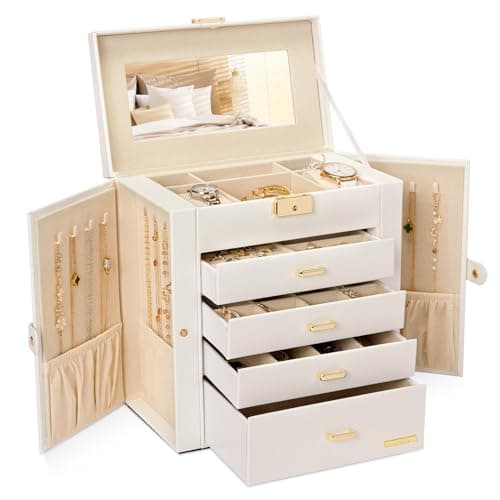
8 Best Jewelry Boxes Organizers in 2026 — Tangle-Free Storage for Every Vanity
If your necklaces are knotting, earrings keep disappearing, or your dresser looks cluttered, the right organizer can fix all three problems at once. This roundup of the best jewelry boxes organizers focuses on storage capacity, layout, protection, and everyday convenience for women, girls, and gift
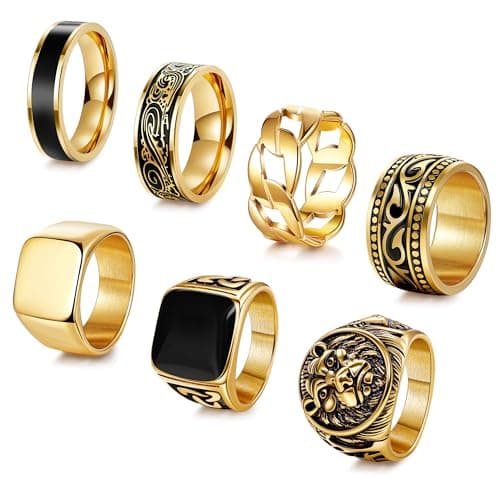
6 Best Signet Rings in 2026 — Stylish Picks for Every Budget and Finger Type
If you’re searching for the best signet rings , you probably want something that looks sharp, wears comfortably, and doesn’t fall apart after a few weeks. The challenge is that Amazon is packed with cheap sets, minimalist bands, and statement pieces that all claim to be “vintage” or “premium.” This