
What is Diamond 4Cs Explained? A Complete 2026 Guide
Diamond 4Cs explained simply means learning how diamond quality is judged using four main factors: cut, color, clarity, and carat. If you’re shopping for an engagement ring or trying to compare stones, understanding the 4Cs helps you avoid overpaying for features you may not actually notice. This guide breaks each factor down in plain English so you can make a smarter, more confident buying decision.
Related Reviews
How It Works
The diamond 4Cs are a grading system used to describe a diamond’s appearance and value. Each “C” measures a different characteristic, and together they help buyers compare diamonds that may look similar at first glance but differ significantly in brilliance, rarity, and price.
Cut refers to how well a diamond’s facets are shaped and arranged to reflect light. This is often the most important C for visual beauty because a well-cut diamond can appear brighter and more lively, while a poorly cut one may look dull even if it has excellent color or clarity.
Color measures how much tint a diamond has, usually on a scale from colorless to light yellow or brown. The less color a diamond shows, the rarer it usually is, although many shoppers prefer near-colorless grades because they offer a strong balance of beauty and value.
Clarity describes internal marks called inclusions and surface marks called blemishes. Most diamonds have some imperfections, but many are tiny enough that they are not visible without magnification, which is why clarity grades are about both rarity and how noticeable the flaws are.
Carat is the diamond’s weight, not its visual size. A higher carat usually means a larger and more expensive stone, but two diamonds with the same carat weight can look different in size depending on their cut proportions and shape.
Key Benefits & Use Cases
Understanding the 4Cs gives you a practical framework for comparing diamonds without relying on sales pressure or vague descriptions. Instead of focusing only on size or a single “high quality” label, you can decide which traits matter most for your budget and style.
Common use cases include:
- Buying an engagement ring and wanting the best balance of sparkle and price
- Comparing loose diamonds from different retailers
- Choosing where to spend more money and where to save
- Understanding diamond certificates and grading reports
- Shopping confidently online without seeing the stone in person
The biggest benefit of the 4Cs is control. Once you know how each factor affects appearance and cost, you can prioritize what actually matters to you instead of assuming the biggest diamond is automatically the best choice.
What to Look For When Buying
When evaluating a diamond, the best choice is usually the one that balances beauty, budget, and personal preference. Here are the five criteria that matter most.
1) Cut quality
Cut should usually be your top priority because it has the strongest impact on sparkle. A well-cut diamond reflects light more efficiently, which can make even a smaller stone look more impressive.
2) Color grade
If you want a bright, icy look, aim for a color grade that appears colorless or near-colorless to the eye. If you’re using a yellow or rose gold setting, you may be able to choose a slightly lower color grade and still get a beautiful result.
3) Clarity grade
Look for a clarity level where imperfections are not visible without magnification. Many buyers find that eye-clean diamonds offer the best value because they look beautiful without paying for ultra-high clarity grades that may not be noticeable in real life.
4) Carat weight
Carat affects price quickly, so even a small increase can make a big difference in cost. Instead of chasing the highest carat possible, think about the face-up size you want and how the diamond will look in a specific setting.
5) Certification and grading report
Always check for a reputable grading report from a trusted lab. A certificate helps verify the diamond’s 4Cs and reduces the risk of overpaying for a stone that is graded more generously by the seller than it would be by an independent lab.
Common Mistakes to Avoid
Many first-time buyers focus too much on one C and ignore the others. For example, buying a large diamond with a poor cut can leave you with a stone that looks less brilliant than a smaller, better-cut diamond.
Another common mistake is assuming that higher clarity always means better beauty. In reality, many clarity differences are invisible to the naked eye, so paying extra for a top clarity grade may not improve how the diamond looks day to day.
Shoppers also sometimes confuse carat with size and expect every diamond of the same weight to look identical. Shape, cut proportions, and setting style all affect how large a diamond appears on the hand.
It’s also easy to overlook the importance of certification. Without an independent grading report, it becomes much harder to compare stones fairly or know whether the seller’s description is accurate.
Finally, avoid shopping with only the price tag in mind. A cheaper diamond may seem like a deal until you realize it sacrifices cut quality or has visible flaws that affect its overall appearance.
Frequently Asked Questions
What are the 4Cs of a diamond?
The 4Cs are cut, color, clarity, and carat. They are the standard way to describe and compare diamond quality.
Which of the 4Cs is most important?
Cut is usually considered the most important because it has the biggest effect on sparkle and overall beauty.
Does a higher carat mean a better diamond?
Not necessarily. Carat only measures weight, so a larger diamond may still look less attractive than a smaller stone with a better cut.
What does eye-clean clarity mean?
Eye-clean means the diamond has no visible inclusions or blemishes when viewed without magnification, even if imperfections exist under a loupe.
How do I choose the best diamond for my budget?
Start by prioritizing cut, then balance color, clarity, and carat based on what matters most to your eyes and your budget.
Get the Full Clothing, Shoes & Jewelry Buyer's Guide
Join our free newsletter — we'll send our latest Clothing, Shoes & Jewelry picks, specs and verdicts straight to your inbox.
Free. No spam. Unsubscribe anytime.
Was this review helpful?
Be the first to share your feedback on this review.
Sign in to vote and let us know what you think.
Discussion (0)
No comments yet. Be the first to start the discussion.
Related Reviews
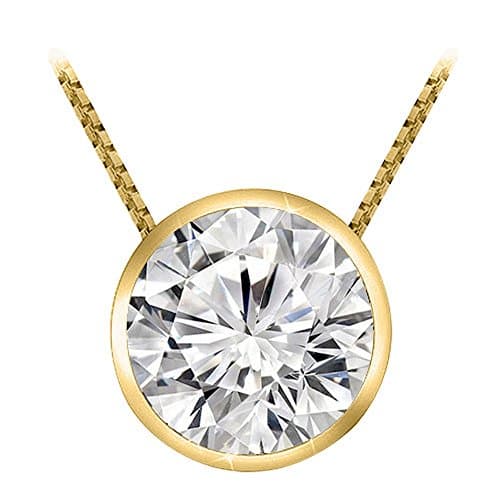
How to Choose the Best Diamond Pendant Size in 2026: Complete Buying Guide
If you’re trying to figure out how to choose the right diamond pendant size , the challenge is usually the same: you want a pendant that looks elegant, not overwhelming, and you don’t want to spend money on a size that feels too tiny or too flashy once it’s on the neck. The most common mistake buyer
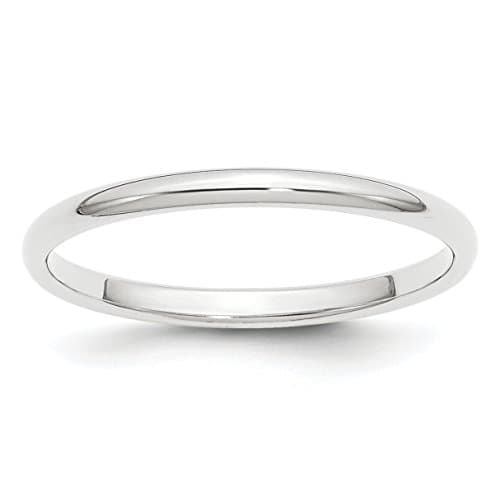
7 Best Platinum Wedding Bands in 2026 — Timeless Comfort, Classic Style, and Lasting Value
If you’re shopping for the best platinum wedding bands 2026, the biggest challenge is finding a ring that looks refined, wears comfortably every day, and matches your budget. Platinum is prized for its prestige and durability, but not every band offers the same width, fit, or finish. This research-b
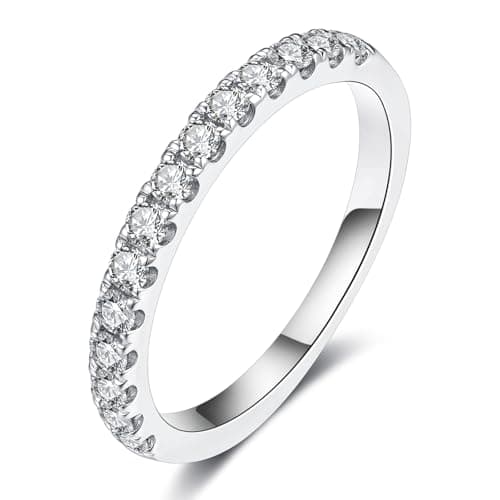
7 Best Eternity Rings for Anniversary in 2026 — Beautiful Sparkle at Every Budget
If you’re shopping for the best eternity rings for anniversary, the challenge is usually balancing meaning, sparkle, and price without ending up with a ring that looks too flimsy or too flashy. This guide narrows the field to researched picks that stand out for style, materials, comfort, and value b