
Who this is for: Best for readers who want to keep leather boots clean, protected, and longer-lasting with a simple maintenance routine.
Check PriceKnowing how to care for leather boots can feel confusing when you’re trying to prevent cracks, stains, salt damage, and that dry, tired look leather gets over time. The good news is that leather boot care is mostly a simple system: clean gently, condition at the right time, protect from water, and store them properly. This guide breaks down the process in plain English so you can keep your boots comfortable, attractive, and longer-lasting.
Related Reviews
How It Works
Leather is a natural material made from animal hide, so it behaves differently from synthetic fabrics. Over time, the oils inside leather can dry out, dirt can settle into the grain, and moisture can weaken the surface if it’s left untreated.
Boot care works by replacing what leather loses and blocking what harms it. Cleaning removes grit that can scratch the surface, conditioning restores flexibility, waterproofing helps repel moisture, and proper drying prevents the leather from becoming stiff or warped.
Think of it like maintenance for a tool you wear every day. The better you manage dirt, moisture, and drying cycles, the better your leather boots will hold their shape and finish.
Key Benefits & Use Cases
Why leather boot care matters
Regular care helps leather boots stay softer, resist cracking, and look more polished. It can also reduce odor buildup, protect stitching, and extend the lifespan of the sole and upper.
Where it helps most
- Work boots: frequent exposure to dust, mud, oil, and moisture
- Hiking boots: repeated wet/dry cycles and trail debris
- Everyday boots: salt stains, scuffs, and creasing from daily wear
- Seasonal storage: keeping boots from drying out while unused
- Wet climates: protecting leather from rain and snow damage
What to Look For When Buying
If you’re choosing leather boots and want them to be easier to maintain, focus on these five criteria:
1. Leather type
Full-grain and oil-tanned leather are generally more durable and age better than thinner, more processed leathers. They often respond well to conditioning and develop a richer patina.
2. Water resistance
Boots with waterproof membranes or treated leather are easier to protect in wet weather. This doesn’t eliminate maintenance, but it gives you more forgiveness when conditions get rough.
3. Stitching and construction
Strong stitching, reinforced seams, and durable welt construction matter because leather care is only part of the story. A well-built boot is less likely to fail before the leather itself wears out.
4. Removable insoles and lining
Boots with removable footbeds are easier to dry and deodorize. Moisture management inside the boot is just as important as surface care on the outside.
5. Outsole traction and job fit
If you wear boots for work or outdoor use, choose a sole that matches the environment. Better traction reduces unnecessary wear from slips, dragging, and harsh ground contact.
Top Recommended Products
Below are four leather boot options that make sense for buyers who want durable construction and practical wearability. Since this is an educational guide on how to care for leather boots, these picks are framed as examples of boot types that benefit from routine cleaning, conditioning, and protection.
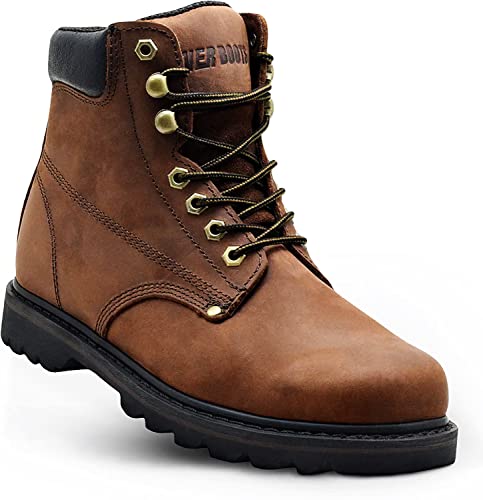
EVER BOOTS Tank Men's Soft Toe Oil Full Grain Leather Work Boots Construction Rubber Sole (10.5 D(M), Darkbrown)


This is a practical work-boot style built around full-grain leather and a rubber sole, which makes it a good example of a boot that benefits from regular cleaning and conditioning. The leather upper and reinforced build suggest a boot designed for daily wear, where dust and grime can build up quickly.
- ✓ Full-grain leather upper is a strong base for long-term care
- ✓ Soft toe and padded collar improve comfort for long wear
- ✓ Wide rubber sole adds stability for work environments
- ✓ Removable insoles can help with drying and maintenance
- ✓ Budget-friendly option for buyers who want durable leather boots
- ✗ Soft toe offers less protection than safety-toe work boots
- ✗ Heavy-duty work styling may feel bulky for casual use
- ✗ Leather will still need regular conditioning to avoid drying out
Wolverine Men'sOverpass 6" Mid Composite Toe Waterproof Work Boot, Summer Brown, 9.5 Medium


This waterproof leather work boot is a strong example of why protection matters in boot care. Waterproof leather still needs cleaning and conditioning, but it usually handles wet conditions better than untreated leather.
- ✓ Waterproof leather helps shield against rain and job-site moisture
- ✓ Composite toe and protective outsole suit demanding use
- ✓ Removable cushioned footbed supports easier drying and cleaning
- ✓ Flexible construction can improve comfort during long wear
- ✓ Good fit for workers who need durability and weather resistance
- ✗ Waterproof boots still require drying after heavy exposure
- ✗ More features usually mean a higher price
- ✗ Protective coatings can make care routines more product-specific
 Columbia Men's Transverse Waterproof Hiking Boot


For hikers, the big lesson is that waterproof leather boots need routine care to keep the outer layer from looking worn and to preserve breathability. This model combines leather and mesh, so cleaning should be gentle and focused on the leather portions.
- ✓ Waterproof seam-sealed construction helps in wet weather
- ✓ Lightweight cushioning is useful for long walking days
- ✓ Trail traction supports outdoor use and rough terrain
- ✓ Durable leather and mesh upper balances structure and comfort
- ✓ Good choice for people who want easier all-around maintenance
- ✗ Mixed materials require more careful cleaning than all-leather boots
- ✗ Mesh areas won’t condition like leather and need separate care
- ✗ Best for hiking, not necessarily for heavy-duty work
 Carhartt 6” Moc Toe Waterproof Work Boots for Men - Oil-Tanned Leather Boots with FastDry Lining, Dual-Density Rubber Wedge Traction Outsole, EH Rated, Dark Brown - 9.5M


This is a strong pick for buyers who want oil-tanned leather with waterproof support and a comfort-focused lining. Because the boot is designed for work, it’s the kind of footwear that benefits from consistent cleaning, drying, and conditioning after hard use.
- ✓ Oil-tanned leather is durable and designed to flex with wear
- ✓ Waterproof membrane and moisture-wicking lining support dry interiors
- ✓ Removable insoles make maintenance easier
- ✓ Slip-resistant outsole is useful in messy work environments
- ✓ Strong choice for buyers who want premium work-boot construction
- ✗ Higher price than some other leather boot options
- ✗ Heavier-duty build may feel less casual
- ✗ Waterproof features still need proper care to stay effective
Common Mistakes to Avoid
- Using too much water: soaking leather can stiffen it and damage the finish.
- Skipping drying time: wearing boots while damp can cause odor, breakdown, and warped shape.
- Applying random products: not every cleaner, oil, or polish is safe for every leather type.
- Over-conditioning: too much conditioner can make leather overly soft or greasy.
- Storing them dirty: grit and salt left on the surface can cause long-term damage.
- Using direct heat: heaters, fireplaces, and hot dryers can crack leather fast.
A simple routine usually works best: brush off dirt, wipe with a slightly damp cloth if needed, let them dry naturally, condition when the leather looks dry, and use a protectant when weather exposure is likely.
Frequently Asked Questions
How often should I condition leather boots?
Most leather boots benefit from conditioning every few months, but the right schedule depends on climate and use. If the leather looks dry, feels stiff, or starts to lose its natural sheen, it’s probably time.
Can I use regular shoe polish on leather boots?
Sometimes, but not always. Polish can improve appearance, while conditioner helps keep leather flexible, so it’s important to know which product your boots actually need.
What’s the best way to dry wet leather boots?
Let them air dry at room temperature and remove the insoles if possible. Avoid direct heat, which can cause cracking and shrinkage.
Do waterproof leather boots still need care?
Yes. Waterproofing helps resist moisture, but it does not stop dirt buildup, salt stains, or drying over time. They still need cleaning and occasional conditioning.
How do I know if my boots need conditioner?
If the leather looks dull, feels dry, or starts showing fine creases and stiffness, it likely needs conditioner. A healthy leather surface usually feels supple rather than rigid.
Pros
- + Prevents cracking and dryness
- + Helps boots last longer
- + Improves comfort and appearance
- + Works for work, hiking, and daily wear
Cons
- – Needs regular upkeep
- – Wrong products can damage leather
- – Wet boots must dry slowly
- – Over-conditioning can be a problem
Frequently asked questions
- How often should I condition leather boots?
- Most leather boots benefit from conditioning every few months, but the right schedule depends on climate and use. If the leather looks dry, feels stiff, or starts to lose its natural sheen, it’s probably time.
- Can I use regular shoe polish on leather boots?
- Sometimes, but not always. Polish can improve appearance, while conditioner helps keep leather flexible, so it’s important to know which product your boots actually need.
- What’s the best way to dry wet leather boots?
- Let them air dry at room temperature and remove the insoles if possible. Avoid direct heat, which can cause cracking and shrinkage.
- Do waterproof leather boots still need care?
- Yes. Waterproofing helps resist moisture, but it does not stop dirt buildup, salt stains, or drying over time. They still need cleaning and occasional conditioning.
- How do I know if my boots need conditioner?
- If the leather looks dull, feels dry, or starts showing fine creases and stiffness, it likely needs conditioner. A healthy leather surface usually feels supple rather than rigid.
Get the Full Clothing, Shoes & Jewelry Buyer's Guide
Join our free newsletter — we'll send our latest Clothing, Shoes & Jewelry picks, specs and verdicts straight to your inbox.
Free. No spam. Unsubscribe anytime.
Was this review helpful?
Be the first to share your feedback on this review.
Sign in to vote and let us know what you think.
Discussion (0)
No comments yet. Be the first to start the discussion.
Related Reviews

3 Best Dress Shoes for Wide Feet in 2026 — Roomier Fits Without Sacrificing Style
If you have wide feet, shopping for dress shoes can be frustrating: too-tight toe boxes, heel slip, and rigid uppers often make polished shoes hard to wear for a full day. This roundup focuses on the best dress shoes for wide feet that balance fit, comfort, and versatile styling for work, events, an
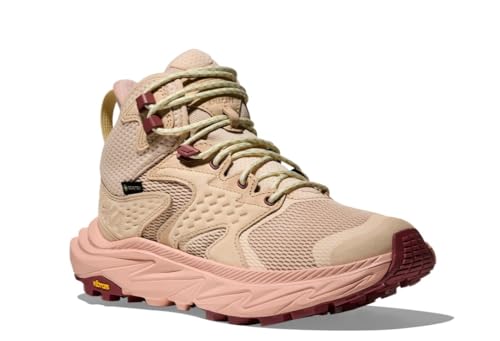
Hoka Women's Anacapa 2 Mid GTX® Oak/Rose Latte 6 Medium Review (2026): Specs, Pros & Cons, and Who It's For
The Hoka Women's Anacapa 2 Mid GTX® Oak/Rose Latte 6 Medium is designed for buyers who want a hiking boot that feels more approachable than a stiff, traditional leather model. Based on published specs and owner feedback, the standout design choice is the jacquard knit upper, which gives the boot a m

8 Best Wedding Shoes Comfortable in 2026 — Stylish Picks That Won’t Leave Your Feet Sore
If you’re searching for the best wedding shoes comfortable enough to wear through the ceremony, photos, dinner, and dancing, you’re in the right place. The challenge is finding a pair that looks wedding-ready without pinching, slipping, or leaving you counting the minutes until you can take them off