

Who this is for: Best for shoppers who want to understand boot fit basics before buying and avoid discomfort from poor sizing.
Check PriceWhat is How Should Boots Fit? A Complete 2026 Guide
If you’ve ever wondered how should boots fit, the answer matters more than most shoppers realize: the wrong fit can cause blisters, heel slip, pinched toes, and fatigue. The right fit should feel secure without squeezing, with enough room for natural movement and the socks you’ll actually wear. In this guide, we’ll break down how boot fit works, what to look for before buying, and which options from our research stand out for comfort and value.
Related Reviews
How It Works
Boot fit is a balance between length, width, instep volume, heel hold, and shaft fit. Unlike sneakers, boots often have stiffer materials and higher collars, so the shape of the boot needs to match more than just your foot length. A good fit lets your toes relax, keeps your heel from lifting too much, and gives the upper enough room to avoid pressure points.
Materials and construction also affect fit. Leather, faux fur, cushioned insoles, and rubber outsoles all influence how a boot feels once you stand, walk, and bend your foot. Boots with structured stitching, supportive soles, and the right opening size can feel more stable, while a poor match in shaft height or circumference can make even the right size feel uncomfortable.
In practical terms, boots should usually fit with a little wiggle room at the toes, a snug but not tight heel, and enough space to wear your intended socks. Since winter boots and pull-on boots often fit differently than lace-up styles, checking the product’s size guidance is just as important as checking the number on the box.
Key Benefits & Use Cases
When a boot fits correctly, you get more than comfort. You also get better support, less rubbing, fewer hot spots, and a more secure walking experience.
- Daily wear: A proper fit helps prevent heel slip and foot fatigue during long days.
- Cold-weather use: Winter boots need enough room for warm socks without feeling cramped.
- Outdoor walking: A stable fit improves traction control and reduces awkward movement inside the boot.
- Style-focused outfits: The right shaft height and opening keep the boot looking clean and sitting properly on the leg.
- All-day comfort: A balanced fit reduces pressure on toes, arches, and the top of the foot.
What to Look For When Buying
Here are five fit criteria to check before buying boots online or in-store.
1) Toe room
Your toes should not feel jammed against the front. A small amount of space helps with walking, swelling, and thicker socks.
2) Heel security
A little heel movement can happen in new boots, but excessive slip usually means the boot is too big or the shape is wrong for your foot.
3) Width and instep volume
If the boot feels tight across the top of your foot or the sides of your forefoot, the issue may be width or volume, not length.
4) Shaft height and circumference
For ankle and mid-calf boots, the opening should sit comfortably without digging in or rubbing your leg.
5) Sock compatibility
Always consider the socks you plan to wear. Winter boots often need extra room for thicker socks, while casual boots may fit best with standard socks.
Top Recommended Products
Below are two researched product options that help illustrate different fit priorities: one winter-style boot with a roomy, warm build and one casual pull-on boot with a more structured leather upper. These are not hands-on test results; they’re based on published specs, product details, and buyer feedback patterns.
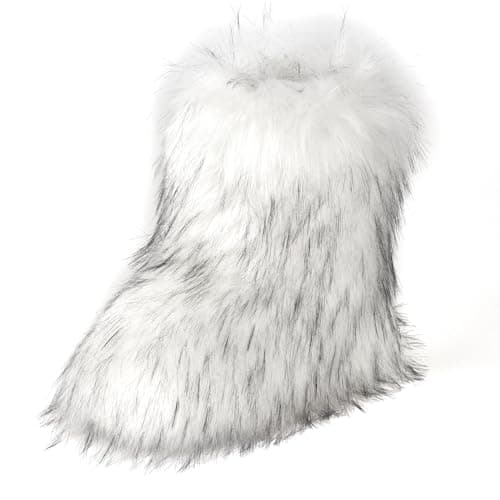
qenqenr Fashion Fur Boots,Flat Heel Comfy Plush Warm Snow Booties,2025 Winter Outdoors Furry Boots,Mid-Calf Faux fur Boot for Women. ✓ Prime $29.99
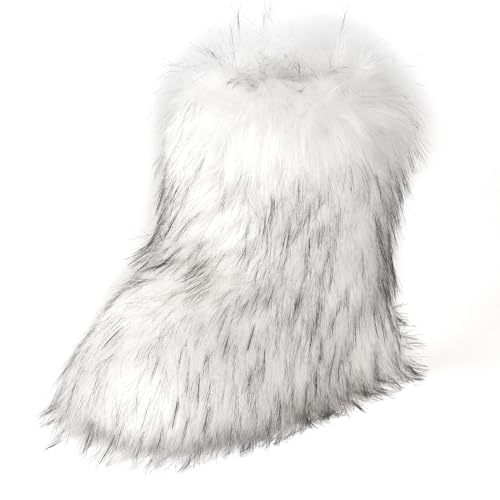


This boot is built around warmth and casual winter wear. The product details emphasize soft interior fluff, a non-slip rubber sole, and a fit note suggesting wider or thicker feet may need to size up 1–2 sizes.
- ✓ Soft fluffy interior designed to help keep feet warm in cold weather
- ✓ Non-slip rubber sole for added traction
- ✓ Mid-calf height can work well for winter outfits and snow use
- ✓ Product guidance specifically addresses wider or thicker feet
- ✓ Prime shipping available
- ✗ Fit may run small for some wider-footed buyers
- ✗ Faux-fur styling may not suit every wardrobe
- ✗ Best for casual winter wear, not formal use
Dingo Womens Seguaro Pull On Round Toe Casual Boots Ankle Low Heel 1-2" - Black - Size 9 M ✓ Prime $69.97
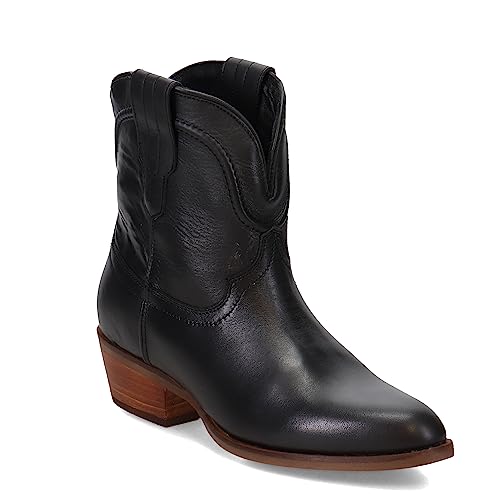


This option is more about everyday structure and easy on-off wear. With a leather upper, pull-on entry, cushioned insole, and 1.75-inch heel, it fits shoppers who want a more classic casual boot profile.
- ✓ Leather upper for a more structured feel
- ✓ Pull-on entry makes it easier to wear
- ✓ Hinged cushioned insole adds comfort underfoot
- ✓ Rubber outsole supports everyday traction
- ✓ Round toe shape can be more forgiving than narrow styles
- ✗ Pull-on design may not suit very high insteps
- ✗ Heel height may feel less stable for some buyers than a flat boot
- ✗ Higher price than the winter faux-fur option
Common Mistakes to Avoid
- Buying too tight: Boots that feel “snug” in the store often become painful after a full day of wear.
- Ignoring sock thickness: Winter socks can change the fit dramatically.
- Forgetting shaft fit: A boot can fit your foot but still pinch your calf or ankle.
- Assuming all brands fit the same: Sizing varies a lot between styles and manufacturers.
- Choosing length only: Width, instep, and heel hold matter just as much as size number.
Frequently Asked Questions
How should boots fit in the toe area?
Boots should leave enough room for your toes to wiggle slightly without sliding forward into the front of the boot.
Should boots be tight or loose?
They should be secure, not tight. A good boot fit holds the heel and midfoot comfortably while leaving room for natural movement.
How much heel slip is normal in boots?
A small amount can happen with new boots, but noticeable slipping usually means the boot is too large or shaped poorly for your foot.
Should I size up for winter boots?
Sometimes, yes—especially if you plan to wear thick socks or have wider feet. Always check the product’s size guidance first.
How do I know if boot shaft fit is right?
The shaft should sit comfortably around your ankle or calf without pinching, rubbing, or making it hard to zip or pull on.
Pros
- + Toe room and heel hold are the biggest fit clues
- + Winter boots need extra space for thicker socks
- + Shaft height and circumference affect comfort
- + Structured uppers and cushioned insoles improve wearability
- + Two researched product options show different fit needs
Cons
- – Sizing varies a lot by brand and style
- – Pull-on boots may not suit high insteps
- – Winter styles can run small for wider feet
Frequently asked questions
- How should boots fit in the toe area?
- Boots should leave enough room for your toes to wiggle slightly without sliding forward into the front of the boot.
- Should boots be tight or loose?
- They should be secure, not tight. A good boot fit holds the heel and midfoot comfortably while leaving room for natural movement.
- How much heel slip is normal in boots?
- A small amount can happen with new boots, but noticeable slipping usually means the boot is too large or shaped poorly for your foot.
- Should I size up for winter boots?
- Sometimes, yes—especially if you plan to wear thick socks or have wider feet. Always check the product’s size guidance first.
- How do I know if boot shaft fit is right?
- The shaft should sit comfortably around your ankle or calf without pinching, rubbing, or making it hard to zip or pull on.
Score breakdown
- value
- 0.0
- usability
- 0.0
- durability
- 0.0
- performance
- 0.0
- buyerFeedback
- 0.0
Get the Full Clothing, Shoes & Jewelry Buyer's Guide
Join our free newsletter — we'll send our latest Clothing, Shoes & Jewelry picks, specs and verdicts straight to your inbox.
Free. No spam. Unsubscribe anytime.
Was this review helpful?
Be the first to share your feedback on this review.
Sign in to vote and let us know what you think.
Discussion (0)
No comments yet. Be the first to start the discussion.
Related Reviews
8 Best Winter Boots 2026 — Warm, Waterproof Picks for Slippery, Cold-Weather Days
If you’re searching for the best winter boots 2026 , you probably want one thing: boots that keep your feet warm and dry without feeling clunky or overpriced. The challenge is that “winter boots” can mean everything from rugged snow boots to cute ankle styles, and the wrong pair can leave you cold,
8 Best Steel Toe Boots in 2026 — Tough Protection Without Giving Up All-Day Comfort
If you’re shopping for the best steel toe boots , you probably want one pair that can handle heavy-duty protection, wet conditions, and long shifts without beating up your feet. The problem is that many work boots either feel too clunky, run hot, or wear out faster than you’d like. This research-bas
Blundstone 550 Review (2026): Specs, Pros & Cons, and Who It's For
If you’re reading a Blundstone 550 review , you probably want one thing: a boot that looks good, feels comfortable, and holds up through daily wear without constant fuss. The 550 is widely praised for its slip-on convenience, water-resistant leather, and cushioned support, but it’s not the right fit