

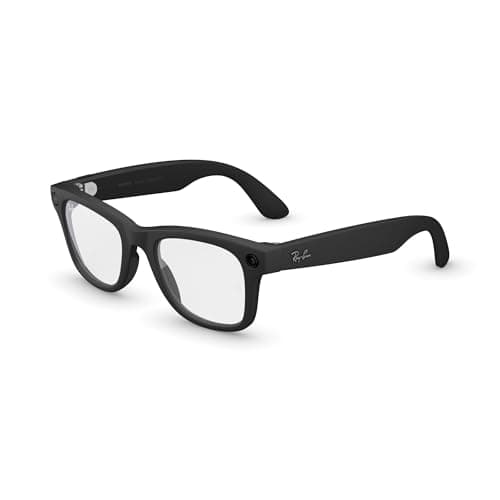
Who this is for: Best for buyers choosing between stylish everyday smart glasses and sport-focused AI glasses for workouts and capture.
Ray-Ban vs Oakley (2026): Which Should You Actually Buy?
At a Glance
| Category | Meta Ray-Ban (Gen 2) Wayfarer Smart AI Glasses | Meta Oakley Vanguard Smart AI Glasses |
|---|---|---|
| Price | $379.00 ✓ Prime | $499.00 ✓ Prime |
| Battery Life | Up to 8 hours | Up to 9 hours |
| Camera | 12 MP, up to 3K video, up to 3 minutes/session | 12 MP, up to 3K video, 122° field of view, slow motion and hyperlapse |
| Best For | Everyday style, calls, music, casual capture | Training, action capture, workout metrics |
| AI Features | Meta AI questions, object identification, reminders | Meta AI plus athletic stats and Garmin-linked metrics |
Design
Winner: Meta Ray-Ban (Gen 2) Wayfarer Smart AI Glasses
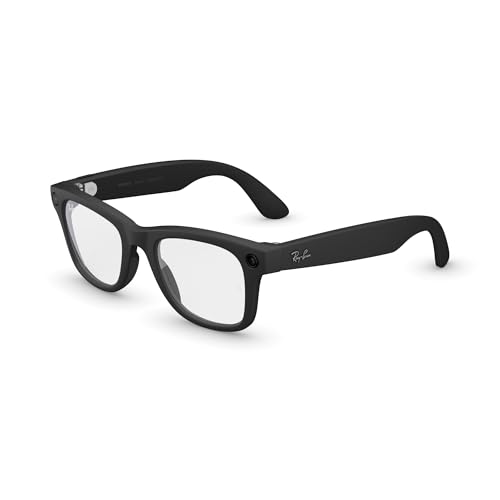

The Ray-Ban option wins on pure everyday wearability. The Wayfarer silhouette is the more universally recognizable, style-forward choice, and the matte black finish with clear lenses makes it easier to imagine wearing all day in casual, office, and social settings.
Related Reviews
Oakley’s Vanguard is more specialized in appearance. That is a plus if you want a sportier, more performance-driven look, but it is less versatile for buyers who want smart glasses that blend in like regular fashion eyewear.
Why Ray-Ban wins: it looks more natural in daily life and is easier to justify as an all-purpose pair.
Performance
Winner: Meta Oakley Vanguard Smart AI Glasses
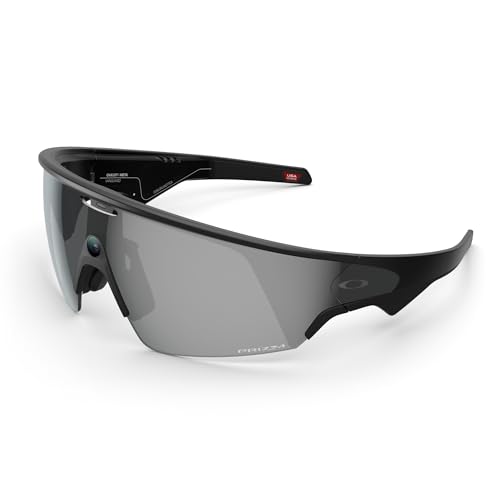

Oakley is the clear performance winner because the product is built around athletic use. Its feature set is centered on action capture, workout metrics, and AI-powered training support, which makes it more compelling for runners, cyclists, gym users, and anyone who wants smart glasses to do more than just record casual moments.
Both products offer 3K video capture and hands-free AI, but Oakley adds a more focused athletic angle. The 122° field of view, slow-motion and hyperlapse capture modes, and Garmin integration give it an edge for users who care about training data and sports content.
Why Oakley wins: it is purpose-built for active users and delivers the more specialized feature set.
Value
Winner: Meta Ray-Ban (Gen 2) Wayfarer Smart AI Glasses
Ray-Ban offers the better value because it comes in at $379, which is a meaningful $120 less than Oakley’s $499 asking price. For buyers who want smart glasses primarily for photos, video, music, calls, and Meta AI, Ray-Ban covers the core experience without pushing the budget as hard.
Oakley may justify its higher price for athletes, but value is about what you actually need. If you do not care about workout metrics or Garmin-linked performance data, the extra cost is harder to defend.
Why Ray-Ban wins: it delivers the mainstream smart glasses experience for less money.
Battery & Durability
Winner: Meta Oakley Vanguard Smart AI Glasses
Oakley takes this round with up to 9 hours of typical use, compared with Ray-Ban’s up to 8 hours. The difference is not huge, but it matters for longer workouts, full-day outings, and users who want a little more headroom before reaching for the charging case.
Oakley’s charging case also adds 36 hours on the go, while Ray-Ban’s case provides up to 48 hours. That means Ray-Ban has the stronger total charging-case backup, but Oakley still wins the practical battery round because its on-glasses runtime is longer.
Why Oakley wins: it lasts longer per charge, which is more useful during active use.
Camera & Content Capture
Winner: Meta Oakley Vanguard Smart AI Glasses
This is close, because both models use a 12 MP camera and record up to 3K video. But Oakley wins for content creators who want a more action-oriented setup: the 122° field of view, centered camera placement, and added slow-motion and hyperlapse modes make it better suited to sports and dynamic footage.
Ray-Ban is still strong for everyday clips, but Oakley gives you more tools for capturing movement in a way that feels built for action.
Why Oakley wins: it is the more flexible camera for active, fast-moving scenes.
AI & Smart Features
Winner: Meta Oakley Vanguard Smart AI Glasses
Both models support Meta AI for hands-free questions, suggestions, and object-related help, but Oakley goes further with athlete-focused intelligence. The ability to get AI-powered stats, set alerts based on goals, and pair with a compatible Garmin device makes it more useful for performance-minded users.
Ray-Ban’s AI features are broader and more lifestyle-oriented, which is great for everyday convenience. Still, when comparing feature depth, Oakley offers more specialized functionality.
Why Oakley wins: it adds training-specific AI features that Ray-Ban does not match.
Ray-Ban Is the Better Choice If…
- You want the more stylish, everyday-friendly smart glasses.
- You care about price and want the lower-cost option.
- You plan to use them for casual photos, video, music, and calls.
- You want smart glasses that feel less sport-specific and more versatile.
- You prefer a classic look that fits into most settings.
Oakley Is the Better Choice If…
- You want the better option for workouts, training, and sports.
- You care about longer battery life on the glasses themselves.
- You want more advanced action capture features like slow motion and hyperlapse.
- You plan to use AI for performance stats and goal-based alerts.
- You already use compatible Garmin gear and want a more connected experience.
Our Final Verdict
For most buyers searching Ray-Ban vs Oakley, the best choice depends on how you will actually use the glasses. If you want the most wearable, affordable, and broadly appealing smart glasses, Meta Ray-Ban (Gen 2) Wayfarer Smart AI Glasses is the safer pick.
But if your priority is athletic performance, workout tracking, and more action-ready capture, Meta Oakley Vanguard Smart AI Glasses is the stronger overall winner. It costs more, but the extra battery life and sport-focused feature set make it the better fit for active users.
Final call: choose Ray-Ban for style and value, but choose Oakley if you want the smarter buy for fitness and action use.
Check Ray-Ban Price on Amazon →
Check Oakley Price on Amazon →
Frequently Asked Questions
Are Ray-Ban Meta glasses better than Oakley Meta glasses?
Ray-Ban is better for everyday style and value, while Oakley is better for athletic use and performance features. The better choice depends on whether you want fashion-first or sport-first smart glasses.
Which has better battery life, Ray-Ban or Oakley?
Oakley has the edge on the glasses themselves with up to 9 hours of typical use versus Ray-Ban’s up to 8 hours. Ray-Ban’s charging case offers more total backup, though.
Which is better for workouts and running?
Oakley is the better option for workouts and running because it includes athletic intelligence, workout metrics, and Garmin-linked performance features.
Which model is cheaper?
Ray-Ban is cheaper at $379, while Oakley costs $499. If budget matters most, Ray-Ban is the better value.
Can both Ray-Ban and Oakley smart glasses take photos and videos?
Yes. Both support hands-free capture and 3K video recording, but Oakley adds more action-oriented capture modes and a wider performance focus.
Pros
- + Ray-Ban is more stylish and everyday-friendly
- + Ray-Ban costs less than Oakley
- + Oakley offers longer battery life on the glasses
- + Oakley is better for workouts and action capture
- + Both support 3K video and Meta AI
Cons
- – Ray-Ban is less athletic-focused
- – Oakley costs more
- – Oakley is less versatile for casual fashion use
Frequently asked questions
- Are Ray-Ban Meta glasses better than Oakley Meta glasses?
- Ray-Ban is better for everyday style and value, while Oakley is better for athletic use and performance features. The better choice depends on whether you want fashion-first or sport-first smart glasses.
- Which has better battery life, Ray-Ban or Oakley?
- Oakley has the edge on the glasses themselves with up to 9 hours of typical use versus Ray-Ban’s up to 8 hours. Ray-Ban’s charging case offers more total backup, though.
- Which is better for workouts and running?
- Oakley is the better option for workouts and running because it includes athletic intelligence, workout metrics, and Garmin-linked performance features.
- Which model is cheaper?
- Ray-Ban is cheaper at $379, while Oakley costs $499. If budget matters most, Ray-Ban is the better value.
- Can both Ray-Ban and Oakley smart glasses take photos and videos?
- Yes. Both support hands-free capture and 3K video recording, but Oakley adds more action-oriented capture modes and a wider performance focus.
Score breakdown
- value
- 8.4
- usability
- 8.5
- durability
- 8.7
- performance
- 8.8
- buyerFeedback
- 8.6
Get the Full Clothing, Shoes & Jewelry Buyer's Guide
Join our free newsletter — we'll send our latest Clothing, Shoes & Jewelry picks, specs and verdicts straight to your inbox.
Free. No spam. Unsubscribe anytime.
Was this review helpful?
Be the first to share your feedback on this review.
Sign in to vote and let us know what you think.
Discussion (0)
No comments yet. Be the first to start the discussion.
Related Reviews
What is Polarized vs Non Polarized Sunglasses? A Complete 2026 Guide
If you’re comparing polarized vs non polarized sunglasses, the main problem is usually simple: you want better eye protection and clearer vision, but the marketing terms make it hard to know which type actually fits your life. Polarized lenses are designed to reduce glare, while non-polarized lenses

8 Best Belt Bags in 2026 — Hands-Free Style Picks for Travel, Errands, and Everyday Wear
If you’re searching for the best belt bags 2026, you probably want something compact, comfortable, and easy to wear without sacrificing style. The challenge is that many belt bags look similar online, but differ a lot in storage, strap adjustability, durability, and price. This research-based roundu
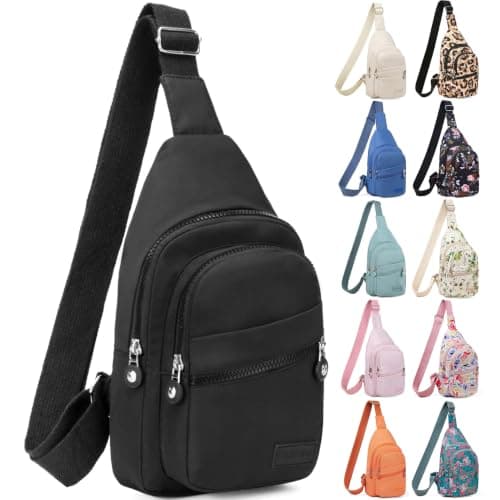
8 Best Crossbody Bags in 2026 — Hands-Free Style, Better Organization, and Travel-Friendly Comfort
If you’re searching for the best crossbody bags 2026 , you probably want something that’s lightweight, easy to organize, and comfortable enough to wear all day. The problem is that many popular options look similar online, but they differ a lot in storage, security, strap comfort, and weather resist