

Who this is for: Best for shoppers comparing glare reduction vs screen visibility and choosing sunglasses for driving, sports, or everyday wear.
Check PriceIf you’re comparing polarized vs non polarized sunglasses, the main problem is usually simple: you want better eye protection and clearer vision, but the marketing terms make it hard to know which type actually fits your life. Polarized lenses are designed to reduce glare, while non-polarized lenses can be better for situations where screen visibility or natural color perception matters more. This guide breaks down how they work, when each makes sense, what to look for before buying, and which options are worth considering from the current product list.
Related Reviews
How It Works
Sunglasses do two main jobs: they block harmful UV rays and they reduce brightness. Both polarized and non-polarized sunglasses can provide UV protection, but the difference is in how they handle reflected light.
Polarized lenses contain a special filter that blocks horizontal glare from surfaces like water, pavement, snow, and car hoods. That glare is often what makes sunny conditions feel harsh and visually tiring, so polarization can make outdoor scenes look sharper and more comfortable.
Non-polarized lenses, on the other hand, reduce overall brightness without using that glare-blocking filter. That means they usually preserve a more natural view of the world and are less likely to interfere with LCD screens, phone displays, dashboards, or certain instrument panels.
In practical terms, polarized lenses are often preferred for fishing, boating, driving in bright sun, and beach days, while non-polarized lenses can be more convenient for sports, everyday wear, and situations where you need to read screens quickly.
Key Benefits & Use Cases
When polarized sunglasses make sense
Polarized lenses are best when glare is your biggest issue. They can reduce squinting, improve comfort near reflective surfaces, and make details easier to see outdoors.
- Driving in bright daylight, especially on wet roads
- Fishing, boating, and water sports
- Beach trips and snow sports
- Anyone sensitive to harsh reflected light
When non-polarized sunglasses make sense
Non-polarized lenses are often the better choice when you need a more “neutral” visual experience or when screen readability matters.
- Using phones, tablets, ATMs, or digital dashboards
- Fast-paced sports where screen or display visibility matters
- People who prefer a more natural view without glare-filtering effects
- General everyday use with fewer visual artifacts
Why the choice depends on your routine
There is no universal “best” option. The right choice depends on whether you value glare reduction more than screen compatibility and natural color viewing. That’s why many buyers keep one polarized pair for outdoor glare and one non-polarized pair for daily versatility.
What to Look For When Buying
1. UV protection
Look for UV400 or 100% UVA/UVB protection. This matters more than polarization for eye safety, because polarization reduces glare but does not automatically guarantee UV protection.
2. Lens type and screen compatibility
If you often check phones, car dashboards, or digital displays, non-polarized lenses may be easier to live with. If you spend time around water or bright reflective surfaces, polarization may be worth the tradeoff.
3. Lens material and clarity
Glass lenses often offer excellent optical clarity and scratch resistance, while polycarbonate or PC lenses are usually lighter and more impact-resistant. Choose based on whether you prioritize sharpness, durability, or low weight.
4. Frame comfort and fit
A good frame should stay secure without pinching your nose or temples. Adjustable nose pads, lightweight materials, and grip-friendly temples can make a big difference during long wear.
5. Your main use case
Buy for your real routine, not just the label. A cyclist, driver, office commuter, beachgoer, and baseball player may all need different lens behavior even if they all wear sunglasses.
Top Recommended Products
Below are the two products in the current list, with notes on where each fits in the polarized vs non polarized sunglasses decision.
B.N.U.S Sunglasses Corning Glass Lens, Non-Polarized for Men Women
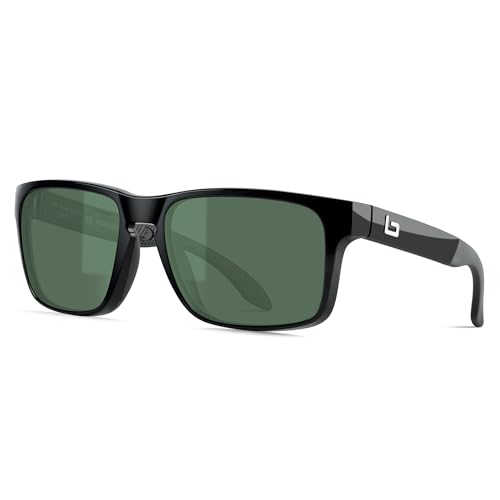
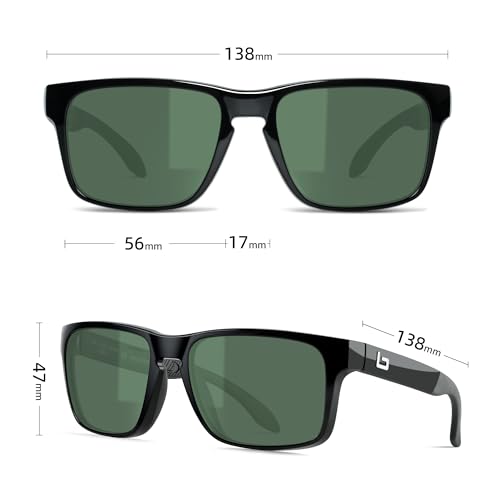
This is a strong pick if you want non-polarized sunglasses with glass lenses and everyday versatility. The product emphasizes clear viewing on LCD screens, true-color rendering, and UV400 protection, which makes it especially appealing for drivers, commuters, and anyone who frequently checks digital displays.
- ✓ Non-polarized lens design avoids screen distortion on phones, dashboards, and ATMs
- ✓ Corning glass lens material offers sharp clarity and scratch resistance
- ✓ UV400 protection helps block UVA and UVB rays
- ✓ Lightweight unisex nylon frame is designed for all-day comfort
- ✓ Backed by a 12-month warranty and Prime shipping
DUCO Cycling Sunglasses Non-Polarized UV400 Protection DC0025


This pair is aimed at active users who want non-polarized sunglasses for sports and outdoor movement. The lens design is meant to preserve natural visibility, which can be helpful for baseball, softball, cycling, and other fast-paced activities where you want a clear, undistorted view.
- ✓ UV400 protection helps shield eyes during long outdoor sessions
- ✓ Non-polarized PC lenses avoid darkening digital screens
- ✓ TR90 flexible frame is built to resist bending and cracking
- ✓ Adjustable silicone nose pads improve fit and comfort
- ✓ Anti-slip temple arms help keep the glasses secure during workouts
Common Mistakes to Avoid
- Assuming polarized always means better. Polarization is great for glare, but it can be inconvenient if you rely on screens or digital displays.
- Ignoring UV protection. Dark lenses without UV protection can still allow harmful rays through.
- Buying for style alone. The best choice depends on your daily activities, not just frame shape or lens color.
- Choosing the wrong lens type for driving. Polarized lenses can be excellent for glare, but they may make some LCD displays harder to read.
- Overlooking comfort. A poor fit can turn even a technically good pair into something you avoid wearing.
Frequently Asked Questions
Are polarized sunglasses better than non-polarized sunglasses?
Not always. Polarized sunglasses are better for reducing glare, but non-polarized sunglasses can be better if you need to read screens or want a more natural visual experience.
Do non-polarized sunglasses protect your eyes from UV rays?
They can, but only if they are made with proper UV protection. Non-polarized and polarized are different features, so always check for UV400 or 100% UVA/UVB protection.
Why are my phone or car screen colors weird with polarized sunglasses?
Polarized lenses can interfere with some LCD screens and displays, which may make them look darker, rainbow-like, or harder to read at certain angles.
Are non-polarized sunglasses good for driving?
Yes, especially if you often need to read dashboard screens or navigation displays. However, if glare from roads or water is your biggest issue, polarized lenses may be more comfortable.
Which is better for sports: polarized or non-polarized sunglasses?
It depends on the sport. Non-polarized sunglasses are often preferred for sports that involve screens or fast visual tracking, while polarized sunglasses can be better for water-based or high-glare environments.
Pros
- + Reduces glare in bright outdoor conditions
- + Non-polarized lenses preserve screen visibility
- + Both types can offer UV protection when rated properly
- + Lens choice can be matched to driving, sports, or daily use
Cons
- – Polarized lenses can distort some LCD screens
- – Non-polarized lenses do not reduce glare as much
- – UV protection is not guaranteed by lens type alone
- – The best option depends heavily on your use case
Frequently asked questions
- Are polarized sunglasses better than non-polarized sunglasses?
- Not always. Polarized sunglasses are better for reducing glare, but non-polarized sunglasses can be better if you need to read screens or want a more natural visual experience.
- Do non-polarized sunglasses protect your eyes from UV rays?
- They can, but only if they are made with proper UV protection. Non-polarized and polarized are different features, so always check for UV400 or 100% UVA/UVB protection.
- Why are my phone or car screen colors weird with polarized sunglasses?
- Polarized lenses can interfere with some LCD screens and displays, which may make them look darker, rainbow-like, or harder to read at certain angles.
- Are non-polarized sunglasses good for driving?
- Yes, especially if you often need to read dashboard screens or navigation displays. However, if glare from roads or water is your biggest issue, polarized lenses may be more comfortable.
- Which is better for sports: polarized or non-polarized sunglasses?
- It depends on the sport. Non-polarized sunglasses are often preferred for sports that involve screens or fast visual tracking, while polarized sunglasses can be better for water-based or high-glare environments.
Get the Full Clothing, Shoes & Jewelry Buyer's Guide
Join our free newsletter — we'll send our latest Clothing, Shoes & Jewelry picks, specs and verdicts straight to your inbox.
Free. No spam. Unsubscribe anytime.
Was this review helpful?
Be the first to share your feedback on this review.
Sign in to vote and let us know what you think.
Discussion (0)
No comments yet. Be the first to start the discussion.
Related Reviews

8 Best Hair Accessories in 2026 — Trendy Picks for Claw Clips, Bows & Everyday Hold
If you’re trying to find the best hair accessories 2026 has to offer, the hardest part is separating trendy pieces from ones that actually hold up in daily use. This roundup focuses on styles that match current demand—especially claw clips, bows, slick-back headbands, and easy everyday essentials—wh

Peak Design Travel Backpack 45L vs Nomatic Travel Pack (2026): Which Should You Actually Buy?
The Peak Design bag is built around a clean, rugged silhouette with a more travel-first feel. Its expandable structure, hidden straps, and multiple access points make it look purpose-built for people who want one bag to handle airports, trains, and day-to-day carry.

8 Best Gloves Winter 2026 — Warm, Touchscreen-Friendly Picks for Cold Weather
If your hands go numb the second you step outside, finding the best gloves winter 2026 can feel harder than it should. The right pair needs to balance warmth, touchscreen use, grip, and comfort without making your hands feel bulky or stiff. This roundup focuses on researched specs, published product