

What is How to Measure Belt Size? A Complete 2026 Guide
If you’ve ever ordered a belt online and ended up with one that’s too tight, too loose, or just awkwardly sized, you’re not alone. Learning how to measure belt size correctly saves time, returns, and frustration by matching the belt to your actual waist or existing belt length. This guide explains the process in simple terms, shows what matters when buying the right measuring tool, and highlights a few useful products that can make the job easier.
Related Reviews
How It Works
Measuring belt size is really about finding the right length from the buckle to the hole you use most often, or measuring your waist where the belt will sit. Most people make the mistake of using pants size alone, but belt sizing is usually more accurate when based on a real measurement. A flexible tape measure or a dedicated belt gauge helps you capture that number without guessing.
There are two common approaches. The first is to measure an existing belt from the buckle end to the hole you wear most often, which gives you a practical belt length. The second is to measure your waist or hips directly, then convert that measurement into the belt size recommended by the brand or style you’re buying. Because different brands label belts differently, a dependable measuring tool is often the easiest way to avoid sizing errors.
Key Benefits & Use Cases
Knowing how to measure belt size helps with everyday shopping and with specialty uses where precision matters.
- Better fit: You avoid belts that are too short to buckle comfortably or too long to wear neatly.
- Fewer returns: Accurate measurements reduce the chance of ordering the wrong size online.
- Useful for gifts: If you’re buying a belt for someone else, a measurement tool helps you choose with more confidence.
- Work and utility belts: Some belts need a more exact fit for comfort and function.
- Tailoring and sewing: Flexible measuring tools are also helpful for clothing adjustments and custom projects.
What to Look For When Buying
If you’re buying a tool to help measure belt size, these five criteria matter most:
1. Accuracy and clear markings
Look for large, easy-to-read inch and centimeter markings so you can measure without second-guessing the result.
2. Flexible material
A soft, non-stretch tape is ideal because it can wrap around the body or follow the curve of an existing belt without distortion.
3. Length range
For belts, a tool should be long enough to handle waist measurements and longer belt lengths, especially for work gear or larger sizes.
4. Ease of use
Retractable designs, lock features, or belt-gauge style tools can make solo measuring faster and more consistent.
5. Portability and durability
If you’ll use it often, choose something compact and sturdy enough to live in a drawer, sewing kit, gym bag, or toolbox.
Top Recommended Products
 Rotary Corp Measurer Belt Gauge ✓ Prime $69.99

This is a straightforward belt-measuring tool for shoppers who want a dedicated gauge instead of using a general tape measure. Since it’s purpose-built, it can be a practical option if you frequently size belts or want a more specialized tool for repeat use.
- ✓ Purpose-built belt gauge design
- ✓ Simple approach for repeat sizing
- ✓ Prime shipping available
- ✗ Higher price than a basic tape measure
- ✗ Less versatile than a multi-use measuring tool
 GA TES 91219 Belt Size Gauge V Ribbed and V Belt Length Finder ✓ Prime $125.78

This option stands out for users who need a more robust, dual-sided measuring solution. According to the listed features, it measures automotive V and Micro-V belts up to 120 inches, and the Micro-V side includes both inches and millimeters, which can be helpful if you need cross-unit readability.
- ✓ Dual-sided design for different belt types
- ✓ Measures up to 120 inches
- ✓ Inches and millimeters on the Micro-V side
- ✓ Prime shipping available
- ✗ Expensive for casual home use
- ✗ More specialized than most shoppers need
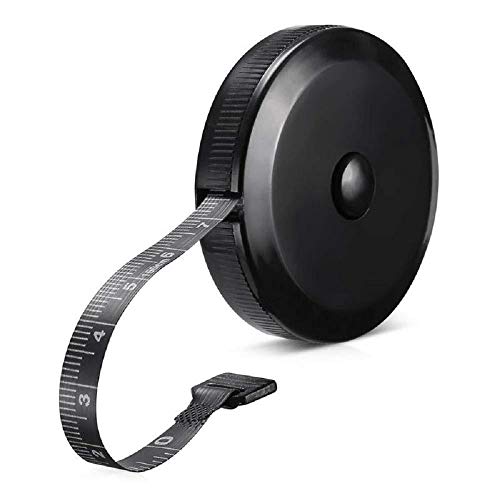 GDMINLO Soft Tape Measure Retractable Measuring for Body Fabric Sewing Tailor Cloth Knitting Craft Weight Loss Measurements Retractable Black Double Scales Rulers 1 Pack ✓ Prime $3.99
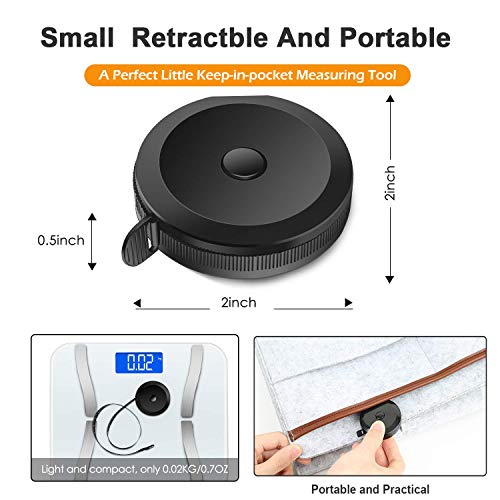
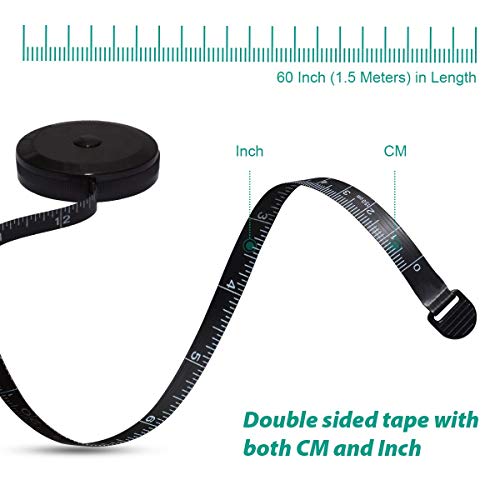
If you want a low-cost, flexible measuring tool for belt sizing, this is a practical choice. The listed features emphasize dual-sided markings, 60-inch length, retractable storage, and a non-stretch fiberglass construction, which makes it useful for body and curved-surface measurements.
- ✓ Very affordable
- ✓ Flexible and easy to use on curved surfaces
- ✓ Dual inch and centimeter markings
- ✓ Retractable and portable
- ✗ Not a dedicated belt gauge
- ✗ Best for general measuring rather than specialized sizing
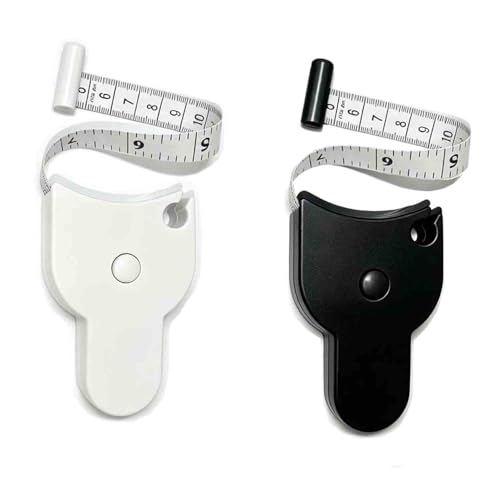 Perfect Body Tape Measure - 60 Inch Automatic Telescopic Tape Measure - Retractable Measuring Tape for Body: Waist, Hip, Bust, Arms, and More (White & Black- 60 inch) ✓ Prime $5.99


This is the best all-around pick for most people learning how to measure belt size. The listed features stress solo use, clear dual scales, compact size, and a lock-and-loop design, making it easy to measure your waist or an existing belt without help.
- ✓ Easy to use alone
- ✓ Dual scale with inches and centimeters
- ✓ Compact and portable
- ✓ Good value for everyday measuring
- ✗ Not specialized for automotive or industrial belts
- ✗ Basic design may feel too simple for professional use
Common Mistakes to Avoid
- Using pants size as belt size: Pants labels are not always the same as the belt length you need.
- Measuring the wrong spot: Belt size should reflect where the belt actually sits, not just any waist point.
- Ignoring buckle style: Different buckles can change the usable length of a belt.
- Forgetting brand differences: Not every brand uses the same sizing convention.
- Using a stretched or stiff tool: A poor-quality tape can lead to inaccurate results.
Frequently Asked Questions
How do I measure belt size at home?
Use a soft measuring tape around the spot where the belt will sit, or measure an existing belt from the buckle end to the hole you use most often.
Is belt size the same as waist size?
Not always. Belt size is often based on the waist measurement plus a little extra, but the exact sizing depends on the brand and belt style.
What size belt should I buy if I wear a 34 waist?
A common rule is to choose a belt a couple of inches larger than your waist size, but you should always check the brand’s size chart before ordering.
How do I measure an existing belt?
Lay the belt flat and measure from the buckle end to the hole you use most often. That length is usually the best reference for buying a replacement.
What tool is best for measuring belt size?
A flexible tape measure is the most versatile option for home use, while a dedicated belt gauge may be better if you measure belts often or need more specialized sizing.
Get the Full Clothing, Shoes & Jewelry Buyer's Guide
Join our free newsletter — we'll send our latest Clothing, Shoes & Jewelry picks, specs and verdicts straight to your inbox.
Free. No spam. Unsubscribe anytime.
Was this review helpful?
Be the first to share your feedback on this review.
Sign in to vote and let us know what you think.
Discussion (0)
No comments yet. Be the first to start the discussion.
Related Reviews
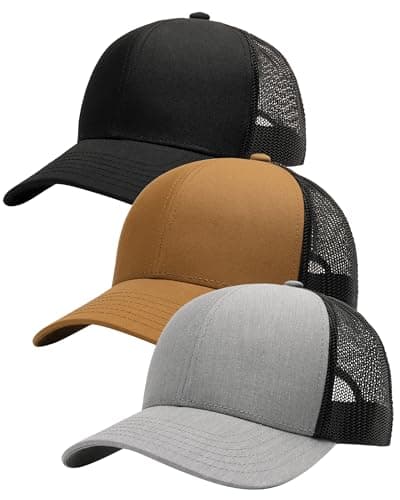
8 Best Hats in 2026 — Top Picks for Dad Caps, Beanies, and Everyday Wear
If you’re searching for the best hats 2026, you probably want something that actually fits well, looks good, and works for real life—not just a trendy photo. This roundup focuses on commercially relevant styles that show up again and again in buyer searches, especially dad caps, structured caps, and
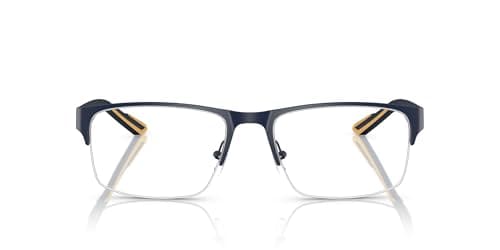
3 Best Prescription Glasses Online in 2026 — Stylish, Affordable Frames Delivered Fast
If you’re trying to find the best prescription glasses online, the biggest challenge is sorting real value from frames that look good but don’t hold up in everyday use. This roundup focuses on options that stand out for style, affordability, and practical features based on published specs, pricing,
8 Best Sunglasses for Women in 2026 — Stylish UV Protection Without the Guesswork
If you’re shopping for the best sunglasses for women, the hard part isn’t finding a cute pair — it’s finding frames that actually protect your eyes, feel comfortable all day, and match your style. This roundup focuses on women’s sunglasses with UV protection, polarized lenses where available, and fa