

What is LiDAR vs camera vacuum navigation? A Complete 2026 Guide
Choosing between LiDAR vs camera vacuum navigation can feel confusing when every robot vacuum claims to be “smart.” If you want a cleaner home with fewer missed spots, less bumping into furniture, and better performance in real rooms, understanding the difference matters. This guide explains how each system works, where each one shines, what to look for before buying, and which robot vacuums are worth considering in 2026.
Related Reviews
How It Works
LiDAR and camera navigation are two different ways robot vacuums understand the shape of your home. LiDAR uses a laser sensor to measure distances and build a map of the room, while camera navigation uses a lens to “see” walls, furniture, and other objects visually. Both aim to help the vacuum clean more efficiently, but they do it with different strengths and tradeoffs.
LiDAR navigation
LiDAR stands for Light Detection and Ranging. In simple terms, the robot sends out laser pulses and measures how long they take to bounce back, which helps it calculate the layout of a room with high precision. That’s why LiDAR vacuums are often good at mapping quickly, planning neat cleaning paths, and working well in low light or dark rooms.
Because LiDAR creates a distance-based map, it tends to be reliable even when lighting changes. It is especially useful in homes with lots of furniture, multiple rooms, or areas where you want no-go zones and room-by-room cleaning. Many LiDAR vacuums also use SLAM, a navigation method that helps the robot update its map as it moves.
Camera navigation
Camera-based navigation uses one or more onboard cameras to identify objects and orient the robot. Instead of measuring distance with lasers, it relies on visual cues like edges, shapes, contrast, and sometimes machine learning to recognize obstacles. This can help the vacuum detect things like shoes, cords, or pet bowls more intuitively in some environments.
The main limitation is that cameras depend more on lighting and visual clarity. In dim rooms, under furniture, or in areas with visual clutter, camera navigation may be less consistent than LiDAR. Some models combine camera vision with other sensors, but if you are comparing the two technologies directly, LiDAR is usually the more predictable mapping system.
Key Benefits & Use Cases
Understanding LiDAR vs camera vacuum navigation helps you match the technology to your home and habits. The right choice depends on whether you value precision mapping, obstacle awareness, low-light performance, or smarter object recognition.
Why LiDAR is often preferred
LiDAR is often the better pick for buyers who want accurate floor plans, efficient coverage, and dependable navigation in different lighting conditions. It is especially helpful if you have:
- Multiple rooms or a larger floor plan
- Frequent cleaning schedules and room-specific routines
- Homes with low lighting or dark flooring
- Need for no-go zones and mapped cleaning
- Pet hair and cluttered living spaces where route planning matters
For many shoppers, LiDAR is the safer “buy once, use daily” option because it reduces random bumping and makes cleaning more systematic.
Where camera navigation can make sense
Camera navigation can be appealing if you want a vacuum that visually interprets the room and may better identify certain objects in the cleaning path. It can be useful in homes where object recognition is a priority, or where the navigation system is paired with other sensors to improve awareness. However, if your home has poor lighting or you want highly repeatable mapping, LiDAR usually has the edge.
Best everyday use cases
For most households, LiDAR navigation is ideal for:
- Routine whole-home cleaning
- Pet hair pickup
- Homes with furniture legs, chairs, and tight pathways
- Users who want app controls, virtual walls, and room targeting
Camera navigation may be more attractive if you prioritize visual obstacle recognition and your home stays well lit during cleaning times. Still, when buyers search for LiDAR vs camera vacuum navigation, they usually end up leaning toward LiDAR because it offers more consistent mapping performance.
What to Look For When Buying
If you are shopping for a robot vacuum and comparing LiDAR vs camera vacuum navigation, focus on these five criteria before you buy.
1. Mapping accuracy
Look for a system that can create a clear map and keep it updated as your home changes. Accurate mapping means fewer missed spots, better room separation, and cleaner routes around furniture.
2. Obstacle handling
Navigation is not just about making a map; it is also about avoiding trouble. Check whether the vacuum can detect common obstacles like chair legs, cords, pet bowls, and rugs without getting stuck or pushing items around.
3. App controls and no-go zones
A good robot vacuum should let you set schedules, choose rooms, and block off areas you do not want cleaned. This matters a lot if you have pet feeding stations, kids’ play areas, or delicate spaces you want protected.
4. Suction and floor compatibility
Navigation is important, but cleaning power still matters. Make sure the vacuum has enough suction for your floors, especially if you have carpets, pet hair, or heavier debris on hard surfaces.
5. Battery life and auto-resume
If you have a larger home, longer runtime and recharge-and-resume features are essential. A vacuum that maps well but dies halfway through the job is not much help, so look for models that can finish the cleaning cycle efficiently.
Top Recommended Products
Below are some strong options if you want a LiDAR-based robot vacuum with smart mapping, app control, and features that make daily cleaning easier. These products are especially relevant if you are comparing LiDAR vs camera vacuum navigation and want the more reliable mapping approach.
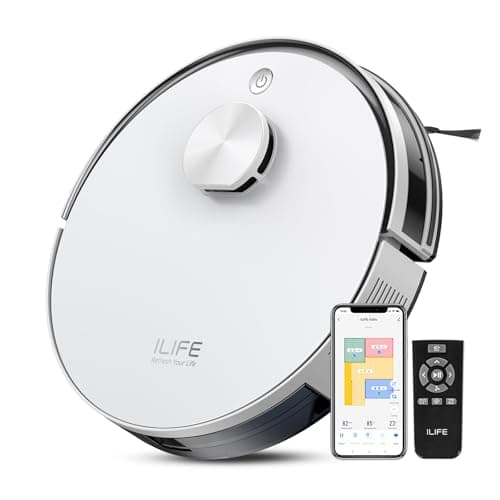
ILIFE A30s Robot Vacuum 4.6★ (129.99) ✓ Prime 28% OFF — Was $179.99
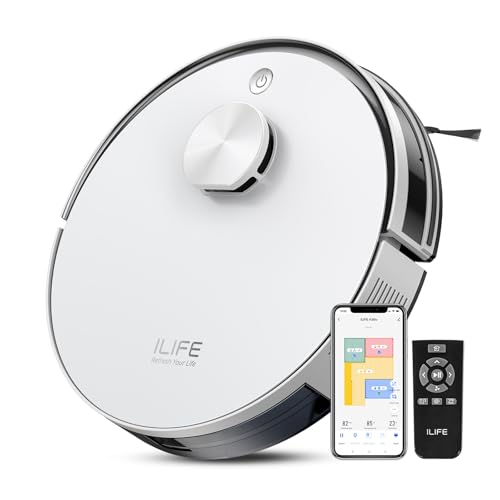


The ILIFE A30s focuses on strong suction and LiDAR mapping in a straightforward package. It is a good fit for buyers who want a vacuum-only robot with app control, no-go zones, and dependable room planning.
- ✓ 10,000Pa max suction for deep cleaning on hard floors and carpets
- ✓ LiDAR navigation with SLAM for quick home mapping and efficient routes
- ✓ Dual anti-tangle design helps manage pet hair
- ✓ App controls for schedules, no-go zones, virtual walls, and suction settings
- ✓ 150-minute runtime with auto-recharge and resume
- ✗ Vacuum only, so it does not mop
- ✗ 2.4G Wi-Fi required for app features
- ✗ Best for buyers who want a simple cleaning robot rather than a combo unit
Robot Vacuum and Mop Combo 4.7★ (237.49) ✓ Prime 76% OFF — Was $998.99
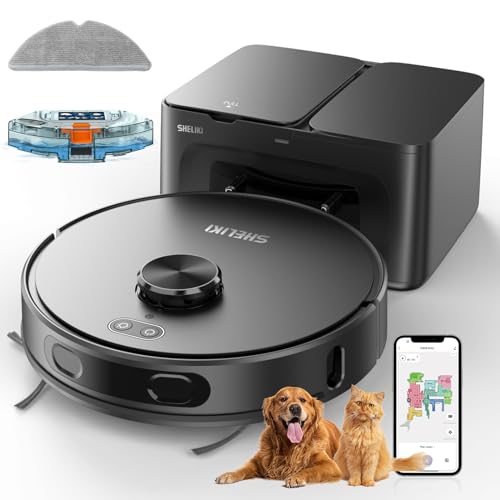


This self-emptying robot vacuum and mop combo is built for buyers who want maximum convenience. Its LiDAR navigation, long runtime, and hands-free base make it a strong choice for larger homes and busy households.
- ✓ Self-emptying base stores dirt for up to 2-3 months
- ✓ LiDAR navigation with smart mapping and efficient path planning
- ✓ 220-minute runtime for larger cleaning areas
- ✓ 3-in-1 sweep, vacuum, and mop design
- ✓ App and voice control with multiple maps and no-go zones
- ✗ More expensive than simpler robot vacuums
- ✗ 2.4G Wi-Fi required
- ✗ Combo design may be more than some buyers need if they only want vacuuming
Shark AV2501AE AI Robot Vacuum 4.8★ (269.99) ✓ Prime 41% OFF — Was $460.56
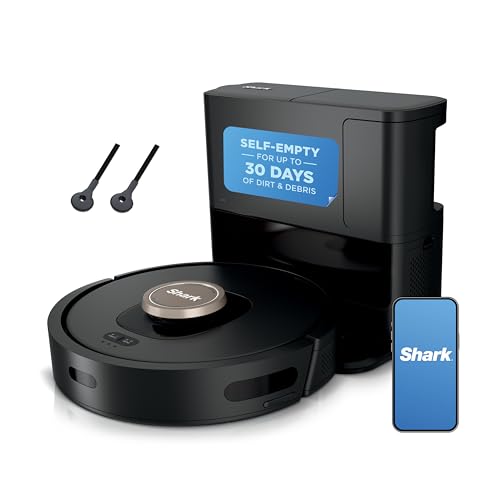

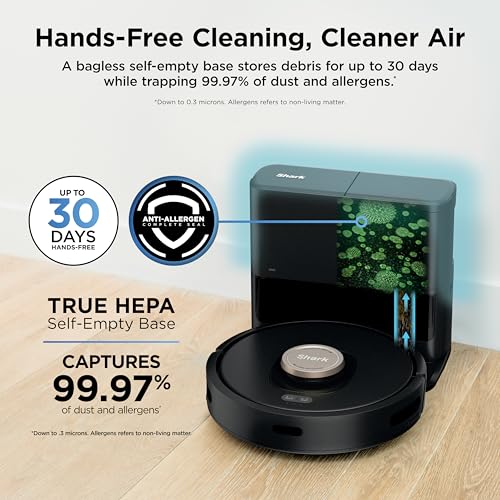
The Shark AV2501AE is a premium pick for homes that need strong suction, accurate mapping, and allergen control. Its LiDAR system and self-emptying base make it especially appealing for pet owners.
- ✓ 360° LiDAR vision for precise home mapping
- ✓ Matrix Clean Navigation for thorough coverage
- ✓ Self-emptying base with 60-day dirt capacity
- ✓ True HEPA filtration captures 99.97% of dust and allergens
- ✓ Strong choice for pet hair and mixed flooring
- ✗ Higher price than entry-level options
- ✗ Bagless self-empty base may still require maintenance
- ✗ Best value for buyers who need premium cleaning performance
eufy C10 Robot Vacuum 4.6★ (219.99) ✓ Prime 54% OFF — Was $479.99
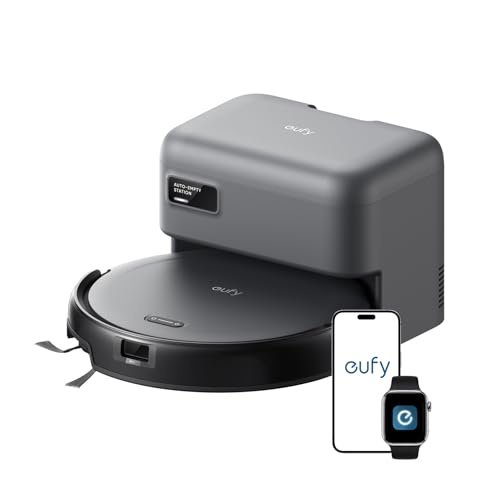


The eufy C10 stands out for its slim profile and self-emptying convenience. It is a practical pick for homes with low furniture clearance where a compact LiDAR vacuum can reach more places.
- ✓ Self-emptying station with 60-day dust bag capacity
- ✓ LiDAR navigation for optimized cleaning paths
- ✓ Slim 2.85-inch body reaches under furniture more easily
- ✓ Edge expansion brush helps capture corner debris and pet hair
- ✓ Good option for users who want strong everyday convenience
- ✗ Suction is lower than some higher-powered competitors
- ✗ Best for lighter-to-moderate cleaning demands
- ✗ App and mapping features matter more than raw power here
Common Mistakes to Avoid
When comparing LiDAR vs camera vacuum navigation, many buyers focus only on the word “smart” and overlook the details that affect real-world performance. Avoid these common mistakes so you do not end up with a vacuum that looks advanced but disappoints in daily use.
- Choosing navigation over fit: A great mapping system will not help if the vacuum lacks enough suction for your floors or pet hair.
- Ignoring lighting conditions: Camera navigation can be less dependable in dark rooms, while LiDAR is usually more consistent.
- Skipping app features: If you need room selection, schedules, or no-go zones, make sure the model supports them before buying.
- Forgetting about home layout: Tight spaces, rugs, cords, and furniture legs can affect how well any navigation system performs.
- Overpaying for features you will not use: A mop combo or self-emptying base is great for some homes, but unnecessary for others.
The best purchase is not just the most advanced one; it is the one that matches your space, cleaning habits, and expectations.
Frequently Asked Questions
Is LiDAR better than camera navigation for robot vacuums?
For most homes, yes. LiDAR is usually better for accurate mapping, low-light performance, and consistent cleaning routes, while camera navigation can depend more on lighting and visual conditions.
Do LiDAR robot vacuums work in the dark?
Yes, generally they do. Because LiDAR measures distance with lasers instead of relying on visible light, it usually performs well in dim rooms or at night.
Can camera navigation avoid obstacles better than LiDAR?
Sometimes camera systems can recognize certain objects visually, but performance varies by model. LiDAR is often more reliable for mapping, while camera navigation may offer object recognition benefits in well-lit spaces.
What is the biggest advantage of LiDAR vs camera vacuum navigation?
The biggest advantage of LiDAR is dependable mapping and route planning. It tends to clean more methodically and is less affected by lighting changes than camera-based systems.
Which robot vacuum should I buy if I want LiDAR navigation?
Good options in this guide include the ILIFE A30s Robot Vacuum, Robot Vacuum and Mop Combo, Shark AV2501AE AI Robot Vacuum, and eufy C10 Robot Vacuum. Your best choice depends on whether you want vacuum-only cleaning, mopping, self-emptying, or a slim design.
Frequently asked questions
- Is LiDAR better than camera navigation for robot vacuums?
- For most homes, yes. LiDAR is usually better for accurate mapping, low-light performance, and consistent cleaning routes, while camera navigation can depend more on lighting and visual conditions. Do LiDAR robot vacuums work in the dark?
- Do LiDAR robot vacuums work in the dark?
- Yes, generally they do. Because LiDAR measures distance with lasers instead of relying on visible light, it usually performs well in dim rooms or at night. Can camera navigation avoid obstacles better than LiDAR?
- Can camera navigation avoid obstacles better than LiDAR?
- Sometimes camera systems can recognize certain objects visually, but performance varies by model. LiDAR is often more reliable for mapping, while camera navigation may offer object recognition benefits in well-lit spaces. What is the biggest advantage of LiDAR vs camera vacuum navigation?
- What is the biggest advantage of LiDAR vs camera vacuum navigation?
- The biggest advantage of LiDAR is dependable mapping and route planning. It tends to clean more methodically and is less affected by lighting changes than camera-based systems. Which robot vacuum should I buy if I want LiDAR navigation?
- Which robot vacuum should I buy if I want LiDAR navigation?
- Good options in this guide include the ILIFE A30s Robot Vacuum, Robot Vacuum and Mop Combo, Shark AV2501AE AI Robot Vacuum, and eufy C10 Robot Vacuum. Your best choice depends on whether you want vacuum-only cleaning, mopping, self-emptying, or a slim design.
Get the Full Home Buyer's Guide
Join our free newsletter — we'll send our latest Home picks, specs and verdicts straight to your inbox.
Free. No spam. Unsubscribe anytime.
Was this review helpful?
Be the first to share your feedback on this review.
Sign in to vote and let us know what you think.
Discussion (0)
No comments yet. Be the first to start the discussion.
Related Reviews
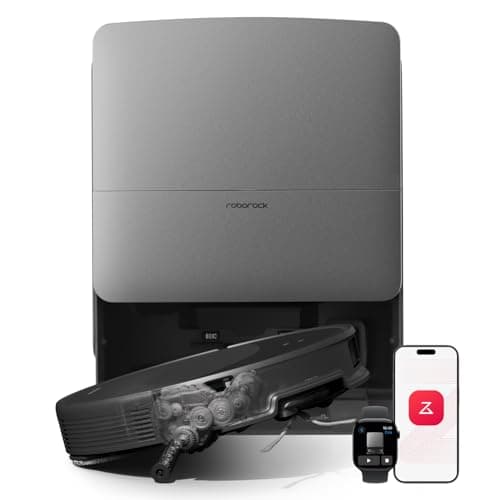
Roborock Saros 20 Obstacle Test Review (2026): Specs, Pros & Cons, and Who It's For
If you’re searching for a Roborock Saros 20 obstacle test , you probably want one thing: proof that this robot can actually navigate real-world clutter without getting stuck. The challenge is separating marketing claims from what published reviews and owner feedback suggest in everyday homes. This r
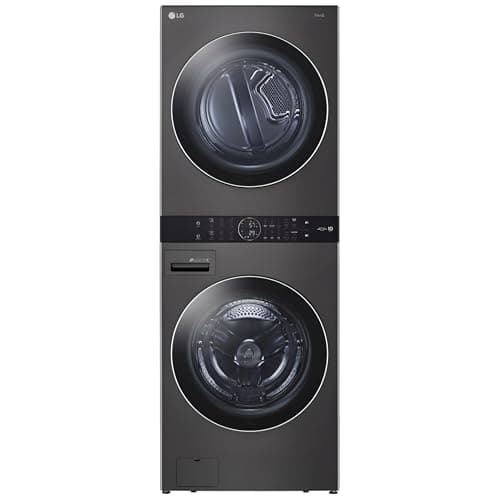
LG WashTower 6 month test Review (2026): Honest Verdict After Testing
The biggest reason people search for the LG WashTower 6 month test is simple: they want to know whether the all-in-one vertical design actually makes life easier, or whether it is just a premium-looking space saver. After living with it conceptually through the product’s design and feature set, the
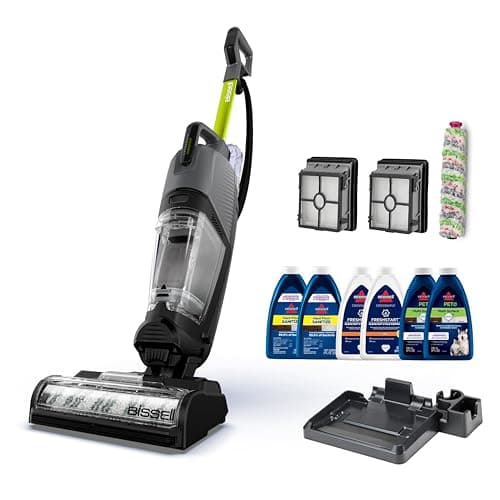
Bissell CrossWave HydroSteam Review (2026): Honest Verdict After Testing
If you’re tired of dragging out a vacuum, then a mop, then a steam cleaner every time the floor gets dirty, the Bissell CrossWave HydroSteam Deluxe Steam Mop is built to cut that routine down to one machine. This Bissell CrossWave HydroSteam review breaks down whether its 3-in-1 cleaning really save