

What is How to Keep Food Cold Camping? A Complete 2026 Guide
If you are trying to figure out how to keep food cold camping, the challenge is usually the same: melting ice, warm weather, and a cooler that seems to lose temperature too quickly. The good news is that keeping food cold outdoors is mostly about using the right cooling method, packing it correctly, and reducing how often cold air escapes. In this guide, you’ll learn the practical basics so you can keep perishables safer, fresher, and easier to manage on your next trip.
Related Reviews
At its simplest, keeping food cold while camping means slowing heat transfer as much as possible. That can be done with insulation, ice or ice substitutes, smart packing, and minimizing cooler openings. The better you understand the process, the easier it becomes to stretch ice life and protect food quality for an entire weekend or longer.
How It Works
Cooling food outdoors is really about fighting three things: outside heat, air exchange, and moisture loss. A cooler works by insulating the contents from the warmer environment, while ice or cold packs absorb heat as they melt or warm up. The less warm air gets inside, the longer the internal temperature stays low.
In practical terms, food stays cold longer when you start cold, pack tightly, and keep the cooler full. A tightly packed cooler has fewer air gaps, and fewer air gaps mean less room for warm air to circulate. That is why many campers pre-chill drinks, freeze water bottles, and organize food so they can grab what they need quickly.
There is also a simple physics tradeoff at work: every time the lid opens, cold air escapes and warm air enters. Every time you add room-temperature food, it raises the internal temperature. So the most effective camping cooling strategy is not just “add more ice” — it is to reduce heat gain from the start.
Key Benefits & Use Cases
Knowing how to keep food cold camping helps more than just your groceries. It can improve food safety, reduce waste, and make meal planning much easier when you are far from a store.
Key Benefits
- Better food safety: Keeping perishable items cold helps reduce the risk of spoilage in warm weather.
- Less waste: When food stays in good condition longer, you throw away less.
- More convenience: A well-managed cooler makes it easier to organize meals and snacks.
- Longer trip flexibility: You can camp for more days without constantly restocking ice or groceries.
- Improved meal quality: Cold drinks, fresh produce, dairy, and proteins taste better when they are properly chilled.
Common Use Cases
- Weekend camping trips: Ideal for keeping breakfast foods, lunch ingredients, and drinks cold for 2–3 days.
- Car camping: Lets you bring more perishables because weight and space are less restrictive.
- Beach days and picnics: Useful when you need cold storage away from home for several hours.
- Fishing and hunting trips: Helps preserve food and, in some cases, keep a fresh catch in good condition.
- Long road trips: Makes it easier to avoid frequent restaurant stops and keep snacks ready.
What to Look For When Buying
If you are choosing gear to help with how to keep food cold camping, these five criteria matter most:
1. Insulation quality
Thicker insulation generally keeps cold in longer. Look for coolers or storage solutions designed for extended ice retention, especially if you camp in hot weather.
2. Capacity and internal layout
A cooler should be large enough for your trip, but not so oversized that it leaves too much empty space. Compartments, baskets, or dividers can also help reduce how often you expose everything to warm air.
3. Seal and lid design
A tight lid seal is important because it limits air leakage. A secure latch or well-fitting cover can make a noticeable difference in how long the interior stays cold.
4. Portability and durability
Camping gear gets moved, bumped, and carried over uneven ground. Choose a cooler or cold-storage setup that is easy to transport and built to handle outdoor use.
5. Ice retention strategy
Look for products and methods that support longer cold life, such as compatibility with block ice, reusable ice packs, or pre-chilling. The best option depends on trip length and how often you will open the cooler.
Common Mistakes to Avoid
Many campers lose cold storage performance because of a few avoidable habits.
- Putting warm food straight into the cooler: This raises the temperature inside and shortens ice life.
- Opening the lid too often: Every open-and-close cycle lets cold air escape.
- Using only loose ice for long trips: Loose ice melts faster than larger blocks in many situations.
- Leaving empty space inside: Extra air warms up quickly and reduces efficiency.
- Storing the cooler in direct sun: Sunlight adds heat and can speed up melting.
- Mixing raw meat with ready-to-eat foods: This creates food safety risks even if everything is cold.
One of the biggest mistakes is thinking that “more ice” automatically solves everything. In reality, better packing and less lid opening often make a bigger difference than simply adding extra cubes.
Frequently Asked Questions
How long can food stay cold camping?
That depends on the cooler, the outside temperature, how full it is, and how often you open it. With good packing and enough ice, many campers can keep food cold for a weekend, while premium setups may last longer.
What is the best way to keep food cold camping?
The best approach is to pre-chill food and drinks, use a well-insulated cooler, pack it tightly with ice or cold packs, and keep it in the shade as much as possible. Minimizing lid openings also helps a lot.
Should I use ice or ice packs for camping?
Both can work, but they serve slightly different purposes. Ice is often better for overall cooling power, while reusable ice packs can be cleaner and easier to manage for shorter trips.
How do I stop my cooler from melting so fast?
Start with cold items, keep the cooler out of direct sun, limit how often you open it, and fill empty space so warm air has less room to circulate. A pre-chilled cooler also performs better than one loaded at the last minute.
Can I keep meat cold while camping?
Yes, as long as you keep it properly chilled and separated from ready-to-eat foods. For safety, store raw meat low in the cooler and use reliable cold retention methods throughout the trip.
Get the Full Outdoor Buyer's Guide
Join our free newsletter — we'll send our latest Outdoor picks, specs and verdicts straight to your inbox.
Free. No spam. Unsubscribe anytime.
Was this review helpful?
Be the first to share your feedback on this review.
Sign in to vote and let us know what you think.
Discussion (0)
No comments yet. Be the first to start the discussion.
Related Reviews
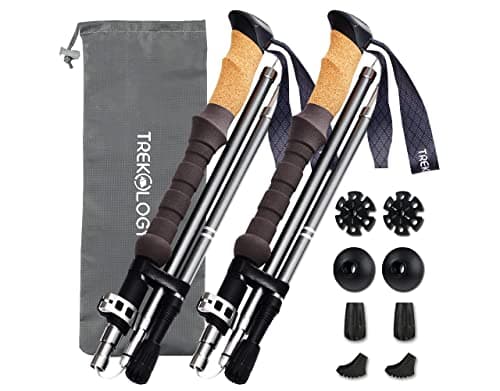
How to Choose the Best Trekking Poles in 2026: Complete Buying Guide
If you’re figuring out how to choose trekking poles , the biggest challenge is separating marketing hype from the features that actually improve balance, reduce fatigue, and hold up on real trails. The wrong pair can feel too heavy, slip under load, or be annoying to pack and adjust when conditions

4 Best Bear Canisters and Food Storage in 2026 — Safer, Lighter Backcountry Food Protection
If you’re trying to choose the best bear canisters and food storage, the hard part is usually balancing safety, weight, and packability without overspending. This guide narrows the field to four researched picks that cover certified hard-sided storage and odor-proof alternatives for different trip s
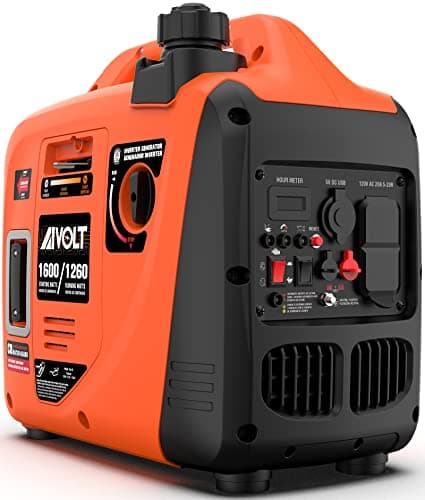
7 Best Camping Generators Quiet in 2026 — Ultra-Low Noise Picks for Campgrounds and RV Trips
If you’re searching for the best camping generators quiet , you probably want power without the roar that ruins a peaceful campsite. The challenge is finding a generator that stays quiet, runs sensitive electronics safely, and still has enough output for lights, phones, a cooler, or a small RV setup