

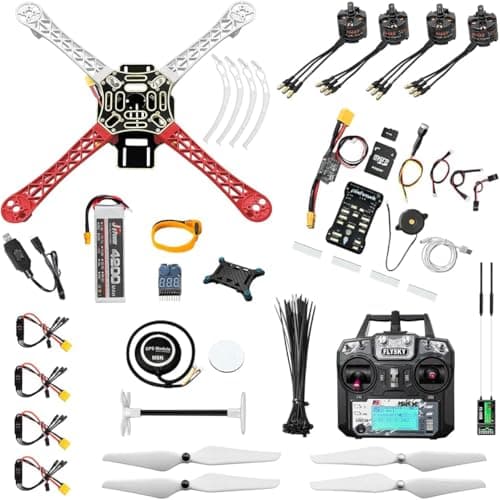
Who this is for: Best for DIY-minded beginners, students, and STEM shoppers who want to learn drone basics through assembly and practice.
How to Choose the Best Drone in 2026: Complete Buying Guide
If you’re trying to figure out how to choose a drone, the hardest part is usually separating “cool on paper” from “actually useful in real life.” A drone can look impressive in a product listing and still be frustrating if it’s hard to fly, has short battery life, or doesn’t match your skill level. The most common mistake buyers make is choosing by camera specs or flashy features first, then realizing the drone is too difficult, too fragile, or not legal/easy enough for their intended use.
Related Reviews
This guide breaks down the features that matter most, the red flags to avoid, and the best product types to consider at different budgets. Since this is a research-based buying guide, the recommendations are based on published specs, owner feedback patterns, and product comparisons—not hands-on testing.
Key Features to Look For
1) Flight stability and hovering assistance
Stability is one of the biggest factors in whether a drone feels beginner-friendly or stressful. Features like optical flow positioning, altitude hold, and assisted hovering help the drone stay steady, which makes learning easier and reduces crashes.
2) Ease of takeoff and landing
One-touch takeoff and landing can remove a lot of the learning curve. If you’re new, this matters because the first and last few seconds of a flight are often where mistakes happen most often.
3) Battery life and flight time
Short battery life can make a drone feel fun for only a few minutes at a time. Look for realistic flight-time claims and check whether the product includes spare batteries or replacement parts, since that affects how long you can actually fly.
4) Control difficulty and learning curve
Some drones are made for beginners, while others are better for hobbyists who want to practice and improve. If you’re asking how to choose a drone for a first-time flyer, prioritize models with simpler controls, headless mode, and clear instructions.
5) Durability and replacement parts
Drones crash. That’s normal. A model with spare propellers, modular parts, or easy-to-source replacements tends to be a smarter buy because minor accidents won’t end the experience.
6) Camera or video capability
If you want aerial photos or video, check whether the drone offers real-time video, camera stabilization, and usable image quality—not just a camera label. For many buyers, a weak camera is the fastest way to regret a purchase.
7) Educational value or special use case
Not every drone is just for filming. Some are designed as STEM projects or learning tools, which can be ideal if your goal is to understand drone basics rather than simply fly right away.
What to Avoid
Overpaying for features you won’t use
It’s easy to get tempted by advanced flight modes, high-speed performance, or “pro” branding. If you’re a beginner, paying extra for features you’re not ready to use can make the drone harder to enjoy.
Buying a drone that’s too advanced for your skill level
A steep learning curve can lead to frustration and breakage. If the product requires a lot of assembly, calibration, or practice, make sure that matches your expectations before buying.
Ignoring battery and replacement-part availability
Some drones are fun only until the first propeller break or battery drain. If parts are hard to replace, a small issue can become a big one.
Expecting “camera drone” quality from toy-grade models
Many affordable drones advertise video features, but the footage may be limited. If image quality is your top priority, don’t assume every drone with a camera will deliver usable results.
Skipping the manual and setup requirements
Some drones require assembly or careful setup. If you want something quick and simple, avoid models that are clearly positioned as DIY or educational kits unless that is part of the appeal.
Our Top Picks
Below are the best-fit recommendations from this product list based on use case. Because this is a buying guide, the goal is not to crown one drone as universally “best,” but to point you toward the right style of drone for your needs.
1) Quadrotor Drone DIY Kit: A Unique STEM Project with Brushless Motor, Optical Flow Hovering, One-Click Takeoff and Landing, and 360° Flip for DIY Enthusiasts to Learn Drone Basics ✓ Prime $69.99
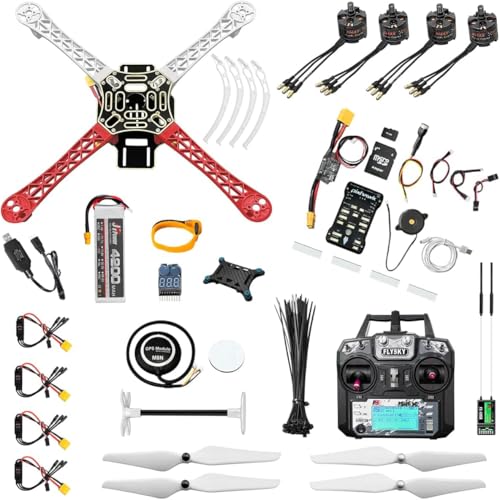


This is the best pick for buyers who want a drone as a learning project, not just a ready-to-fly gadget. The assembly process, optical flow hovering, one-click takeoff/landing, and included educational material make it especially appealing for hobbyists, students, and STEM-focused buyers who want to understand drone basics.
- ✓ DIY assembly creates a hands-on learning experience
- ✓ Optical flow positioning helps with hovering stability
- ✓ One-click takeoff and landing simplify basic flight
- ✓ Includes spare propellers for quick repairs
- ✓ Educational manual and courseware support STEM use
- ✗ Assembly takes time and patience
- ✗ Best for users comfortable with a tougher learning curve
- ✗ Not the easiest choice if you want instant, casual flying
2) Beginner-friendly drone kits with assisted flight
If your main goal is learning the basics without a steep setup challenge, look for drones with assisted hovering, headless mode, and one-button controls. These models are usually best for first-time buyers who want confidence before complexity.
- ✓ Easier to learn than advanced hobby drones
- ✓ Better for indoor practice and short sessions
- ✓ Helpful for buyers who want a lower-risk first drone
- ✗ Often limited in camera quality and range
- ✗ May feel basic once you gain experience
- ✗ Some models sacrifice durability to stay cheap
3) Drones with strong stability and repair-friendly design
For buyers who expect to crash a few times while learning, the smartest choice is a drone that’s easy to repair and stable in the air. A model with replacement propellers and simple controls can save money and frustration over time.
- ✓ Better long-term value if parts are easy to replace
- ✓ Stability features reduce beginner mistakes
- ✓ Good choice for repeated practice sessions
- ✗ May not be the flashiest option
- ✗ Could lack premium camera features
- ✗ Not ideal if your only goal is cinematic footage
4) Feature-rich hobby drones for practice and fun
If you already know you want more than a toy, choose a drone that offers multiple flight modes, speed adjustment, and extra controls. These are better for hobbyists who want to grow into the drone rather than outgrow it quickly.
- ✓ More flight functions to explore as your skill improves
- ✓ Better for users who want a mix of fun and challenge
- ✓ Can feel more rewarding after the learning curve
- ✗ Usually harder for complete beginners
- ✗ More features can mean more complexity
- ✗ Not always the best value if you only want casual use
Budget Guide: What You Get at Each Price Point
Under $100
At this level, you’re typically looking at beginner drones, educational kits, or compact models with basic flight features. Expect simpler cameras, shorter range, and fewer premium extras—but also a much lower-risk entry point.
$100–$250
This range often brings better stability, improved control, and more polished beginner-to-intermediate features. It’s a strong sweet spot for buyers who want a more satisfying experience without jumping into premium pricing.
$250–$500
Here you’ll usually see better camera performance, stronger build quality, and more refined flight assistance. This is the range for buyers who want a more serious hobby drone or more dependable aerial content.
$500+
Premium drones in this tier are typically aimed at serious content creators or advanced hobbyists. You’re paying for improved imaging, better flight systems, and more advanced features—but only worth it if you’ll actually use them.
For many first-time buyers asking how to choose a drone, the smartest move is to start in the under-$100 or $100–$250 range unless you already know you need advanced camera or flight performance.
Frequently Asked Questions
1) What is the most important thing to look for when buying a drone?
The most important factor is matching the drone to your skill level and intended use. A beginner should prioritize stability, simple controls, and durability before advanced features.
2) Is a drone with a camera worth it for beginners?
Sometimes, but not always. If you mainly want to learn how to fly, a stable and easy-to-control drone is usually a better first purchase than a camera-focused model.
3) How much should I spend on my first drone?
Many first-time buyers do well in the under-$100 to $250 range. That usually gives enough features to learn without risking a large investment.
4) Are DIY drone kits good for beginners?
They can be, if the buyer wants a learning project. DIY kits are better for people who enjoy assembly and want to understand how drones work, not just fly immediately.
5) What features help a drone stay easier to fly?
Look for optical flow positioning, altitude hold, headless mode, one-button takeoff and landing, and stable hovering assistance. These features generally make learning smoother and reduce crashes.
Pros
- + DIY assembly teaches drone basics
- + Optical flow hovering improves stability
- + One-click takeoff and landing simplify flying
- + Includes spare propellers for repairs
- + Educational manual supports STEM use
Cons
- – Assembly takes time and patience
- – Best for users comfortable with a learning curve
- – Not ideal for instant casual flying
Frequently asked questions
- What is the most important thing to look for when buying a drone?
- Match the drone to your skill level and intended use, prioritizing stability, simple controls, and durability before advanced features.
- Is a drone with a camera worth it for beginners?
- Sometimes, but a stable and easy-to-control drone is usually a better first purchase than a camera-focused model.
- How much should I spend on my first drone?
- Many first-time buyers do well in the under-$100 to $250 range for enough features to learn without a large investment.
- Are DIY drone kits good for beginners?
- Yes, if the buyer wants a learning project; they suit people who enjoy assembly and want to understand how drones work.
- What features help a drone stay easier to fly?
- Optical flow positioning, altitude hold, headless mode, one-button takeoff and landing, and stable hovering assistance.
Score breakdown
- value
- 8.0
- usability
- 7.0
- durability
- 6.0
- performance
- 7.0
- buyerFeedback
- 8.0
Get the Full Tech Buyer's Guide
Join our free newsletter — we'll send our latest Tech picks, specs and verdicts straight to your inbox.
Free. No spam. Unsubscribe anytime.
Was this review helpful?
Be the first to share your feedback on this review.
Sign in to vote and let us know what you think.
Discussion (0)
No comments yet. Be the first to start the discussion.
Related Reviews
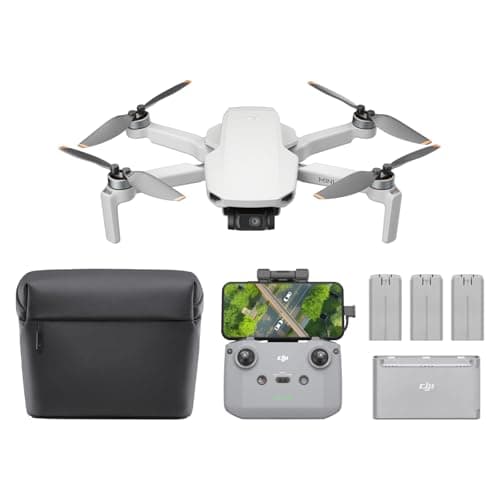
What is How to Fly a Drone for Beginners? A Complete 2026 Guide
If you’re searching for how to fly a drone for beginners , you probably want a simple way to start without crashing, breaking parts, or feeling overwhelmed by controls. The good news is that beginner drone flying becomes much easier once you understand the basics of lift, controller inputs, and safe
What is how to start photography 2026? A Complete 2026 Guide
If you’re trying to figure out how to start photography 2026 , the hardest part is usually knowing where to begin without wasting money on the wrong gear. The good news is that photography is much easier to enter now because beginner-friendly cameras, phones, editing apps, and learning resources are
What is FAA drone rules 2026? A Complete 2026 Guide
If you’re trying to understand FAA drone rules 2026 , the biggest challenge is usually separating real compliance requirements from outdated advice. The rules can change based on whether you fly recreationally, commercially, or for a specific job like real estate, inspections, or mapping. This guide