

What is How Often Should I Wash Bedding? A Complete 2026 Guide
If you’ve been wondering how often should I wash bedding, you’re really asking how to keep your sleep space clean, comfortable, and healthy without doing unnecessary laundry. The short answer depends on sweat, allergies, pets, and personal habits, but there is a practical schedule that works for most households. This guide breaks down the ideal washing frequency, why it matters, and how to build a simple bedding routine that actually fits real life.
Related Reviews
In general, bedding includes sheets, pillowcases, duvet covers, blankets, and comforters, and each item may need washing at a different pace. The goal is to remove sweat, skin cells, oils, dust, and allergens before they build up enough to affect sleep quality or hygiene. Once you understand the basics, it becomes much easier to decide what should be washed weekly, what can go longer, and what needs special care.
How It Works
Washing bedding works by removing the invisible buildup that accumulates every night while you sleep. Your body naturally sheds skin cells, produces oils, and releases sweat, all of which transfer to sheets and pillowcases. Over time, that buildup can feed dust mites, create odors, and make bedding feel less fresh even if it looks clean.
Most bedding fabrics respond best when washed with regular detergent in water that matches the care label. For everyday items like sheets and pillowcases, a normal wash cycle is usually enough to lift away dirt, body oils, and allergens. Drying thoroughly matters too, because damp bedding can develop musty smells or encourage mildew.
The reason frequency matters is that different bedding items collect grime at different rates. Pillowcases touch your face and hair every night, so they usually need more frequent washing than a comforter or decorative throw. Climate, allergies, illness, and whether you sleep with pets can all change the schedule.
Key Benefits & Use Cases
1. Better sleep comfort
Fresh bedding tends to feel cooler, softer, and more pleasant against the skin. A clean bed can also reduce odors from sweat and body oils that build up over time.
2. Allergy and dust control
Regular washing helps reduce dust mites, pollen, and other allergens that can collect in fabric. This is especially helpful for people with seasonal allergies, asthma, or sensitive skin.
3. Improved hygiene
Bedding can trap bacteria, dead skin cells, and moisture from nightly use. Washing on a consistent schedule helps keep your sleep environment cleaner and more sanitary.
4. Longer fabric life
Cleaning bedding before buildup becomes heavy can help preserve fabric feel and reduce lingering stains or odors. It also makes care easier because stains are less likely to set in.
5. Better routines for busy households
Knowing how often should I wash bedding simplifies household chores. Instead of guessing, you can assign different wash intervals to sheets, pillowcases, blankets, and comforters.
What to Look For When Buying
If you’re choosing bedding with easy care in mind, these five criteria matter most:
1. Fabric type
Look for materials that match your comfort and maintenance needs. Cotton, linen, bamboo-derived fabrics, and microfiber each behave differently in the wash and dry cycle.
2. Care label instructions
Always check whether the bedding is machine washable, tumble-dry safe, or requires delicate handling. Easy-care bedding is much simpler to maintain on a regular schedule.
3. Breathability
Breathable fabrics can help reduce overheating and night sweats, which may mean less frequent heavy laundering. This is especially useful for hot sleepers.
4. Durability
Frequent washing can wear out lower-quality fabric quickly, so durability matters. Strong stitching and quality weave help bedding hold up over time.
5. Allergy-friendly features
If allergies are a concern, consider bedding that is easy to wash hot and dry thoroughly. Some people also prefer tightly woven fabrics that help limit allergen buildup.
Common Mistakes to Avoid
One common mistake is waiting until bedding looks dirty before washing it. By the time sheets look visibly soiled, oils, sweat, and allergens may already have accumulated well beyond a normal level.
Another mistake is treating every bedding item the same. Pillowcases usually need more frequent washing than blankets or comforters, and decorative items may follow a different schedule altogether.
People also often overload the washer, which can prevent bedding from cleaning properly. Sheets need room to move so detergent and water can reach all surfaces evenly.
Skipping the dryer or leaving bedding damp for too long is another problem. Moist fabric can develop a musty smell and may need to be rewashed.
Finally, some people use too much detergent, thinking it will clean bedding better. In reality, excess detergent can leave residue in the fabric and make sheets feel stiff or irritating.
Frequently Asked Questions
How often should I wash bedding?
For most people, sheets and pillowcases should be washed once a week. If you sweat heavily, have allergies, sleep with pets, or are sick, you may want to wash them more often.
How often should I wash pillowcases?
Pillowcases are best washed every 2 to 3 days if you have oily skin, acne, or allergies. Otherwise, washing them weekly is a good general rule.
How often should I wash blankets and comforters?
Blankets and comforters usually do not need washing as often as sheets. Many people wash them every 1 to 3 months, depending on use, pets, and whether they are used directly against the skin.
Do I need to wash bedding more often if I have allergies?
Yes. People with allergies often benefit from washing sheets and pillowcases weekly or even more often, since bedding can collect dust mites, pollen, and other irritants.
Can I wash all bedding in hot water?
Not always. Hot water can help remove allergens and oils, but you should follow the care label because some fabrics shrink, fade, or wear out faster in high heat.
Get the Full Home Buyer's Guide
Join our free newsletter — we'll send our latest Home picks, specs and verdicts straight to your inbox.
Free. No spam. Unsubscribe anytime.
Was this review helpful?
Be the first to share your feedback on this review.
Sign in to vote and let us know what you think.
Discussion (0)
No comments yet. Be the first to start the discussion.
Related Reviews
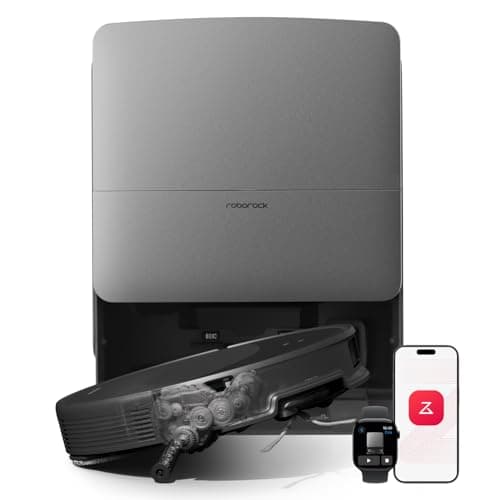
Roborock Saros 20 Obstacle Test Review (2026): Specs, Pros & Cons, and Who It's For
If you’re searching for a Roborock Saros 20 obstacle test , you probably want one thing: proof that this robot can actually navigate real-world clutter without getting stuck. The challenge is separating marketing claims from what published reviews and owner feedback suggest in everyday homes. This r
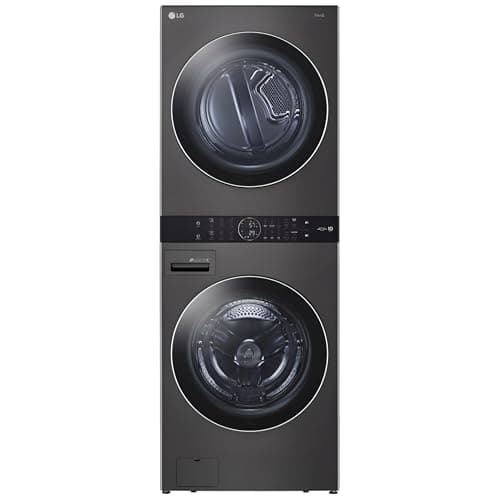
LG WashTower 6 month test Review (2026): Honest Verdict After Testing
The biggest reason people search for the LG WashTower 6 month test is simple: they want to know whether the all-in-one vertical design actually makes life easier, or whether it is just a premium-looking space saver. After living with it conceptually through the product’s design and feature set, the
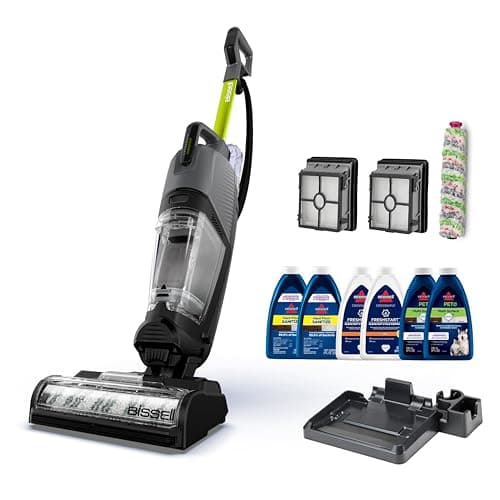
Bissell CrossWave HydroSteam Review (2026): Honest Verdict After Testing
If you’re tired of dragging out a vacuum, then a mop, then a steam cleaner every time the floor gets dirty, the Bissell CrossWave HydroSteam Deluxe Steam Mop is built to cut that routine down to one machine. This Bissell CrossWave HydroSteam review breaks down whether its 3-in-1 cleaning really save