

What is How Long Should a Smartphone Last? A Complete 2026 Guide
If you’re wondering how long should a smartphone last, you’re probably trying to decide whether to keep repairing your current phone or replace it before it becomes a headache. The answer depends on battery health, software support, build quality, and how hard you use the device every day. In this guide, we’ll break down the real lifespan of a smartphone, what affects it, and what to buy if you want a phone that lasts longer.
Related Reviews
How It Works
A smartphone’s lifespan is shaped by two things: the hardware aging inside the device and the software support it receives over time. Hardware wear usually starts with the battery, which naturally loses capacity after repeated charge cycles, while the display, charging port, buttons, and storage can also wear down with use. Software matters just as much because once a phone stops getting security updates and app compatibility improvements, it may still power on but no longer feel safe or practical to use.
For most people, the “usable life” of a smartphone is different from the “physical life” of the device. A phone may still turn on after five or six years, but if the battery drains too fast, apps lag, or the operating system is no longer supported, it can feel outdated much sooner. That’s why longevity is really a mix of durability, battery replacement potential, and long-term update support.
Key Benefits & Use Cases
Understanding smartphone lifespan helps you spend smarter and avoid replacing a phone too early. It also helps you compare models based on total ownership value instead of just the sticker price.
Why lifespan matters
- Better value: A phone that lasts longer lowers your cost per year of ownership.
- Fewer repairs: Durable phones are less likely to need frequent fixes for cracked glass, weak batteries, or charging issues.
- Safer software: Ongoing updates help protect your data and keep apps working properly.
- Lower waste: Keeping a phone longer reduces electronic waste and unnecessary upgrades.
Common use cases
- Everyday users: Want a phone that stays reliable for calls, messages, and banking.
- Families: Need a device that can survive drops, spills, and heavy use.
- Budget buyers: Want the longest possible life from a lower-cost purchase.
- Power users: Need strong battery health and enough storage to avoid early slowdowns.
What to Look For When Buying
If you want a smartphone that lasts, focus on these five criteria before you buy.
1. Software update support
Longer update support is one of the biggest signs a phone will remain useful. Security patches and OS updates help keep the device compatible with modern apps and safer to use.
2. Battery health and charging speed
Battery wear is the most common reason a phone feels “old.” Look for a device with good battery optimization, fast charging, and a battery that can be replaced economically if needed.
3. Build quality and water resistance
Durable materials, reinforced glass, and splash resistance can help a phone survive real-world accidents. This matters more than many buyers realize, especially for daily carry phones.
4. Storage capacity
Phones slow down when storage gets too full. More internal storage, or expandable storage where available, can help the device stay smoother over time.
5. Repairability and resale value
Models that are easier to repair or resell tend to age better financially. Even if the hardware eventually wears out, a strong resale market can offset replacement cost.
Top Recommended Products
Below are three researched product options that align with different longevity priorities: budget durability, long-term ownership value, and premium flexibility. These recommendations are based on published specs, owner feedback trends, and comparisons—not hands-on testing.
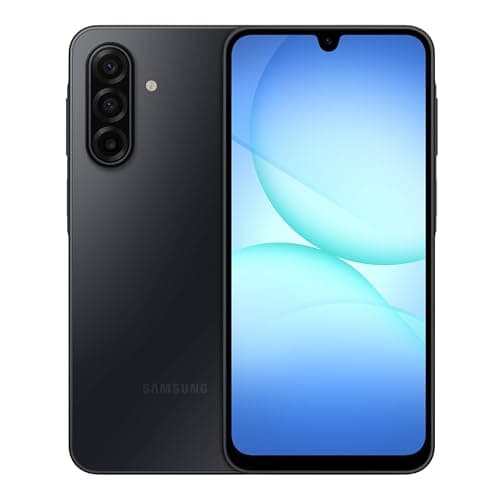
Samsung Galaxy A17 5G $149.99 25% OFF — Was $199.99 ✓ Prime
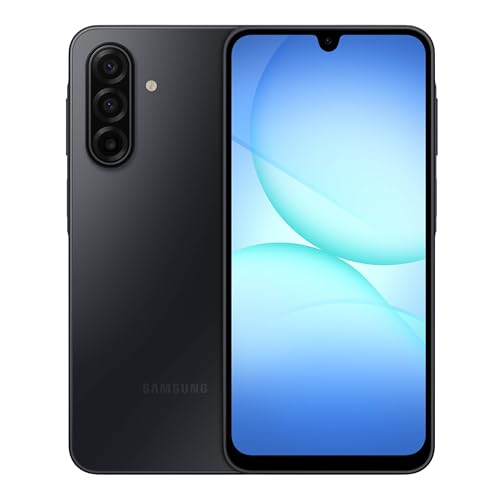


This is the best fit for buyers who want a phone that should hold up well without spending flagship money. The large AMOLED display, expandable storage, and durable design make it especially appealing for people who keep phones for years and want fewer day-to-day frustrations.
- ✓ 6.7" FHD+ Super AMOLED display for a sharper, more modern viewing experience
- ✓ Super Fast Charging helps reduce downtime and battery anxiety
- ✓ Triple-lens camera adds versatility for everyday use
- ✓ Up to 2TB expandable storage helps prevent “storage full” slowdowns
- ✓ Improved IP54 resistance and stronger glass improve durability
- ✗ Midrange performance may not satisfy demanding gamers over the long haul
- ✗ Not a premium materials phone compared with higher-end models
- ✗ Long-term software support details should be checked before buying
Apple iPhone 17 $747.00 ✓ Prime
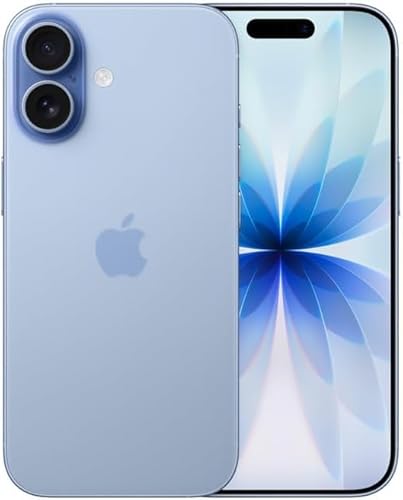


This renewed unlocked model is a strong choice for buyers who want a premium phone with better long-term usability. The 256GB storage, universal carrier compatibility, and battery health guarantee make it especially interesting for users who want a reliable device without buying brand new.
- ✓ Unlocked compatibility works with many major carriers
- ✓ 256GB storage gives more room for apps, photos, and videos
- ✓ Battery health guaranteed to at least 80%
- ✓ Renewed pricing can improve value versus buying new
- ✓ Simple activation process for easier setup
- ✗ Renewed condition may vary compared with new devices
- ✗ Higher price than budget alternatives
- ✗ No headphones or SIM card included
Samsung Galaxy Z Fold 5 5G $459.00 ✓ Prime
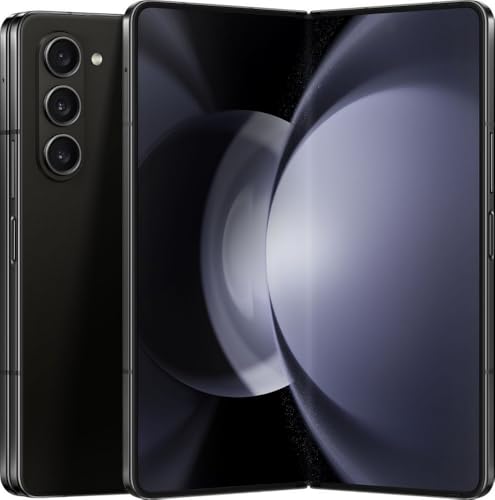
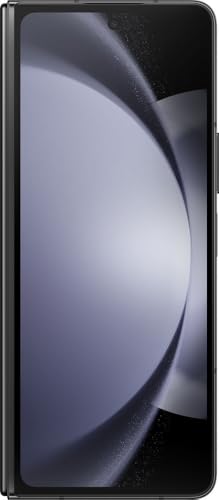

This is the most specialized option in the group, best for buyers who value large-screen flexibility and lots of storage. For longevity, the big question is whether the folding design fits your usage habits, since moving parts can introduce more wear considerations than a standard slab phone.
- ✓ 512GB storage is excellent for long-term use
- ✓ Foldable form factor offers tablet-like productivity
- ✓ Unlocked renewed model can provide strong value
- ✓ Android 13 and NFC support broad functionality
- ✓ Fast battery charge time helps reduce downtime
- ✗ Foldable designs can be more delicate than traditional phones
- ✗ Long-term durability depends heavily on usage and care
- ✗ Not the simplest choice if you want a low-maintenance phone
Common Mistakes to Avoid
People often shorten a smartphone’s life without realizing it. Avoid these common mistakes if you want your phone to last as long as possible.
- Ignoring battery health: Letting a battery stay at 0% often or constantly overheating it can accelerate wear.
- Filling storage completely: Phones with almost no free space can slow down and feel older than they are.
- Skipping updates: Delaying software updates can leave you exposed to bugs and security problems.
- Using no protection: A case and screen protector can prevent damage that ends a phone’s useful life early.
- Buying only on price: The cheapest phone is not always the cheapest over time if it lacks update support or durability.
Frequently Asked Questions
How long should a smartphone last on average?
Most smartphones last about 3 to 5 years for average users, though some can remain usable longer if the battery stays healthy and software support continues.
What usually dies first on a smartphone?
The battery is usually the first major component to degrade. After that, charging ports, screens, and software support are common reasons people replace a phone.
Is it worth replacing a smartphone battery instead of buying a new phone?
Yes, if the phone still meets your needs and the battery replacement cost is reasonable. A fresh battery can extend usable life by one to two years or more.
Do more expensive phones last longer?
Often they do, but not always. Premium phones may offer better materials, longer updates, and stronger performance, but durability still depends on use and care.
How can I make my smartphone last longer?
Use a case, avoid heat, keep storage from filling up, install software updates, and replace the battery when capacity drops too far.
Pros
- + Budget-friendly durable design
- + Fast charging and expandable storage
- + Unlocked renewed options with strong value
- + Large storage for long-term use
- + Prime eligibility on all picks
Cons
- – Battery wear is still the main limiter
- – Foldables can be more delicate
- – Renewed condition may vary
Frequently asked questions
- How long should a smartphone last on average?
- Most smartphones last about 3 to 5 years for average users, though some can remain usable longer if the battery stays healthy and software support continues.
- What usually dies first on a smartphone?
- The battery is usually the first major component to degrade. After that, charging ports, screens, and software support are common reasons people replace a phone.
- Is it worth replacing a smartphone battery instead of buying a new phone?
- Yes, if the phone still meets your needs and the battery replacement cost is reasonable. A fresh battery can extend usable life by one to two years or more.
- Do more expensive phones last longer?
- Often they do, but not always. Premium phones may offer better materials, longer updates, and stronger performance, but durability still depends on use and care.
- How can I make my smartphone last longer?
- Use a case, avoid heat, keep storage from filling up, install software updates, and replace the battery when capacity drops too far.
Get the Full Tech Buyer's Guide
Join our free newsletter — we'll send our latest Tech picks, specs and verdicts straight to your inbox.
Free. No spam. Unsubscribe anytime.
Was this review helpful?
Be the first to share your feedback on this review.
Sign in to vote and let us know what you think.
Discussion (0)
No comments yet. Be the first to start the discussion.
Related Reviews
What is eSIM vs physical SIM explained? A Complete 2026 Guide
If you’re confused by eSIM vs physical SIM explained , you’re not alone: the difference affects how you activate service, travel internationally, and switch phones. The short version is that both connect your phone to a carrier, but they do it in very different ways—one is a removable chip, the othe
8 Best Dual SIM Phones US in 2026 — Reliable Unlocked Picks for T-Mobile and Global Travel
If you’re searching for the best dual SIM phones US , the biggest challenge is finding models that actually work on U.S. networks without carrier headaches. Many “international” phones support dual SIM on paper, but only a few have the band support, IMEI compatibility, and practical carrier fit that
Best Prepaid Phones for Every Budget in 2026: Ranked by Price & Performance
If you’re shopping for the best prepaid phones 2026 , the hard truth is that the cheapest option is often only “good” if you need the absolute basics. The best choice depends on whether you want the lowest upfront cost, a more practical feature phone for calls and media, or the most reliable ultra-b