

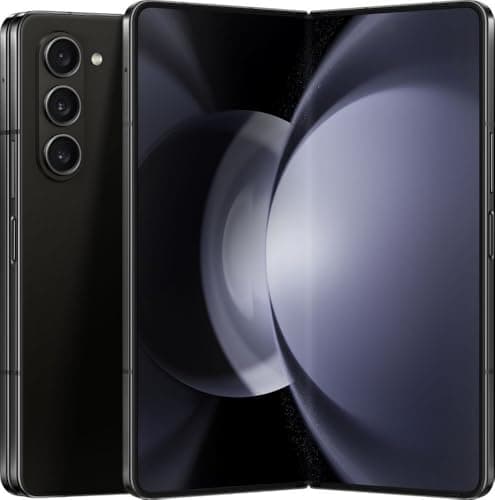
Foldable Phones Pros and Cons Review (2026): Specs, Pros & Cons, and Who It's For
Key Specifications
| Category | Details |
|---|---|
| Form factor | Book-style foldable smartphone |
| Main appeal | Large inner display for multitasking, reading, video, and productivity |
| Typical strengths | Split-screen use, compact pocketability when folded, premium build, flagship features |
| Typical compromises | Higher cost, crease visibility, added weight/thickness, more delicate display materials |
| Best for | Power users, productivity-focused buyers, and people who want a phone-tablet hybrid |
| Not ideal for | Budget shoppers, rough-use owners, and buyers who prioritize maximum durability |
Design & Build Quality
When people search for foldable phones pros and cons, design is usually the first debate. The biggest advantage is obvious: you get a large screen that folds into a pocketable device, which makes reading, split-screen apps, and media consumption feel much more flexible than on a standard slab phone.
Related Reviews
Published reviews and owner feedback consistently praise the “wow factor” and practical utility of the foldable format. A foldable can replace both a phone and, in some cases, a small tablet for commuting, travel, or couch use. That said, the same design that makes it exciting also introduces compromises. The hinge adds complexity, the device is usually thicker and heavier than a regular phone, and the inner display is more vulnerable than a traditional glass-covered screen.
Another common point in owner feedback is that foldables have improved year over year, but they still ask more of the user. Buyers often report being more careful about pocket debris, drops, and pressure on the screen. For many people, that’s a fair trade for the added versatility. For others, it becomes a daily annoyance.
Pros of foldable design
- Large inner display is excellent for multitasking and reading.
- Folds down into a more pocket-friendly shape than a tablet.
- Premium feel and standout design make it fun to use.
- Useful for split-screen apps, note-taking, and media.
Cons of foldable design
- Hinge and flexible display add complexity.
- Usually heavier and thicker than standard phones.
- Inner screen is typically less durable than conventional glass displays.
- Crease visibility remains a real concern for many buyers.
Research-based takeaway: If you value innovation and versatility, the design is a major win. If you want the simplest, toughest phone possible, foldables are still a compromise.
Performance & Features
Performance on modern foldables is generally strong because most are built around flagship-class chipsets, fast storage, and large memory configurations. That means everyday use tends to feel smooth, and heavy multitasking is one of the biggest reasons people buy them in the first place. In published reviews, the software experience is often where foldables shine most, especially when apps are optimized for the larger inner display.
Features like split-screen, floating windows, and drag-and-drop workflows can make a foldable feel more productive than a standard smartphone. It is also easier to watch videos while messaging, read documents while taking notes, or keep a browser open beside a calendar app. For power users, that’s the core value proposition.
On the other hand, not every app is perfectly adapted to foldable screens. Some apps still stretch awkwardly, and certain games or media layouts can feel inconsistent. Battery life is another area where expectations should be managed. Larger displays consume more power, and owner feedback often notes that use patterns matter a lot. Heavy multitasking and extended inner-screen use can drain battery faster than on a conventional phone.
What foldables do well
- Excellent multitasking and productivity features.
- Flagship-level responsiveness in most current models.
- Great for streaming, reading, and side-by-side app use.
- Often includes premium cameras, fast charging, and modern connectivity.
Where they still fall short
- App optimization can be inconsistent.
- Battery life may vary more than on standard phones.
- Repairs can be expensive if the inner screen or hinge is damaged.
- Long-term durability remains a bigger concern than with slab phones.
Research-based takeaway: Foldables are best for buyers who will actually use the extra screen space. If you mostly make calls, text, scroll social media, and take occasional photos, the feature advantage may not justify the premium.
Value for Money
Foldable phones are still expensive relative to conventional smartphones, and that price gap is one of the biggest cons in any honest foldable phones pros and cons discussion. Even when pricing softens on renewed or older models, buyers are still paying for the hinge mechanism, flexible display, and premium engineering.
That said, value is not just about the sticker price. For the right buyer, a foldable can replace multiple devices or simply make daily work more efficient. If you regularly use split-screen apps, read long documents, or want a phone that doubles as a mini tablet, the added cost can make sense. If you do not use those features, the value proposition weakens quickly.
Owner feedback also suggests that resale value, repair risk, and insurance should be part of the cost calculation. A cheaper upfront price on a renewed foldable can be appealing, but it is smart to factor in battery condition, hinge wear, and warranty coverage before buying.
Value strengths
- Can replace both a phone and a small tablet for some users.
- Renewed and older-generation models can lower the entry price.
- Premium feature set justifies cost for productivity-focused buyers.
Value weaknesses
- Still costs more than many excellent slab phones.
- Repair and replacement costs can be high.
- Not everyone will use the foldable-specific features enough to justify the premium.
Who Should Buy This
Foldable phones make the most sense for buyers who want a productivity-first smartphone and are excited by the larger screen format. They are a strong fit for people who read a lot, multitask often, travel frequently, or like having a compact device that opens into something much more useful for work and entertainment.
They are also a good choice for tech enthusiasts who enjoy premium design and are comfortable paying extra for innovation. If you are the kind of buyer who values convenience, flexibility, and a standout device, foldables can be very satisfying.
Best fit for:
- Power users who multitask daily.
- Readers and media consumers who want a larger screen.
- Tech-forward buyers who want something different from a standard phone.
- People willing to handle the device with extra care.
Who Should Look Elsewhere
If you want the most durable, lowest-maintenance phone possible, a foldable is probably not the best fit. The category has improved a lot, but it still involves more moving parts and more risk than a standard smartphone.
Budget-conscious shoppers should also be cautious. If you do not need the larger screen or productivity features, a traditional phone will usually give you better value, better battery consistency, and less repair anxiety for the money.
You should probably skip foldables if:
- You want maximum durability and water/dust resistance confidence.
- You prefer a lighter, slimmer phone.
- You are not interested in multitasking or tablet-style use.
- You want the best possible value per dollar.
Best Alternatives
Apple iPhone 17
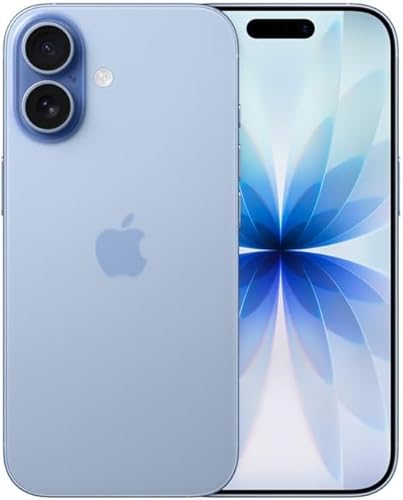
If you want a premium phone experience without the folding complexity, this is the cleaner alternative. It is better suited to buyers who prioritize simplicity, carrier flexibility, and a more conventional smartphone design.
Why choose it instead: easier day-to-day ownership, no hinge concerns, and a more traditional flagship experience.
Samsung Galaxy A17 5G Black
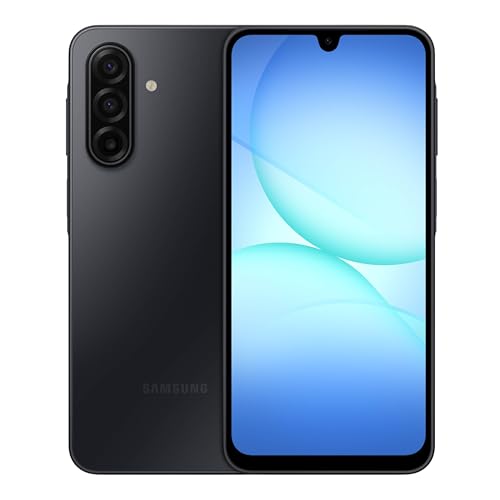
This is the value-focused option for buyers who want a modern Android phone without paying foldable prices. It makes sense if you prefer durability, a big display, and lower ownership cost.
Why choose it instead: much lower price, simpler design, and less risk than a foldable.
Samsung Galaxy A17 5G Blue
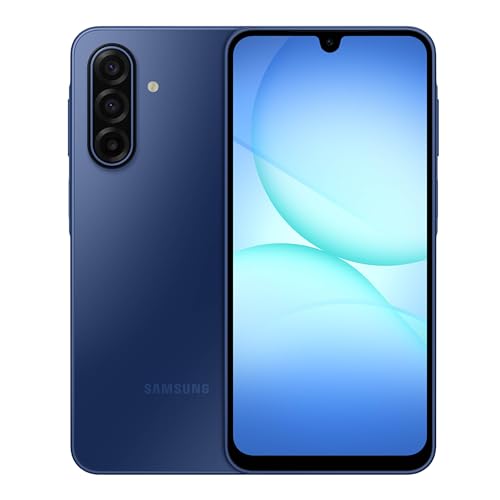
This version offers the same practical value as the black model, just in a different color. It is a straightforward alternative for buyers who want a dependable phone and do not need a foldable screen.
Why choose it instead: budget-friendly, durable, and easier to live with for most users.
Final Verdict
Foldable phones are no longer a gimmick, but they are still a specialist purchase. Based on specs, published reviews, and owner feedback, they are best for buyers who will actively use the larger screen and are comfortable paying more for convenience and innovation.
Buy it if you want a phone that boosts multitasking and gives you a tablet-like experience in a pocketable form. Skip it if you want maximum durability, the best value, or the least complicated smartphone ownership experience.
If you are ready to explore the category, the Samsung Galaxy Z Fold 5 5G US Version, 512GB, Phantom Black - Unlocked (Renewed) is a compelling place to start for price-conscious foldable shoppers.
Frequently Asked Questions
Are foldable phones worth it in 2026?
Yes, if you will use the larger inner display for multitasking, reading, or media. If you want a simple phone for basic use, a standard smartphone is usually better value.
What are the biggest foldable phones pros and cons?
The biggest pros are the larger screen, multitasking, and unique design. The biggest cons are higher price, potential durability concerns, and added thickness or weight.
Do foldable phones break easily?
They are more delicate than traditional phones because of the flexible display and hinge mechanism. Modern models are better than earlier generations, but they still require more care.
Is the crease on foldable phones a problem?
For many buyers, the crease is noticeable but not a deal-breaker. Published reviews often say it becomes less distracting over time, though it is still visible under certain lighting.
Should I buy a renewed foldable phone?
A renewed foldable can be a smart way to save money, but check battery health, return policy, and warranty coverage carefully. Because foldables have more moving parts, condition matters more than with a regular phone.
Pros
- + Large inner display for multitasking
- + Pocketable when folded
- + Premium design and features
- + Great for reading and media
Cons
- – Higher price than slab phones
- – Hinge and flexible screen add complexity
- – More delicate than traditional phones
- – Repairs can be expensive
Frequently asked questions
- Are foldable phones worth it in 2026?
- Yes, if you will use the larger inner display for multitasking, reading, or media. If you want a simple phone for basic use, a standard smartphone is usually better value.
- What are the biggest foldable phones pros and cons?
- The biggest pros are the larger screen, multitasking, and unique design. The biggest cons are higher price, potential durability concerns, and added thickness or weight.
- Do foldable phones break easily?
- They are more delicate than traditional phones because of the flexible display and hinge mechanism. Modern models are better than earlier generations, but they still require more care.
- Is the crease on foldable phones a problem?
- For many buyers, the crease is noticeable but not a deal-breaker. Published reviews often say it becomes less distracting over time, though it is still visible under certain lighting.
- Should I buy a renewed foldable phone?
- A renewed foldable can be a smart way to save money, but check battery health, return policy, and warranty coverage carefully. Because foldables have more moving parts, condition matters more than with a regular phone.
Score breakdown
- value
- 6.5
- usability
- 8.5
- durability
- 6.0
- performance
- 8.0
- buyerFeedback
- 7.5
Get the Full Tech Buyer's Guide
Join our free newsletter — we'll send our latest Tech picks, specs and verdicts straight to your inbox.
Free. No spam. Unsubscribe anytime.
Was this review helpful?
Be the first to share your feedback on this review.
Sign in to vote and let us know what you think.
Discussion (0)
No comments yet. Be the first to start the discussion.
Related Reviews
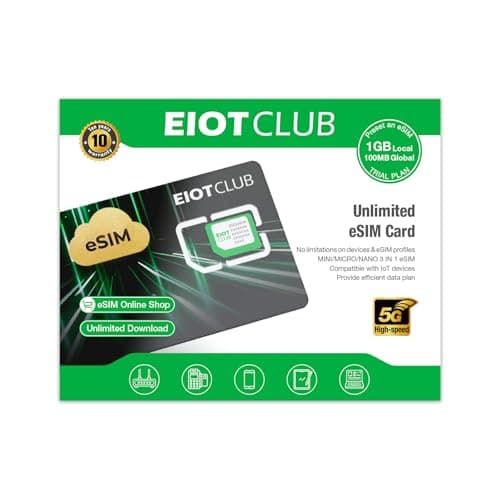
What is eSIM vs physical SIM explained? A Complete 2026 Guide
If you’re confused by eSIM vs physical SIM explained , you’re not alone: the difference affects how you activate service, travel internationally, and switch phones. The short version is that both connect your phone to a carrier, but they do it in very different ways—one is a removable chip, the othe
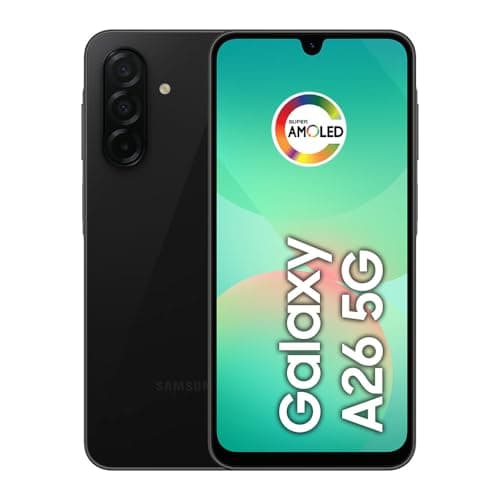
8 Best Dual SIM Phones US in 2026 — Reliable Unlocked Picks for T-Mobile and Global Travel
If you’re searching for the best dual SIM phones US , the biggest challenge is finding models that actually work on U.S. networks without carrier headaches. Many “international” phones support dual SIM on paper, but only a few have the band support, IMEI compatibility, and practical carrier fit that
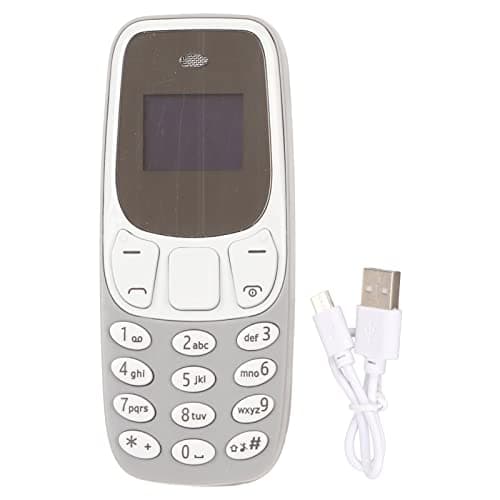
Best Prepaid Phones for Every Budget in 2026: Ranked by Price & Performance
If you’re shopping for the best prepaid phones 2026 , the hard truth is that the cheapest option is often only “good” if you need the absolute basics. The best choice depends on whether you want the lowest upfront cost, a more practical feature phone for calls and media, or the most reliable ultra-b