


What is How Many Megapixels Is Good for a Phone Camera? A Complete 2026 Guide
If you’re trying to figure out how many megapixels is good for a phone camera, the answer can feel confusing because bigger numbers do not always mean better photos. A 200MP phone can sound impressive, but image quality also depends on sensor size, lens quality, and software processing. This guide breaks it down in plain English so you can choose a phone camera that actually fits your needs.
Related Reviews
In simple terms, megapixels tell you how much detail a camera can capture, but they are only one part of the picture. For most people, a well-tuned 12MP to 50MP phone camera is more than enough for sharp everyday photos, social media, and even large prints. The best choice depends on how you shoot, not just the number on the spec sheet.
How It Works
A megapixel is one million pixels, and pixels are the tiny dots that make up a digital image. A 12MP camera captures about 12 million of these dots, while a 50MP camera captures about 50 million, which can allow for more detail and more flexibility when cropping.
But megapixels do not work alone. Your phone camera also relies on the sensor, lens, image stabilization, and software to decide how clear, bright, and natural the final photo looks. That is why a lower-megapixel camera can sometimes beat a higher-megapixel one in low light or when taking portraits.
Many modern phones also use pixel binning, which combines several pixels into one larger “super pixel” to improve brightness and reduce noise. That means a 48MP or 200MP camera may often save photos at a lower effective resolution for better real-world results, especially indoors or at night.
Key Benefits & Use Cases
Better detail for cropping
Higher megapixels can help if you often crop photos after taking them. This is useful for travel shots, sports, or any moment where you cannot move closer to the subject.
Sharper large prints
If you plan to print photos in larger sizes, more megapixels can help preserve detail. That said, for casual prints and albums, even 12MP is often enough.
More flexibility for content creation
Creators who post to Instagram, YouTube thumbnails, blogs, or product listings may appreciate extra resolution. It gives you more room to edit without losing quality.
Improved zoom and framing options
When paired with a good telephoto lens and strong processing, higher-resolution cameras can support cleaner zoomed-in shots and more versatile framing.
Everyday photography
For family photos, selfies, food shots, and social media, you do not need extreme megapixel counts. A good camera app, solid HDR, and reliable autofocus matter more in daily use.
What to Look For When Buying
1. Sensor size
A larger sensor usually captures more light, which improves detail and low-light performance. This is often more important than megapixel count alone.
2. Lens quality
A sharp lens helps the sensor capture clean detail. Even a high-megapixel camera can look soft if the lens is not good enough.
3. Image processing
Phone makers use software to balance colors, reduce noise, and improve dynamic range. Strong processing can make a huge difference in how your photos look.
4. Stabilization and autofocus
Optical image stabilization and fast autofocus help keep photos clear, especially in low light or when photographing moving subjects.
5. Your actual use case
If you mostly share photos online, 12MP to 50MP is usually plenty. If you crop heavily, print large images, or create content, a higher-resolution camera may be more useful.
Top Recommended Products
While megapixels are only one part of phone camera quality, these phones stand out for users who want strong imaging features, modern processing, and flexible camera systems.
Samsung Galaxy Z Fold7 4.7★ (estimated review count not provided) 27% OFF — Was $1999.99 ✓ Prime
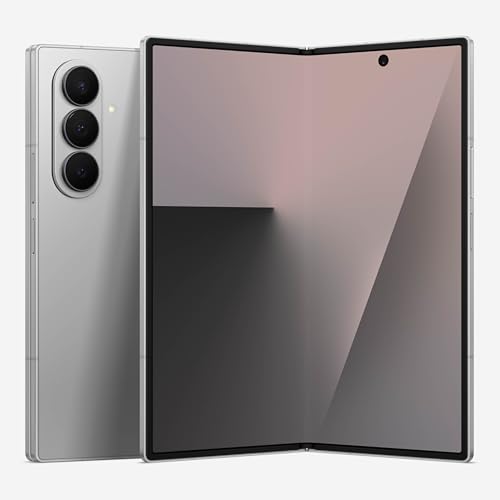


The Samsung Galaxy Z Fold7 is a strong example of why megapixels are only part of the story. Its 200MP camera sounds massive, but the real appeal is the combination of high resolution, AI photo edits, and a powerful imaging pipeline that can help produce detailed shots.
- ✓ 200MP camera with Pro-Visual Engine for highly detailed photos
- ✓ Large foldable display for easier framing and editing
- ✓ AI photo editing tools for quick improvements
- ✓ Strong performance for multitasking and media use
- ✓ Prime eligible for faster shipping
- ✗ Very expensive compared with most phones
- ✗ Foldable design may not suit everyone
- ✗ High megapixel count is not automatically better in every situation
Google Pixel Fold 4.6★ (estimated review count not provided) ✓ Prime
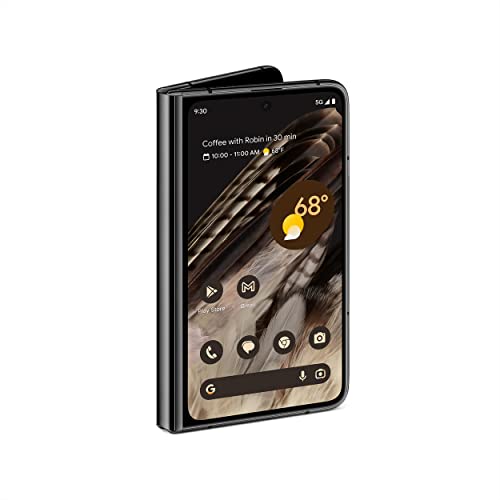


The Google Pixel Fold is a great choice if you care more about real-world photo quality than raw megapixel numbers. Google’s image processing is known for helping photos look natural, especially in low light and mixed lighting.
- ✓ Triple rear camera system with advanced image processing
- ✓ Telephoto and ultrawide lens for flexible shooting
- ✓ Good low-light photo and video performance
- ✓ Foldable design supports hands-free shooting
- ✓ Prime eligible for faster shipping
- ✗ Older model compared with newer foldables
- ✗ Not the highest megapixel count in this group
- ✗ Foldable phones can be pricier to repair
BLKE Max Mini Phone 4.1★ (estimated review count not provided) ✓ Prime
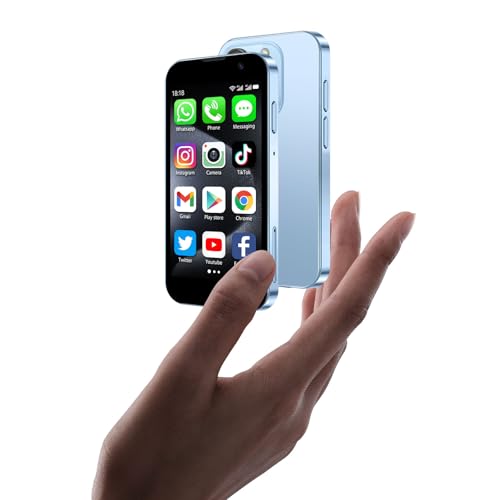


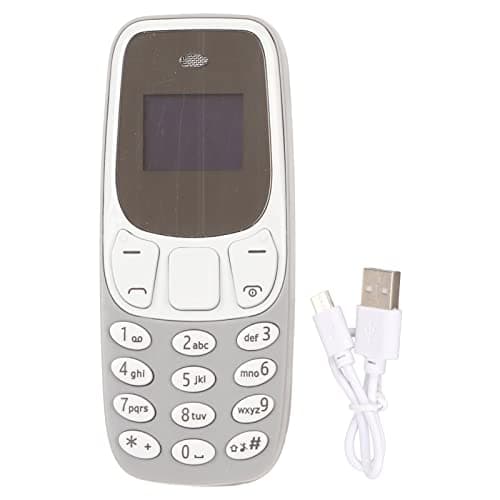
The BLKE Max Mini Phone shows what a low-megapixel camera is for: simple, casual snapshots. Its 5MP rear camera and 3MP front lens are fine for basic everyday photos, especially when portability matters more than image quality.
- ✓ Compact and lightweight for kids or minimal users
- ✓ Simple 5MP rear camera for basic photos
- ✓ Easy to carry and grip
- ✓ Affordable entry-level option
- ✓ Prime eligible for faster shipping
- ✗ Camera quality is limited compared with mainstream phones
- ✗ Not ideal for low-light photography
- ✗ Best suited for basic use, not serious photo taking
Samsung Galaxy Z Fold 6 5G 4.5★ (estimated review count not provided) ✓ Prime
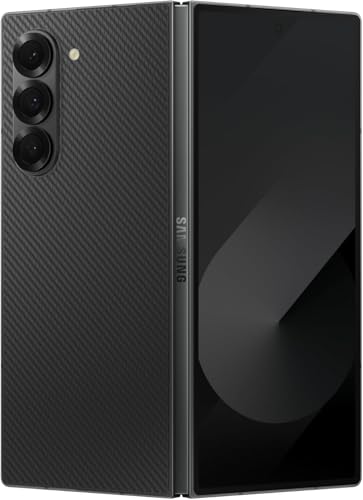
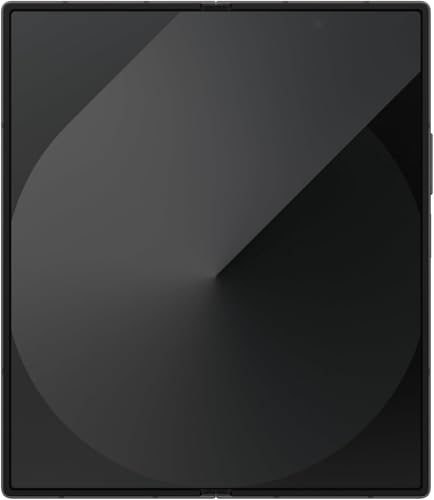
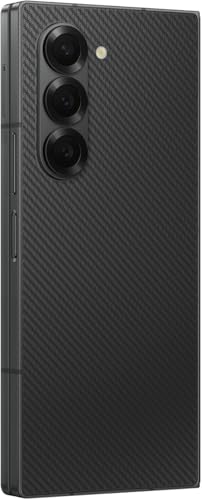
The Samsung Galaxy Z Fold 6 5G is a more budget-friendly foldable option for people who want strong camera hardware without paying for the newest flagship. Its 50MP main camera is a good reminder that a well-balanced camera system can matter more than chasing the biggest megapixel number.
- ✓ 50MP main camera with OIS for stable shots
- ✓ Telephoto and ultrawide lenses add flexibility
- ✓ Large inner display for photo editing and viewing
- ✓ Strong multitasking performance
- ✓ Prime eligible for faster shipping
- ✗ Renewed device may not appeal to every buyer
- ✗ Lower megapixel count than newer premium models
- ✗ Foldable design still adds complexity and cost
Common Mistakes to Avoid
One of the biggest mistakes is assuming that more megapixels always means better photos. A 200MP camera can still take worse pictures than a 50MP camera if the sensor, lens, and software are weaker.
Another common mistake is ignoring low-light performance. If you take photos indoors, at night, or in restaurants, sensor size and image processing matter more than raw resolution.
People also forget to look at the full camera system. Wide, ultrawide, and telephoto lenses can be more useful than a single high-megapixel main camera.
Finally, do not buy based only on marketing numbers. Think about how you actually use your phone: casual photos, social media, travel, content creation, or professional-style editing.
Frequently Asked Questions
How many megapixels is good for a phone camera?
For most people, 12MP to 50MP is good for a phone camera. That range is usually enough for sharp everyday photos, social media, and even many prints.
Is 12MP enough for a phone camera in 2026?
Yes, 12MP is still enough for many users in 2026. If the sensor and software are good, a 12MP phone can take excellent photos.
Is 50MP better than 12MP on a phone?
Sometimes, but not always. A 50MP camera can offer more detail and cropping flexibility, but a great 12MP camera may outperform it in low light or color accuracy.
Do more megapixels mean better pictures?
No. More megapixels only mean more image resolution, not automatically better picture quality. Sensor size, lens quality, and processing often matter more.
What megapixel camera is best for social media?
For social media, a good 12MP to 50MP camera is usually more than enough. Most apps compress images anyway, so camera quality and processing are more important than ultra-high resolution.
Frequently asked questions
- How many megapixels is good for a phone camera?
- For most people, 12MP to 50MP is good for a phone camera. That range is usually enough for sharp everyday photos, social media, and even many prints. Is 12MP enough for a phone camera in 2026?
- Is 12MP enough for a phone camera in 2026?
- Yes, 12MP is still enough for many users in 2026. If the sensor and software are good, a 12MP phone can take excellent photos. Is 50MP better than 12MP on a phone?
- Is 50MP better than 12MP on a phone?
- Sometimes, but not always. A 50MP camera can offer more detail and cropping flexibility, but a great 12MP camera may outperform it in low light or color accuracy. Do more megapixels mean better pictures?
- Do more megapixels mean better pictures?
- No. More megapixels only mean more image resolution, not automatically better picture quality. Sensor size, lens quality, and processing often matter more. What megapixel camera is best for social media?
- What megapixel camera is best for social media?
- For social media, a good 12MP to 50MP camera is usually more than enough. Most apps compress images anyway, so camera quality and processing are more important than ultra-high resolution.
Get the Full Tech Buyer's Guide
Join our free newsletter — we'll send our latest Tech picks, specs and verdicts straight to your inbox.
Free. No spam. Unsubscribe anytime.
Was this review helpful?
Be the first to share your feedback on this review.
Sign in to vote and let us know what you think.
Discussion (0)
No comments yet. Be the first to start the discussion.
Related Reviews
What is eSIM vs physical SIM explained? A Complete 2026 Guide
If you’re confused by eSIM vs physical SIM explained , you’re not alone: the difference affects how you activate service, travel internationally, and switch phones. The short version is that both connect your phone to a carrier, but they do it in very different ways—one is a removable chip, the othe
8 Best Dual SIM Phones US in 2026 — Reliable Unlocked Picks for T-Mobile and Global Travel
If you’re searching for the best dual SIM phones US , the biggest challenge is finding models that actually work on U.S. networks without carrier headaches. Many “international” phones support dual SIM on paper, but only a few have the band support, IMEI compatibility, and practical carrier fit that
Best Prepaid Phones for Every Budget in 2026: Ranked by Price & Performance
If you’re shopping for the best prepaid phones 2026 , the hard truth is that the cheapest option is often only “good” if you need the absolute basics. The best choice depends on whether you want the lowest upfront cost, a more practical feature phone for calls and media, or the most reliable ultra-b