


Who this is for: Best for minimalist buyers who want comfortable, screen-free health tracking and better sleep wearability.
Check PriceIf you want a fitness tracker that disappears on your wrist but still keeps tabs on your health, the Google Fitbit Air is built around that exact idea. It skips the screen entirely, which makes it more comfortable and less distracting than many trackers in this category. Based on published specs, owner feedback themes, and comparison shopping, it looks especially appealing for sleep tracking, all-day wear, and simple wellness coaching.
Related Reviews
Key Specifications

| Spec | Details |
|---|---|
| Product type | Screenless activity tracker |
| Health tracking | Heart rate, sleep tracking, fitness tracking |
| Coaching | Personalized AI-powered coaching |
| Battery life | Up to 7 days |
| Charging | Fast charging: about one day of battery in 5 minutes |
| Fit | One-size tracker for 130–210 mm wrists |
| Compatibility | Works with iOS and Android |
| Display | No screen |
Design & Build Quality
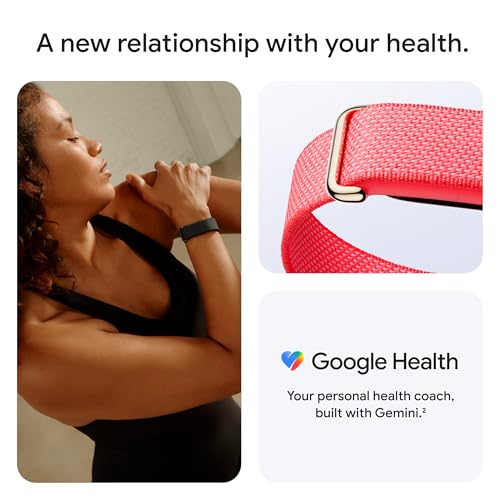
The biggest design difference with the Fitbit Air is also its main selling point: there’s no screen. That gives it a cleaner, more jewelry-like look and reduces the chance of the tracker feeling bulky during daily wear, sleep, or workouts. For many buyers, that alone is reason enough to consider it over a traditional fitness band.
According to the product details, the tracker uses a lightweight, micro-adjustable fit designed for comfort across work, exercise, and sleep. That matters because screenless wearables often win or lose on whether people keep them on consistently. Published owner feedback on screenless trackers in general tends to favor models that are easy to forget about, and this one is clearly positioned in that camp.
The fog colorway keeps it understated, which should appeal to people who want a device that blends in rather than looks like a gadget. The interchangeable styling concept is also practical: the tracker can shift from bracelet-like wear to workout mode to sleep mode without needing a full device swap.
What stands out most
- Lightweight, low-profile design for all-day and overnight wear
- No screen, so there’s less visual clutter and fewer distractions
- Micro-adjustable fit aimed at comfort and consistency
- Designed to move easily between casual, workout, and sleep use
Pros
- Very comfortable, discreet screenless design
- Easy to wear during sleep and daily routines
- Stylish enough to pass as a bracelet-like accessory
- Lightweight fit should suit people who dislike bulky wearables
Cons
- No display means you must rely on the app for most information
- Less immediate on-device feedback than a smartwatch or band with a screen
- Screenless format may not appeal to users who want quick glanceable stats
Performance & Features

Feature-wise, the Fitbit Air is aimed at people who care more about consistent health insights than smartwatch-style extras. The core package includes fitness tracking, heart rate monitoring, sleep tracking, and personalized coaching. On paper, that makes it a strong wellness-first device rather than a mini phone on your wrist.
The most interesting feature is the personalized AI-powered coaching. Google says the coaching adapts to your life and is built with Gemini through Google Health Premium. That could be especially useful for buyers who want more guidance instead of just raw data. Based on the product messaging, the Fitbit Air seems designed to turn passive tracking into actionable habits.
Battery life is another major strength. Up to 7 days of battery life is a meaningful advantage for a screenless tracker because it reduces charging friction. Fast charging also helps: getting roughly a day of use in about five minutes is a very practical feature for forgetful users or travelers.
In published comparisons, screenless trackers often do best when they focus on sleep comfort, battery life, and passive health logging. That is exactly where this model appears strongest. It does not try to compete with a full smartwatch on apps or display features; instead, it focuses on being easy to wear and easy to keep charged.
Performance strengths in real-world use cases
- Better suited to passive, 24/7 wear than many screen-based trackers
- Sleep tracking should benefit from the low-profile design
- Heart rate and activity tracking are supported by newer sensors and algorithms
- AI coaching may help users turn data into habits
Pros
- Heart rate, sleep, and fitness tracking in a simple package
- AI-powered coaching adds value beyond basic step counting
- Up to 7 days of battery life is highly convenient
- Fast charging reduces downtime
- Works with both iOS and Android
Cons
- Premium coaching features may require a separate subscription
- No screen means you lose instant on-wrist stats
- Not ideal for users who want smartwatch-style functionality
Value for Money
As a mid-range tracker, the Fitbit Air sits in an interesting spot. It is not trying to undercut bargain fitness bands, and it is not asking you to pay smartwatch-level money for a full display and app ecosystem. Instead, it competes on comfort, battery life, and a cleaner user experience.
That makes its value proposition strongest for people who know they will actually wear it every day. A tracker only becomes valuable if it is comfortable enough to stay on, and screenless wearables often have an edge there. If the Fitbit Air helps you track sleep more consistently, monitor heart rate more reliably, and pay attention to health habits without distractions, the price can make sense.
Where the value may be weaker is for shoppers who want everything included upfront. The product page highlights Google Health Premium coaching, but that premium layer is sold separately. So while the hardware may be compelling, some of the smarter guidance features depend on ongoing subscription access.
In short: this is a value buy for minimalist health tracking, not for feature-hungry smartwatch shoppers.
Pros
- Good balance of comfort, tracking, and battery life
- Feels more purpose-built than many all-purpose wearables
- Strong fit for users who prioritize sleep and wellness habits
Cons
- Some advanced coaching features depend on a separate membership
- Less versatile than a screen-equipped smartwatch
- Value drops if you want frequent on-device interaction
Who Should Buy This
The Fitbit Air makes the most sense for people who want a tracker they can wear almost forgetfully. If you care about sleep tracking, want a comfortable all-day device, and dislike the constant presence of a screen, this is a smart fit.
It also suits buyers who prefer a wellness-first approach instead of app overload. If you mainly want heart rate, activity, sleep insights, and occasional coaching, the Fitbit Air’s streamlined design is a real advantage. It is especially appealing for people who do not want a smartwatch but still want modern health tracking.
- People who want a screenless, low-distraction tracker
- Sleep-focused buyers who want something comfortable overnight
- Minimalists who prefer simple health tracking over smartwatch features
- Users who value long battery life and quick charging
Who Should Look Elsewhere
This is not the best pick for everyone. If you want to glance at stats on your wrist throughout the day, a screenless tracker will likely frustrate you. The same goes for users who want built-in GPS, music controls, or a full smartwatch interface.
It may also be a poor fit for people who do not want to rely on a phone app for most interactions. Since the Fitbit Air is designed around minimalism, its appeal drops sharply if you prefer a more feature-heavy wearable.
- Anyone who wants a display for quick on-wrist stats
- Users who want smartwatch-style features and apps
- People who prefer GPS and more advanced workout tools on the device itself
- Shoppers who want the cheapest possible fitness tracker
Best Alternatives
Google Fitbit Charge 6
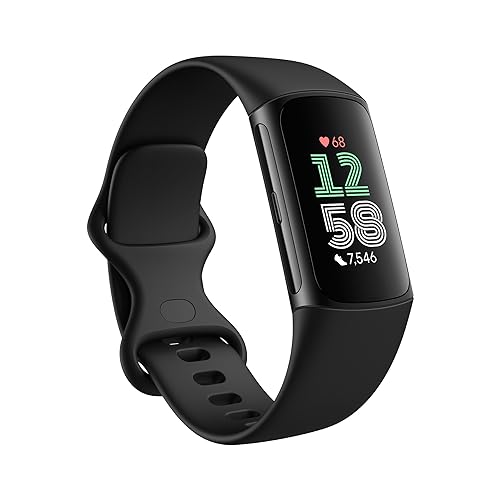
If you want more on-wrist feedback and more workout tools, the Charge 6 is the most obvious step up. It keeps the Fitbit health focus but adds a screen, built-in GPS, exercise modes, and more connected features.
- ✓ Better for users who want a display
- ✓ More workout-focused features
- ✓ Includes Google ecosystem perks
Garmin Instinct 3 Solar

If durability and outdoor navigation matter more than simplicity, the Instinct 3 Solar is the rugged premium alternative. It is much more specialized, but it offers serious battery and navigation benefits for active outdoor users.
- ✓ Best for rugged use and outdoor adventures
- ✓ Strong battery story with solar charging
- ✓ More advanced navigation tools
Advanced Health Smartwatch for Women Men

If you want a budget option with a full display and lots of health metrics, this is the lower-cost alternative. It is broader in features on paper, though it is less focused than the Fitbit Air.
- ✓ Budget-friendly alternative
- ✓ Always-on display and broad health tracking
- ✓ Lots of notification and phone-control features
Final Verdict
The Google Fitbit Air looks like a strong buy for anyone who wants a comfortable, screenless tracker that emphasizes sleep, heart rate, and everyday wellness. Its biggest strengths are the low-profile design, long battery life, and simple, distraction-free experience. If you want a device you can wear all day and night without feeling like you’re wearing a gadget, this is one of the more compelling options in the category.
Skip it if you want a display, advanced smartwatch features, or a device that gives you instant stats without opening an app. But for minimalist buyers who value comfort and consistency, the Fitbit Air earns a recommendation.
Frequently Asked Questions
Is the Fitbit Air really screen-free?
Yes. The Fitbit Air is designed as a screenless activity tracker, which means it focuses on passive health tracking rather than showing stats on the device itself.
How long does the Fitbit Air battery last?
Google says the battery lasts up to 7 days, and it also supports fast charging for about a day of battery life in around 5 minutes.
Does the Fitbit Air track sleep?
Yes. Sleep tracking is one of its core features, and the screenless design may make it especially comfortable for overnight wear.
Does the Fitbit Air work with iPhone and Android?
Yes. The product is listed as working with both iOS and Android devices.
Is the Fitbit Air worth it for smartwatch users?
Probably not. It is better for people who want simple, comfortable health tracking than for users who want a full smartwatch experience.
Pros
- + Very comfortable, discreet screenless design
- + Up to 7 days of battery life
- + Heart rate, sleep, and fitness tracking
- + AI-powered coaching adds value
- + Works with iOS and Android
Cons
- – No display for quick on-wrist stats
- – Premium coaching may require a subscription
- – Less versatile than a smartwatch
Frequently asked questions
- Is the Fitbit Air really screen-free?
- Yes. The Fitbit Air is designed as a screenless activity tracker, which means it focuses on passive health tracking rather than showing stats on the device itself.
- How long does the Fitbit Air battery last?
- Google says the battery lasts up to 7 days, and it also supports fast charging for about a day of battery life in around 5 minutes.
- Does the Fitbit Air track sleep?
- Yes. Sleep tracking is one of its core features, and the screenless design may make it especially comfortable for overnight wear.
- Does the Fitbit Air work with iPhone and Android?
- Yes. The product is listed as working with both iOS and Android devices.
- Is the Fitbit Air worth it for smartwatch users?
- Probably not. It is better for people who want simple, comfortable health tracking than for users who want a full smartwatch experience.
Score breakdown
- value
- 8.0
- usability
- 8.8
- durability
- 7.8
- performance
- 8.5
- buyerFeedback
- 8.2
Get the Full Tech Buyer's Guide
Join our free newsletter — we'll send our latest Tech picks, specs and verdicts straight to your inbox.
Free. No spam. Unsubscribe anytime.
Was this review helpful?
Be the first to share your feedback on this review.
Sign in to vote and let us know what you think.
Discussion (0)
No comments yet. Be the first to start the discussion.
Related Reviews

8 Best Fitness Trackers for Swimming in 2026 — Waterproof Picks for Lap Tracking, Recovery, and Everyday Wear
If you’re looking for the best fitness trackers for swimming, the hard part is finding a wearable that can handle water without sacrificing comfort, battery life, or useful health tracking. Some devices are better for pool sessions and lap-style training, while others are stronger all-around tracker

Fitbit Air vs WHOOP 5.0 (2026): Which Should You Actually Buy?
Both devices embrace the screenless approach, but Fitbit Air feels like the easier everyday wearable for most people. Its lightweight, micro-adjustable fit and “change looks in seconds” design make it especially appealing if you want something that can move from work to workouts to sleep without dra

7 Best Wearables for Stress Tracking in 2026 — Best Options for Calm, Sleep, and Daily Wellness Insights
If you’re trying to find the best wearables for stress tracking, the hard part is separating real wellness features from marketing fluff. You want something that can actually monitor stress signals, sleep quality, heart rate, and recovery without becoming annoying to wear all day. These picks are ba