
What is Compression Therapy? A Complete 2026 Guide
Compression therapy explained simply: it is a treatment that uses controlled pressure to support circulation, reduce swelling, and help fluid move more efficiently through the body. It’s commonly used for leg swelling, varicose veins, venous insufficiency, recovery after exercise, and lowering the risk of certain circulation-related complications. If you’ve been wondering whether compression socks, sleeves, or wraps actually work, this guide breaks down how they work, when they help, and what to look for before buying.
Related Reviews
How It Works
Compression therapy works by applying graduated pressure to a limb, usually starting tighter at the ankle or lower area and gradually easing upward. That pressure helps blood and fluid move back toward the heart instead of pooling in the hands, feet, or legs.
For general circulation, the idea is straightforward: veins and lymphatic vessels rely partly on muscle movement and pressure changes to move fluid. When you wear compression garments, they provide external support that can reduce vein stretching, improve blood return, and limit swelling.
There are a few common forms of compression therapy:
- Compression socks and stockings for everyday swelling, travel, or vein support
- Compression sleeves for arms or calves
- Wraps and bandages for more adjustable pressure
- Pneumatic compression devices that inflate and deflate in cycles to encourage fluid movement
The pressure level matters. Mild compression may be enough for travel or light swelling, while stronger medical-grade compression is often used for diagnosed vein issues or post-procedure care. Because the wrong fit or pressure can be uncomfortable or ineffective, compression therapy is most useful when matched to the specific need.
Key Benefits & Use Cases
Compression therapy is used for both wellness and medical support, depending on the situation. The most common benefit is improved circulation, but many people also use it to manage swelling, discomfort, and fatigue in the legs.
1. Reducing Swelling
Compression can help move excess fluid out of the lower legs, ankles, or arms. This is especially useful for people who sit or stand for long periods, travel often, or deal with fluid retention.
2. Supporting Vein Health
People with varicose veins or chronic venous insufficiency often use compression to reduce pressure in the veins and ease heaviness, aching, or throbbing. It does not “cure” vein disease, but it can help manage symptoms.
3. Recovery and Athletic Use
Some athletes wear compression garments after workouts or long events to reduce soreness and support recovery. The evidence varies by use case, but many users report less leg fatigue and a more comfortable recovery period.
4. Travel Support
Long flights or car rides can slow circulation and increase swelling in the legs. Compression socks are commonly used during travel to help reduce discomfort and support blood flow.
5. Post-Procedure or Medical Care
Compression is often recommended after certain procedures or for people managing lymphedema, ulcers, or chronic swelling. In these cases, the goal is usually to control fluid buildup and support healing under medical guidance.
What to Look For When Buying
If you’re shopping for compression therapy products, the right choice depends on your condition, comfort level, and how often you’ll wear them. Here are the five most important criteria to compare.
1. Compression Level
Compression is measured in mmHg, and the right range depends on the intended use. Lower levels are generally used for light support and travel, while higher levels are often reserved for medical needs and should usually be chosen with professional advice.
2. Fit and Sizing
A proper fit is essential. If the garment is too loose, it won’t provide enough pressure; if it’s too tight, it may be uncomfortable or even cause problems. Look for sizing charts that measure around the ankle, calf, thigh, or arm depending on the product.
3. Material and Breathability
Compression wear should be snug, but it also needs to be wearable for hours at a time. Breathable, moisture-wicking materials can make a big difference if you plan to wear it daily, while softer fabrics may be better for sensitive skin.
4. Style and Coverage
Different problems call for different designs. Knee-high socks may be enough for travel or ankle swelling, while thigh-high stockings or full-length sleeves may be better for broader coverage. Choose the style that matches the area you want to support.
5. Ease of Use and Daily Wearability
Some compression products are easy to put on, while others take more effort. If you’ll wear them regularly, look for features that make them easier to manage, such as reinforced openings, stretch zones, or simple closure systems.
Common Mistakes to Avoid
Compression therapy can be helpful, but it works best when used correctly. These are the most common mistakes people make.
- Choosing the wrong pressure level — Too little may do nothing, while too much can be uncomfortable or inappropriate for your condition.
- Buying the wrong size — Fit matters as much as the product itself, and poor sizing can reduce effectiveness.
- Wearing it for the wrong reason — Compression is not a universal fix for pain, numbness, or all swelling.
- Ignoring medical guidance — If you have diabetes, arterial disease, skin problems, or severe swelling, ask a clinician before using stronger compression.
- Expecting instant results — Some people feel relief quickly, but others need consistent use over time to notice a difference.
It’s also a mistake to assume more compression is always better. In reality, the best option is the one that matches your condition, tolerance, and daily routine.
Frequently Asked Questions
What is compression therapy used for?
Compression therapy is used to reduce swelling, support circulation, manage vein-related symptoms, and help move fluid in the legs or arms. It is also commonly used during travel, recovery, and some medical treatments.
Does compression therapy really work?
Yes, compression therapy can be effective when used for the right condition and with the correct fit and pressure level. Its benefits are best documented for swelling control, venous support, and certain medical uses.
How tight should compression therapy feel?
It should feel snug and supportive, not painful, numb, or restrictive. If it causes tingling, discoloration, or significant discomfort, the fit or pressure may be wrong.
Can I wear compression therapy every day?
Many people wear compression garments daily, especially for swelling or vein support. If you plan to use them long-term, it’s smart to choose a comfortable design and confirm the right pressure with a healthcare professional.
Who should not use compression therapy?
People with certain circulation problems, severe arterial disease, or specific medical conditions may need to avoid compression or use it only under medical supervision. If you’re unsure, ask a clinician before starting.
Get the Full Health & Fitness Buyer's Guide
Join our free newsletter — we'll send our latest Health & Fitness picks, specs and verdicts straight to your inbox.
Free. No spam. Unsubscribe anytime.
Was this review helpful?
Be the first to share your feedback on this review.
Sign in to vote and let us know what you think.
Discussion (0)
No comments yet. Be the first to start the discussion.
Related Reviews
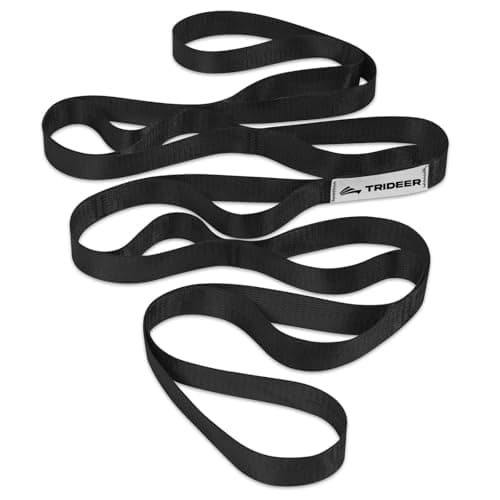
8 Best Stretching Straps in 2026 — Better Flexibility, Safer Home Stretching
If you’re looking for the best stretching straps, you probably want one tool that makes hamstring, back, hip, and shoulder stretches easier without overcomplicating your routine. The strongest picks are non-elastic, looped straps that give you better control, safer positioning, and a more consistent
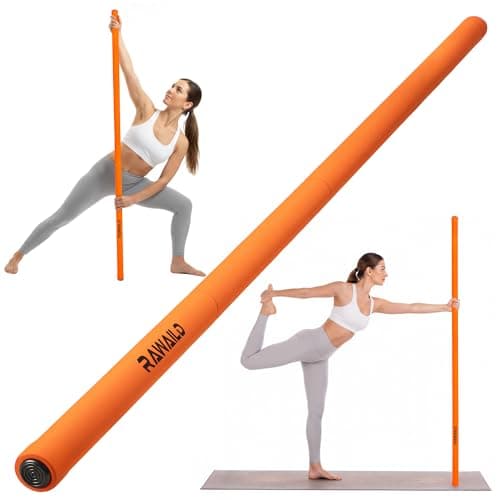
8 Best Mobility Tools in 2026 — Smarter Recovery, Stretching, and Everyday Movement Support
If stiffness, tight shoulders, weak grip, or limited reach are slowing you down, the right mobility tool can make daily movement feel easier again. This roundup of the best mobility tools 2026 focuses on compact, affordable, and highly practical options for stretching, self-massage, balance, hand re
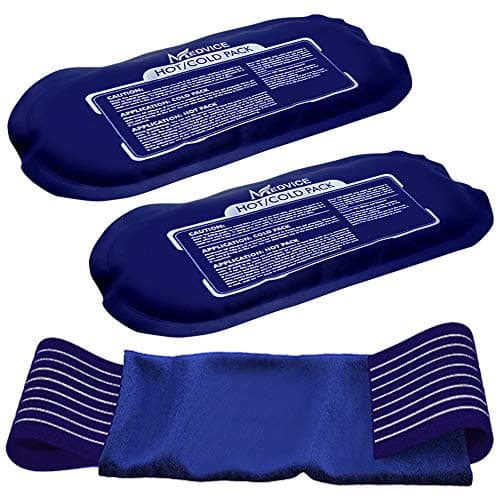
8 Best Ice Packs for Injuries in 2026 — Fast Relief for Swelling, Sprains, and Recovery
If you’re dealing with a sprain, swollen joint, post-workout soreness, or a minor sports injury, the right ice pack can make a big difference in comfort and recovery. The challenge is choosing one that actually fits your situation: reusable vs. disposable, flexible vs. rigid, small vs. full-coverage