


Who this is for: Best for buyers who want to compare cervical traction device styles and choose one that fits their comfort, routine, and setup needs.
Check PriceIf you’re trying to figure out how to choose a cervical traction device, the biggest challenge is separating genuinely useful support from products that look similar but work very differently. The wrong choice can mean poor fit, awkward setup, or a device that doesn’t match your comfort level or routine. This guide breaks down the features that matter most, the red flags to avoid, and the best options to consider based on research, specs, and documented owner feedback.
Related Reviews
The most common mistake buyers make is choosing a neck traction device based on appearance alone instead of matching the design to their needs, such as portability, adjustability, or whether they want an inflatable model or an over-door style. Another frequent issue is ignoring sizing and usage limits, which can make the device uncomfortable or less effective. The goal here is to help you choose a cervical traction device that fits your body, your space, and your daily habits.
Key Features to Look For
1. Adjustable traction level
The most important feature is control over how much traction you get. Devices with inflatable chambers, pumps, or ratcheting systems let you fine-tune the stretch so you can start gently and increase support gradually. That matters because too much pull can feel uncomfortable, while too little may not provide the relief you’re looking for.
2. Comfortable contact materials
Look for soft, skin-friendly materials such as velvet, flocking fabric, or padded support surfaces. Since these devices sit directly around the neck and jawline, comfort has a big impact on whether you’ll actually use them consistently. Breathable materials also help reduce irritation during longer sessions.
3. Fit and sizing range
A cervical traction device only works well if it fits your neck properly. Check the stated neck circumference, neck height, or user height recommendations before buying. A poor fit can reduce effectiveness and make the device feel unstable, especially with inflatable collars or over-door harnesses.
4. Ease of setup and use
Some devices are ready to use right away, while others require door mounting or more careful adjustment. If you want something for quick daily use, a simpler design may be better. Ease of use matters because the best device is the one you’ll actually keep using consistently.
5. Portability
If you travel, commute, or want something you can move between rooms, portability becomes a major advantage. Inflatable neck supports and compact over-door systems are easier to store and carry than bulkier setups. Portable designs are also useful for people who want neck support at home, at work, or while traveling.
6. Support style: inflatable vs. over-door
Inflatable devices are often preferred by buyers who want a wearable, self-contained option. Over-door traction systems may offer a more structured stretch and can be useful for users who want a fixed setup. The right choice depends on whether you value convenience and mobility or a more anchored traction experience.
7. Washability and maintenance
If you plan to use the device often, removable or washable covers are a plus. This is especially helpful for fabric-based collars that may absorb sweat or wear over time. Easy maintenance extends the practical life of the product and keeps it more comfortable session after session.
What to Avoid
Overlooking fit and sizing limits
One of the biggest mistakes is buying a device without checking whether it matches your neck dimensions or body size. Some products are designed for specific neck circumferences or user heights, and ignoring those details can lead to poor positioning or discomfort.
Choosing a device with no clear adjustment method
A cervical traction device should let you control the stretch. If a product doesn’t explain how tension is adjusted, or if the mechanism seems vague, that’s a red flag. You want a device that makes it easy to start conservatively and adjust gradually.
Ignoring comfort materials
Hard edges, rough fabric, or thin padding can make a traction device unpleasant to wear. Since many users need repeated sessions, comfort is not a luxury feature—it’s central to whether the device remains usable over time.
Assuming all neck problems are suitable for traction
Not every cervical issue is appropriate for home traction. Some product listings explicitly recommend consulting a healthcare professional before use, and that advice is worth taking seriously. If you have a complex condition, get guidance before buying.
Buying a setup that’s too complicated for your routine
If a device is difficult to install, inflate, or store, you may stop using it. Simpler designs often win for everyday consistency, especially for people who want short sessions during work breaks or before bed.
Expecting the same experience from every design
Inflatable collars, hammock-style traction systems, and modular air-column devices all work differently. A common pitfall is assuming one type will feel like another. Choose based on the experience you want, not just the product category.
Our Top Picks
Best budget wearable option: S Cervical Neck Traction Device for Instant Neck Pain Relief

This is a strong pick if you want a simple inflatable collar that focuses on portability and everyday convenience. It’s a good fit for buyers who want adjustable support, soft material, and a design that can be packed away easily.
- ✓ Inflatable design lets you control the amount of support
- ✓ Soft, breathable flocking fabric for better comfort
- ✓ Lightweight and easy to store or travel with
- ✓ No assembly required
- ✓ Customizable fit with Velcro straps
- ✗ May not suit users who want a more structured traction setup
- ✗ Fit depends on staying within the stated neck size range
- ✗ Inflatable designs may feel less stable than harness-based systems
Best for home traction with a more structured feel: Cervical Neck Traction Device for Home Use


If you want a more traditional over-door traction system, this model stands out for its adjustable mechanism and pre-installed setup. It’s a better match for people who want a more controlled, anchored traction experience at home.
- ✓ Ratcheting adjustment for fine-tuned traction
- ✓ Calibrated spring scale for more controlled use
- ✓ Velvet harness is designed to feel skin-friendly and sturdy
- ✓ Pre-installed for easier setup
- ✓ Portable enough for home, office, or travel use
- ✗ Requires a suitable door height for best use
- ✗ Over-door systems are less portable than inflatable collars
- ✗ Setup may be less convenient than wearable options for very quick sessions
Best simple portable option: Cervical Neck Traction Device Over Door for Decompression Home Physical Therapy


This is a practical choice for buyers who want a lightweight over-door system without extra complexity. Its appeal is straightforward use, compact storage, and a soft hammock-style feel.
- ✓ Works over a standard door
- ✓ Lightweight and easy to carry
- ✓ Breathable velvet padding for comfort
- ✓ Pre-assembled and ready to use
- ✓ Good for home, office, or travel
- ✗ Less feature-rich than premium adjustable systems
- ✗ Door-based setup may not suit every space
- ✗ Not the best choice if you want highly granular traction control
Best premium wearable design: Cervical Neck Traction Device for Pain Relief


This model is a smart pick for buyers who want a more advanced inflatable design with built-in air support and detailed adjustability. It’s especially appealing if you want a portable option that still feels more engineered than a basic inflatable collar.
- ✓ Three-dimensional decompression concept
- ✓ Knob-based adjustment for height and tightness
- ✓ Built-in air columns for shaping support
- ✓ Portable enough for use beyond the doorway
- ✓ Clear guidance to start at the lowest setting
- ✗ Requires more adjustment to find the right fit
- ✗ Not all cervical issues are suitable for traction
- ✗ May feel more complex than simpler wearable options
Best mid-range comfort pick: RisePivot Cervical Neck Traction Device


This is the strongest choice for buyers who care about comfort, hygiene, and repeat use. The washable cover and three-chamber design make it especially appealing for regular daily decompression routines.
- ✓ Detachable, washable velvet cover
- ✓ Three-tube air support for consistent decompression
- ✓ No assembly required
- ✓ Easy inflation and deflation workflow
- ✓ Good for desk workers, travelers, and daily use
- ✗ Inflatable style may not satisfy users who want rigid traction
- ✗ Requires regular inflation/deflation for each session
- ✗ Some users may prefer a more structured over-door setup
Budget Guide: What You Get at Each Tier
Budget tier
Budget cervical traction devices typically focus on the essentials: adjustable support, simple operation, and portability. In this tier, you’ll usually see inflatable collars or lightweight over-door styles with fewer advanced features. These are best if you want an accessible starting point and don’t need highly refined adjustment systems.
Mid-range tier
Mid-range options usually add better comfort materials, more thoughtful construction, and features that support repeated use. You may see washable covers, softer padding, more stable air support, or easier inflation and deflation. This tier is a good fit if you plan to use the device regularly and want a better overall balance of comfort and convenience.
Premium tier
Premium cervical traction devices tend to offer more precise adjustment, more engineered support structures, and broader versatility. They may include ratcheting systems, calibrated tension controls, multi-chamber air support, or more advanced decompression designs. These are a better fit for buyers who want more control and are willing to spend time learning the setup.
Frequently Asked Questions
What is the best type of cervical traction device for beginners?
Beginners often do best with a simple inflatable neck traction device because it usually offers easier setup and more gradual adjustability. A softer, wearable design can also feel less intimidating than a more structured over-door system.
Should I choose an inflatable or over-door cervical traction device?
Choose inflatable if you want portability, simpler storage, and a more wearable feel. Choose over-door if you want a more anchored traction setup and don’t mind using a door-mounted system.
How do I know if a cervical traction device will fit me?
Check the product’s stated neck circumference, neck height, or user height guidance before buying. If the listing includes sizing details, compare them carefully to your own measurements and comfort needs.
Can I use a cervical traction device every day?
Some products are designed for daily use, but you should follow the manufacturer’s instructions and consult a healthcare professional if you have any medical concerns. Start gently and avoid assuming that more traction is always better.
What features matter most when choosing a cervical traction device?
The most important features are adjustability, comfort, fit, ease of use, and portability. If you plan to use it often, washability and a design that matches your routine become especially important.
Pros
- + Adjustable traction levels
- + Comfortable, skin-friendly materials
- + Portable and easy to store
- + Simple setup options available
- + Washable covers on some models
Cons
- – Fit limits can be restrictive
- – Some designs require a suitable door setup
- – Not all neck issues are appropriate for traction
- – More advanced models can feel complex
Frequently asked questions
- What is the best type of cervical traction device for beginners?
- Beginners often do best with a simple inflatable neck traction device because it usually offers easier setup and more gradual adjustability. A softer, wearable design can also feel less intimidating than a more structured over-door system.
- Should I choose an inflatable or over-door cervical traction device?
- Choose inflatable if you want portability, simpler storage, and a more wearable feel. Choose over-door if you want a more anchored traction setup and don’t mind using a door-mounted system.
- How do I know if a cervical traction device will fit me?
- Check the product’s stated neck circumference, neck height, or user height guidance before buying. If the listing includes sizing details, compare them carefully to your own measurements and comfort needs.
- Can I use a cervical traction device every day?
- Some products are designed for daily use, but you should follow the manufacturer’s instructions and consult a healthcare professional if you have any medical concerns. Start gently and avoid assuming that more traction is always better.
- What features matter most when choosing a cervical traction device?
- The most important features are adjustability, comfort, fit, ease of use, and portability. If you plan to use it often, washability and a design that matches your routine become especially important.
Get the Full Health & Fitness Buyer's Guide
Join our free newsletter — we'll send our latest Health & Fitness picks, specs and verdicts straight to your inbox.
Free. No spam. Unsubscribe anytime.
Was this review helpful?
Be the first to share your feedback on this review.
Sign in to vote and let us know what you think.
Discussion (0)
No comments yet. Be the first to start the discussion.
Related Reviews
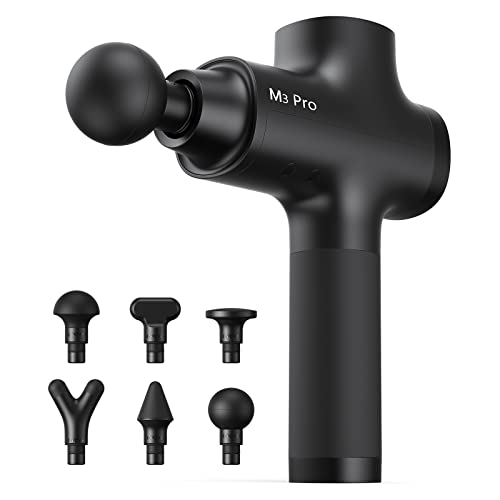
OPOVE M3 Pro Review (2026): Specs, Pros & Cons, and Who It's For
The OPOVE M3 Pro 2 is positioned as a serious recovery tool rather than a lightweight wellness gadget. Its design language is practical: a compact handheld body, a protective carrying case, and a shell built to handle regular use without feeling fragile.

TimTam PowerMassager Pro vs Therabody Theragun Pro (2026): Which Should You Actually Buy?
The TIMTAM model wins design for one simple reason: it keeps the recovery experience straightforward while packing in a lot of hardware. The integrated hot-cold-LED head is a standout because it reduces the need to swap between separate tools during a session.

Therabody Theragun Pro Review (2026): Specs, Pros & Cons, and Who It's For
Check Price on Amazon →