

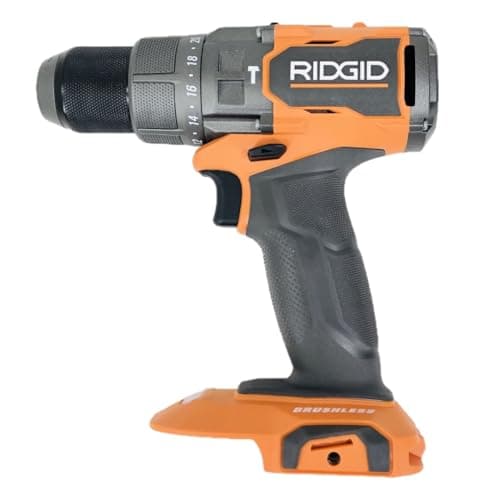
What is Brushless Motor Explained? A Complete 2026 Guide
If you keep seeing “brushless motor” on drills, blowers, and power tools but still aren’t sure what it actually means, you’re not alone. The short version is that a brushless motor uses electronic control instead of physical brushes to spin more efficiently, run cooler, and often last longer. In this guide, you’ll get brushless motor explained in plain English, plus what to look for when buying tools that use one.
Related Reviews
How It Works
A brushless motor is an electric motor that replaces the old-school carbon brushes and mechanical commutator found in brushed motors with electronic switching. Instead of the motor physically changing the direction of current as it spins, a controller sends power to the motor windings in a precise sequence. That timing keeps the rotor turning smoothly while reducing friction and wear.
Here’s the easy way to think about it: brushed motors rely on parts rubbing together to make the motor work, while brushless motors rely on electronics to do that job. Because there are fewer parts physically wearing down, brushless motors are generally more efficient and can deliver better power-to-size performance. This is why they show up so often in modern cordless drills, saws, and outdoor equipment.
In practical terms, the motor’s controller “reads” what the motor needs and adjusts power delivery accordingly. That can mean better speed control, less wasted energy, and improved runtime when paired with a battery. It also helps manufacturers design tools that are smaller, lighter, and more capable than older brushed models in many categories.
Key Benefits & Use Cases
Why brushless motors are popular
Brushless motors are popular because they tend to be more efficient, which can translate into longer battery life in cordless tools. They also usually generate less heat, which is helpful during extended use and can support better durability over time. For many buyers, the biggest appeal is getting more performance from a compact tool.
- Better efficiency and less wasted energy
- Longer runtime in many cordless applications
- Less internal wear because there are no brushes to replace
- Often better power-to-weight ratio
- Can support smoother speed control and smarter tool behavior
Common use cases
You’ll find brushless motors in drills, impact drivers, circular saws, reciprocating saws, blowers, vacuums, and lawn equipment. They’re especially useful in cordless tools where battery life and compact size matter a lot. For homeowners, DIYers, and pros alike, brushless technology is often a strong value choice when the tool will be used frequently.
What to Look For When Buying
If you’re shopping for a brushless tool, don’t stop at the word “brushless” alone. The rest of the tool’s design determines whether the motor’s benefits actually show up in real use. Here are five criteria that matter most.
1. Torque or power output
For drills and drivers, torque is a major indicator of how much force the tool can deliver. Higher torque can help with tougher materials and larger fasteners. For other tools, look for watt-equivalent claims, airflow, RPM, or stroke rate depending on the category.
2. Battery platform and compatibility
Brushless motors are only part of the equation; the battery platform matters just as much. A strong battery ecosystem can improve runtime and make future tool purchases easier. If you already own batteries from a brand, staying within that platform can save money.
3. Speed control and electronics
Good brushless tools usually pair the motor with responsive controls. Variable speed triggers, multiple speed settings, and electronic feedback can improve precision and reduce mistakes. These features are especially valuable for delicate work or mixed-material projects.
4. Build quality and durability
Look for metal chucks, reinforced gear cases, overmold grips, and compact housings if you expect regular use. Brushless motors can last a long time, but the surrounding tool still needs to survive jobsite abuse, drops, dust, and repeated transport. Durability is often what separates a decent tool from a great one.
5. Size, weight, and ergonomics
Because brushless motors can be more compact, many tools feel easier to handle. That said, the overall balance and grip shape matter just as much as raw size. If you’ll be using the tool overhead, in tight spaces, or for long periods, comfort should be a top priority.
Top Recommended Products
Below are two research-based product recommendations that help illustrate how brushless motors show up in real tools. These are not hands-on test results; they’re based on published specs, feature sets, price data, and owner feedback patterns.
RIDGID 18V Brushless Cordless 1/2 in. Hammer Drill/Driver R86115 (Tool Only) Bulk Packaged 4.7★ (price: $99.99) ✓ Prime
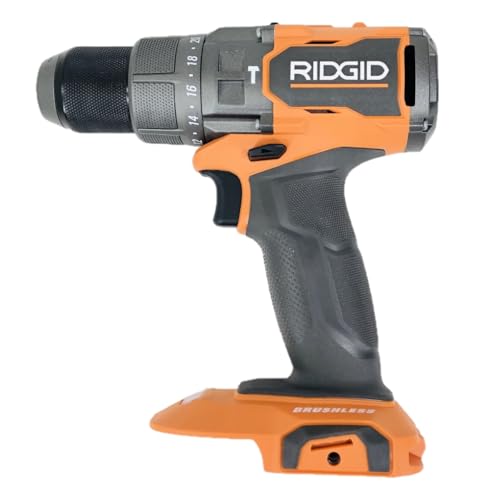


This drill is a straightforward example of why brushless motors are appealing in cordless tools. RIDGID lists 800 in./lbs. of torque, a 2-speed gearbox, and a 1/2 in. metal ratcheting chuck, which suggests a focus on power and durability rather than just light-duty convenience. The ergonomic design also matters because brushless performance is most useful when the tool is comfortable enough to use for longer sessions.
- ✓ 800 in./lbs. of torque for demanding drilling and fastening
- ✓ 2-speed gearbox with 0–500 / 0–2,100 RPM for versatility
- ✓ Metal chuck and metal gear case for added jobsite durability
- ✓ Ergonomic design for better comfort and control
- ✓ Works with MAX Output batteries for maximum power potential
- ✗ Tool only, so battery and charger costs are extra
- ✗ Best performance depends on pairing with compatible batteries
- ✗ Bulk packaged presentation may not appeal to everyone
DEWALT 20V MAX Power Tool Combo Kit, 10 Tool Cordless Power Tool Set, 2 Batteries, Charger and 2 Bags Included, Dewalt Brushless Combo Kit (DCK1021D2) 4.6★ (price: $594.00) 7% OFF — Was $639.00 ✓ Prime
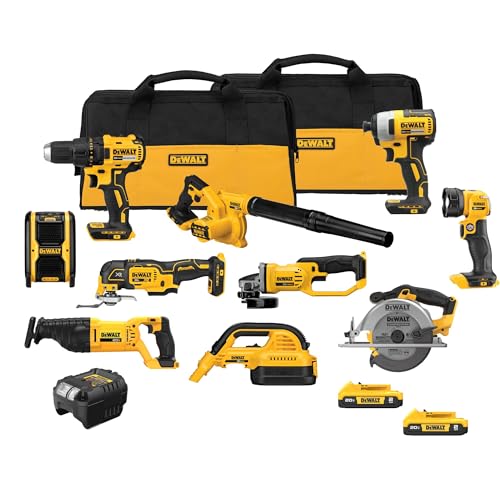


This combo kit is a strong example of brushless technology in a broader tool ecosystem. The appeal here is not just the motor itself, but the fact that multiple tools share a cordless platform with batteries, charger, and storage included. Published features emphasize compact size, variable speed control, and comfort grip design, all of which matter when brushless performance is being used in real-world work.
- ✓ 10-tool cordless set covers many common tasks
- ✓ Includes 2 batteries, charger, and 2 bags for convenience
- ✓ Compact and lightweight design helps in tight spaces
- ✓ Variable speed trigger improves control on delicate work surfaces
- ✓ Optimized rubber overmolded comfort grip for balance and handling
- ✗ Higher upfront cost than a single tool
- ✗ More than some buyers need if they only want one brushless tool
- ✗ Kit value depends on whether you’ll actually use most of the included tools
Common Mistakes to Avoid
Assuming brushless automatically means “best”
Brushless is a great feature, but it does not guarantee the best tool overall. A poorly designed brushless tool can still have weak ergonomics, mediocre build quality, or limited battery support. Compare the whole package, not just the motor type.
Ignoring battery cost and platform lock-in
Many brushless tools are sold as bare tools, which can look cheaper at first glance. If you don’t already own batteries and a charger, the real cost can rise quickly. Always factor in the battery ecosystem before buying.
Choosing power without considering control
More power is not always better if the tool is hard to manage. Variable speed, good balance, and comfortable grip design matter a lot for accuracy and safety. A brushless tool should feel controllable, not just strong.
Overlooking intended use
A compact brushless drill is not the same thing as a heavy-duty construction tool. Match the tool to your actual workload, whether that’s occasional home repairs or daily jobsite use. The right brushless motor in the wrong tool still leaves you disappointed.
Frequently Asked Questions
1. What does brushless motor mean?
A brushless motor is an electric motor that uses electronic control instead of physical brushes to switch power through the motor. This usually improves efficiency, reduces wear, and can extend runtime in cordless tools.
2. Are brushless motors really better than brushed motors?
In many cordless tools, yes. Brushless motors are often more efficient, run cooler, and last longer because they have fewer wear parts, but the best choice still depends on the tool, your budget, and how often you’ll use it.
3. Do brushless tools last longer?
They often can, because there are no brushes to wear out. However, lifespan also depends on build quality, battery care, how hard the tool is used, and whether it’s maintained properly.
4. Is a brushless drill worth it for home use?
For many homeowners, yes. If you plan to use the drill regularly, want better battery efficiency, or need more compact performance, brushless can be worth the extra cost.
5. What should I look for in a brushless power tool?
Focus on torque or power output, battery compatibility, speed control, build quality, and ergonomics. Brushless technology is only one part of the buying decision.
Pros
- + More efficient than brushed motors
- + Longer runtime in cordless tools
- + Less wear because there are no brushes
- + Good power-to-size ratio
- + Better speed control in many tools
Cons
- – Can cost more upfront
- – Battery platform matters a lot
- – Not every brushless tool is high quality
Frequently asked questions
- What does brushless motor mean?
- A brushless motor is an electric motor that uses electronic control instead of physical brushes to switch power through the motor. This usually improves efficiency, reduces wear, and can extend runtime in cordless tools.
- Are brushless motors really better than brushed motors?
- In many cordless tools, yes. Brushless motors are often more efficient, run cooler, and last longer because they have fewer wear parts, but the best choice still depends on the tool, your budget, and how often you’ll use it.
- Do brushless tools last longer?
- They often can, because there are no brushes to wear out. However, lifespan also depends on build quality, battery care, how hard the tool is used, and whether it’s maintained properly.
- Is a brushless drill worth it for home use?
- For many homeowners, yes. If you plan to use the drill regularly, want better battery efficiency, or need more compact performance, brushless can be worth the extra cost.
- What should I look for in a brushless power tool?
- Focus on torque or power output, battery compatibility, speed control, build quality, and ergonomics. Brushless technology is only one part of the buying decision.
Get the Full Home Buyer's Guide
Join our free newsletter — we'll send our latest Home picks, specs and verdicts straight to your inbox.
Free. No spam. Unsubscribe anytime.
Was this review helpful?
Be the first to share your feedback on this review.
Sign in to vote and let us know what you think.
Discussion (0)
No comments yet. Be the first to start the discussion.
Related Reviews
Ridgid Octane Drill Durability Test Review (2026): Specs, Pros & Cons, and Who It's For
If you’re searching for a Ridgid Octane drill durability test , you probably want to know one thing: will this drill hold up when the work gets repetitive, dusty, and demanding? The short answer from researched specs and owner feedback is yes, especially for the price, but it’s not the lightest or m
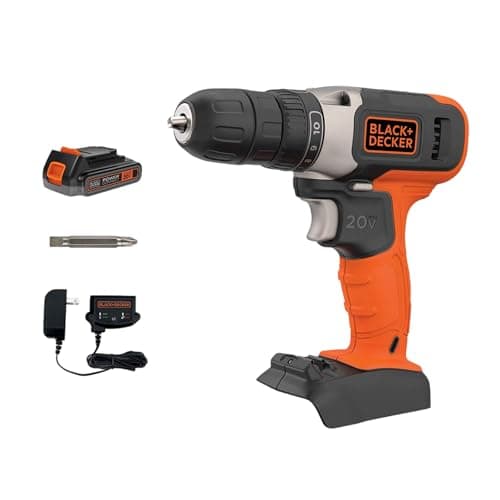
What is 12V vs 18V vs 20V cordless tools? A Complete 2026 Guide
If you’re trying to choose between 12V, 18V, and 20V cordless tools, the biggest challenge is knowing whether “more volts” really means better performance. The short answer: voltage affects power potential, but battery design, motor type, and tool quality matter just as much. This guide breaks down
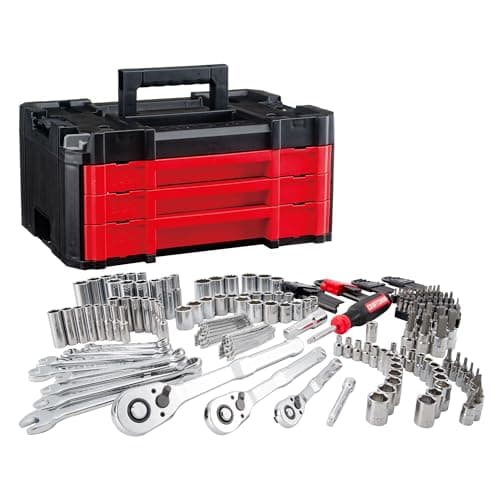
5 Best Hand Tool Sets in 2026 — The Easiest Way to Buy One Kit for Home, Garage, or Auto Repair
If you’re trying to find the best hand tool sets 2026 , the hard part is separating truly useful kits from bulky boxes filled with duplicates. This roundup focuses on tool sets that offer the best mix of versatility, storage, warranty coverage, and real-world owner appeal for home fixes, car work, a