

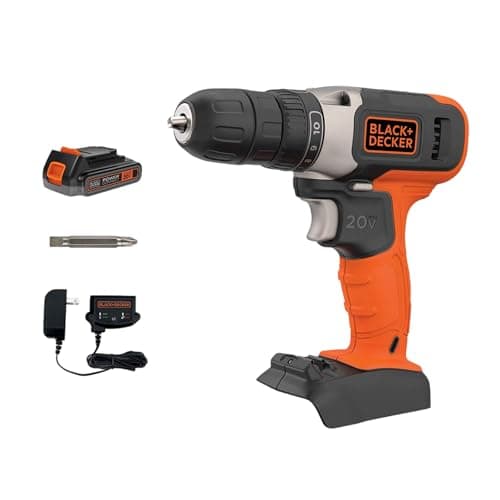
What is 12V vs 18V vs 20V cordless tools? A Complete 2026 Guide
If you’re trying to choose between 12V, 18V, and 20V cordless tools, the biggest challenge is knowing whether “more volts” really means better performance. The short answer: voltage affects power potential, but battery design, motor type, and tool quality matter just as much. This guide breaks down the differences in plain English so you can buy the right cordless tool for your projects without overpaying for power you may never use.
Related Reviews
How It Works
Cordless tools run on rechargeable lithium-ion battery packs, and the voltage rating is a simple way to describe the electrical “push” available to the motor. In general, a higher voltage platform can support more demanding tasks, but the final performance also depends on amp-hours, brushless vs. brushed motors, electronics, and the tool’s internal gearing.
One important detail: “18V” and “20V MAX” are often closer than they sound. Many 20V MAX tools are marketed using the battery’s maximum initial voltage right off the charger, while the nominal voltage is commonly 18V during use. That’s why many shoppers compare 12V vs 18V vs 20V cordless tools as a power tier decision rather than a strict apples-to-apples voltage gap.
In practice, cordless systems are built around a battery platform. Once you own batteries and a charger from one brand family, you can often expand into more tools without starting over, which is one reason platform choice matters as much as voltage.
Key Benefits & Use Cases
12V cordless tools
12V tools are usually the best fit for light-duty work, compact spaces, and users who value control over brute force. They tend to be smaller and lighter, making them a smart choice for furniture assembly, cabinet hardware, small repairs, and overhead tasks where fatigue matters.
18V cordless tools
18V tools sit in the middle and are often the “most versatile” category for homeowners and serious DIYers. They’re commonly used for drilling into wood, driving fasteners, and handling general renovation work without the bulk of heavier platforms.
20V cordless tools
20V MAX tools are typically positioned as the stronger, more general-purpose option in consumer cordless lineups. They’re popular for users who want a bit more runtime and torque for bigger DIY projects, especially when buying combo kits or building a full tool ecosystem.
For many buyers, the real question isn’t “Which voltage is best?” It’s “What kind of jobs do I actually do?” If your tasks are mostly light household work, 12V may be enough. If you want one platform for a wider range of home projects, 18V/20V usually makes more sense.
What to Look For When Buying
1) Project type and workload
Start with the hardest job you expect to do regularly. Light assembly and occasional fixes favor 12V, while drilling larger holes, driving long screws, or tackling home improvement projects often justify 18V or 20V.
2) Battery platform compatibility
Look at how many tools share the same battery family. A strong platform can save money over time because one charger and a few batteries may power multiple tools.
3) Motor type
Brushless motors usually offer better efficiency, runtime, and durability than brushed motors. If you want a tool that feels more refined and lasts longer under frequent use, brushless is worth prioritizing.
4) Weight and ergonomics
Voltage alone doesn’t tell you how a tool will feel in your hand. A compact 12V drill may be easier to use for long periods than a heavier 20V model, even if the latter has more power on paper.
5) Included kit value
Check whether the package includes batteries, a charger, and the tools you actually need. A good starter kit can be a smarter buy than a bare tool if you’re building a cordless collection from scratch.
Top Recommended Products
Below are research-based picks from the provided list that help illustrate where 12V and 20V cordless tools fit in real buying decisions.
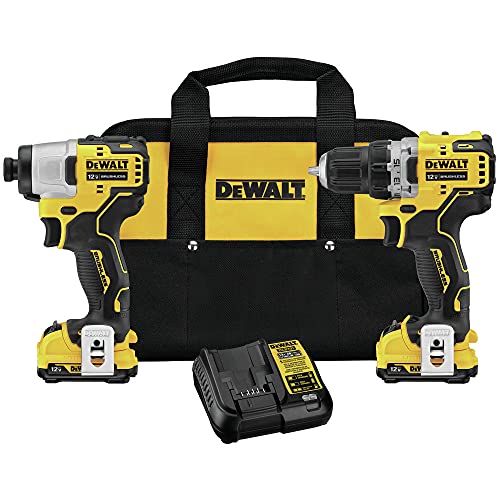
DEWALT XTREME 12V MAX Cordless Drill Combo Kit (DCK221F2) 4.7★ (Prime)


✓ Prime
$149.99 19% OFF — Was $184.99
This 12V combo kit is a strong example of why many buyers still choose the lower-voltage category. The brushless motor, compact size, and lighter feel make it appealing for users who want a capable drill/driver and impact driver without moving into a bulkier 20V platform.
- ✓ Brushless motor for better runtime and durability
- ✓ Compact design for tighter spaces and easier handling
- ✓ 3/8-inch ratcheting chuck for a wide variety of bits
- ✓ 2-speed settings and 15 clutch settings for control
- ✗ Not the best choice for heavy-duty drilling or fastening
- ✗ Higher price than some entry-level 20V single-tool kits
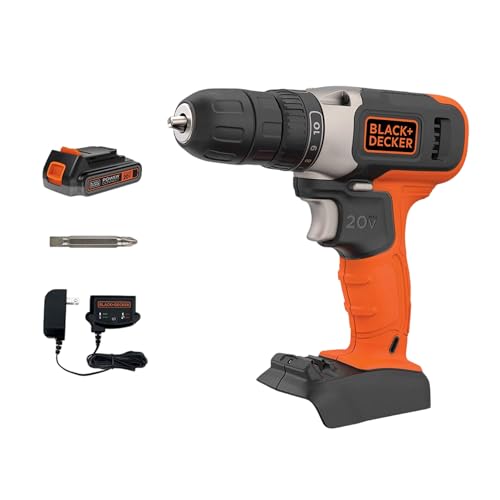
BLACK+DECKER 20V MAX Cordless Drill Kit with Battery, Charger, Includes Double Sided Drill Bit (BCD702C1) 4.5★ (Prime)


✓ Prime
$44.99 25% OFF — Was $59.99
This is the kind of budget-friendly 20V tool many shoppers compare against 12V models. It’s a practical entry point if you want basic drilling and driving power, an included battery and charger, and a price that keeps the decision simple.
- ✓ 20V MAX lithium-ion battery for power and runtime
- ✓ Integrated LED light for visibility in dark spaces
- ✓ Built-in driver bit holder for organization
- ✓ 11-position clutch helps prevent stripping screws
- ✗ Best for light-to-moderate DIY, not demanding trade work
- ✗ Single drill kit, so it lacks the versatility of a combo set
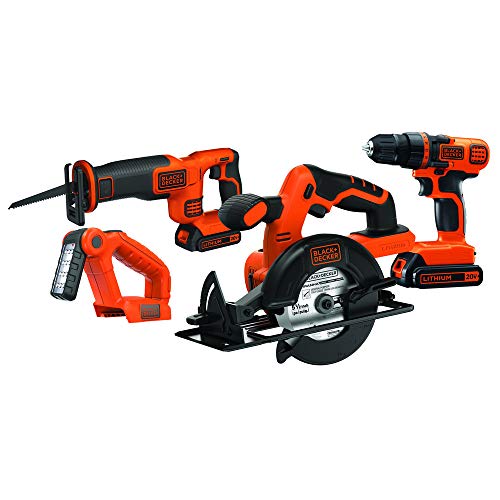
BLACK+DECKER 20V MAX Power Tool Combo Kit, 4-Tool Cordless Power Tool Set with 2 Batteries and Charger (BD4KITCDCRL) 4.6★ (Prime)


✓ Prime
$199.00
If you’re deciding between 12V vs 18V vs 20V cordless tools and want a broader home-use ecosystem, this 20V combo kit shows the appeal of one battery platform powering multiple tools. The included saw, drill/driver, and work light make it especially useful for homeowners who want a starter system.
- ✓ 4-tool set gives better value for multi-project use
- ✓ Two batteries help reduce downtime
- ✓ Drill/driver includes 11-position clutch and LED light
- ✓ Circular saw and work light expand usefulness beyond drilling
- ✗ More expensive than a single-tool starter kit
- ✗ Better for DIY than for heavy professional use
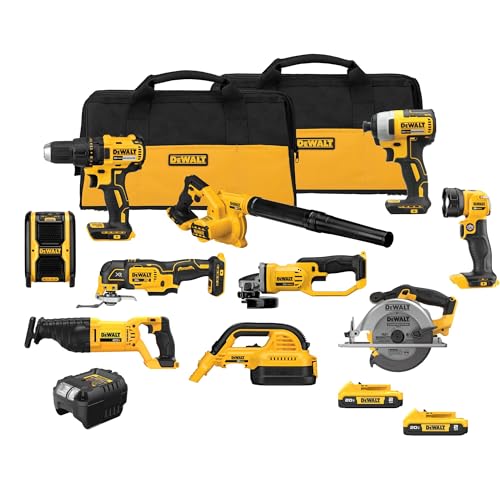
DEWALT 20V MAX Power Tool Combo Kit, 10 Tool Cordless Power Tool Set, 2 Batteries, Charger and 2 Bags Included, Dewalt Brushless Combo Kit (DCK1021D2) 4.8★ (Prime)


✓ Prime
$594.00 7% OFF — Was $639.00
This is the best example in the list of what a full 20V platform can become. Instead of comparing a single drill, you’re looking at a broader cordless system built for users who want one battery family to cover many tasks across the home or jobsite.
- ✓ 10-tool set for maximum platform flexibility
- ✓ Brushless tools support better efficiency and durability
- ✓ Compact, lightweight design helps in tight areas
- ✓ Includes two batteries, charger, and two bags
- ✗ High upfront cost compared with single-tool options
- ✗ More tool set than many casual DIYers actually need
Common Mistakes to Avoid
1) Assuming higher voltage always means better. A 20V tool is not automatically superior to a 12V tool if the job is light and the smaller tool is easier to control.
2) Ignoring battery platform costs. The first tool may look affordable, but replacement batteries, chargers, and future tool compatibility can change the value equation.
3) Confusing marketing voltage with real-world performance. 18V and 20V MAX naming can be confusing, so compare runtime, motor type, and included features instead of focusing on the label alone.
4) Buying too much tool for the task. If you only assemble furniture and hang shelves, a compact 12V drill may be more comfortable and practical than a larger setup.
5) Overlooking ergonomics and clutch settings. For many buyers, comfort, balance, and control matter as much as raw power, especially when working for longer periods.
Frequently Asked Questions
Is 20V better than 18V for cordless tools?
Not necessarily. In many cases, 20V MAX is a marketing label based on maximum initial battery voltage, while the nominal voltage is often 18V. Real-world performance depends more on the tool design, battery capacity, and motor efficiency.
Are 12V cordless tools powerful enough for home use?
Yes, for light-duty tasks. A good 12V tool is usually enough for assembly, small repairs, cabinet hardware, and other jobs where compact size and control matter more than maximum torque.
What is the best voltage for a beginner?
For most beginners, 18V or 20V is the safest all-around choice because it covers a wider range of DIY projects. If the work is mostly small and occasional, 12V can be easier to handle and less tiring.
Do higher-voltage tools drain batteries faster?
Not always. Battery life depends on the load, battery capacity, motor efficiency, and how hard the tool is working. A larger tool may use more energy, but it may also finish the job faster.
Should I buy a combo kit or a single tool?
Buy a combo kit if you’re starting from scratch or want a shared battery platform for multiple tools. Choose a single tool if you already own batteries in that system or only need one specific tool for a narrow task.
Pros
- + 12V tools are compact and easy to control
- + 18V/20V platforms cover a wider range of DIY tasks
- + Battery platform compatibility can save money
- + Brushless motors improve runtime and durability
- + Combo kits add value for buyers starting from scratch
Cons
- – Higher voltage does not always mean better performance
- – 20V MAX naming can be confusing versus 18V
- – Some kits cost more than casual users need
- – Single-tool kits limit platform flexibility
- – Battery and charger costs can add up
Frequently asked questions
- Is 20V better than 18V for cordless tools?
- Not necessarily. In many cases, 20V MAX is a marketing label based on maximum initial battery voltage, while the nominal voltage is often 18V. Real-world performance depends more on the tool design, battery capacity, and motor efficiency.
- Are 12V cordless tools powerful enough for home use?
- Yes, for light-duty tasks. A good 12V tool is usually enough for assembly, small repairs, cabinet hardware, and other jobs where compact size and control matter more than maximum torque.
- What is the best voltage for a beginner?
- For most beginners, 18V or 20V is the safest all-around choice because it covers a wider range of DIY projects. If the work is mostly small and occasional, 12V can be easier to handle and less tiring.
- Do higher-voltage tools drain batteries faster?
- Not always. Battery life depends on the load, battery capacity, motor efficiency, and how hard the tool is working. A larger tool may use more energy, but it may also finish the job faster.
- Should I buy a combo kit or a single tool?
- Buy a combo kit if you’re starting from scratch or want a shared battery platform for multiple tools. Choose a single tool if you already own batteries in that system or only need one specific tool for a narrow task.
Get the Full Home Buyer's Guide
Join our free newsletter — we'll send our latest Home picks, specs and verdicts straight to your inbox.
Free. No spam. Unsubscribe anytime.
Was this review helpful?
Be the first to share your feedback on this review.
Sign in to vote and let us know what you think.
Discussion (0)
No comments yet. Be the first to start the discussion.
Related Reviews
What is Brushless Motor Explained? A Complete 2026 Guide
If you keep seeing “brushless motor” on drills, blowers, and power tools but still aren’t sure what it actually means, you’re not alone. The short version is that a brushless motor uses electronic control instead of physical brushes to spin more efficiently, run cooler, and often last longer. In thi
Ridgid Octane Drill Durability Test Review (2026): Specs, Pros & Cons, and Who It's For
If you’re searching for a Ridgid Octane drill durability test , you probably want to know one thing: will this drill hold up when the work gets repetitive, dusty, and demanding? The short answer from researched specs and owner feedback is yes, especially for the price, but it’s not the lightest or m
5 Best Hand Tool Sets in 2026 — The Easiest Way to Buy One Kit for Home, Garage, or Auto Repair
If you’re trying to find the best hand tool sets 2026 , the hard part is separating truly useful kits from bulky boxes filled with duplicates. This roundup focuses on tool sets that offer the best mix of versatility, storage, warranty coverage, and real-world owner appeal for home fixes, car work, a