

What is best Garmin watch faces? A Complete 2026 Guide
If you’re trying to find the best Garmin watch faces, the challenge is usually the same: too many options, not enough clarity, and a watch face that looks good but hides the data you actually need. The right Garmin watch face can make your watch easier to read, more useful during workouts, and better matched to your daily routine. This guide explains what Garmin watch faces are, how they work, and what to look for so you can choose one with confidence.
Related Reviews
In simple terms, a Garmin watch face is the visual layout shown on your smartwatch home screen. It can display the time, date, battery level, steps, heart rate, weather, notifications, and other data fields depending on the model and the face itself. Choosing the best Garmin watch faces is less about style alone and more about finding the right balance between readability, battery impact, and the information you want at a glance.
How It Works
Garmin watch faces work by pulling data from the watch’s built-in sensors, system settings, and connected phone. The watch face acts like a dashboard: it takes live or periodically updated information and arranges it into a design you can see on the screen.
On many Garmin devices, watch faces can be changed through the watch itself or through Garmin’s app ecosystem. Some are built by Garmin, while others come from third-party creators and may offer different colors, layouts, complication slots, and data widgets.
Technically, the watch face is not just artwork. It is a lightweight interface that must balance display quality, refresh rate, and battery usage. A more detailed face with animations or frequent updates may look impressive, but it can also drain battery faster than a simpler design.
Garmin watches also vary in screen technology. MIP displays, AMOLED displays, and hybrid styles can affect how a face looks in sunlight, indoors, and always-on mode. That means the same watch face can feel very different depending on the Garmin model you use.
Key Benefits & Use Cases
1. Faster at-a-glance information
The biggest benefit of a good Garmin watch face is instant readability. Instead of opening menus, you can see the time, training metrics, weather, or notifications right away.
2. Better workout visibility
For runners, cyclists, hikers, and gym users, the best Garmin watch faces often prioritize useful metrics like pace, heart rate, steps, or battery life. That makes it easier to stay focused during activity.
3. Personalization
A watch face lets you make the device feel more like yours. You can choose a clean analog look, a data-heavy digital layout, or something bold and colorful depending on your style.
4. Productivity and daily convenience
For everyday wear, a well-designed watch face can reduce friction. If you rely on calendar reminders, alarms, weather, or battery indicators, the right layout keeps those essentials visible without extra taps.
5. Motivation and habit tracking
Some users like watch faces that emphasize steps, move goals, or training load. Seeing progress throughout the day can be a small but effective nudge toward staying active.
What to Look For When Buying
1. Readability
The first thing to evaluate is how easy the face is to read in different lighting conditions. Large numbers, strong contrast, and uncluttered layouts are usually best if you want quick glances during the day or while exercising.
2. Data fields and customization
Look for a watch face that lets you choose which metrics appear. The best Garmin watch faces for many people are the ones that let you swap in battery, steps, heart rate, sunrise/sunset, or weather without feeling crowded.
3. Battery impact
Some faces are more power efficient than others, especially those with frequent refreshes or animated elements. If battery life matters to you, choose a simpler face and avoid unnecessary visual effects.
4. Compatibility with your Garmin model
Not every watch face works equally well across all Garmin devices. Screen type, resolution, and software support can affect how the face looks and whether every feature displays correctly.
5. Style and daily context
Think about when you’ll use the watch most. A face that looks great for workouts may be too busy for office wear, while a minimal dressy face may not show enough training data. The right choice should fit your routine, not just your taste.
Common Mistakes to Avoid
Choosing style over usability. A flashy watch face can be hard to read, especially outdoors or during exercise. If you can’t glance at it quickly, it’s not a strong everyday choice.
Ignoring battery drain. Some users install a face because it looks impressive, then wonder why battery life drops. Always consider whether the design uses frequent updates, animations, or extra data fields.
Overloading the screen. Too many metrics can make a face feel cluttered. If the display is packed with tiny text and icons, it may be less useful than a simpler layout.
Not checking device compatibility. A face may be designed for one Garmin model and look awkward on another. Always confirm it supports your watch’s screen type and resolution.
Forgetting about real-world visibility. A face that looks great in screenshots may not perform as well in sunlight, low light, or motion. Try to think about how it looks in the conditions you actually face every day.
Frequently Asked Questions
What are Garmin watch faces?
Garmin watch faces are the home-screen layouts on Garmin smartwatches that show time and other data such as battery, steps, heart rate, weather, or notifications.
Do watch faces affect Garmin battery life?
Yes. Simpler watch faces usually use less power, while faces with animations, frequent updates, or many data fields can reduce battery life faster.
Can I change Garmin watch faces?
Yes. Most Garmin watches let you change the watch face through the device settings, and some also support downloadable faces through Garmin’s ecosystem.
What makes a watch face easy to read?
A readable watch face usually has strong contrast, larger text, a clean layout, and minimal clutter so the most important information stands out quickly.
How do I choose the best Garmin watch faces for me?
Start with your priorities: readability, battery life, data fields, compatibility, and style. The best choice is the face that fits how you actually use your watch every day.
Get the Full Tech Buyer's Guide
Join our free newsletter — we'll send our latest Tech picks, specs and verdicts straight to your inbox.
Free. No spam. Unsubscribe anytime.
Was this review helpful?
Be the first to share your feedback on this review.
Sign in to vote and let us know what you think.
Discussion (0)
No comments yet. Be the first to start the discussion.
Related Reviews
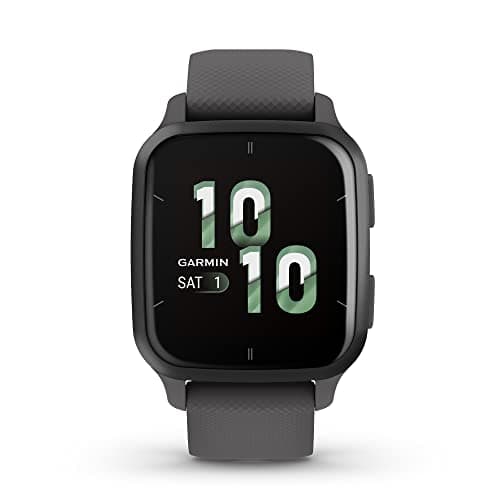
What is Smartwatch Radiation Safety? A Complete 2026 Guide
Smartwatch radiation safety is the question of whether wearing a smartwatch exposes you to harmful electromagnetic energy from Bluetooth, Wi‑Fi, GPS, or cellular signals. For most buyers, the real concern is not “radiation” in the dramatic sense, but how much radiofrequency energy a watch emits, how
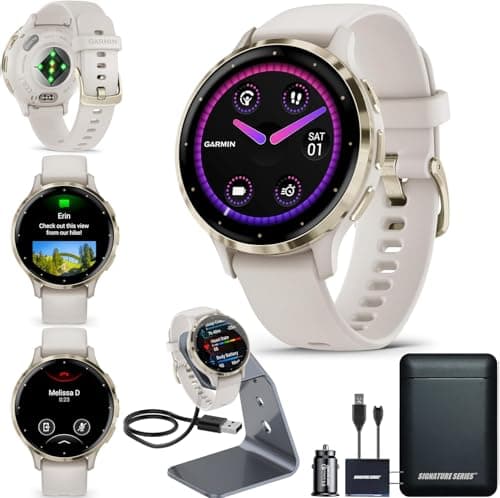
What is How to Extend Smartwatch Battery Life? A Complete 2026 Guide
Smartwatch battery drain can be frustrating when your watch dies before the day is over, especially if you rely on it for health tracking, notifications, or workouts. Learning how to extend smartwatch battery life helps you get more value from your device without constantly searching for a charger.
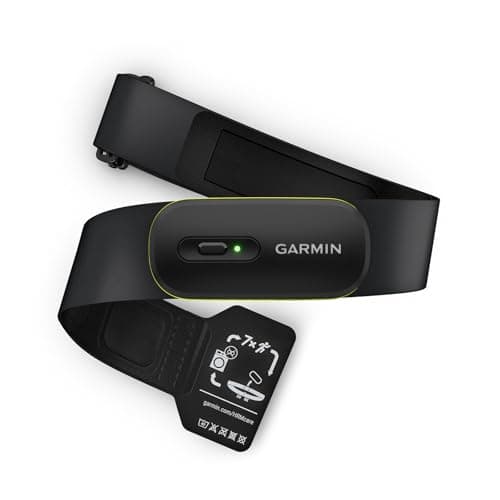
3 Best HRV Monitors in 2026 — Accurate Recovery Tracking Without Guesswork
If you’re trying to find the best HRV monitors , the hard part is separating true recovery-focused tools from basic heart-rate straps that only sound advanced. The right monitor should deliver reliable HRV data, work with your training platform, and fit comfortably enough that you’ll actually wear i