

Who this is for: Best for buyers who need the right wetsuit thickness for their water temperature, activity level, and budget.
How to Choose the Best Wetsuit Thickness in 2026: Complete Buying Guide
Choosing the right wetsuit thickness can be the difference between a comfortable session and cutting your time in the water short. If you’ve been wondering how to choose a wetsuit thickness, the biggest mistake is buying too much insulation for your water temperature and ending up stiff, overheated, or unable to move well. This guide breaks down the key factors that actually matter, the red flags to avoid, and the best wetsuit options for different conditions and budgets.
Related Reviews
Key Features to Look For
1) Water Temperature Range
Thickness should always start with the water temperature, not just the air temperature. Colder water generally calls for thicker neoprene, while warmer water needs thinner material to prevent overheating and improve mobility.
2) Full Suit vs. Shorty
A full wetsuit covers more of the body and gives better warmth for cooler conditions. A shorty leaves the arms and/or legs exposed, which is better for warmer water, lake days, and higher-output activities where you don’t need maximum insulation.
3) Thickness Balance: Not Just “Thicker Is Better”
Wetsuit thickness is often a tradeoff between warmth and flexibility. More thickness usually means more insulation, but it can also reduce range of motion. That’s why many buyers choose a balanced option rather than the thickest suit available.
4) Fit and Seal
A wetsuit only works if it fits snugly. Water trapped inside the suit should stay minimal so your body can warm it up and retain that heat. If the suit is too loose, even the right thickness won’t keep you comfortable.
5) Entry Style
Back zip suits are generally easier to get on and off, which matters if you’re new to wetsuits or change quickly between sessions. Front zip designs can feel more secure or streamlined for some users, but convenience is a major factor for many buyers.
6) Material Stretch and Mobility
Look for stretch neoprene or flexible panel design if you plan to paddle, surf, swim, or move a lot in the water. Better stretch can make a thinner suit feel more comfortable and can help a thicker suit feel less restrictive.
7) Intended Activity
Surfing, diving, paddle sports, lake swimming, and beach use all have slightly different needs. Higher-movement sports usually benefit from more flexibility, while lower-movement activities can prioritize warmth and coverage.
What to Avoid
Buying Based on Thickness Alone
One of the most common mistakes is choosing a suit just because it sounds warm enough. Thickness matters, but so do fit, cut, coverage, and how active you’ll be in the water.
Ignoring Fit Charts
If the manufacturer provides a size chart, use it. A wetsuit that is too large will let in too much water, while one that is too tight can restrict breathing and movement.
Choosing Too Much Warmth for Mild Water
Overbuying thickness can make you sweat on the surface and feel sluggish in the water. If you mainly swim or paddle in moderate conditions, a lighter suit may be the smarter choice.
Overlooking Mobility Needs
Some thicker suits can feel great standing still but frustrating once you start paddling or swimming hard. If your activity is high-motion, prioritize flexibility alongside insulation.
Skipping Entry and Maintenance Details
Back zips, front zips, hand-wash care, and drying instructions all affect long-term usability. A suit that is warm but annoying to put on may not be the best option for regular use.
Our Top Picks
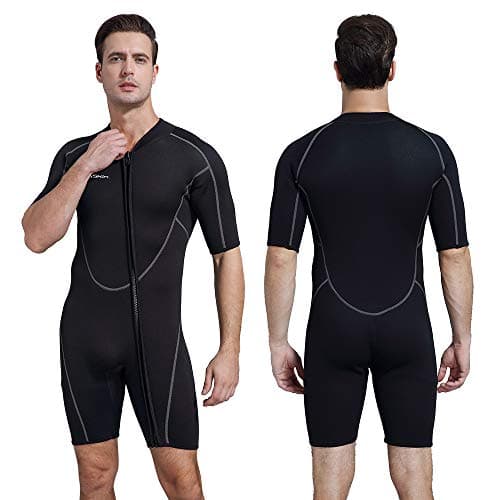
Best Budget-Friendly Option for Warm-to-Mild Water: Seaskin Mens 3mm Shorty Wetsuit, Full Body Diving Suit Front Zip ✓ Prime $59.99
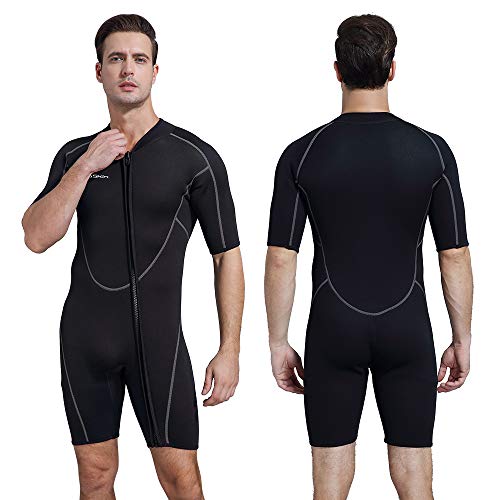
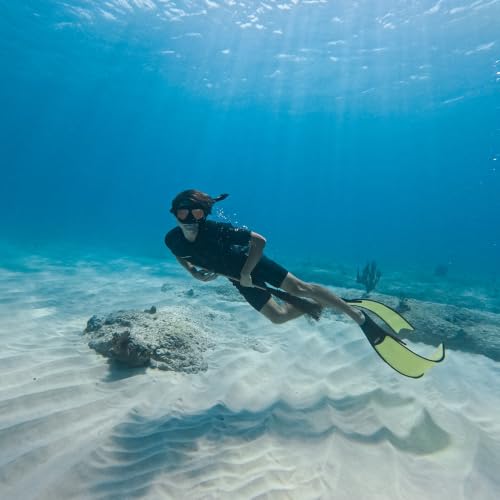
This Seaskin shorty is a practical pick if you want basic thermal protection without paying for a full cold-water setup. Its 3mm construction, front zip, and stretchable neoprene make it a straightforward option for water aerobics, lake activities, and warmer conditions where full coverage isn’t necessary.
- ✓ 3mm neoprene gives moderate insulation for warmer or transitional water
- ✓ Front zip design makes entry and exit easier
- ✓ Stretchable 90% neoprene / 10% nylon build supports comfort
- ✓ Designed for water sports and water aerobics
- ✓ Prime shipping adds convenience for quick buying
- ✗ Shorty design offers less coverage than a full suit
- ✗ Less suitable for colder water
- ✗ Fit can be critical; size chart matters a lot
Best Easy-On Option for Mixed Use: O'Neill Men's Reactor-2 2mm Back Zip Short Sleeve Spring Wetsuit, Black/Black, L ✓ Prime $119.95
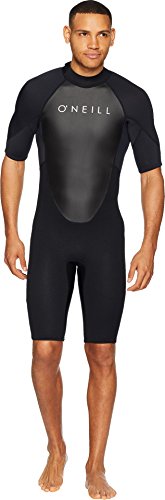

If you want a lighter suit that still adds warmth, this 2mm spring wetsuit is a strong middle-ground choice. It’s built for surfing, diving, paddle sports, lake activities, and beach days, making it a flexible pick for buyers who need comfort and ease of use more than maximum insulation.
- ✓ 2mm thickness is better for mild water and active use
- ✓ Back zip system helps with easy entry and exit
- ✓ Ultra Stretch Neoprene improves flexibility and feel
- ✓ Seamless paddle zones support mobility and comfort
- ✓ Wind-resistant smoothskin adds insulation against chill
- ✗ Not ideal for colder water
- ✗ Short sleeve design offers less thermal coverage
- ✗ More expensive than basic entry-level shorties
Best All-Around Balance of Warmth and Flexibility: O'Neill Men's Reactor-2 3/2mm Back Zip Full Wetsuit, Black/Black, XL ✓ Prime $151.79 5% OFF — Was $159.95
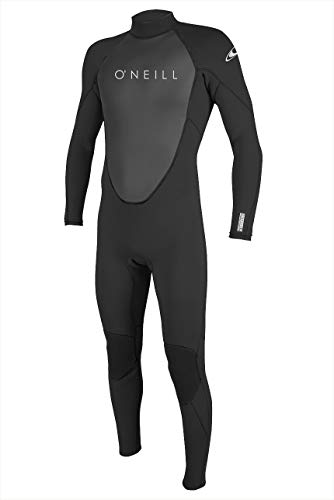

For many buyers, a 3/2mm full suit is the sweet spot. It gives more coverage than a shorty, better warmth for cooler conditions, and still keeps flexibility high enough for surfing, paddling, and general water use. If you’re trying to choose one suit that covers the widest range of conditions, this is the most versatile pick in the lineup.
- ✓ 3/2mm thickness balances warmth and movement
- ✓ Full-body coverage improves cold protection
- ✓ Back zip design makes it easier to put on and remove
- ✓ Ultra Stretch Neoprene supports comfort and performance
- ✓ Seamless paddle zones reduce restriction
- ✗ Costs more than shorty options
- ✗ May be warmer than needed for hot water
- ✗ Back zip can feel bulkier than simpler suits for some users
Budget Guide: What You Get at Each Price Point
Under $75
At this level, you’re usually looking at basic thermal protection and simpler construction. The tradeoff is often less advanced stretch, fewer comfort-focused features, and more limited use in colder water. The Seaskin Mens 3mm Shorty Wetsuit, Full Body Diving Suit Front Zip is the best fit here if you want a low-cost way to get started.
$75 to $140
This range is where many recreational buyers find the best value. You can expect better materials, improved fit, and more versatile designs for mixed-use water sports. A suit like the O'Neill Men's Reactor-2 2mm Back Zip Short Sleeve Spring Wetsuit, Black/Black, L offers a more refined balance of comfort and performance.
$140 to $200
In this bracket, you typically get a more complete wetsuit experience: better coverage, stronger flexibility, and broader seasonal usefulness. The O'Neill Men's Reactor-2 3/2mm Back Zip Full Wetsuit, Black/Black, XL is the standout choice if you want one suit that can handle more conditions without jumping into premium pricing.
Frequently Asked Questions
What wetsuit thickness should I choose for beginners?
Most beginners do well with a 2mm to 3/2mm suit for mild to moderate conditions. If the water is warmer, a 2mm spring suit or shorty may be enough. If the water is cooler, a 3/2mm full suit is usually the safer starting point.
Is a thicker wetsuit always warmer?
Generally yes, but warmth also depends on fit, coverage, seams, and how much water gets inside the suit. A poorly fitting thick wetsuit can feel colder than a well-fitting thinner one.
Should I choose a full wetsuit or a shorty?
Choose a full wetsuit if you want more warmth and coverage. Choose a shorty if you’re in warmer water, want more mobility, or don’t need full-leg and full-arm insulation.
What is the best wetsuit thickness for surfing?
For many surfers, 3/2mm is the most versatile all-around option. In warmer surf, 2mm can be enough, while colder conditions may require thicker coverage depending on the season and location.
How important is wetsuit fit compared with thickness?
Fit is just as important as thickness, and often more important. A snug suit helps trap a thin layer of water that your body warms up, while a loose suit lets cold water circulate and reduces insulation.
Pros
- + 3mm and 3/2mm options for different water temps
- + Easy-entry back zip and front zip designs
- + Stretch neoprene improves comfort and mobility
- + Prime-eligible picks for quick buying
- + Budget to mid-range choices for value
Cons
- – Thicker suits can reduce flexibility
- – Shorty styles offer less coverage
- – Fit is critical and size charts must be followed
- – Some options are warmer than needed for hot water
Frequently asked questions
- What wetsuit thickness should I choose for beginners?
- Most beginners do well with a 2mm to 3/2mm suit for mild to moderate conditions. If the water is warmer, a 2mm spring suit or shorty may be enough. If the water is cooler, a 3/2mm full suit is usually the safer starting point.
- Is a thicker wetsuit always warmer?
- Generally yes, but warmth also depends on fit, coverage, seams, and how much water gets inside the suit. A poorly fitting thick wetsuit can feel colder than a well-fitting thinner one.
- Should I choose a full wetsuit or a shorty?
- Choose a full wetsuit if you want more warmth and coverage. Choose a shorty if you’re in warmer water, want more mobility, or don’t need full-leg and full-arm insulation.
- What is the best wetsuit thickness for surfing?
- For many surfers, 3/2mm is the most versatile all-around option. In warmer surf, 2mm can be enough, while colder conditions may require thicker coverage depending on the season and location.
- How important is wetsuit fit compared with thickness?
- Fit is just as important as thickness, and often more important. A snug suit helps trap a thin layer of water that your body warms up, while a loose suit lets cold water circulate and reduces insulation.
Score breakdown
- value
- 8.0
- usability
- 8.0
- durability
- 7.0
- performance
- 8.0
- buyerFeedback
- 8.0
Get the Full Outdoor Buyer's Guide
Join our free newsletter — we'll send our latest Outdoor picks, specs and verdicts straight to your inbox.
Free. No spam. Unsubscribe anytime.
Was this review helpful?
Be the first to share your feedback on this review.
Sign in to vote and let us know what you think.
Discussion (0)
No comments yet. Be the first to start the discussion.
Related Reviews
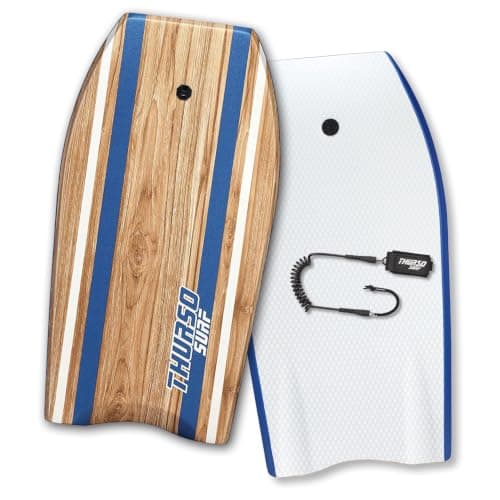
3 Best Bodyboards 2026 — Lightweight, Durable Picks for Easier Wave Riding
If you’re searching for the best bodyboards 2026 , the challenge is usually the same: you want something that floats well, tracks smoothly, and doesn’t feel flimsy after a few beach sessions. The right board can make a big difference whether you’re buying for a beginner, a teen, or a casual adult ri
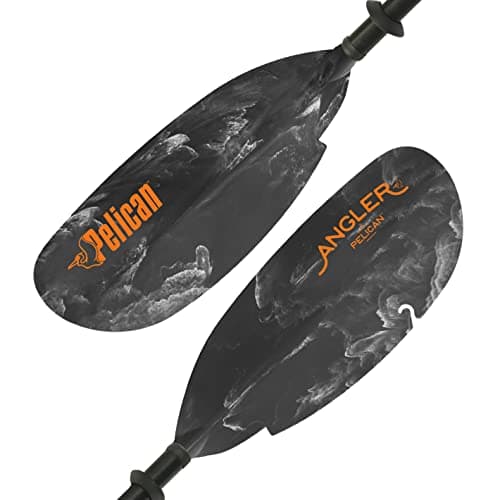
8 Best Fishing Kayak Paddles in 2026 — Better Reach, Less Fatigue, and More Value
If you’re shopping for the best fishing kayak paddles, the biggest challenge is finding one that matches your kayak width, paddling style, and budget without sacrificing comfort. A too-short paddle can leave you reaching awkwardly, while the wrong shaft or blade design can make long sessions feel ha
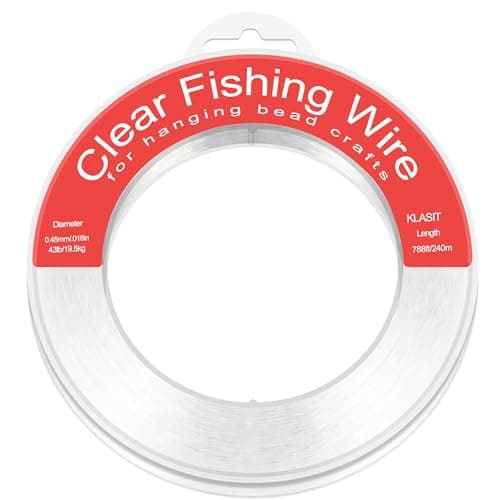
KLASIT Fishing Line 788FT,Invisible Monofilament Fishing Wire Review (2026): Specs, Pros & Cons, and Who It's For
Check Price on Amazon →