

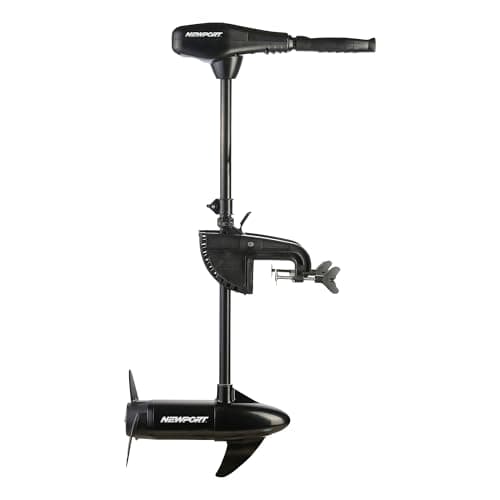
Who this is for: Best for kayak, canoe, and small-boat owners who want simple, affordable, saltwater-capable propulsion.
How to Choose the Best Trolling Motor in 2026: Complete Buying Guide
Choosing the right trolling motor can completely change how your boat, kayak, or canoe handles on the water. Pick the wrong one, and you may end up with poor control, short battery life, or a motor that simply isn’t matched to your craft. The most common mistake buyers make when learning how to choose a trolling motor is focusing only on thrust and ignoring shaft length, mount type, battery setup, and water conditions.
Related Reviews
This guide breaks down the features that matter most, the red flags to avoid, and a few researched product picks that fit different use cases and budgets. It’s based on published specs, owner feedback, and comparison research — not hands-on testing.
Key Features to Look For
1. Thrust Rating
Thrust is the number one spec most buyers look at, and for good reason: it determines how much pushing power the motor can deliver. Smaller kayaks and canoes usually need less thrust, while heavier boats or windier conditions demand more. If you underbuy here, the motor may struggle to move the craft efficiently.
2. Shaft Length
Shaft length matters because the propeller needs to stay properly submerged, even when waves, chop, or boat movement change the waterline. A shaft that’s too short can ventilate or lose bite; one that’s too long can be awkward and less efficient. Matching the shaft to your boat’s bow or transom height is essential.
3. Mount Type
Transom mount, bow mount, and kayak-specific mounts each serve different setups. Transom mounts are often simpler and more affordable, while bow mounts usually give better directional control on larger boats. The right mount type should match how you fish, steer, and store your craft.
4. Battery Voltage and Runtime
Most trolling motors run on 12V, 24V, or 36V systems, and higher-voltage setups often provide more power and better efficiency under load. But more voltage can also mean more cost, more batteries, and more complexity. Think about how long you want to stay out and how much battery weight you can realistically carry.
5. Speed Control
Multiple speed settings give you finer control in tight spaces, current, and wind. A motor with several forward and reverse speeds is easier to dial in than one with only a few coarse steps. Better control can also help conserve battery by avoiding unnecessary high-speed use.
6. Saltwater vs. Freshwater Construction
If you’ll ever use the motor in saltwater, corrosion resistance becomes a major buying factor. Saltwater-rated models typically use more durable materials and protective finishes. Even occasional salt exposure can shorten the life of a freshwater-only unit, so this is not a detail to overlook.
7. Battery Indicator and Ease of Use
Helpful extras like an LED battery indicator make it easier to monitor remaining power and plan your trip. Simple controls, clear speed steps, and an intuitive tiller or foot control can make the motor far more enjoyable to use. Convenience features matter more than many first-time buyers expect.
What to Avoid
Buying by thrust alone
Thrust is important, but it is not the whole story. A powerful motor with the wrong shaft length or mount type can still perform poorly. Always match thrust to the size and weight of your craft, then verify the rest of the setup.
Ignoring water conditions
Calm lakes are very different from windy reservoirs, tidal water, or saltwater environments. If you only shop for ideal conditions, you may end up underpowered when the weather changes. Choose with your real-world use case in mind.
Choosing the wrong voltage system
Some buyers accidentally choose a motor that requires more battery capacity than they planned for. Higher-voltage systems can be excellent, but they also add cost and complexity. Make sure your battery budget matches the motor’s power requirements.
Overlooking shaft length
This is one of the most common and expensive mistakes. If the shaft is too short, the prop can come out of the water too often; if it’s too long, handling and transport can be cumbersome. Measure your boat before you buy.
Assuming all “saltwater” motors are equal
Saltwater-rated does not mean maintenance-free. Rinsing, storage care, and proper battery management still matter. Look for corrosion-resistant construction and then plan to maintain it properly.
Our Top Picks
Below are researched recommendations for buyers at different stages. Each pick is based on published specs, documented owner feedback, and the kind of use case the motor is best suited for.
Newport NV-Series 36lb Thrust Trolling Motor 12V – Saltwater Transom Mount Electric Motor for Kayak, Canoe & Small Boat – LED Battery Indicator, 30" Shaft, Quiet Operation ✓ Prime $169.99
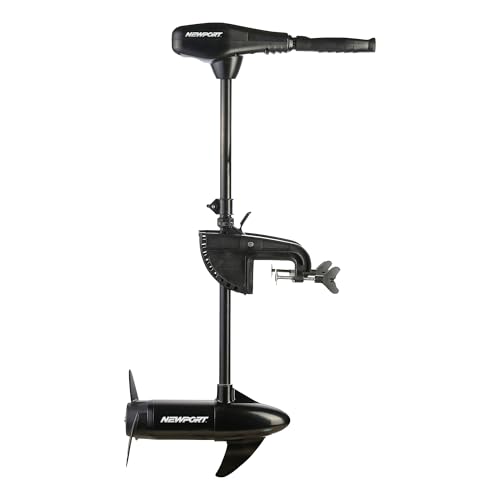


This is a strong fit for kayak, canoe, and small-boat owners who want a simple, lightweight, saltwater-capable transom motor. The 36lb thrust, 30-inch shaft, LED battery indicator, and 8-speed control make it especially appealing for buyers who value ease of use and efficiency over maximum power.
- ✓ Saltwater-resistant construction for broader use
- ✓ Lightweight power that suits small craft
- ✓ LED battery indicator helps prevent surprises
- ✓ 8-speed transom control offers straightforward handling
- ✓ Efficient prop design supports battery life
- ✗ Not ideal for larger boats or heavy loads
- ✗ 36lb thrust may feel limited in strong wind or current
- ✗ Best for simpler setups rather than advanced control needs
Best for first-time buyers: Newport NV-Series 36lb Thrust Trolling Motor
If you’re learning how to choose a trolling motor and want a low-stress entry point, this Newport model is easy to recommend. It covers the basics well: manageable thrust, simple speed control, a practical shaft length, and saltwater compatibility for more flexibility.
- ✓ Good balance of price and capability
- ✓ Simple controls make it beginner-friendly
- ✓ Useful for small boats and paddle craft
- ✗ Not a high-power option
- ✗ Limited for bigger boats or rough water
Best for saltwater-capable budget shoppers: Newport NV-Series 36lb Thrust Trolling Motor
For buyers who want an affordable motor that can handle both freshwater and saltwater use, this model stands out in the budget-friendly category. It’s a practical choice for casual anglers and weekend boaters who want dependable control without overcomplicating the setup.
- ✓ Affordable entry price
- ✓ Saltwater-ready design adds versatility
- ✓ Battery meter improves trip planning
- ✗ Better suited to smaller craft
- ✗ Less headroom than higher-thrust models
Best for lightweight portability: Newport NV-Series 36lb Thrust Trolling Motor
If portability is your top concern, this motor’s lightweight, efficient design is a major advantage. It’s a smart match for anglers who transport gear frequently, launch from tight spots, or want a motor that won’t overwhelm a small kayak or canoe.
- ✓ Lightweight and easy to manage
- ✓ Efficient thrust helps preserve battery life
- ✓ Compact fit for smaller watercraft
- ✗ Not built for maximum top-end power
- ✗ Less suitable for heavier boats
Budget Guide: What You Get at Each Price Point
Under $200
At this level, you’re usually looking at compact motors for kayaks, canoes, inflatables, and small boats. Expect simpler speed control, modest thrust, and fewer advanced features. This is the sweet spot for buyers who need basic, reliable propulsion without paying for more power than they’ll use.
$200 to $500
This range often brings better build quality, more refined controls, stronger thrust options, and improved efficiency. It’s a good middle ground for anglers who want more confidence in wind or current but still want to keep the setup manageable.
$500 to $1,000
Here you’ll typically see stronger motors, better battery management, and more serious performance for larger boats. This is the range for buyers who fish often, run longer distances, or need a more capable system for changing conditions.
$1,000+
Premium trolling motors usually deliver advanced steering, higher power, better electronics integration, and more convenience features. These are best for dedicated boat owners who want maximum control, longer runtime potential, and a more polished overall experience.
Frequently Asked Questions
What size trolling motor do I need?
It depends on the size and weight of your boat, plus the water conditions you expect. Smaller kayaks and canoes often do well with lower thrust, while heavier boats or windy water usually need more power. Always match the motor to the craft, not just the price.
Is 36 lb thrust enough for a kayak or canoe?
For many kayaks, canoes, and very small boats, 36 lb thrust can be enough, especially in calmer water. If you carry extra gear, fight current, or deal with wind, you may want to consider more power. The right answer depends on your total load and conditions.
Do I need a saltwater trolling motor if I only go out occasionally?
If there is any chance you’ll use the motor in saltwater, a saltwater-rated model is usually the safer choice. It gives you more flexibility and better corrosion resistance. Even occasional salt exposure can be hard on freshwater-only equipment.
How important is shaft length?
Very important. A shaft that’s too short can cause the propeller to come out of the water, which hurts performance and control. Measure your boat’s mounting height and choose a shaft that keeps the prop properly submerged.
What is the biggest mistake first-time buyers make?
The biggest mistake is buying based on thrust alone. Shaft length, mount type, water conditions, and battery setup all matter just as much. A well-matched motor will usually perform better than a bigger motor that doesn’t fit the boat.
Pros
- + Saltwater-capable construction
- + Lightweight for small craft
- + LED battery indicator
- + 8-speed transom control
- + Efficient prop helps battery life
Cons
- – Not ideal for larger boats
- – 36lb thrust may be limited in wind
- – Best for simpler setups
Frequently asked questions
- What size trolling motor do I need?
- It depends on the size and weight of your boat, plus the water conditions you expect. Smaller kayaks and canoes often do well with lower thrust, while heavier boats or windy water usually need more power. Always match the motor to the craft, not just the price.
- Is 36 lb thrust enough for a kayak or canoe?
- For many kayaks, canoes, and very small boats, 36 lb thrust can be enough, especially in calmer water. If you carry extra gear, fight current, or deal with wind, you may want to consider more power. The right answer depends on your total load and conditions.
- Do I need a saltwater trolling motor if I only go out occasionally?
- If there is any chance you’ll use the motor in saltwater, a saltwater-rated model is usually the safer choice. It gives you more flexibility and better corrosion resistance. Even occasional salt exposure can be hard on freshwater-only equipment.
- How important is shaft length?
- Very important. A shaft that’s too short can cause the propeller to come out of the water, which hurts performance and control. Measure your boat’s mounting height and choose a shaft that keeps the prop properly submerged.
- What is the biggest mistake first-time buyers make?
- The biggest mistake is buying based on thrust alone. Shaft length, mount type, water conditions, and battery setup all matter just as much. A well-matched motor will usually perform better than a bigger motor that doesn’t fit the boat.
Score breakdown
- value
- 8.0
- usability
- 8.0
- durability
- 7.0
- performance
- 7.0
- buyerFeedback
- 8.0
Get the Full Outdoor Buyer's Guide
Join our free newsletter — we'll send our latest Outdoor picks, specs and verdicts straight to your inbox.
Free. No spam. Unsubscribe anytime.
Was this review helpful?
Be the first to share your feedback on this review.
Sign in to vote and let us know what you think.
Discussion (0)
No comments yet. Be the first to start the discussion.
Related Reviews
3 Best Bodyboards 2026 — Lightweight, Durable Picks for Easier Wave Riding
If you’re searching for the best bodyboards 2026 , the challenge is usually the same: you want something that floats well, tracks smoothly, and doesn’t feel flimsy after a few beach sessions. The right board can make a big difference whether you’re buying for a beginner, a teen, or a casual adult ri
8 Best Fishing Kayak Paddles in 2026 — Better Reach, Less Fatigue, and More Value
If you’re shopping for the best fishing kayak paddles, the biggest challenge is finding one that matches your kayak width, paddling style, and budget without sacrificing comfort. A too-short paddle can leave you reaching awkwardly, while the wrong shaft or blade design can make long sessions feel ha
KLASIT Fishing Line 788FT,Invisible Monofilament Fishing Wire Review (2026): Specs, Pros & Cons, and Who It's For
Check Price on Amazon →