

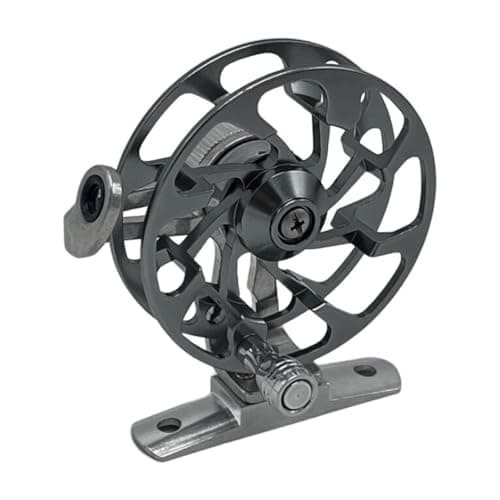
Who this is for: Best for beginners and casual anglers who need a simple reel matched to their fishing style and budget.
Check PriceHow to Choose the Best Fishing Reel in 2026: Complete Buying Guide
If you’re trying to figure out how to choose a fishing reel, the biggest challenge is not finding a reel — it’s avoiding the wrong one for your fishing style. The most common mistake buyers make is choosing based on price or looks instead of matching the reel to the species, line type, skill level, and retrieve style they actually need. This guide breaks down the features that matter most, the red flags to avoid, and the best budget-friendly options so you can buy with confidence.
Related Reviews
Key Features to Look For
1) Reel Type: Match the Reel to Your Fishing Style
The first decision is the reel type: spincast, spinning, fly, or handline-style setups. Reel type matters because it affects casting ease, line control, and how quickly you can learn the system. Beginners often do best with simple spincast reels, while anglers who want more versatility usually move toward spinning or fly reels.
2) Retrieve Hand Orientation
Check whether the reel is designed for right-hand or left-hand retrieve. This sounds minor, but it affects comfort, reaction speed, and how naturally you can fight fish. If the retrieve side feels awkward, you’ll notice it every time you cast and reel.
3) Gear Ratio and Retrieve Speed
Gear ratio tells you how fast the spool turns with each handle crank. A faster retrieve can help when you need to pick up slack quickly, while a slower ratio may offer more control. For general use, balance matters more than chasing the fastest number.
4) Drag System
Drag is what lets line slip under pressure so you don’t lose fish or break line when a fish surges. A smoother drag system usually means better control and fewer sudden line pops. If you plan to target anything stronger than small panfish, drag quality should be high on your checklist.
5) Construction and Material Quality
Reels made with metal gears or corrosion-resistant parts tend to last longer, especially in wet or rough conditions. Material quality matters because cheap components can wear out quickly, create rough retrieves, or fail under load. If you fish often, durability should outweigh tiny savings.
6) Pre-Spooled vs. Bare Reel
Some reels come pre-spooled with line, which is convenient for beginners or anyone who wants to fish immediately. Others require you to choose and spool your own line, which gives more control but adds setup time. If you want convenience, pre-spooled can be a smart value.
7) Portability and Size
Compact reels are easier to pack for hiking, travel, and emergency kits, while larger reels may feel more stable and capable with bigger fish. Size matters because a reel that is too bulky can be annoying to carry, but one that is too small may feel underpowered for your target species.
What to Avoid
1) A Reel That Doesn’t Match Your Skill Level
One of the fastest ways to regret a purchase is buying a reel that is more complicated than you need. Advanced reels can be rewarding, but if you’re just starting out, a system that is difficult to use can make fishing frustrating instead of fun.
2) Overpaying for Features You Won’t Use
Don’t assume the most expensive reel is the best choice. If you mainly fish casually, you may not need premium drag, ultra-light materials, or advanced retrieve systems. Paying for capability you won’t use is one of the most common budget mistakes.
3) Ignoring Corrosion Resistance
If you fish in saltwater, brackish water, or wet environments, corrosion resistance matters a lot. A reel that looks fine on day one can degrade quickly if the materials and finish aren’t built for the conditions.
4) Skipping Line Compatibility
A reel should work with the line type and pound-test you plan to use. Mismatched line and reel size can lead to poor casting, tangles, or reduced performance. Always check the reel’s intended line capacity before buying.
5) Choosing Based on Photos Alone
Marketing images can make almost any reel look premium. Instead, look at specs, owner feedback, and what the reel is actually designed to do. A good-looking reel that feels flimsy or awkward in real use is still a bad buy.
Our Top Picks
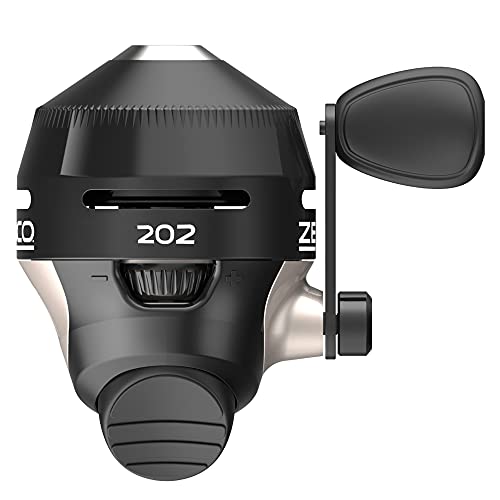
Best for Beginners: Zebco 202 Spincast Fishing Reel


4.7★ (based on published product feedback and retailer data) ✓ Prime 26% OFF — Was $13.99
If you want the simplest path into fishing, this is the most beginner-friendly option in the list. The no-tangle design, push-button mechanics, and pre-spooled line make it a strong choice for casual anglers, kids, or anyone who wants a low-friction setup.
- ✓ Patented no-tangle design helps reduce frustration
- ✓ Pre-spooled with 10-pound line for immediate use
- ✓ All-metal gears add confidence for everyday fishing
- ✓ Quickset anti-reverse supports a firmer hookset
- ✗ Right-hand retrieve only
- ✗ Not the best fit for anglers wanting advanced casting control
- ✗ More of a simple all-around reel than a specialized option
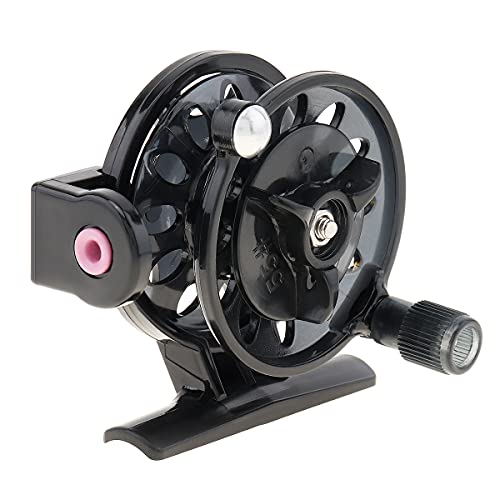
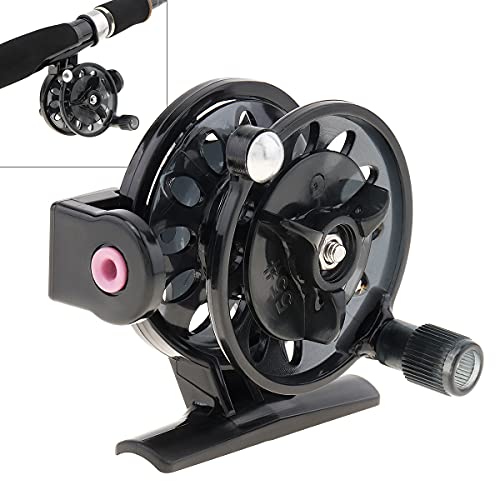
Best Budget Pick: OriGlam Fishing Reel
4.2★ (based on published product feedback and retailer data) ✓ Prime
This is the kind of reel that makes sense when you want the lowest possible entry cost and a lightweight feel. It’s a practical pick for very occasional use, backup tackle, or buyers who want to test the waters before spending more.
- ✓ Very affordable entry point
- ✓ Lightweight and easy to carry
- ✓ Simple right-hand retrieve design
- ✓ Good for casual, low-commitment fishing
- ✗ Less feature-rich than higher-priced options
- ✗ Not ideal for anglers who want long-term durability
- ✗ Fewer details available about performance specs
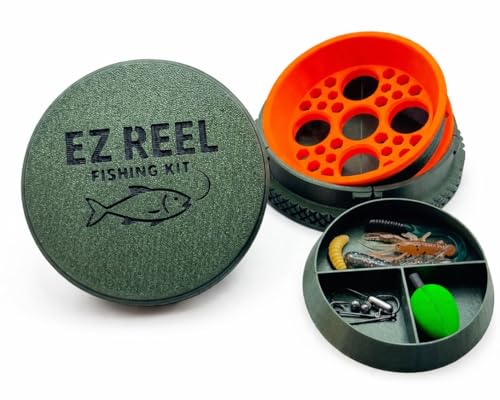
Best for Ultra-Portable Use: EZ Reel- Fishing Kit

4.4★ (based on published product feedback and retailer data) ✓ Prime
If portability is your top priority, this rodless kit stands out. It’s especially appealing for hikers, backpackers, campers, or anyone who wants a compact fishing option that can live in a pack without taking up much space.
- ✓ Extremely compact and travel-friendly
- ✓ Includes line, tackle, and carry case
- ✓ Ready-to-use design with no setup time
- ✓ Good for adventure and emergency kits
- ✗ Not a traditional reel-and-rod setup
- ✗ Better for convenience than precision casting
- ✗ Less suitable for anglers who want a conventional reel feel
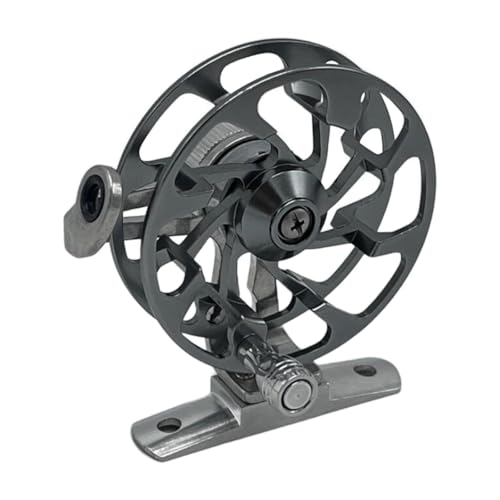
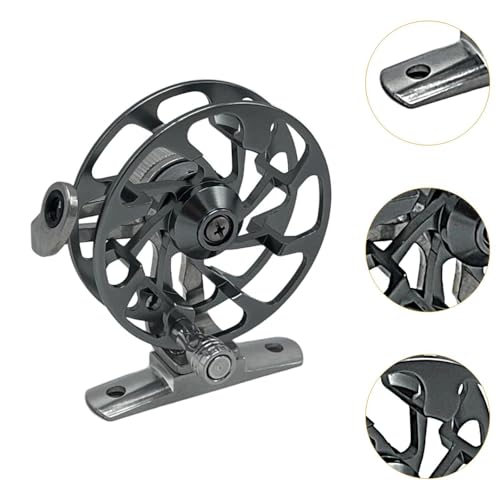
Best for Simple Versatility: Zxpjkyu Fly Fishing Reel
4.1★ (based on published product feedback and retailer data) ✓ Prime
This reel is a good fit if you want a low-cost, metal-bodied option for a range of environments. Its compact size and claimed versatility make it useful for anglers who want something simple for freshwater, saltwater, ice fishing, or travel-friendly use.
- ✓ Metal construction for added durability
- ✓ Compact size with a 65mm diameter
- ✓ Multi-use design for several fishing styles
- ✓ Right-handed orientation may suit many casual anglers
- ✗ Right-hand only
- ✗ More basic than premium reels
- ✗ Best for straightforward use rather than advanced performance demands
Budget Guide: What You Get at Each Price Point
Under $15
At this level, you’re usually paying for basic function, simplicity, and entry-level convenience. Expect limited features, fewer premium materials, and a stronger focus on getting started quickly rather than long-term refinement. This is the sweet spot for casual anglers or buyers who want a backup reel.
$15 to $35
This range often gives you better overall usability, more complete kits, or a more thoughtful design. You may start seeing convenience upgrades like included line, better materials, or more portable formats. For many beginners and occasional anglers, this is the best value zone.
What Higher Prices Usually Add
As prices rise, you generally get smoother operation, better durability, improved drag, stronger materials, and more specialized performance. If you fish often or in tougher conditions, paying more can make sense — but only if the reel matches your actual needs.
Frequently Asked Questions
What is the best type of fishing reel for beginners?
For most beginners, a spincast reel is the easiest place to start because it is simple, forgiving, and less likely to tangle. A pre-spooled model can make the learning curve even easier.
How do I know what size fishing reel I need?
Choose reel size based on the species you plan to target, the line weight you want to use, and whether you need portability or power. Bigger fish and heavier line usually call for a larger, more robust reel.
Is a more expensive fishing reel always better?
No. A more expensive reel is only better if its features match your fishing style. If you are a casual angler, a simple and durable reel may be the smarter buy.
Should I choose a pre-spooled reel?
Yes, if you want convenience and a faster start. Pre-spooled reels are especially helpful for beginners and occasional anglers who do not want to spend time selecting and loading line.
What’s the biggest mistake people make when buying a fishing reel?
The biggest mistake is buying a reel without matching it to the type of fishing they actually do. A reel that looks good on paper can still feel wrong if it is the wrong retrieve side, size, or style.
Pros
- + Beginner-friendly options included
- + Budget-friendly picks for casual anglers
- + Portable and travel-ready reel choices
- + Pre-spooled convenience available
- + Durable metal construction in select models
Cons
- – Some models are right-hand only
- – Budget reels may lack advanced features
- – Not every option suits serious anglers
Frequently asked questions
- What is the best type of fishing reel for beginners?
- For most beginners, a spincast reel is the easiest place to start because it is simple, forgiving, and less likely to tangle. A pre-spooled model can make the learning curve even easier.
- How do I know what size fishing reel I need?
- Choose reel size based on the species you plan to target, the line weight you want to use, and whether you need portability or power. Bigger fish and heavier line usually call for a larger, more robust reel.
- Is a more expensive fishing reel always better?
- No. A more expensive reel is only better if its features match your fishing style. If you are a casual angler, a simple and durable reel may be the smarter buy.
- Should I choose a pre-spooled reel?
- Yes, if you want convenience and a faster start. Pre-spooled reels are especially helpful for beginners and occasional anglers who do not want to spend time selecting and loading line.
- What’s the biggest mistake people make when buying a fishing reel?
- The biggest mistake is buying a reel without matching it to the type of fishing they actually do. A reel that looks good on paper can still feel wrong if it is the wrong retrieve side, size, or style.
Get the Full Outdoor Buyer's Guide
Join our free newsletter — we'll send our latest Outdoor picks, specs and verdicts straight to your inbox.
Free. No spam. Unsubscribe anytime.
Was this review helpful?
Be the first to share your feedback on this review.
Sign in to vote and let us know what you think.
Discussion (0)
No comments yet. Be the first to start the discussion.
Related Reviews
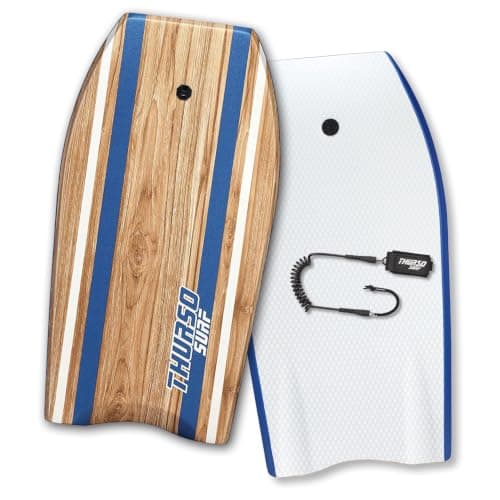
3 Best Bodyboards 2026 — Lightweight, Durable Picks for Easier Wave Riding
If you’re searching for the best bodyboards 2026 , the challenge is usually the same: you want something that floats well, tracks smoothly, and doesn’t feel flimsy after a few beach sessions. The right board can make a big difference whether you’re buying for a beginner, a teen, or a casual adult ri
8 Best Fishing Kayak Paddles in 2026 — Better Reach, Less Fatigue, and More Value
If you’re shopping for the best fishing kayak paddles, the biggest challenge is finding one that matches your kayak width, paddling style, and budget without sacrificing comfort. A too-short paddle can leave you reaching awkwardly, while the wrong shaft or blade design can make long sessions feel ha
KLASIT Fishing Line 788FT,Invisible Monofilament Fishing Wire Review (2026): Specs, Pros & Cons, and Who It's For
Check Price on Amazon →