

What is Fly Fishing for Beginners Gear Guide? A Complete 2026 Guide
Trying to start fly fishing can feel overwhelming when every forum, video, and shop counter seems to assume you already know the gear. A good fly fishing for beginners gear guide should simplify the essentials, explain what each piece does, and help you avoid wasting money on the wrong setup. This guide breaks down the basics in plain English so you can understand the system, choose smarter gear, and get on the water with more confidence.
Related Reviews
How It Works
Fly fishing works differently from regular fishing because the weight of the line is what carries the lure-like fly, not the weight of the bait itself. In simple terms, you cast a specially designed rod and line that unroll through the air, allowing a lightweight fly to land gently on the water. That softer presentation is one reason fly fishing is so effective for species that respond to natural-looking movement and subtle surface disturbance.
For beginners, the core gear system usually includes a rod, reel, line, leader, tippet, and flies. The reel stores line and helps manage fish once hooked, while the rod provides casting control and leverage. The line, leader, and tippet work together to transfer energy during the cast and create a nearly invisible connection between your fly and the water.
Because fly fishing depends on balance, the gear has to work together as a matched setup. If the reel, rod, and line are poorly paired, casting becomes harder and less accurate. That is why beginners benefit most from simple, well-matched gear instead of trying to piece together random components.
Key Benefits & Use Cases
Fly fishing is popular because it combines skill, patience, and a more natural presentation than many other fishing methods. For beginners, that can make the learning curve feel challenging at first, but also rewarding once the basics click.
- Gentle presentation: The fly lands softly, which can be useful in clear water or when fish are easily spooked.
- Versatility: Fly setups can be used in freshwater, some saltwater situations, and even specialty conditions depending on the gear.
- Skill development: It teaches casting control, reading water, and understanding fish behavior.
- Portable hobby: Many beginner kits are compact and easier to transport than bulkier fishing setups.
- Great for learning fundamentals: Beginners can focus on technique and simple equipment before upgrading.
Common use cases include small rivers, ponds, streams, lake edges, and beginner-friendly freshwater outings. Some anglers also use simpler fly reels for practice, travel, or backup purposes. If your goal is to learn the basics without overcomplicating the process, a straightforward starter gear guide is the right place to begin.
What to Look For When Buying
If you are building your first setup, focus on these five criteria before buying anything:
1) Gear compatibility
Make sure the reel, rod, and line are intended to work together. Balanced gear is easier to cast and more forgiving for beginners.
2) Ease of use
Look for simple designs with clear setup and comfortable handling. Beginner gear should reduce frustration, not add to it.
3) Material quality
Durable materials matter because fishing gear gets exposed to water, grit, and repeated use. Metal components often feel sturdier, while lighter materials may be easier to carry.
4) Target environment
Think about where you will fish most often: freshwater, saltwater, streams, or travel use. Some gear is more versatile than others, but not every piece is ideal for every environment.
5) Handedness and comfort
Reels and handles should match your dominant hand and feel comfortable during long sessions. A comfortable grip and natural retrieve can make learning much easier.
Top Recommended Products
Zxpjkyu Fly Fishing Reel, Metal Fly Reel for Right Handed, Portable Ice Fishing Reel for Freshwater Saltwater Fishing Accessory, Gray ✓ Prime $5.50
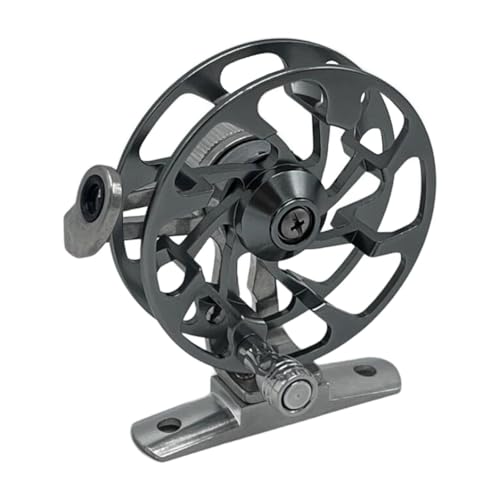
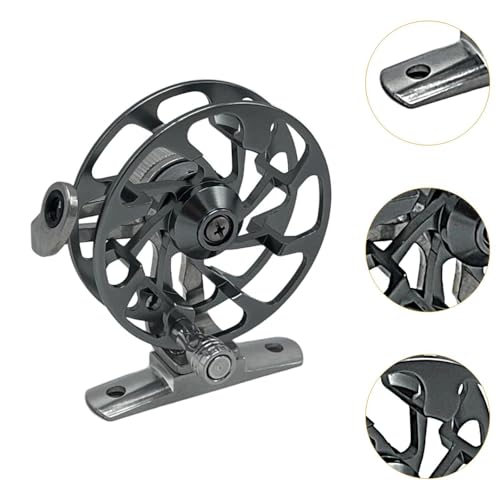
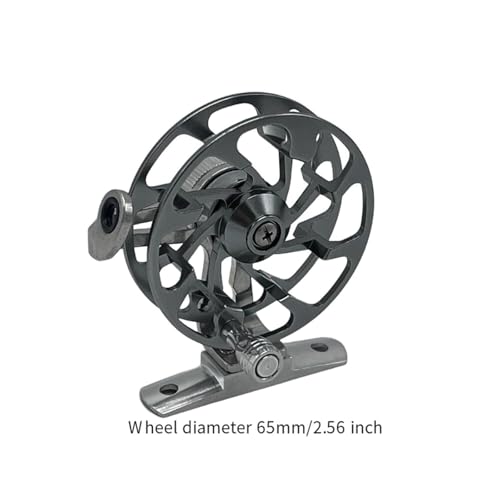
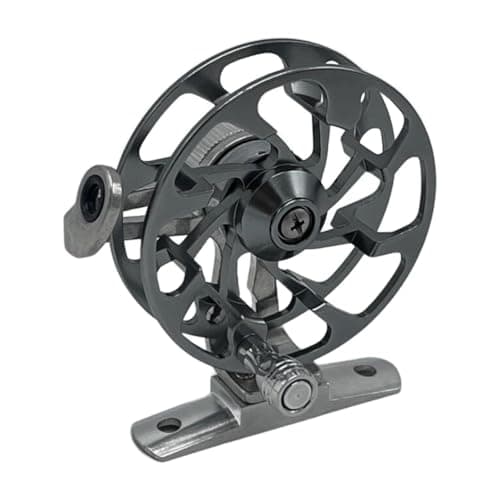
This reel stands out as a low-cost, beginner-friendly option for anglers who want a simple place to start. Based on the published product details, it uses a metal build for durability, is designed for right-handed anglers, and is marketed for fly fishing as well as ice fishing, rafting, freshwater, and saltwater use. The 65mm diameter suggests a larger reel size, which may appeal to beginners who want something that feels substantial in hand.
- ✓ Metal construction for added durability
- ✓ Right-handed design for comfortable retrieval
- ✓ Versatile use across freshwater, saltwater, ice fishing, and rafting
- ✓ Large 65mm diameter for handling bigger fish species
- ✓ Very budget-friendly entry price
- ✗ Only suitable for right-handed anglers
- ✗ Reels alone do not complete a full beginner fly fishing setup
- ✗ Basic product listing provides limited performance detail
- ✗ Not enough published information to confirm advanced drag or smoothness
For a fly fishing for beginners gear guide, this is best viewed as an affordable entry reel or backup accessory rather than a complete premium setup. If your priority is keeping costs down while learning the basics, it is a practical place to start.
Common Mistakes to Avoid
- Buying gear without checking compatibility: A reel alone is not enough; the full setup needs to match.
- Choosing the wrong handedness: A right-handed reel can feel awkward if it does not match your preference.
- Focusing only on price: Cheap gear can be fine for beginners, but it still needs to be usable and durable.
- Ignoring where you will fish: Freshwater, saltwater, and ice fishing needs can differ a lot.
- Expecting instant mastery: Fly fishing has a learning curve, so patience matters as much as equipment.
Frequently Asked Questions
What gear do I need to start fly fishing as a beginner?
At minimum, you need a fly rod, reel, fly line, leader, tippet, and flies. Many beginners also benefit from a simple starter kit so the components are easier to match.
Is fly fishing harder than regular fishing?
It can be harder at first because casting technique matters more. Once the basics are learned, many anglers find it very enjoyable and repeatable.
Do I need an expensive reel to begin fly fishing?
No. Beginners can start with budget-friendly gear if it is functional and matched properly. A simple reel can be enough while you learn the basics.
Can I use one fly reel for different types of fishing?
Some reels are marketed as versatile, but not every reel is ideal for every setup. Always check whether it fits your rod, line, and target fishing environment.
What should I prioritize first when buying beginner fly fishing gear?
Prioritize compatibility, ease of use, durability, and comfort. Those basics matter more than fancy features when you are just getting started.
Get the Full Outdoor Buyer's Guide
Join our free newsletter — we'll send our latest Outdoor picks, specs and verdicts straight to your inbox.
Free. No spam. Unsubscribe anytime.
Was this review helpful?
Be the first to share your feedback on this review.
Sign in to vote and let us know what you think.
Discussion (0)
No comments yet. Be the first to start the discussion.
Related Reviews
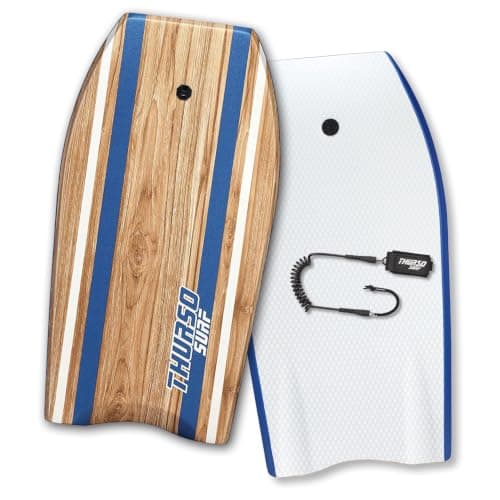
3 Best Bodyboards 2026 — Lightweight, Durable Picks for Easier Wave Riding
If you’re searching for the best bodyboards 2026 , the challenge is usually the same: you want something that floats well, tracks smoothly, and doesn’t feel flimsy after a few beach sessions. The right board can make a big difference whether you’re buying for a beginner, a teen, or a casual adult ri
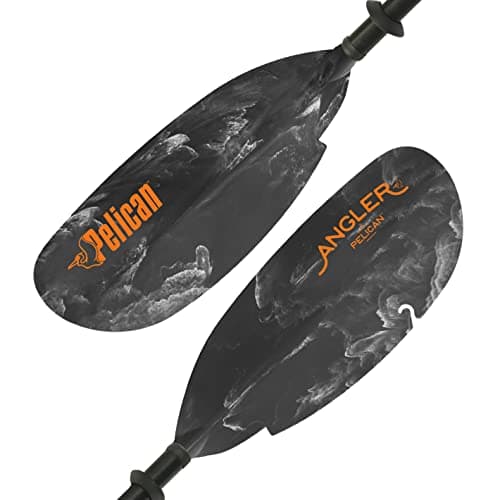
8 Best Fishing Kayak Paddles in 2026 — Better Reach, Less Fatigue, and More Value
If you’re shopping for the best fishing kayak paddles, the biggest challenge is finding one that matches your kayak width, paddling style, and budget without sacrificing comfort. A too-short paddle can leave you reaching awkwardly, while the wrong shaft or blade design can make long sessions feel ha
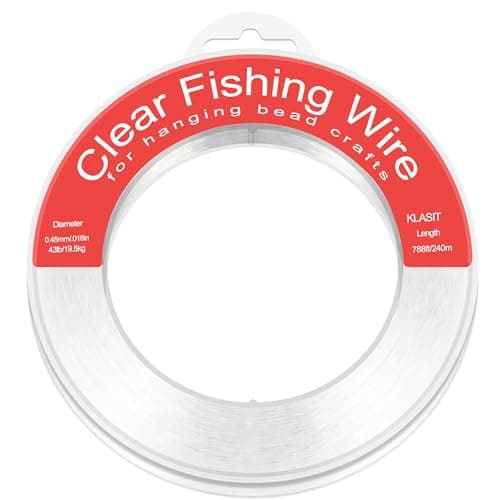
KLASIT Fishing Line 788FT,Invisible Monofilament Fishing Wire Review (2026): Specs, Pros & Cons, and Who It's For
Check Price on Amazon →