

What is braided vs monofilament fishing line? A Complete 2026 Guide
If you’re trying to choose between braided vs monofilament fishing line, the biggest challenge is knowing which one actually fits your fishing style, not just which one sounds stronger. Braid and mono behave very differently in the water, on the reel, and when fighting fish, so the “best” choice depends on your target species, casting needs, and budget. This guide breaks down how each line works, where each shines, and which products are worth considering if you want to buy with confidence.
Related Reviews
How It Works
Braided line is made by weaving together multiple high-strength fibers, usually polyethylene, into a thin, tough cord. That woven structure gives braid very low stretch, which means you feel bites and bottom contact faster and get more immediate hooksets. Because it’s thin for its strength, braid also packs more line onto a spool and cuts through water efficiently.
Monofilament line is a single strand of nylon-based material. It stretches more than braid, which can be helpful for absorbing sudden surges from fish and making the line feel more forgiving during the fight. Mono is also generally easier to handle for beginners, resists tangles well, and tends to be more budget-friendly.
In simple terms: braid is about sensitivity, strength, and thin diameter, while mono is about stretch, manageability, and versatility. That’s why anglers often choose braid for heavy cover or finesse sensitivity, and mono for general-purpose fishing or setups where a little stretch is useful.
Key Benefits & Use Cases
Braided fishing line: best when sensitivity matters
Braid is often the better pick when you need to detect subtle bites, fish deep structure, or work around weeds and cover. Its near-zero stretch helps transmit what the lure is doing, and its thin diameter can improve casting distance and reel capacity. Many anglers also like braid for baitcasting setups, frogging, flipping, and situations where hook-setting power matters.
Monofilament fishing line: best when forgiveness matters
Monofilament is a strong all-around choice for freshwater fishing, especially for beginners and casual anglers. The added stretch can reduce pulled hooks on aggressive fish, and its smoother handling makes it easier to cast without as much fuss. It’s also a practical choice for topwater lures, general spinning setups, and times when you want a simple, affordable line that performs consistently.
Which one should you choose?
If you want maximum sensitivity and strength in a thinner line, braid usually wins. If you want easier handling, more stretch, and a line that feels familiar and forgiving, mono is often the better fit. Many experienced anglers keep both on hand because the right answer depends on the lure, water conditions, and target fish.
What to Look For When Buying
1) Strength rating
Look at the pound-test rating and match it to your target species and tackle. Lighter line is better for finesse and smaller fish, while heavier line is better for cover, larger fish, and stronger hooksets.
2) Stretch vs sensitivity
If you want instant feedback from the lure, braid is the better option because it has very little stretch. If you want more shock absorption and a more forgiving feel, mono’s stretch can be an advantage.
3) Diameter
Diameter affects casting, spool capacity, and how visible the line may be in the water. Braid is usually thinner for its strength, while mono is typically thicker at the same pound-test.
4) Abrasion resistance
If you fish around rocks, docks, timber, or thick vegetation, abrasion resistance matters a lot. Braid often performs well here, but mono can also be a smart choice in less extreme conditions.
5) Manageability and memory
Line memory affects how easily line wants to hold spool shape, which can influence tangles and casting smoothness. Lower memory usually means fewer headaches, especially for spinning reels and long casting sessions.
Top Recommended Products
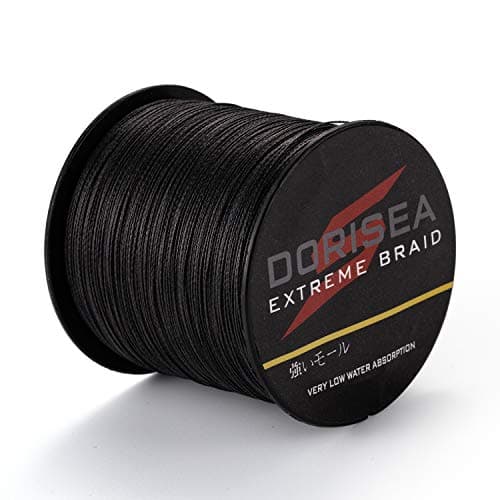
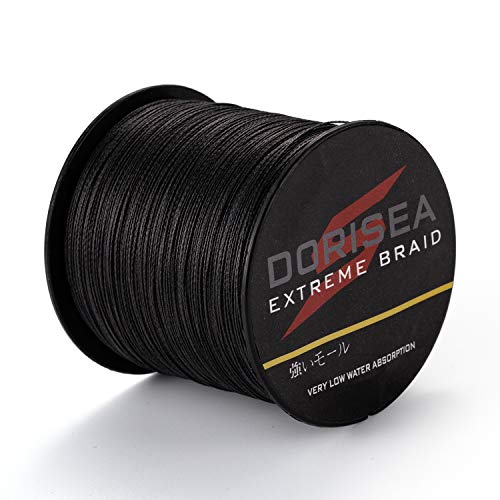
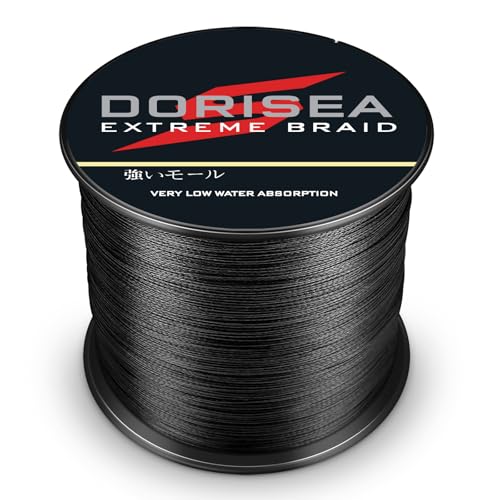
Dorisea Extreme Braid 100% Pe Black Braided Fishing Line 109Yards-2187Yards 6-550Lb Test Fishing Wire Fishing String Incredible Superline Zero Stretch (100m/109Yards 100lb/0.55mm)
✓ Prime | $6.98
This is a budget-friendly braided option for anglers who want zero-stretch sensitivity, small diameter, and strong abrasion resistance. The product details emphasize color retention, low memory, and a thin profile that helps with casting and line handling.
- ✓ Near-zero stretch for strong sensitivity and faster hooksets
- ✓ Thin diameter helps with casting and spool capacity
- ✓ Abrasion resistance is useful around rough structure
- ✓ Prime shipping and low entry price make it accessible
- ✗ Extreme braid may feel less forgiving than mono for beginners
- ✗ Black braid can be more visible in some clear-water situations
- ✗ Best results often depend on proper knot tying and setup
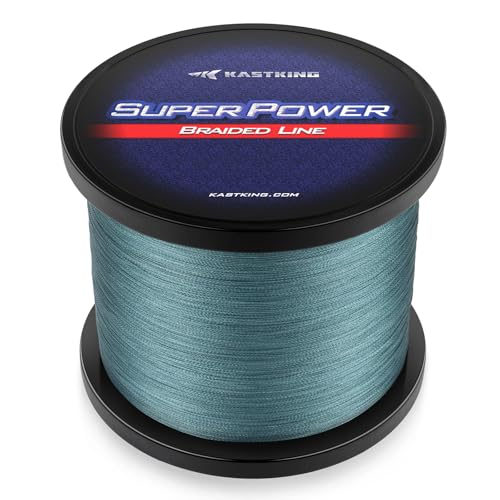
KastKing Superpower Braided Fishing Line,8LB,150 Yds,Gray,4X

✓ Prime | $9.99
This braid is positioned as a strong all-around choice for anglers who want knot strength, low memory, and high sensitivity. The listed features make it especially appealing for casting reliability and for situations where you need to feel subtle changes in bottom contact or lure action.
- ✓ Strong knot strength with easy tying
- ✓ Low memory helps reduce wind knots and improve casting
- ✓ High sensitivity and almost zero stretch
- ✓ Available in multiple colors and strength ratings
- ✗ Braid may be overkill for very casual fishing needs
- ✗ Gray braid can still be visible in clear water
- ✗ Zero-stretch line can be less forgiving on sudden strikes
KastKing Superpower Braided Fishing Line,10LB,150 Yds,Gray,4X
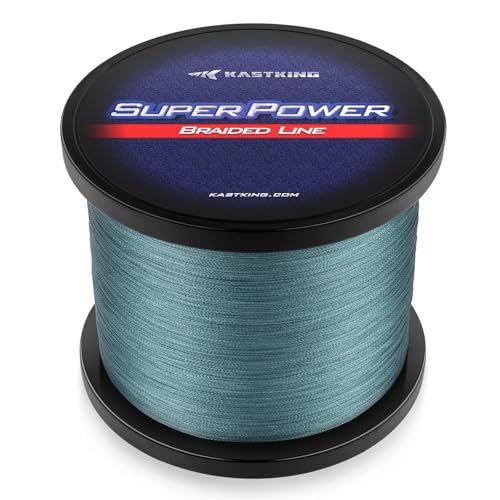
✓ Prime | $10.99
This version of KastKing Superpower is the same braid family but in a 10 lb test, which gives anglers a slightly different strength profile for lighter setups. It keeps the same core appeal: low stretch, good casting behavior, and strong knot performance.
- ✓ Good option for lighter braid setups
- ✓ Strong knot strength and smooth guide passage
- ✓ Low memory supports longer, cleaner casts
- ✓ High sensitivity helps detect light bites
- ✗ Not a monofilament substitute if you want stretch and forgiveness
- ✗ 10 lb test may be too light for heavy cover
- ✗ Similar to other braid options, setup matters a lot
Berkley Trilene® XL®, Clear, 8lb | 3.6kg, 330yd | 301m Monofilament Fishing Line, Suitable for Freshwater Environments
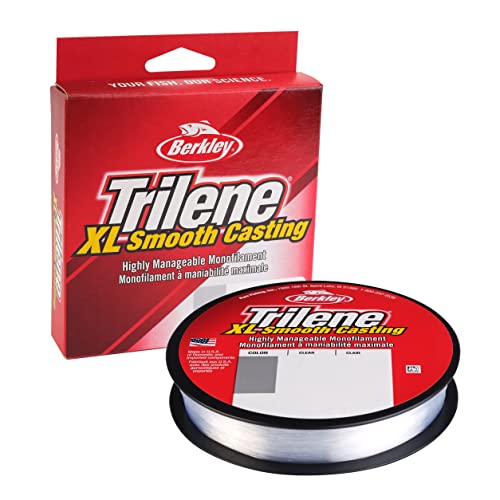

✓ Prime | $9.14 26% OFF — Was $12.35
This is the clearest example in the list of a traditional monofilament line. It’s designed for smooth casting, reduced twists and kinks, and a more forgiving feel that many anglers prefer for freshwater use and general-purpose setups.
- ✓ Manageable mono that resists twists and kinks
- ✓ Clear design helps disguise the line underwater
- ✓ Good wet strength for submerged use
- ✓ Versatile for many baits and techniques
- ✗ Mono stretches more than braid, so sensitivity is lower
- ✗ Thicker diameter than braid at similar strength
- ✗ Not ideal if you want maximum line capacity or instant feedback
Common Mistakes to Avoid
1) Choosing line only by pound-test. Pound-test matters, but it doesn’t tell the full story. A 10 lb braid and a 10 lb mono can behave very differently because diameter, stretch, and handling are not the same.
2) Ignoring reel compatibility. Some lines work better on certain reel types. Braided line often shines on setups where sensitivity and capacity matter, while mono is frequently easier for general spinning applications.
3) Using braid without checking knots and leader setup. Braid can slip if knots aren’t tied correctly, and many anglers benefit from using a leader when fish are line-shy or when extra abrasion protection is needed.
4) Expecting mono to behave like braid. Mono stretches more, so it won’t give the same instant bite detection or hookset feel. That stretch is a feature, not a flaw, when you want forgiveness.
5) Matching the wrong line to the cover. Heavy cover often favors braid, while open-water and beginner-friendly fishing often work well with mono. The environment should guide the choice as much as the fish species.
Frequently Asked Questions
Q1: Which is better, braided or monofilament fishing line?
A: Neither is universally better. Braided line is usually better for sensitivity, strength, and thin diameter, while monofilament is better for stretch, forgiveness, and easy handling.
Q2: Is braided line stronger than monofilament?
A: In many cases, braid offers higher strength for its diameter and better sensitivity. Mono can still be strong, but it usually has more stretch and a thicker profile at the same pound-test.
Q3: Why do anglers use monofilament fishing line?
A: Anglers use mono because it’s easy to cast, more forgiving on strikes, and often more affordable. It’s a practical choice for general freshwater fishing and beginners.
Q4: Does braided line need a leader?
A: Not always, but many anglers use one. A leader can improve abrasion resistance, reduce visibility, and give you a more versatile setup depending on the water and target species.
Q5: What is the best line for beginners?
A: Monofilament is often the easiest starting point because it handles well and is more forgiving. If a beginner wants more sensitivity and is willing to learn line management, braid can also be a good choice.
Get the Full Outdoor Buyer's Guide
Join our free newsletter — we'll send our latest Outdoor picks, specs and verdicts straight to your inbox.
Free. No spam. Unsubscribe anytime.
Was this review helpful?
Be the first to share your feedback on this review.
Sign in to vote and let us know what you think.
Discussion (0)
No comments yet. Be the first to start the discussion.
Related Reviews
3 Best Bodyboards 2026 — Lightweight, Durable Picks for Easier Wave Riding
If you’re searching for the best bodyboards 2026 , the challenge is usually the same: you want something that floats well, tracks smoothly, and doesn’t feel flimsy after a few beach sessions. The right board can make a big difference whether you’re buying for a beginner, a teen, or a casual adult ri
8 Best Fishing Kayak Paddles in 2026 — Better Reach, Less Fatigue, and More Value
If you’re shopping for the best fishing kayak paddles, the biggest challenge is finding one that matches your kayak width, paddling style, and budget without sacrificing comfort. A too-short paddle can leave you reaching awkwardly, while the wrong shaft or blade design can make long sessions feel ha
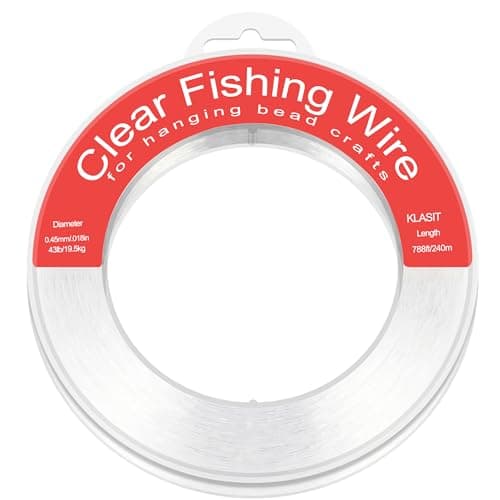
KLASIT Fishing Line 788FT,Invisible Monofilament Fishing Wire Review (2026): Specs, Pros & Cons, and Who It's For
Check Price on Amazon →