

Who this is for: Best for home cooks who want to learn how to smoke a brisket with clear, research-based guidance and fewer costly mistakes.
Check PriceIf you’re trying to learn how to smoke a brisket, the biggest challenge is usually not the recipe itself — it’s getting tender, juicy results without drying out a very expensive cut of meat. Brisket can be intimidating because it cooks slowly, stalls in temperature, and punishes small mistakes in trimming, seasoning, and timing. This guide breaks the process down into plain English so you can understand what’s happening, what tools or resources help, and what to avoid before you fire up the smoker.
Related Reviews
Smoking a brisket is a low-and-slow cooking method that uses indirect heat and wood smoke to transform a tough cut into tender slices or pull-apart meat. The process works by gradually breaking down connective tissue and rendering fat over several hours, while smoke adds flavor to the bark and outer layers. Done well, it produces one of the most prized barbecue meats in the world.
How It Works
Brisket comes from the chest area of the cow, which means it has a lot of muscle fibers and connective tissue. That’s why it starts tough and needs long cooking time to become tender. When you smoke it at a controlled temperature, the collagen in the meat slowly converts into gelatin, which creates that rich, moist texture people love.
The “smoke” part is about flavor, not speed. Wood combustion produces aromatic compounds that cling to the meat’s surface, especially after the seasoning forms a crust known as bark. The goal is to keep the temperature steady, manage the stall, and cook until the brisket is tender enough to probe easily.
In practice, smoking brisket usually means:
- Trimming excess fat while leaving enough to protect the meat
- Seasoning simply, often with salt and pepper or a basic rub
- Cooking at low heat, commonly around 225°F to 275°F
- Monitoring internal temperature and tenderness, not just the clock
- Resting the brisket after cooking so juices redistribute
Key Benefits & Use Cases
Learning how to smoke a brisket is useful if you want to make a centerpiece meal for gatherings, holidays, tailgates, or weekend meal prep. Brisket feeds a crowd, slices well for sandwiches, and can be served in multiple ways depending on how you cut it. It also rewards patience, which makes it a favorite project for people who enjoy mastering barbecue over time.
- Feeding a group: One brisket can serve many people, making it ideal for parties and family events.
- Meal prep: Leftovers work well for sandwiches, tacos, hash, and rice bowls.
- Barbecue skill-building: It teaches trimming, temperature control, smoke management, and resting.
- Special occasions: Brisket is a classic choice for holidays, cookouts, and celebratory meals.
- Flavor development: The long cook builds bark, smoke ring, and deep beef flavor that quick methods can’t match.
What to Look For When Buying
If you’re buying a book or guide to help you master brisket, the best options should be practical, clear, and specific enough to prevent common mistakes. Here are five criteria that matter most.
1. Step-by-step brisket instructions
Look for a guide that explains trimming, seasoning, cooking temperatures, and resting in a logical order. The best resources remove guesswork and help you understand why each step matters.
2. Temperature and timing guidance
Brisket success depends on knowing when to keep cooking and when to rest. Charts, timing ranges, and doneness cues are especially valuable for beginners.
3. Wood and smoker compatibility
A helpful guide should work across different setups, including pellet grills, offset smokers, and other common backyard cookers. That makes the advice more useful no matter what equipment you own.
4. Troubleshooting for dry or tough meat
Good brisket resources explain how to avoid overcooking, under-resting, or slicing incorrectly. Troubleshooting sections are often what separate a decent guide from a great one.
5. Practical recipes and repeatable methods
Even an educational brisket book should give you a repeatable method you can use again and again. Clear recipes and tested techniques help turn theory into results.
Top Recommended Products
These two books are strong educational picks for readers who want to improve their brisket game with research-backed guidance, practical charts, and barbecue-focused instruction.
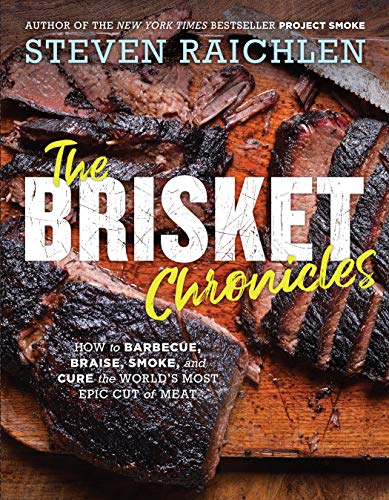
The Brisket Chronicles: How to Barbecue, Braise, Smoke, and Cure the World's Most Epic Cut of Meat (Steven Raichlen Barbecue Bible Cookbooks) (reviews not listed)


This title is the strongest fit if you want a deep dive into brisket specifically, not just general barbecue theory. Its value comes from covering multiple cooking approaches while staying centered on one of the most challenging cuts in barbecue.
- ✓ Brisket-focused instruction for smoking, braising, barbecue, and curing
- ✓ Budget-friendly
- ✓ Good fit for readers who want a more complete brisket reference
- ✓ Useful for learning both fundamentals and advanced approaches
- ✗ More specialized than a general beginner barbecue book
- ✗ Best for readers who specifically want brisket knowledge
From First Smoke to BBQ King: Master Your Wood Pellet Grill Without the Guesswork | Easy & Proven Recipes, Temperature & Timing Charts to Avoid Dry Meat and Get Perfect BBQ Every Time (reviews not listed)


This is a strong companion guide if you’re using a pellet grill and want a simpler path to consistent barbecue results. Its charts and beginner-friendly structure make it especially useful for readers who want help with timing and temperature management.
- ✓ Temperature and timing charts help reduce guesswork
- ✓ Beginner-friendly approach for pellet grill users
- ✓ Focuses on avoiding dry meat and improving consistency
- ✓ Adds convenience
- ✗ More grill-system-specific than a dedicated brisket masterclass
- ✗ Less focused on brisket alone than the first pick
Common Mistakes to Avoid
Brisket is famous for being forgiving in some ways and unforgiving in others. Small errors can lead to dry slices, chewy meat, or a bark that tastes great but hides undercooked interior meat. These are the mistakes most often mentioned in brisket guides and owner feedback.
- Cooking too hot: High heat can dry out the flat before the connective tissue fully breaks down.
- Skipping the rest: Cutting too soon lets juices run out and ruins the texture.
- Over-trimming: Removing too much fat leaves the brisket unprotected during a long cook.
- Relying only on time: Brisket is done when it feels tender, not just when the clock says it should be.
- Slicing the wrong direction: Cutting against the grain is essential for tenderness.
- Using too much smoke: Heavy smoke can make the meat bitter instead of flavorful.
One of the best ways to avoid these issues is to follow a repeatable method and make notes each time you cook. Brisket improves a lot when you treat it like a process, not a one-time gamble.
Frequently Asked Questions
How long does it take to smoke a brisket?
Most briskets take many hours, often somewhere around 1 to 1.5 hours per pound, but that is only a rough estimate. The real test is tenderness, because thickness, smoker temperature, and wrapping all affect total time.
What temperature should I smoke brisket at?
Many cooks smoke brisket in the 225°F to 275°F range. Lower temperatures can build smoke flavor more slowly, while slightly higher temperatures may shorten the cook without ruining the result if you manage heat carefully.
Should I wrap brisket while smoking?
Wrapping is optional, but many people use it to help push through the stall and retain moisture. Common wrapping materials include butcher paper or foil, and each affects bark and texture differently.
How do I know when brisket is done?
Brisket is usually done when a probe or thermometer slides into the meat with little resistance, especially in the flat. Internal temperature is helpful, but tenderness is the more reliable final cue.
Why is my smoked brisket dry?
Dry brisket is often caused by overcooking, slicing too soon, trimming too aggressively, or not resting long enough. It can also happen when the flat is cooked much faster than the point, so temperature control and patience matter a lot.
Pros
- + Brisket-focused guidance
- + Temperature and timing help
- + Beginner-friendly barbecue instruction
- + Prime shipping available
Cons
- – Specialized rather than general
- – Some books are more grill-specific
- – No hands-on testing
Frequently asked questions
- How long does it take to smoke a brisket?
- Most briskets take many hours, often somewhere around 1 to 1.5 hours per pound, but that is only a rough estimate. The real test is tenderness, because thickness, smoker temperature, and wrapping all affect total time.
- What temperature should I smoke brisket at?
- Many cooks smoke brisket in the 225°F to 275°F range. Lower temperatures can build smoke flavor more slowly, while slightly higher temperatures may shorten the cook without ruining the result if you manage heat carefully.
- Should I wrap brisket while smoking?
- Wrapping is optional, but many people use it to help push through the stall and retain moisture. Common wrapping materials include butcher paper or foil, and each affects bark and texture differently.
- How do I know when brisket is done?
- Brisket is usually done when a probe or thermometer slides into the meat with little resistance, especially in the flat. Internal temperature is helpful, but tenderness is the more reliable final cue.
- Why is my smoked brisket dry?
- Dry brisket is often caused by overcooking, slicing too soon, trimming too aggressively, or not resting long enough. It can also happen when the flat is cooked much faster than the point, so temperature control and patience matter a lot.
Get the Full Outdoor Buyer's Guide
Join our free newsletter — we'll send our latest Outdoor picks, specs and verdicts straight to your inbox.
Free. No spam. Unsubscribe anytime.
Was this review helpful?
Be the first to share your feedback on this review.
Sign in to vote and let us know what you think.
Discussion (0)
No comments yet. Be the first to start the discussion.
Related Reviews

Best Portable Charcoal Grills Under $300 for Every Budget in 2026: Ranked by Price & Performance
If you’re shopping for the best portable charcoal grills within a mid-range budget, the real challenge isn’t finding a grill — it’s finding one that balances portability, cooking space, and durability without overpaying for features you won’t use. Some buyers need a tiny packable grill for solo trip

8 Best Kamado Grills for Backyard Smoking in 2026 — Better Heat Control, Better Bark, Better BBQ
If you’re shopping for the best kamado grills for backyard smoking 2026, the challenge is finding a model that holds steady heat without wasting charcoal or making cleanup a chore. The right kamado should give you low-and-slow smoking, reliable searing, and enough cooking space for real backyard mea

Best Infrared Gas Grills for Every Budget in 2026: Ranked by Price & Performance
Finding the best mid-range infrared gas grills is really about balancing heat output, portability, and how much setup you’re willing to handle. Some buyers want the simplest, most affordable way to get infrared-style cooking for backyard meals or camping, while others want a more capable all-around