

What is How to Season a New Grill? A Complete 2026 Guide
Learning how to season a new grill is the first step to better-tasting food, easier cleanup, and longer grill life. If your new grill smells metallic, food sticks to the grates, or rust shows up too soon, seasoning helps solve those problems before they start. This guide explains what seasoning does, how it works, and the common mistakes that can ruin the process.
Related Reviews
- 8 Best Outdoor Pizza Oven Accessories in 2026 — More Prep Space, Better Organization, and Easier Outdoor Cooking
- 8 Best Grill Carts and Tables in 2026 — More Prep Space, Better Mobility, and Smarter Outdoor Storage
- Kingsford Original Charcoal Briquettes, BBQ Charcoal for Grilling, 16 Pounds (Package May Vary) Review (2026): Specs, Pros & Cons, and Who It's For
In simple terms, seasoning a new grill means coating and heating the cooking surfaces so they develop a protective layer. That layer helps reduce sticking, improves corrosion resistance, and can make the grill perform more consistently over time. Whether you bought a gas grill, charcoal grill, or cast-iron grates, the basic idea is the same: prepare the metal before regular cooking begins.
Seasoning is not the same as cleaning, and it is not a one-time trick for flavor alone. It is a practical maintenance step that protects the grill and helps food release more easily. Done correctly, it gives your grill a better start and can make every cookout feel less frustrating.
How It Works
Seasoning works by using heat and a thin layer of oil to change the surface of the grill grates. When the oil is heated, it bonds to the metal and forms a slick, protective coating rather than staying wet and sticky. This process helps fill tiny pores and rough spots in the surface, which is why food is less likely to cling.
For many grills, especially those with cast iron or bare steel grates, high heat helps the oil polymerize. That means the oil transforms into a harder, more durable layer instead of burning off immediately. Over time, repeated seasoning and regular use can build up a darker, more nonstick surface.
The process also helps fight moisture. Bare metal can rust quickly when exposed to humidity, rain, or leftover water after cleaning. A seasoned surface gives the metal a buffer against corrosion, which is especially useful if the grill lives outdoors year-round.
Key Benefits & Use Cases
1. Helps prevent food from sticking
A properly seasoned grill grate gives burgers, fish, vegetables, and chicken a better chance of releasing cleanly. This is one of the biggest reasons people learn how to season a new grill before the first cook.
2. Supports rust protection
Seasoning adds a barrier between the metal and the elements. If your grill is stored outside, this can make a noticeable difference in how well the grates hold up over time.
3. Improves cooking consistency
A seasoned grill tends to heat and behave more predictably than a raw, unfinished surface. That can make it easier to manage searing, flipping, and cleanup.
4. Makes cleanup easier
When food is less likely to weld itself to the grates, you spend less time scraping after each meal. That does not eliminate cleaning, but it can make maintenance much less annoying.
5. Useful for first-time setup and after deep cleaning
Seasoning is especially helpful after unboxing a new grill, replacing grates, or doing a deep clean that strips away protective residue. It is a smart reset step whenever the metal is bare again.
What to Look For When Buying
1. Grill grate material
Cast iron, porcelain-coated cast iron, stainless steel, and bare steel all behave differently. Cast iron usually benefits the most from seasoning, while stainless steel may need less of it but still benefits from a light protective oiling routine.
2. Heat range and control
A grill should be able to reach and hold steady heat during the seasoning process. Good temperature control makes it easier to avoid burning oil or overheating parts you do not want to damage.
3. Manufacturer seasoning instructions
Some grills come pre-seasoned, while others require a specific break-in process. Always check the manual first so you do not use the wrong oil, temperature, or timing for your model.
4. Ease of cleaning
Look for grates and surfaces that are easy to access, brush, and wipe down. The easier the cleanup, the more likely you are to maintain the seasoning properly over time.
5. Outdoor durability
If the grill will sit on a patio, deck, or in a damp climate, durability matters a lot. Weather-resistant construction and a solid cover can help preserve the work you put into seasoning.
Common Mistakes to Avoid
One of the biggest mistakes is using too much oil. A thick layer can turn sticky, smoke excessively, or create uneven buildup instead of a smooth protective coat. A thin, even application is usually better than soaking the grates.
Another common error is skipping the cleaning step before seasoning. If the grill has manufacturing residue, dust, or packaging debris, those contaminants can interfere with the surface treatment. Always start with a clean, dry grill.
People also often use the wrong oil or heat it too aggressively. Some oils smoke at lower temperatures than others, and overheating can leave a burnt, flaky layer instead of a durable finish. Follow the grill manual and choose a heat-safe oil recommended for high-temperature cooking.
It is also a mistake to assume seasoning is permanent. Rain, heavy scrubbing, and repeated cooking can wear it down. A new grill may need an initial seasoning, and then occasional touch-ups after deep cleaning or heavy use.
Finally, do not confuse seasoning with adding flavor. The goal is surface protection and better release, not making the grill taste like oil. If you can smell strong burning fumes for too long, the process may be too hot or too heavy.
Frequently Asked Questions
How do you season a new grill for the first time?
Clean the grates, dry them completely, apply a thin coat of high-heat oil, and heat the grill according to the manufacturer’s instructions. Let it run hot long enough to bond the oil to the surface, then cool it before cooking.
Do you need to season a new grill before using it?
In many cases, yes. Seasoning helps remove manufacturing residues, protects bare metal, and improves the cooking surface before your first meal.
What oil is best for seasoning a grill?
Use a high-smoke-point oil that can handle grill temperatures without burning too quickly. The grill manual may recommend a specific oil, so it is best to follow that guidance first.
How often should you season a grill?
Most grills only need a full seasoning at setup and occasional re-seasoning after deep cleaning or heavy wear. If food starts sticking more or rust appears, it may be time to refresh the surface.
Can you season stainless steel grill grates?
Yes, you can apply a light protective oil coating to stainless steel grates, but they usually do not need seasoning as heavily as cast iron. The main benefit is reducing sticking and helping with maintenance.
Get the Full Outdoor Buyer's Guide
Join our free newsletter — we'll send our latest Outdoor picks, specs and verdicts straight to your inbox.
Free. No spam. Unsubscribe anytime.
Was this review helpful?
Be the first to share your feedback on this review.
Sign in to vote and let us know what you think.
Discussion (0)
No comments yet. Be the first to start the discussion.
Related Reviews
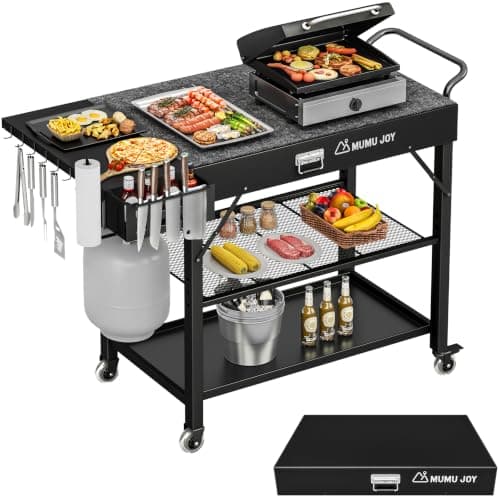
8 Best Outdoor Pizza Oven Accessories in 2026 — More Prep Space, Better Organization, and Easier Outdoor Cooking
If you’re shopping for the best outdoor pizza oven accessories, you probably want a setup that’s easier to prep on, simpler to move, and less cluttered when the heat is on. The right cart or prep station can turn a cramped patio corner into a functional pizza-making zone with room for dough, tools,
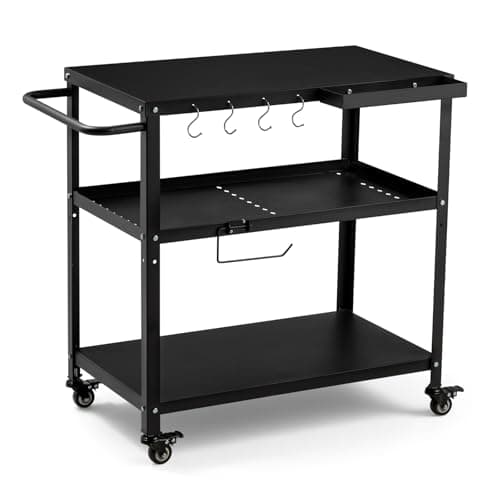
8 Best Grill Carts and Tables in 2026 — More Prep Space, Better Mobility, and Smarter Outdoor Storage
If your grill setup feels cramped, wobbly, or just plain inconvenient, the right cart or table can make outdoor cooking a lot easier. The best grill carts and tables add prep space, storage, and mobility so you can keep tools, fuel, and food close at hand. In this research-based roundup, we focused
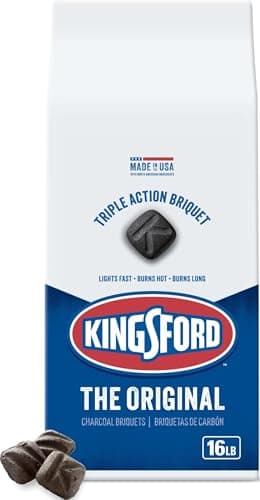
Kingsford Original Charcoal Briquettes, BBQ Charcoal for Grilling, 16 Pounds (Package May Vary) Review (2026): Specs, Pros & Cons, and Who It's For
Kingsford Original is a classic briquette format built for straightforward backyard grilling rather than specialty smoking. Based on the published specs and long-running owner feedback, the appeal is consistency: uniform briquettes, predictable ignition, and a familiar burn pattern that makes it eas