

Who this is for: Best for buyers comparing offset, pellet, and electric smokers who want the right balance of flavor, ease, and budget.
How to Choose the Best Smoker in 2026: Complete Buying Guide
If you’re trying to figure out how to choose a smoker, the biggest challenge is separating marketing hype from what actually matches your cooking style. The wrong smoker can leave you fighting temperature swings, running out of space, or spending more time tending fire than enjoying the cook. This guide breaks down the key features, red flags, and best product types so you can buy a smoker that fits your budget, skill level, and backyard setup.
Related Reviews
The most common mistake buyers make is choosing a smoker based on “best flavor” alone and ignoring maintenance, fuel type, and how much babysitting the unit needs. A great smoker is not just about smoke—it’s about consistency, capacity, and how much effort you want to put in every time you cook.
Key Features to Look For
1) Fuel Type: Offset, Pellet, or Electric
Fuel type is the first decision because it shapes everything else: flavor, convenience, temperature control, and cleanup. Offset smokers usually reward hands-on cooks who want a classic fire-management experience, while pellet smokers are popular for set-it-and-forget-it simplicity. Electric smokers are the easiest for beginners because they remove most of the fire-tending guesswork.
2) Temperature Control
Good temperature control is one of the biggest differences between frustrating and enjoyable smoking. If you want to cook brisket, ribs, or pork shoulder with less stress, look for digital controls, reliable vents, or a design that holds heat well. Inconsistent heat can dry out meat or stretch cooks for hours longer than expected.
3) Cooking Capacity
Capacity matters if you cook for family gatherings, meal prep, or parties. Think beyond “how many racks” and consider the actual shapes of the foods you cook most often—whole turkeys, pork butts, briskets, or multiple racks of ribs. A smoker that looks big on paper may still feel cramped if the rack layout is awkward.
4) Build Quality and Heat Retention
Thicker steel, sturdy doors, and tight seals generally help a smoker hold heat better and use fuel more efficiently. Better construction also usually means longer service life and fewer hot spots. If you plan to smoke year-round or in colder weather, build quality becomes even more important.
5) Ease of Use
Some smokers are designed for hobbyists who enjoy learning fire management; others are built for convenience. Features like digital controls, side chip loaders, easy-access water pans, and readable thermometers reduce the learning curve. If you’re new to smoking, ease of use can matter more than raw performance on paper.
6) Cleanup and Maintenance
Smoking creates ash, grease, soot, and residue, so cleanup should be part of the buying decision. Removable trays, accessible ash catchers, and easy-to-wipe interiors can save a lot of time after long cooks. A smoker that’s annoying to clean is one you’ll use less often.
7) Size, Footprint, and Storage
Not every backyard can handle a large offset smoker. Measure your patio, balcony, shed, or garage space before buying, and think about mobility if you plan to tailgate or travel. A compact smoker can be a better fit than a bigger model if you value flexibility and storage convenience.
What to Avoid
Overbuying for Your Skill Level
A large, fire-intensive smoker can be a bad first purchase if you’re still learning temperature management. Many buyers think bigger automatically means better, but a more complex smoker can be harder to master and more frustrating to use.
Ignoring Temperature Stability
If a smoker can’t hold steady heat, you’ll spend your cook constantly adjusting vents or settings. That can lead to uneven results, especially on long cooks like brisket or pork shoulder. Stability matters more than flashy extras.
Choosing Based Only on Price
The cheapest smoker is often cheap for a reason: thin metal, weak seals, poor control, or awkward design. A low upfront cost can turn into higher fuel use, more replacement parts, and disappointing results. It’s better to buy the cheapest smoker that still meets your needs reliably.
Buying More Capacity Than You’ll Use
Oversized smokers can waste fuel and take longer to heat up. If you mostly cook for a small household, a massive unit may be more hassle than help. Match the cooking area to your typical meals, not your once-a-year party plans.
Forgetting About Cleanup
Some smokers are great to cook on but annoying to maintain. If grease management, ash removal, or interior access looks difficult, expect more cleanup time and less enthusiasm to use it regularly.
Our Top Picks
Best for DIY Backyard Builders: Big Poppa’s DIY Drum Smoker Kit – BBQ Smoker System for 55 Gallon Drums ✓ Prime $199.99
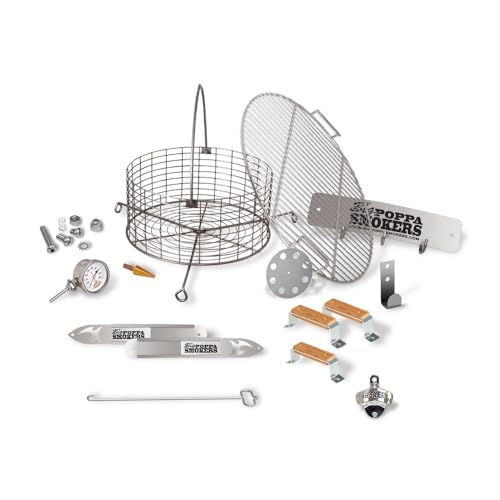


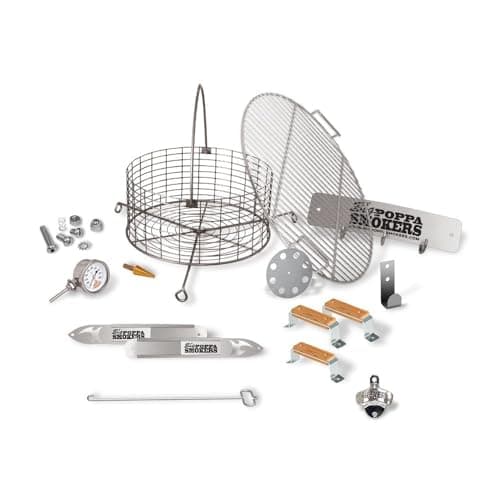
If you want a smoker that feels personal and hands-on, this DIY kit is ideal. It turns a standard 55-gallon drum into a serious BBQ smoker, which makes it a strong choice for hobbyists who like building their own gear and want a compact setup for patios, tailgates, or campsites.
- ✓ Complete conversion kit with grate, thermometer, vents, handles, and hardware
- ✓ Beginner-friendly assembly with clear instructions and labeled parts
- ✓ Compact footprint that works well in small spaces
- ✓ Built for long cooks and repeated weekend use
- ✓ Great choice for pitmasters who enjoy a DIY project
- ✗ Requires a drum and some assembly effort
- ✗ Not as plug-and-play as an electric smoker
- ✗ Best for buyers who enjoy hands-on setup
Best for Beginners Who Want Convenience: Masterbuilt® 30-inch Digital Electric Vertical BBQ Smoker with Side Wood Chip Loader, Chrome Racks and 710 Cooking Square Inches in Black, Model MB20071117 ✓ Prime 8% OFF — Was $238.32 $219.00
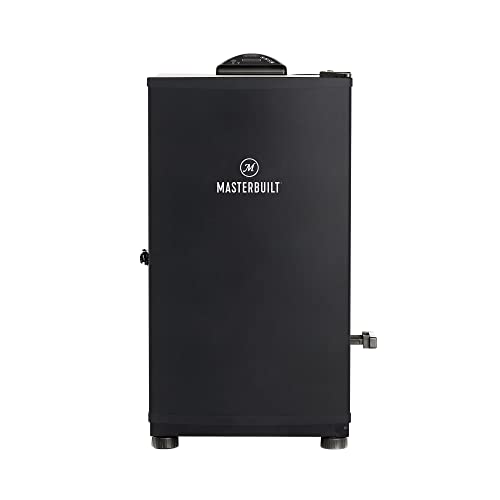

This is the easiest option for buyers who want predictable results with minimal fuss. The digital controls, side wood chip loader, and water bowl make it especially appealing if you’re new to smoking or want a smoker that’s simpler to operate on busy weekends.
- ✓ Digital temperature and time controls for easier smoking
- ✓ Side wood chip loader adds smoke without opening the door
- ✓ Water bowl helps keep meats juicy and tender
- ✓ Large vertical design with four chrome-coated racks
- ✓ Good fit for beginners and convenience-first buyers
- ✗ Max temperature is limited compared with some other smoker types
- ✗ Less “live fire” involvement than offset smokers
- ✗ Vertical layout may not suit everyone’s preferred workflow
Best for Set-It-and-Forget-It Cooking: Masterbuilt® 30-inch Digital Electric Vertical BBQ Smoker with Side Wood Chip Loader, Chrome Racks and 710 Cooking Square Inches in Black, Model MB20071117 ✓ Prime 8% OFF — Was $238.32 $219.00
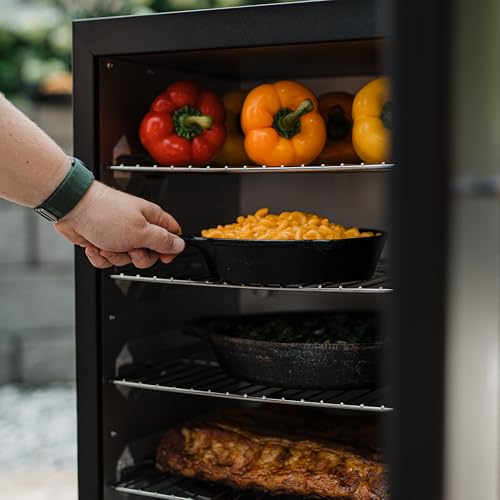
If your main goal is convenience, this model stands out because it reduces the constant monitoring that offsets often require. It’s a smart pick for people who want consistent results while focusing on sides, hosting, or other tasks during the cook.
- ✓ Easy digital setup and straightforward operation
- ✓ Smoke flavor can be added without opening the door
- ✓ Spacious enough for multiple cuts at once
- ✓ Helpful moisture control for long cooks
- ✗ Not the best fit for buyers seeking traditional wood-fire involvement
- ✗ Limited to electric-style smoking experience
Budget Guide: What You Get at Each Price Point
Under $250
At this level, you’re usually choosing between entry-level convenience and DIY value. You can get a capable electric smoker or a smoker conversion kit that gives you a lot of performance for the money, but you may give up premium materials, larger cooking space, or advanced controls.
$250 to $500
This is the sweet spot for many first-time buyers because you can find better temperature stability, more usable cooking space, and more durable construction. In this range, you’re often paying for a better balance of convenience and long-term reliability.
$500 to $1,000
Smokers in this range usually offer thicker materials, stronger heat retention, and more refined temperature management. You’re also more likely to see larger cooking areas, better seals, and features that make long cooks less stressful.
$1,000 and Up
Premium smokers often deliver the best build quality, fuel efficiency, and cooking consistency. They’re best for serious enthusiasts who smoke often, cook for crowds, or want a long-term backyard centerpiece. If you’re not sure you’ll use a smoker regularly, this price tier can be overkill.
Frequently Asked Questions
What is the easiest smoker for a beginner?
Electric smokers are usually the easiest for beginners because they use digital controls and reduce the need for constant fire management. They’re a good choice if you want predictable results and a shorter learning curve.
Is an offset smoker better than a pellet smoker?
Offset smokers are better for cooks who enjoy managing a live fire and want a traditional barbecue experience. Pellet smokers are better for convenience and steady temperature control. The better option depends on whether you value flavor ritual or ease of use more.
How much cooking space do I need?
For small households, a compact smoker may be enough. If you cook brisket, multiple pork butts, or large gatherings, look for a smoker with enough rack space and room for taller cuts. Always match capacity to the meals you actually plan to make.
What matters more: temperature control or smoke flavor?
Temperature control matters more for consistent results because stable heat affects tenderness, moisture, and cook time. Smoke flavor is important too, but poor temperature control can ruin even a well-flavored cook.
Should I buy the cheapest smoker I can find?
Usually no. Very cheap smokers often have weak construction, poor heat retention, and frustrating temperature swings. It’s better to choose the least expensive smoker that still offers good control, enough capacity, and reasonable durability.
Pros
- + Clear breakdown of offset vs pellet vs electric
- + Explains key features that affect real-world performance
- + Highlights common mistakes and red flags
- + Includes budget guidance for every price tier
- + Recommends buyer-friendly products with use-case context
Cons
- – Not based on hands-on testing
- – Limited to the provided product list
- – No premium offset or pellet models in the list
Frequently asked questions
- What is the easiest smoker for a beginner?
- Electric smokers are usually the easiest for beginners because they use digital controls and reduce the need for constant fire management. They’re a good choice if you want predictable results and a shorter learning curve.
- Is an offset smoker better than a pellet smoker?
- Offset smokers are better for cooks who enjoy managing a live fire and want a traditional barbecue experience. Pellet smokers are better for convenience and steady temperature control. The better option depends on whether you value flavor ritual or ease of use more.
- How much cooking space do I need?
- For small households, a compact smoker may be enough. If you cook brisket, multiple pork butts, or large gatherings, look for a smoker with enough rack space and room for taller cuts. Always match capacity to the meals you actually plan to make.
- What matters more: temperature control or smoke flavor?
- Temperature control matters more for consistent results because stable heat affects tenderness, moisture, and cook time. Smoke flavor is important too, but poor temperature control can ruin even a well-flavored cook.
- Should I buy the cheapest smoker I can find?
- Usually no. Very cheap smokers often have weak construction, poor heat retention, and frustrating temperature swings. It’s better to choose the least expensive smoker that still offers good control, enough capacity, and reasonable durability.
Get the Full Outdoor Buyer's Guide
Join our free newsletter — we'll send our latest Outdoor picks, specs and verdicts straight to your inbox.
Free. No spam. Unsubscribe anytime.
Was this review helpful?
Be the first to share your feedback on this review.
Sign in to vote and let us know what you think.
Discussion (0)
No comments yet. Be the first to start the discussion.
Related Reviews
What is a Wood Pellet Flavors Guide? A Complete 2026 Guide
If you’ve ever wondered why one smoked chicken tastes sweet and mild while another comes out bold and heavy, you’re really asking about the wood pellet flavors guide. The challenge is that pellet flavor choices can feel confusing fast, especially when every brand claims its wood is the “best” for sm
8 Best Outdoor Pizza Oven Accessories in 2026 — More Prep Space, Better Organization, and Easier Outdoor Cooking
If you’re shopping for the best outdoor pizza oven accessories, you probably want a setup that’s easier to prep on, simpler to move, and less cluttered when the heat is on. The right cart or prep station can turn a cramped patio corner into a functional pizza-making zone with room for dough, tools,
8 Best Grill Carts and Tables in 2026 — More Prep Space, Better Mobility, and Smarter Outdoor Storage
If your grill setup feels cramped, wobbly, or just plain inconvenient, the right cart or table can make outdoor cooking a lot easier. The best grill carts and tables add prep space, storage, and mobility so you can keep tools, fuel, and food close at hand. In this research-based roundup, we focused