


Who this is for: Best for homeowners who need a simple seasonal plan to protect lawns, gardens, and sprinkler systems before winter.
Check PriceWhat is How to Winterize Garden and Lawn? A Complete 2026 Guide
If you’re trying to figure out how to winterize garden and lawn, the big challenge is knowing what to do before the first freeze hits. Skip the prep, and you can end up with dead grass, damaged sprinkler lines, and a garden that struggles to bounce back in spring. This guide explains the process in plain English, shows how it works, and highlights the most useful resources for seasonal lawn and garden winter prep.
Related Reviews
Winterizing a garden and lawn means preparing plants, soil, irrigation, and turf for cold weather so they survive winter with less stress and damage. The goal is to reduce freeze injury, prevent dehydration, protect water lines, and improve spring recovery. In practice, it’s a set of timing-based tasks like mowing, fertilizing, aerating, watering correctly, cleaning beds, and shutting down irrigation systems.
How It Works
Winterization works by helping living things and outdoor systems enter cold weather in a more stable condition. Grass benefits when it has enough nutrients and root strength stored before dormancy, while garden beds benefit from cleanup, mulch, and moisture management that protect roots from temperature swings. Irrigation systems need special care because any water left inside pipes or sprinkler heads can freeze, expand, and crack components.
For lawns, the process usually starts in fall, when cooler temperatures slow top growth but roots are still active. That’s the best time to feed turf, remove buildup, and make sure the lawn goes into winter healthy rather than stressed. For gardens, winterizing often means cutting back dead growth, removing disease-prone debris, covering soil with mulch, and protecting tender plants from frost.
For sprinkler systems, winterization is often the most technical part. Water must be shut off, lines drained or blown out, and vulnerable parts protected so freezing temperatures don’t damage valves, backflow preventers, or pipes. That’s why many homeowners look for step-by-step guides before attempting the job themselves.
Key Benefits & Use Cases
Winterizing your garden and lawn is less about one single task and more about preventing expensive spring problems. A well-prepared yard usually recovers faster, looks healthier, and needs fewer repairs after the cold season ends.
Key benefits
- Reduces freeze damage: Protects roots, crowns, pipes, and sprinkler parts from cold-related stress.
- Improves spring recovery: Healthy fall preparation helps grass green up faster and garden beds rebound sooner.
- Prevents water-system damage: Proper sprinkler winterization helps avoid cracked pipes and burst components.
- Supports soil health: Mulch, cleanup, and proper feeding can improve the condition of beds and turf.
- Saves money: A little seasonal maintenance can reduce repair costs in spring.
Common use cases
- Homeowners preparing a lawn for freezing weather
- DIY gardeners protecting perennials, shrubs, and raised beds
- People shutting down in-ground sprinkler systems for winter
- New homeowners learning seasonal yard maintenance
- Anyone who wants fewer dead spots and less repair work in spring
What to Look For When Buying
If you’re buying a guide or resource to help with winterization, the best options should be practical, seasonal, and easy to follow. Here are five criteria to use before you buy.
1. Clear winterization steps
Look for a resource that breaks the process into simple stages, especially if you’re managing both lawn care and sprinkler shutdown.
2. Sprinkler system coverage
If you have irrigation, make sure the guide includes winterizing pipes, valves, backflow devices, and blowout basics.
3. Fall lawn care guidance
The best materials explain mowing height, fertilizing timing, watering changes, and cleanup before dormancy.
4. DIY-friendly explanations
Choose something written for homeowners, not just pros, so the steps are easy to understand and apply.
5. Budget and value
For informational products, value matters: a concise, affordable guide can be more useful than a long manual if you mainly need seasonal action steps.
Top Recommended Products
Below are the most relevant resources for readers researching how to winterize garden and lawn, especially if you want help with fall lawn prep and sprinkler shutdown. These are research-based recommendations drawn from published descriptions, pricing, and buyer-facing details.
How to Install and Maintain Sprinkler System: The Ultimate Guide to Sprinkler System Installation, Maintenance, and Winterization: Expert Tips, ... for a Lush, Green Lawn (The Fixers Handbook)

This title is the strongest all-around fit if your main concern is sprinkler winterization. It covers installation, maintenance, and winterization together, which makes it useful for homeowners who want one reference for the full irrigation lifecycle.
- ✓ Includes winterization in the title and scope
- ✓ Useful for DIY homeowners managing sprinkler systems
- ✓ Covers maintenance and fixes beyond seasonal shutdown
- ✗ More focused on sprinkler systems than garden beds
- ✗ Not a full lawn-and-garden seasonal handbook
The Sprinkler System Repair Blueprint: An Expert Field Guide to Identifying Issues, Executing Fixes, and Optimizing Your Entire Watering Installation ... a Lush Lawn (The DO-IT-YOURSELF Blueprint)
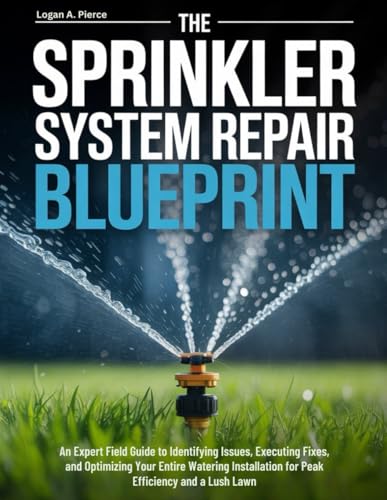

This is best for readers who suspect their irrigation system already has issues and want a repair-first approach before winter. It may be especially helpful if you need to identify leaks, weak zones, or other problems before shutting the system down.
- ✓ Strong for troubleshooting sprinkler problems
- ✓ DIY-friendly field guide format
- ✓ Useful before winterizing a system that may already be underperforming
- ✗ Less directly focused on general lawn or garden winter prep
- ✗ Higher price than the fall lawn guide
Lush Lawns Quick Guide: Fall Lawn Care: Your Pre-Winter Playbook for a Lawn That Dominates Next Spring (Lush Lawns: Comprehensive Guides to The Best Lawn)

This is the best budget-friendly option for people who mainly want a practical fall lawn care roadmap. It’s especially useful if your goal is to improve turf health before winter without spending much on a guide.
- ✓ Lowest price in the group
- ✓ Focused on fall lawn care before winter
- ✓ Good value for seasonal homeowners
- ✗ Less comprehensive than the sprinkler-focused books
- ✗ Not a full garden winterization manual
Common Mistakes to Avoid
Winterizing your yard is mostly about timing and completeness. These are the most common mistakes that can lead to spring problems.
- Waiting too long: If you wait until hard freezes arrive, you may miss the best window for lawn feeding, cleanup, and irrigation shutdown.
- Leaving water in sprinkler lines: This is one of the biggest causes of winter damage in irrigation systems.
- Cutting grass too short: Scalping the lawn can expose crowns and weaken turf going into winter.
- Ignoring garden debris: Diseased leaves and dead plant material can create pests and disease pressure next season.
- Overwatering late in the season: Too much moisture before freezing weather can stress roots and create drainage issues.
Frequently Asked Questions
What does it mean to winterize a garden and lawn?
It means preparing plants, turf, soil, and irrigation systems for cold weather so they’re less likely to be damaged by frost, freezing, and seasonal stress.
When should I start winterizing my yard?
Start in fall, before the first hard freeze. The exact timing depends on your climate, but early-to-mid fall is usually the safest window for most tasks.
Do I need to winterize my sprinkler system?
If you live where temperatures freeze, yes. Water left in sprinkler pipes or components can expand when frozen and cause costly damage.
What are the most important lawn winterization steps?
Common priorities include the final mow at the right height, fall cleanup, proper watering, and seasonal feeding if appropriate for your grass type.
Can I winterize my garden and lawn myself?
Yes, many homeowners can handle the basics themselves with a good guide. If you have a complex sprinkler system or are unsure about local climate needs, a professional may help.
Pros
- + Protects grass and roots from freeze stress
- + Helps prevent sprinkler and pipe damage
- + Improves spring recovery and lawn health
- + Can save money on repairs
Cons
- – Must be done before hard freezes
- – Sprinkler systems can require technical steps
- – Not every yard needs the same winter plan
Frequently asked questions
- What does it mean to winterize a garden and lawn?
- It means preparing plants, turf, soil, and irrigation systems for cold weather so they’re less likely to be damaged by frost, freezing, and seasonal stress.
- When should I start winterizing my yard?
- Start in fall, before the first hard freeze. The exact timing depends on your climate, but early-to-mid fall is usually the safest window for most tasks.
- Do I need to winterize my sprinkler system?
- If you live where temperatures freeze, yes. Water left in sprinkler pipes or components can expand when frozen and cause costly damage.
- What are the most important lawn winterization steps?
- Common priorities include the final mow at the right height, fall cleanup, proper watering, and seasonal feeding if appropriate for your grass type.
- Can I winterize my garden and lawn myself?
- Yes, many homeowners can handle the basics themselves with a good guide. If you have a complex sprinkler system or are unsure about local climate needs, a professional may help.
Get the Full Outdoor Buyer's Guide
Join our free newsletter — we'll send our latest Outdoor picks, specs and verdicts straight to your inbox.
Free. No spam. Unsubscribe anytime.
Was this review helpful?
Be the first to share your feedback on this review.
Sign in to vote and let us know what you think.
Discussion (0)
No comments yet. Be the first to start the discussion.
Related Reviews

4 Best Electric Composters in 2026 — Quiet, Odor-Free Kitchen Waste Solutions
If you’re tired of smelly food scraps, overflowing trash, or messy countertop composting, an electric composter can make kitchen waste feel manageable again. The best electric composters 2026 shoppers want should be compact, quiet, odor-controlled, and easy to clean. Below, you’ll find four research

5 Best Composters in 2026 — Faster Composting for Kitchens and Backyards
If you’re searching for the best composters 2026 has to offer, the hard part is narrowing down the right style for your space, waste volume, and patience level. Some buyers want a simple backyard tumbler that speeds up garden composting, while others want a countertop electric model that handles foo

7 Best Greenhouses in 2026 — Top Picks for Year-Round Growing, Small Spaces, and Cold-Weather Protection
If you’re trying to find the best greenhouses 2026 has to offer, the hard part is separating flimsy season-extenders from truly useful plant shelters. The right greenhouse can help you start seedlings earlier, protect plants from frost, and keep your garden productive longer without wasting money on