

Who this is for: Best for homeowners and beginners who want to learn safe pressure washing and choose the right machine for their cleaning needs.
Check PriceWhat is How to Use a Pressure Washer Safely? A Complete 2026 Guide
If you’re trying to learn how to use a pressure washer safely, the biggest risk is usually not the machine itself — it’s using too much pressure, the wrong nozzle, or standing too close to the surface. The good news is that safe pressure washing is straightforward once you understand the basics: how the machine works, what gear to wear, and which mistakes to avoid. This guide breaks it all down in plain English and also highlights a few pressure washers worth considering if you’re shopping for one.
Related Reviews
A pressure washer is a cleaning tool that uses a high-pressure stream of water to remove dirt, grime, mildew, and stains from hard surfaces. It can save a huge amount of time compared with scrubbing by hand, but it can also damage surfaces or cause injury if used carelessly. The safest approach is to match the machine, nozzle, and cleaning method to the job.
How It Works
Pressure washers work by taking water from a supply line and forcing it through a pump, which increases the water pressure before it exits through a spray wand and nozzle. That concentrated stream creates enough force to lift dirt, mud, algae, and loose paint from concrete, siding, decks, fences, vehicles, and outdoor equipment.
There are two main types: electric and gas. Electric models are usually lighter, quieter, and better for home use, while gas models tend to deliver more power and are better suited for large areas, heavy buildup, and commercial-style cleaning jobs.
The nozzle matters just as much as the machine. A narrow spray angle increases cleaning power but also raises the risk of damage, while a wider spray spreads the force over a larger area and is safer for delicate surfaces.
Key Benefits & Use Cases
- Faster cleaning: Removes dirt and stains much quicker than brushing or hosing down surfaces.
- Better results: Helps lift embedded grime from concrete, brick, patios, and siding.
- Versatility: Useful for driveways, sidewalks, fences, decks, outdoor furniture, and vehicles.
- Water efficiency: Uses a concentrated spray that can clean effectively without endless rinsing.
- Seasonal maintenance: Great for spring cleanup, mold removal, and prepping surfaces for painting or sealing.
When used correctly, a pressure washer can be one of the most efficient cleaning tools for homeowners and property managers. The key is safe operation: start with the least aggressive setting, test on a small area, and avoid blasting soft surfaces.
What to Look For When Buying
1. PSI and GPM
PSI measures pressure, while GPM measures water flow. Higher PSI helps loosen stuck-on grime, and higher GPM helps rinse it away faster. For most homeowners, a moderate balance is safer and easier to control than maximum power.
2. Electric vs. Gas
Electric units are generally simpler, quieter, and easier to maintain. Gas units offer more power and mobility, but they also require more caution, fuel handling, and ventilation awareness.
3. Hose Length and Flexibility
A longer hose gives you more reach and reduces the need to move the machine constantly. A flexible hose is also easier to manage and can reduce fatigue during longer cleaning sessions.
4. Nozzle Options
Multiple nozzle tips make it easier to adjust pressure for different tasks. A wide fan spray is safer for beginners, while narrower tips should be reserved for tougher surfaces and used carefully.
5. Stability and Mobility
Look for a sturdy frame, good wheels, and a design that won’t tip easily. Stability matters because pressure washers can jerk when the trigger is pulled, especially on more powerful models.
Top Recommended Products
If you’re researching pressure washers while learning how to use a pressure washer safely, these two models stand out for different reasons: one for heavy-duty work and one for easier residential use.
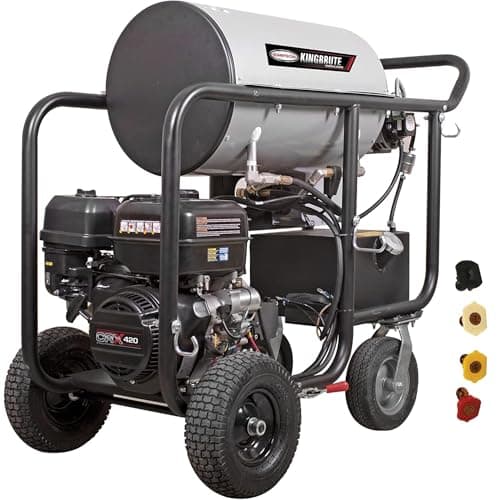
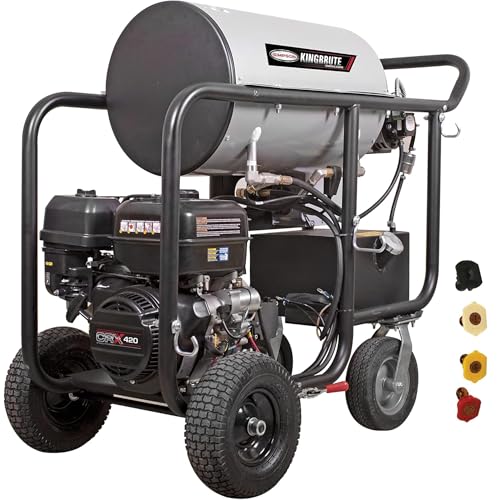
Simpson Cleaning 4000 PSI Gas Pressure Washer, 4.0 GPM Power Washer for Hot Water Use, CRX 420 Engine, 50-Foot Steel-Braided Insulated Hose, King Brute, 49-State (KB65132) ✓ Prime


$4499.00
This is the heavy-duty option in the lineup, built for industrial cleaning, grease removal, and hot-water use. Its 4000 PSI and 4.0 GPM output make it far more aggressive than a typical homeowner washer, so it’s best for users who need serious cleaning power and are comfortable following strict safety practices.
- ✓ High output for tough grease, oil, and industrial grime
- ✓ Hot-water capable for more demanding cleaning tasks
- ✓ Steel frame and pneumatic tires improve durability and mobility
- ✓ Includes multiple nozzle tips and an insulated wand grip
- ✓ Long 50-foot hose adds reach for large areas
- ✗ Very expensive compared with home-use models
- ✗ Heavy and less convenient for casual residential cleaning
- ✗ More power means a greater need for careful handling
- ✗ Overkill for light-duty tasks like patio furniture or small decks
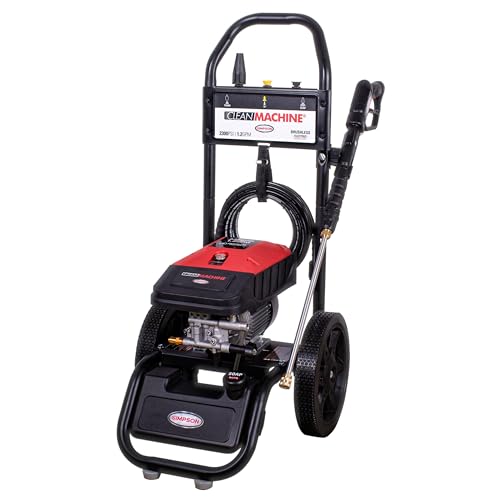
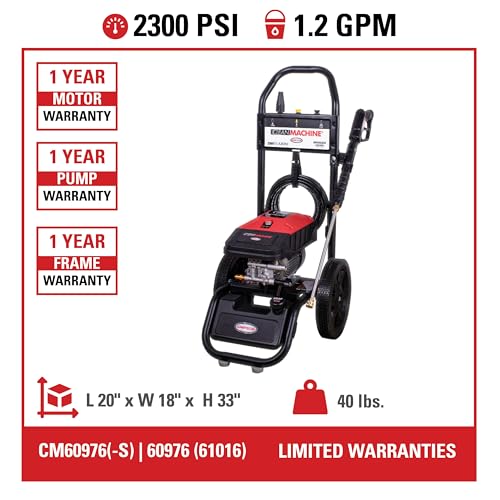
Simpson Cleaning 2300 PSI Electric Pressure Washer, 1.2 GPM Power Washer for Residential Use, 25-Foot Flexible Hose, Clean Machine, 49-State (61016) ✓ Prime

$289.99
This electric model is a much more approachable choice for residential cleaning. With 2300 PSI and a maintenance-free pump, it fits common tasks like washing sidewalks, fences, walls, and other household surfaces while staying easier to control than a high-powered gas unit.
- ✓ Easier to operate for first-time pressure washer users
- ✓ Electric motor keeps operation simpler and lower-maintenance
- ✓ Flexible hose improves handling and maneuverability
- ✓ Comes with useful nozzle options for different cleaning jobs
- ✓ Better fit for typical home maintenance tasks
- ✗ Less powerful than gas models for heavy buildup
- ✗ Shorter hose than the heavy-duty option
- ✗ Not ideal for commercial or industrial cleaning
- ✗ Lower flow rate means slower rinsing on large surfaces
Common Mistakes to Avoid
Knowing how to use a pressure washer safely also means knowing what not to do. Most accidents and surface damage come from simple mistakes that are easy to prevent.
- Using the wrong nozzle: A narrow spray can etch wood, strip paint, or damage siding.
- Standing too close: Keep a safe distance and move in gradually if needed.
- Pointing the wand at people or pets: The spray can cause serious injury.
- Skipping eye protection: Debris can bounce back at high speed.
- Cleaning delicate surfaces with too much pressure: Softwood, vinyl, and old paint need extra caution.
- Using a gas washer in an unsafe area: Ventilation matters, especially with fuel-powered equipment.
- Forgetting to test first: Always try a small hidden spot before cleaning the whole area.
A good rule is to start low, stay back, and increase cleaning strength only when necessary. If you’re unsure, choose the gentler setting and let the detergent, dwell time, and repeated passes do more of the work.
Frequently Asked Questions
Is it safe to use a pressure washer on a house?
Yes, but only with the right technique and a low-pressure approach. Soft surfaces like siding, windows, and trim can be damaged if you use too much pressure or the wrong nozzle.
What should I wear when using a pressure washer?
Wear closed-toe shoes, eye protection, and clothing that covers your skin. Gloves can also help improve grip and protect your hands from spray and debris.
Can a pressure washer damage concrete?
Yes, if you use an overly narrow nozzle or hold the wand too close. Concrete is durable, but it can still be scarred or stripped if the pressure is too aggressive.
Should I choose electric or gas for home use?
Electric is usually the safer and simpler choice for most homeowners. Gas is better for bigger jobs, but it requires more caution and maintenance.
What is the safest way to start pressure washing?
Begin with the widest nozzle, test on a small area, and keep the wand at a safe distance. Move slowly and increase intensity only if the surface can handle it.
Pros
- + Fast, effective cleaning for hard surfaces
- + Electric models are easier for beginners
- + Gas models handle heavy-duty jobs
- + Multiple nozzle options improve safety
- + Useful for driveways, siding, fences, and more
Cons
- – Wrong nozzle can damage surfaces
- – High pressure can cause injury
- – Gas models are heavier and louder
- – Some units are overkill for light tasks
Frequently asked questions
- Is it safe to use a pressure washer on a house?
- Yes, but only with the right technique and a low-pressure approach. Soft surfaces like siding, windows, and trim can be damaged if you use too much pressure or the wrong nozzle.
- What should I wear when using a pressure washer?
- Wear closed-toe shoes, eye protection, and clothing that covers your skin. Gloves can also help improve grip and protect your hands from spray and debris.
- Can a pressure washer damage concrete?
- Yes, if you use an overly narrow nozzle or hold the wand too close. Concrete is durable, but it can still be scarred or stripped if the pressure is too aggressive.
- Should I choose electric or gas for home use?
- Electric is usually the safer and simpler choice for most homeowners. Gas is better for bigger jobs, but it requires more caution and maintenance.
- What is the safest way to start pressure washing?
- Begin with the widest nozzle, test on a small area, and keep the wand at a safe distance. Move slowly and increase intensity only if the surface can handle it.
Get the Full Outdoor Buyer's Guide
Join our free newsletter — we'll send our latest Outdoor picks, specs and verdicts straight to your inbox.
Free. No spam. Unsubscribe anytime.
Was this review helpful?
Be the first to share your feedback on this review.
Sign in to vote and let us know what you think.
Discussion (0)
No comments yet. Be the first to start the discussion.
Related Reviews
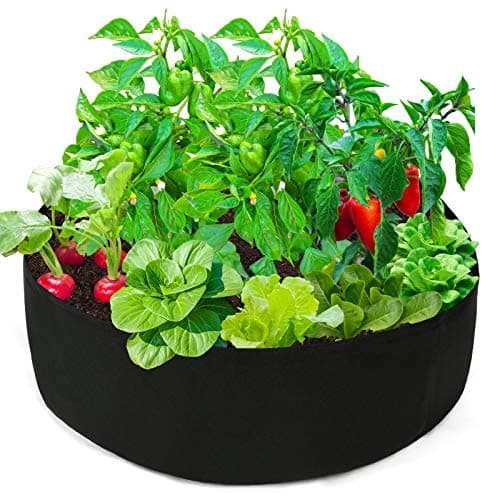
What is How to Start a Raised Bed Garden? A Complete 2026 Guide
If you want to learn how to start a raised bed garden but feel overwhelmed by soil, spacing, drainage, and what to buy first, you’re in the right place. A raised bed garden is one of the easiest ways to grow vegetables, herbs, and flowers in a small space with better control over soil quality and wa
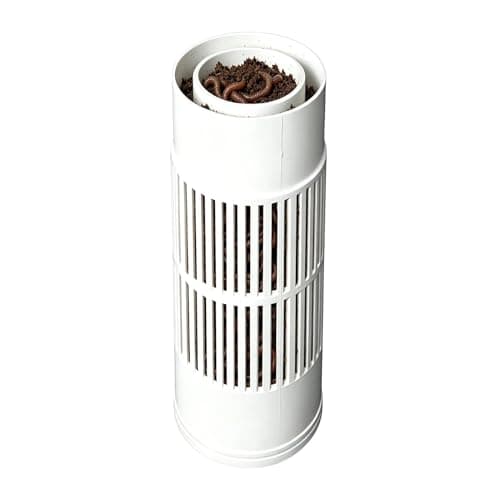
Best Cheap Composters for Every Budget in 2026: Ranked by Price & Performance
If you want the best cheap composters , the challenge is finding something that actually works without paying for features you do not need. The good news is that the lowest-priced options can still handle kitchen scraps and garden waste if your space is small and your expectations are realistic. Thi
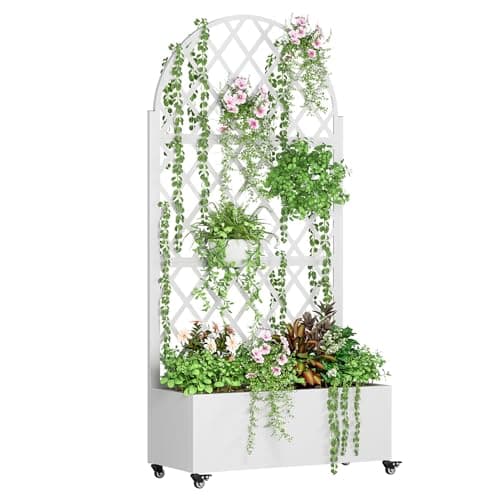
Best Budget Raised Garden Beds for Every Budget in 2026: Ranked by Price & Performance
If you want the best budget raised garden beds , the tricky part isn’t finding something cheap—it’s finding a bed that won’t collapse, dry out too fast, or waste your growing season. This price-tiered guide separates the true bargain picks from the better long-term buys so you can match your budget