

What is a Drip Irrigation Setup Guide? A Complete 2026 Guide
A drip irrigation setup guide shows you how to water plants slowly and directly at the root zone instead of spraying the entire garden. If you’re tired of wasted water, uneven watering, or plants drying out between hand-watering sessions, drip irrigation is one of the most efficient fixes. This guide explains how the system works, what it’s best for, what to buy, and the mistakes that cause most first-time setups to fail.
Related Reviews
How It Works
Drip irrigation delivers water through a network of tubing, fittings, filters, pressure regulators, and emitters. Instead of releasing water all at once, it sends a controlled flow to each plant over time, which helps moisture soak into the soil more evenly and reduces runoff.
The basic setup starts at a water source, such as a hose bib, spigot, or irrigation line. Water usually passes through a filter to catch debris, then a pressure regulator to keep the flow at a safe level for drip components, and finally into tubing that carries water to plants through emitters or drip lines.
For a general audience, the easiest way to think about drip irrigation is “targeted watering.” Rather than wetting sidewalks, leaves, and empty soil, the system puts water where roots can actually use it, which improves efficiency and helps plants stay healthier with less manual effort.
Key Benefits & Use Cases
Drip irrigation is popular because it saves water, reduces labor, and supports more consistent plant growth. It is especially useful in places where water use matters, where plants are spaced out, or where hand-watering takes too much time.
Key Benefits
- Water efficiency: Delivers water directly to the root zone, which reduces evaporation and overspray.
- More even watering: Helps keep soil moisture steadier than occasional heavy watering.
- Less weed growth: Waters only the intended plants instead of the entire surrounding area.
- Lower labor: Cuts down on daily hose watering and repeated manual work.
- Better plant health: Can reduce stress from under- or overwatering when installed correctly.
Common Use Cases
- Vegetable gardens: Great for rows, raised beds, and mixed plantings.
- Flower beds and borders: Helps maintain consistent moisture without wetting foliage as much.
- Container gardens: Useful for pots on patios, decks, and balconies.
- Orchards and shrubs: Works well for spaced-out plants with separate watering needs.
- Greenhouses and small farms: Helpful where repeatable, controlled watering is important.
What to Look For When Buying
If you’re planning a drip irrigation setup guide for your own yard or garden, the “buying” part usually means choosing the right components. The best setup depends on your water source, garden layout, plant spacing, and how much control you want over flow and timing.
1. Water Source Compatibility
Make sure the system can connect to your spigot, hose, rain barrel, or irrigation line. Some setups are designed for simple hose-thread connections, while others need adapters or a more permanent installation.
2. Pressure Regulation
Drip systems work best at low pressure, so a pressure regulator is often essential. Without it, emitters may spray, leak, or wear out faster than intended.
3. Filtration
A filter helps prevent clogs from dirt, sand, and mineral particles. This matters even more if you’re using well water or a source that may carry debris.
4. Tubing and Emitter Flexibility
Look for tubing sizes and emitter options that match your garden layout. If your plants are in rows, beds, or containers, you may need different spacing or adjustable emitters to get consistent coverage.
5. Expandability and Maintenance
Choose components that are easy to add onto later. A good setup should let you extend lines, replace clogged parts, and adjust watering zones without rebuilding the entire system.
Common Mistakes to Avoid
Most drip irrigation problems come from setup errors rather than the concept itself. Avoiding a few common mistakes can save you time, water, and frustration.
- Skipping the pressure regulator: Too much pressure can damage components and make watering inconsistent.
- Leaving out the filter: Debris can clog emitters and reduce flow over time.
- Using the wrong emitter spacing: Plants may get too much water in one spot and too little in another.
- Not planning for plant growth: Small plants may need different coverage later as roots spread.
- Overwatering by default: Drip systems are efficient, but they still need correct timing and flow rates.
- Ignoring leaks and loose fittings: Small connection issues can waste water and reduce pressure across the line.
Frequently Asked Questions
What is the main purpose of a drip irrigation system?
The main purpose is to deliver water slowly and directly to plant roots, improving efficiency and reducing waste.
Is drip irrigation better than sprinklers?
For many gardens, yes. Drip irrigation is usually more efficient because it targets the soil near the roots instead of spraying a large area.
Do I need a pressure regulator for drip irrigation?
In most setups, yes. A pressure regulator helps protect components and keeps water flow at the correct level for drip emitters.
How often should drip irrigation run?
It depends on your soil, climate, plants, and emitter flow rate. Many gardeners start with shorter, more frequent watering and adjust based on soil moisture.
Can I install drip irrigation myself?
Yes, many basic systems are DIY-friendly. With a clear layout, the right fittings, and proper pressure control, most homeowners can set up a simple system themselves.
Get the Full Outdoor Buyer's Guide
Join our free newsletter — we'll send our latest Outdoor picks, specs and verdicts straight to your inbox.
Free. No spam. Unsubscribe anytime.
Was this review helpful?
Be the first to share your feedback on this review.
Sign in to vote and let us know what you think.
Discussion (0)
No comments yet. Be the first to start the discussion.
Related Reviews
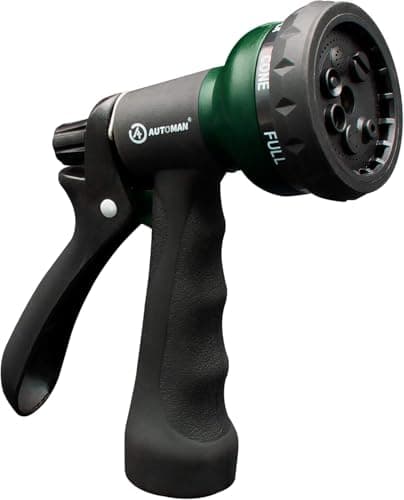
8 Best Garden Hose Nozzles in 2026 — Tough, Leak-Resistant Picks for Easier Watering
If you’re tired of leaky hose sprayers, hand fatigue, and weak spray patterns, you’re in the right place. The best garden hose nozzles should make watering plants, washing cars, and rinsing patios easier without costing much or falling apart fast. This research-based roundup compares popular Amazon
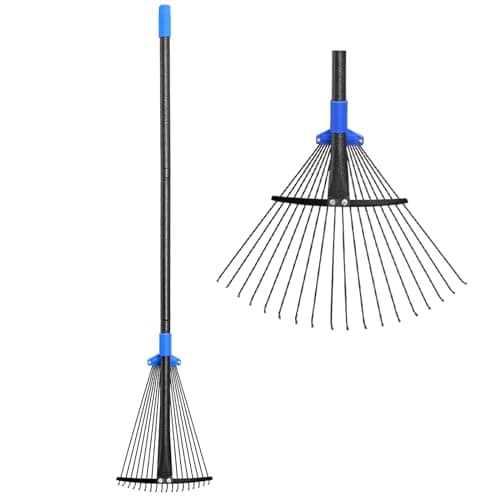
5 Best Leaf Rakes in 2026 — Top Picks for Faster, Easier Yard Cleanup
If you’re tired of flimsy rakes that bend, dig into the lawn, or leave you sore after a short cleanup session, this guide is for you. The best leaf rakes 2026 shoppers want usually balance reach, tine strength, comfort, and easy storage. Below, we’ve narrowed the field to five research-backed picks
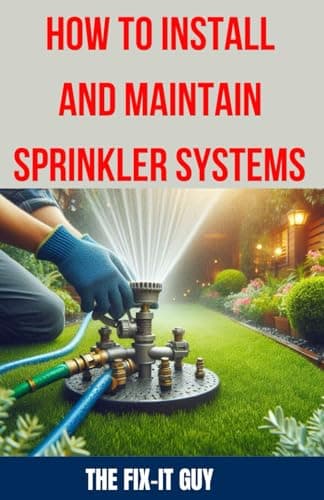
What is How to Winterize Garden and Lawn? A Complete 2026 Guide
If you’re trying to figure out how to winterize garden and lawn , the big challenge is knowing what to do before the first freeze hits. Skip the prep, and you can end up with dead grass, damaged sprinkler lines, and a garden that struggles to bounce back in spring. This guide explains the process in