

Who this is for: Best for campers and backpackers who want to understand fuel-stove tradeoffs and choose the right setup for their trips.
Check PriceWhat is Canister vs Liquid Fuel Stove? A Complete 2026 Guide
If you’re trying to decide between a canister stove and a liquid fuel stove, the biggest challenge is usually not price — it’s choosing the right fuel system for your trips, weather, and cooking style. The wrong choice can mean poor performance in cold conditions, extra maintenance, or carrying more weight than you need. This guide breaks down the canister vs liquid fuel stove debate in plain English so you can buy with confidence.
Related Reviews
In simple terms, canister stoves burn pressurized gas from a sealed metal canister, while liquid fuel stoves burn liquid fuel from a refillable bottle that the stove pressurizes during use. Canister models are usually simpler, cleaner, and easier for casual camping, while liquid fuel stoves are often favored for cold-weather reliability, long expeditions, and fuel flexibility. If you’re shopping for a stove today, the best choice depends on where you camp, how much maintenance you want, and whether convenience or all-season performance matters more.
How It Works
A canister stove uses a prefilled fuel canister, typically containing butane, isobutane, propane, or a mix. When you attach the stove to the canister and open the valve, pressurized gas flows to the burner, where it ignites and creates a flame.
A liquid fuel stove works differently. You pour liquid fuel into a refillable bottle, pressurize the bottle manually, and the stove forces fuel through a generator tube where it turns into vapor before burning. That extra step is why liquid fuel stoves can be more complex, but also why they often perform better in colder conditions and on longer trips.
The main technology difference is fuel state and pressure management. Canister stoves rely on the canister’s internal pressure, which is simple and fast, while liquid fuel stoves let you control the pressure yourself, which can improve cold-weather output and fuel versatility.
Key Benefits & Use Cases
Why choose a canister stove
Canister stoves are popular because they are easy to use, quick to set up, and generally low-mess. They’re a strong fit for weekend camping, backpacking in mild weather, and anyone who wants fast boiling without priming or pumping.
Why choose a liquid fuel stove
Liquid fuel stoves are often better for cold weather, high altitude, international travel, and longer expeditions where fuel resupply matters. Many experienced campers also like them because white gas and some multi-fuel setups can be more available or economical over time.
Best use cases by trip type
- Canister stove: car camping, weekend backpacking, day hikes, light cooking, and beginner use.
- Liquid fuel stove: winter camping, alpine trips, extended backcountry travel, and harsh weather.
- Emergency use: compact fuel-tablet or canned-heat stoves can be useful as backup options when simplicity matters most.
What to Look For When Buying
1. Fuel type compatibility
Check whether the stove uses threaded canisters, liquid fuel bottles, fuel tablets, or canned heat. This is the most important decision because it determines cost, convenience, and availability.
2. Cold-weather performance
If you camp in cold temperatures, liquid fuel stoves usually hold the advantage. Canister stoves can struggle when the canister pressure drops, especially in freezing conditions.
3. Weight and packability
Backpackers should pay close attention to total carried weight, including fuel. Canister stoves are often lighter and simpler, while liquid fuel systems can add bulk but may be more efficient on longer trips.
4. Ease of use and maintenance
Canister stoves are usually easier for beginners because they require less setup. Liquid fuel stoves often need priming, pumping, and occasional cleaning, so they make more sense if you’re comfortable with a little upkeep.
5. Flame control and cooking style
If you want to simmer, sauté, or cook more than just boil water, look for good flame adjustment. Some stoves offer better low-end control than others, which matters if you care about real meal cooking instead of just heating water.
Top Recommended Products
Below are research-based product options that fit different parts of the canister vs liquid fuel stove conversation, from simple canister burners to emergency tablet stoves. These are not hands-on test results; they’re based on published specs, buyer feedback patterns, and feature comparisons.
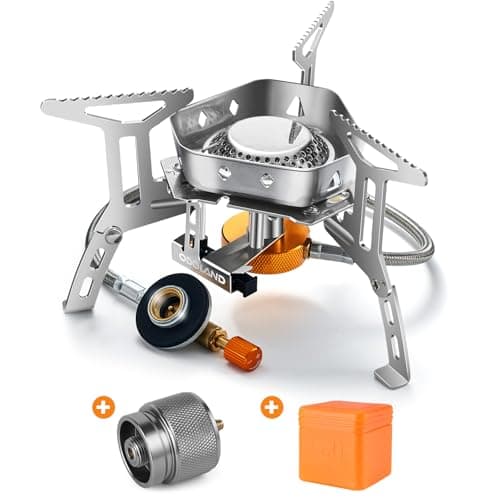
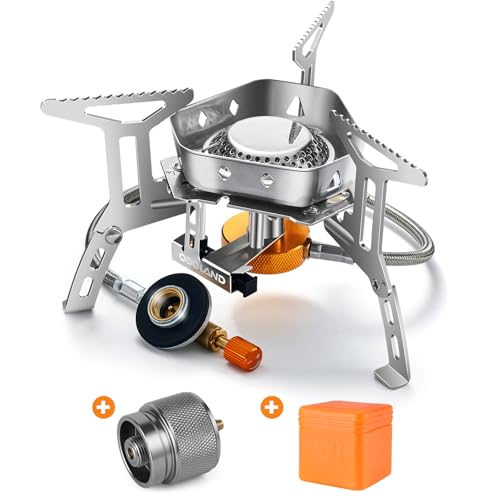 Odoland 3500W Windproof Camp Stove Camping Gas Stove with Fuel Canister Adapter, Piezo Ignition, Carry Case, Portable Collapsible Stove Burner for Outdoor Backpacking Hiking and Picnic 4.6★ (research-based listing) ✓ Prime
This is a strong pick if you want a canister stove with a little more versatility. Its windproof design, piezo ignition, and included canister adapter make it appealing for backpackers who want quick setup without moving to a liquid fuel system.
- ✓ Windproof design helps improve burning efficiency in breezy conditions
- ✓ 3500W output is aimed at fast boiling and general camp cooking
- ✓ Piezo ignition and flame control make it easier to use than many basic burners
- ✓ Foldable design and carry case improve portability
- ✓ Includes connectors for different gas tanks, adding flexibility
- ✗ Still depends on canister fuel performance in cold weather
- ✗ Better for light to moderate cooking than complex multi-pan meals
- ✗ Bulkier than ultralight minimalist stove setups
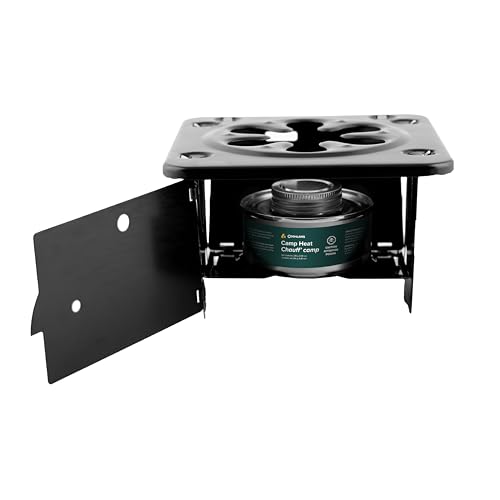 Coghlan's Portable Folding Camp Stove – Compact, Lightweight Steel Cooking Stove for Camping, Backpacking, Hiking, or Emergency Use – Uses Canned Heat or Fuel Tablets, Black 4.4★ (research-based listing) ✓ Prime
This folding stove is a useful alternative if you want something simple, compact, and not dependent on a gas canister. It’s not a liquid fuel stove, but it is relevant for buyers comparing fuel systems because it uses canned heat or fuel tablets instead.
- ✓ Folds flat for easy transport and storage
- ✓ Works with canned heat, fuel cubes, and other condensed fuel sources
- ✓ Coated steel construction adds durability
- ✓ Lightweight at 16 oz, which is helpful for travel and emergency kits
- ✓ Stable surface suits small to medium cookware
- ✗ Not as fast or powerful as a true pressurized gas stove
- ✗ Fuel tablets and canned heat are less efficient for regular cooking
- ✗ Better for basic heating than serious meal prep
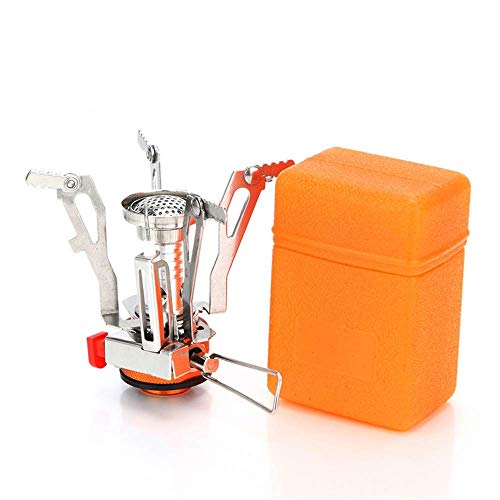 AOTU Portable Camping Stoves Backpacking Stove with Piezo Ignition Stable Support Wind-Resistance Camp Stove for Outdoor Camping Hiking Cooking 4.5★ (research-based listing) ✓ Prime
The AOTU stove is another canister-style option that fits budget-conscious buyers who still want wind resistance and adjustable heat. It’s a practical choice for solo campers or small groups who want a lightweight burner for everyday outdoor cooking.
- ✓ Integrated aluminum alloy burner base keeps weight low
- ✓ Adjustable flame control supports both boiling and simmering
- ✓ Wind-resistant design improves outdoor usability
- ✓ Compact size makes it easy to pack
- ✓ Compatible with EN 417 threaded canisters
- ✗ Does not fit propane canisters
- ✗ Best for small groups and smaller cookware
- ✗ Less suited to cold-weather use than liquid fuel systems
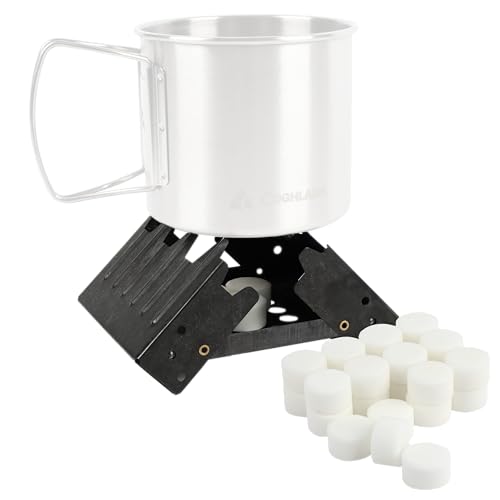 Coghlan's Emergency Stove - Lightweight, Portable Camping Stove for Backpacking, Survival, and Outdoor Cooking - Foldable Design with 24 Fuel Tablets Included (Compact for Travel and Storage) 4.2★ (research-based listing) ✓ Prime
This emergency stove is best understood as a backup option rather than a primary cooking system. It’s useful for survival kits, bug-out bags, and situations where you want a small stove that does not require liquids, priming, or a fuel canister.
- ✓ Requires no liquids, priming, or wick
- ✓ Includes 24 fuel tablets for immediate use
- ✓ Very compact and travel-friendly
- ✓ Affordable entry point for emergency preparedness
- ✓ Good fit for basic outdoor cooking and backup planning
- ✗ Not ideal for frequent cooking or larger meals
- ✗ Fuel tablets are less efficient than canister or liquid fuels
- ✗ Better as an emergency tool than a primary camp stove
Common Mistakes to Avoid
Choosing based on price alone
The cheapest stove is not always the best value. A low-cost canister stove may be fine for summer trips, but if you need cold-weather reliability, a liquid fuel stove may save frustration later.
Ignoring fuel availability
Before buying, think about where you’ll actually get fuel. Canister fuel is convenient in many places, but liquid fuel may be easier to source for extended travel or specific regions.
Overlooking weather conditions
Many buyers assume all stoves perform the same year-round. In reality, canister stoves can lose effectiveness in low temperatures, while liquid fuel stoves are often better suited to winter conditions.
Buying more stove than you need
Expedition-grade gear can be overkill for weekend campers. If you mainly boil water and cook simple meals, a lightweight canister stove may be the smarter buy.
Forgetting maintenance requirements
Liquid fuel stoves often need more upkeep, including pumping, priming, and occasional cleaning. If you want a low-maintenance option, that extra work may not be worth it.
Frequently Asked Questions
What is the difference between a canister stove and a liquid fuel stove?
A canister stove burns pressurized fuel from a sealed canister, while a liquid fuel stove uses refillable liquid fuel that the stove pressurizes and vaporizes before burning.
Which is better for cold weather, canister or liquid fuel stove?
Liquid fuel stoves are usually better in cold weather because they maintain performance more reliably when temperatures drop.
Are canister stoves easier to use than liquid fuel stoves?
Yes. Canister stoves are generally simpler because they require less setup, no pumping, and usually no priming.
Can I use a canister stove for backpacking?
Yes. Canister stoves are one of the most popular choices for backpacking because they are lightweight, compact, and easy to operate.
What should I buy if I only cook simple meals outdoors?
If you mainly boil water or cook simple meals, a canister stove is often the best balance of convenience, weight, and ease of use.
Pros
- + Canister stoves are simple and beginner-friendly
- + Liquid fuel stoves handle cold weather better
- + Canister models are lighter and easier to pack
- + Liquid fuel systems suit longer trips and harsh conditions
- + Emergency tablet stoves offer compact backup cooking
Cons
- – Canister performance can drop in cold weather
- – Liquid fuel stoves need more maintenance
- – Fuel tablets are less efficient than gas
- – Some models are limited to small cookware
- – Budget stoves may trade off durability
Frequently asked questions
- What is the difference between a canister stove and a liquid fuel stove?
- A canister stove burns pressurized fuel from a sealed canister, while a liquid fuel stove uses refillable liquid fuel that the stove pressurizes and vaporizes before burning.
- Which is better for cold weather, canister or liquid fuel stove?
- Liquid fuel stoves are usually better in cold weather because they maintain performance more reliably when temperatures drop.
- Are canister stoves easier to use than liquid fuel stoves?
- Yes. Canister stoves are generally simpler because they require less setup, no pumping, and usually no priming.
- Can I use a canister stove for backpacking?
- Yes. Canister stoves are one of the most popular choices for backpacking because they are lightweight, compact, and easy to operate.
- What should I buy if I only cook simple meals outdoors?
- If you mainly boil water or cook simple meals, a canister stove is often the best balance of convenience, weight, and ease of use.
Get the Full Outdoor Buyer's Guide
Join our free newsletter — we'll send our latest Outdoor picks, specs and verdicts straight to your inbox.
Free. No spam. Unsubscribe anytime.
Was this review helpful?
Be the first to share your feedback on this review.
Sign in to vote and let us know what you think.
Discussion (0)
No comments yet. Be the first to start the discussion.
Related Reviews
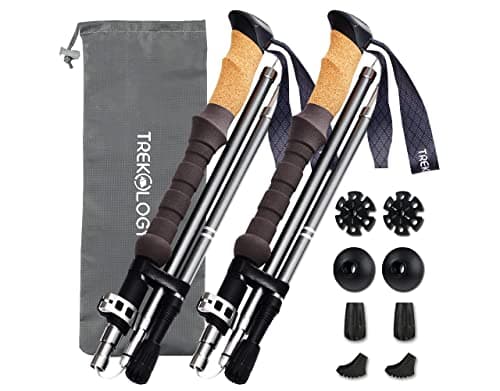
How to Choose the Best Trekking Poles in 2026: Complete Buying Guide
If you’re figuring out how to choose trekking poles , the biggest challenge is separating marketing hype from the features that actually improve balance, reduce fatigue, and hold up on real trails. The wrong pair can feel too heavy, slip under load, or be annoying to pack and adjust when conditions

4 Best Bear Canisters and Food Storage in 2026 — Safer, Lighter Backcountry Food Protection
If you’re trying to choose the best bear canisters and food storage, the hard part is usually balancing safety, weight, and packability without overspending. This guide narrows the field to four researched picks that cover certified hard-sided storage and odor-proof alternatives for different trip s
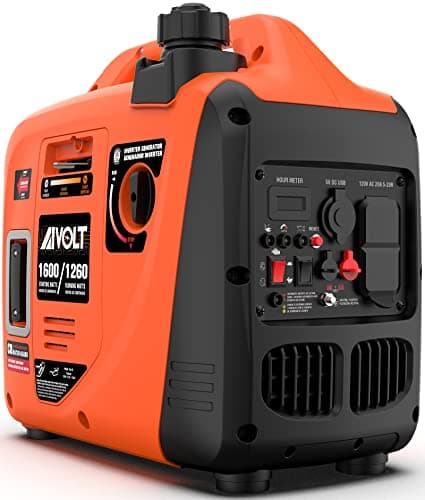
7 Best Camping Generators Quiet in 2026 — Ultra-Low Noise Picks for Campgrounds and RV Trips
If you’re searching for the best camping generators quiet , you probably want power without the roar that ruins a peaceful campsite. The challenge is finding a generator that stays quiet, runs sensitive electronics safely, and still has enough output for lights, phones, a cooler, or a small RV setup