

Who this is for: Best for shoppers comparing wood furniture materials and wanting a clear, practical buying decision.
Check PriceWhat is Solid Wood vs Veneer Furniture? A Complete 2026 Guide
Trying to decide between solid wood vs veneer furniture can be confusing when both can look beautiful at first glance. The real difference comes down to how each piece is built, how it ages, and how much maintenance it may need over time. This guide breaks down the materials in plain English so you can choose the right furniture for your budget, style, and long-term expectations.
Related Reviews
How It Works
Solid wood furniture is made mostly or entirely from lumber cut from a tree, such as oak, maple, walnut, pine, or teak. Because the material is thick throughout, it can be sanded, refinished, repaired, and often lasts for many years if cared for properly.
Veneer furniture uses a thin layer of real wood on the surface, which is bonded to a core material such as plywood, MDF, or particleboard. That top layer gives you the look of wood grain, while the core provides the shape, stability, and lower cost.
In simple terms, solid wood is wood all the way through, while veneer is a wood “skin” over another base. That construction difference affects weight, price, repairability, and how the furniture responds to humidity, scratches, and daily use.
Key Benefits & Use Cases
Why people choose solid wood
Solid wood is usually the better choice when you want a long-lasting heirloom piece, a table that can be refinished, or furniture that develops character over time. It is also favored for high-use items like dining tables, bed frames, and dressers where durability matters more than initial savings.
Why people choose veneer
Veneer furniture is often the smarter pick when you want a polished wood look at a lower price, need something lighter, or want a more stable surface that resists warping better in some environments. It can be a strong option for modern interiors, rental homes, apartments, and rooms where style matters but budget is limited.
Best use cases by material
- Solid wood: dining tables, desks, bed frames, heirloom storage pieces, high-traffic furniture
- Veneer: media consoles, office furniture, accent cabinets, budget-friendly bedroom sets, lightweight pieces
- Mixed materials: furniture buyers who want a wood look with better price efficiency and less weight
What to Look For When Buying
1) Core construction
If you’re comparing veneer furniture, look beyond the surface and check the core. Plywood cores are usually more durable than low-density particleboard, while solid wood gives you the most material depth and repair potential.
2) Finish quality
On solid wood, a good finish helps protect against moisture and staining. On veneer, the edge sealing matters just as much because exposed edges can chip or lift if the piece is poorly made.
3) Grain consistency and joins
Solid wood often shows natural grain variation, knots, and color shifts. Veneer should have a smooth, even appearance; if the pattern looks overly repetitive or the seams are obvious, quality may be lower.
4) Intended room conditions
Humidity and temperature swings can affect wood furniture. Solid wood may expand and contract more, while well-made veneer over a stable core can sometimes perform better in climate-controlled indoor spaces.
5) Repair and lifespan expectations
Ask yourself whether you want a piece that can be sanded and restored later or one that is affordable and stylish now. Solid wood usually wins for long-term repairability, while veneer often wins for value and design flexibility.
Top Recommended Products
These products are not furniture examples, but they can help you compare how different materials and constructions affect durability, portability, and everyday use. They’re included here because their build details illustrate the same solid-vs-surface-material tradeoffs shoppers often evaluate in home purchases.
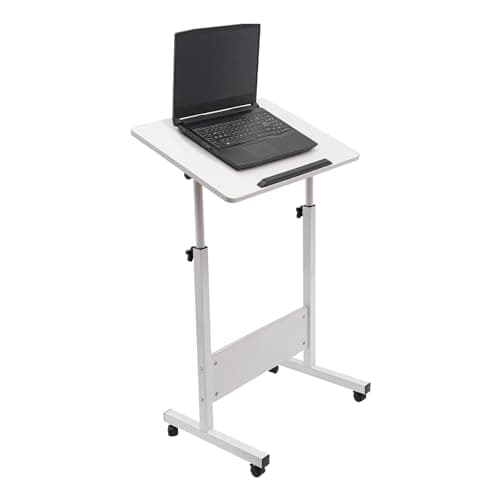
Adjustable Height Mobile Standing Desk,Rolling Computer Stand,Computer Workstation,Portable Laptop Desk,Rolling Laptop Cart w/Wheels,Rolling Laptop Table,Elevating Table,Sit Stands (White, 16×24”) ✓ Prime $18.93
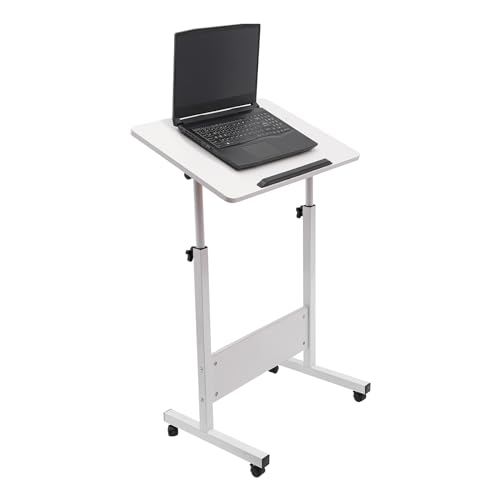


This rolling desk uses MDF with a press-laminate finish, which is a useful example of how surface materials can deliver a wood-like look without being solid wood. It’s best for shoppers who want a practical, budget-friendly workstation rather than a premium heirloom build.
- ✓ MDF, plastic, and carbon steel construction for everyday use
- ✓ Press-laminate finish helps resist scrapes
- ✓ Adjustable height from 32" to 47"
- ✓ Tilting top up to 180° for flexible positioning
- ✓ Four swivel wheels with brakes for mobility and locking
- ✗ Not a solid wood build
- ✗ Small desktop size may limit larger setups
- ✗ Best for light-duty use only
Eapmic Inflatable Couch, Folding Floor Couch, Convertible Sleeper Chair, Blow Up Couchs, Portable Lounge Sofa Bed with Air Pump for Living Room Bedroom Guest Room Small Spaces Use (Black) ✓ Prime $40.99
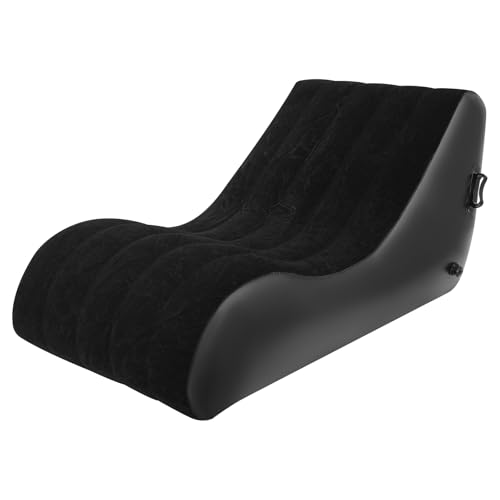


This inflatable couch is a good reminder that construction matters as much as appearance. It offers portability and fast setup, but it does not provide the permanence or structural depth you’d expect from solid wood furniture.
- ✓ Includes a 130W air pump for quick setup
- ✓ Compact storage after deflation
- ✓ Waterproof PVC and flocking fabric construction
- ✓ Supports up to 440 lbs
- ✓ Useful for guests, dorms, and small spaces
- ✗ Not a traditional furniture frame
- ✗ Requires inflation and occasional maintenance
- ✗ Less durable than permanent wood furniture for long-term use
Delta Children Cozee 2-in-1 Sofa, 2-Seater Convertible Toddler Couch Sleeper, Wide 2-in-1 Flip Open Foam Chair for Playroom, Pet-Friendly, Bed Lounger, Comfy Play Sleeping Lounge Chair, Blue Camo ✓ Prime $44.00



This kids’ sofa shows another common construction approach: soft foam and washable fabric instead of wood framing. It’s a practical choice for playrooms, but it’s not meant to compete with the durability or refinishing potential of solid wood.
- ✓ Convertible 2-in-1 design for lounging or sleeping
- ✓ Foam construction keeps shape and stays lightweight
- ✓ Machine-washable slipcover with stain-resistant finish
- ✓ Child-safe zipper and safety compliance
- ✓ Good fit for bedrooms and play spaces
- ✗ Not a wood furniture piece
- ✗ Designed for children, not general adult seating
- ✗ Foam furniture won’t age like solid wood
Clyrava Convertible Lazy Sofa with Adjustable Straps, Corduroy Single Sofa for Living Room/Office/Game Room, Versatile, Comfy Support (Green, Corduroy) ✓ Prime $39.00
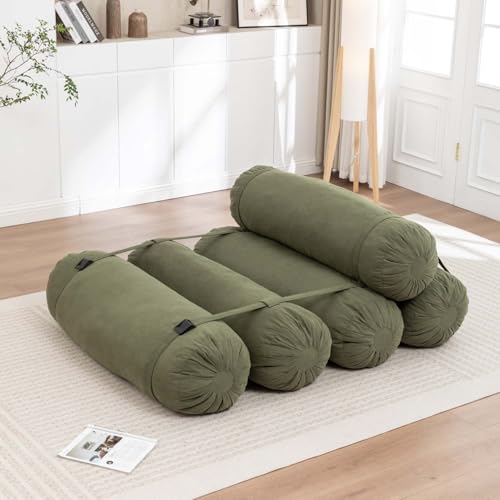


This modular floor sofa highlights how flexible materials can create comfort without rigid wood framing. It’s ideal if you want adaptable seating in a small room, but not if you’re specifically shopping for the permanence of solid wood.
- ✓ Adjustable straps help keep the shape stable
- ✓ Five cylindrical pillows allow multiple configurations
- ✓ Corduroy cover adds softness and texture
- ✓ Works in apartments, offices, dorms, and game rooms
- ✓ Good for lounging, reading, or napping
- ✗ Not a wooden frame construction
- ✗ Shape depends on assembly and adjustment
- ✗ Best for casual seating, not long-term structural use
Common Mistakes to Avoid
- Assuming veneer is fake wood: Veneer usually uses real wood on the surface, just in a thinner layer.
- Judging only by appearance: Two pieces can look similar online but have very different cores and durability.
- Ignoring edge quality: Veneer edges are often the first place to chip, peel, or show wear.
- Buying solid wood without checking maintenance needs: Solid wood can be more sensitive to humidity and may need periodic care.
- Overpaying for the wrong use case: For a temporary setup or rental, veneer may be the better value; for a forever piece, solid wood often makes more sense.
Frequently Asked Questions
Is solid wood better than veneer furniture?
Not always. Solid wood is usually better for longevity, refinishing, and heirloom use, while veneer can be better for affordability, lighter weight, and a polished look.
Does veneer furniture last long?
It can last a long time if the core is well made and the piece is cared for properly. High-quality veneer furniture often outperforms cheap solid wood pieces made from soft, unstable lumber.
Can veneer furniture be repaired?
Yes, but repairs are more limited than with solid wood. Small chips and edge damage can sometimes be fixed, but deep sanding or refinishing is usually not possible.
Is solid wood furniture worth the extra money?
It often is if you want a durable piece you can keep for years and restore later. If you’re furnishing a short-term space or need a lower price, veneer may be the smarter buy.
How can I tell if furniture is solid wood or veneer?
Check product specs first, then inspect the edges, underside, and back panels. Solid wood usually looks consistent throughout, while veneer often reveals a different core material underneath the surface layer.
Pros
- + Solid wood is durable and refinishable
- + Veneer can be more affordable and lighter
- + Veneer furniture can offer a polished wood look
- + Mixed-material pieces may suit small spaces
- + Helpful for choosing based on budget and lifespan
Cons
- – Veneer can chip or peel at the edges
- – Solid wood may cost more upfront
- – Solid wood can react more to humidity
- – Not all veneer cores are equally durable
- – This guide includes non-furniture examples for comparison
Frequently asked questions
- Is solid wood better than veneer furniture?
- Not always. Solid wood is usually better for longevity, refinishing, and heirloom use, while veneer can be better for affordability, lighter weight, and a polished look.
- Does veneer furniture last long?
- It can last a long time if the core is well made and the piece is cared for properly. High-quality veneer furniture often outperforms cheap solid wood pieces made from soft, unstable lumber.
- Can veneer furniture be repaired?
- Yes, but repairs are more limited than with solid wood. Small chips and edge damage can sometimes be fixed, but deep sanding or refinishing is usually not possible.
- Is solid wood furniture worth the extra money?
- It often is if you want a durable piece you can keep for years and restore later. If you’re furnishing a short-term space or need a lower price, veneer may be the smarter buy.
- How can I tell if furniture is solid wood or veneer?
- Check product specs first, then inspect the edges, underside, and back panels. Solid wood usually looks consistent throughout, while veneer often reveals a different core material underneath the surface layer.
Get the Full Home Buyer's Guide
Join our free newsletter — we'll send our latest Home picks, specs and verdicts straight to your inbox.
Free. No spam. Unsubscribe anytime.
Was this review helpful?
Be the first to share your feedback on this review.
Sign in to vote and let us know what you think.
Discussion (0)
No comments yet. Be the first to start the discussion.
Related Reviews
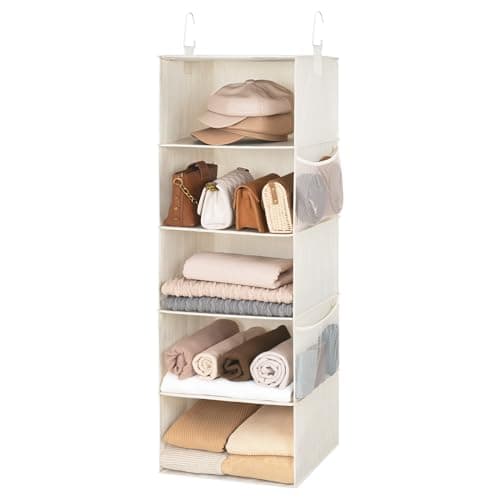
What is How to Organize a Small Closet? A Complete 2026 Guide
If your small closet feels packed, chaotic, and impossible to keep tidy, you are not alone. Learning how to organize a small closet is really about using vertical space, choosing the right storage tools, and making everyday items easier to see and reach. In this guide, you’ll get a simple explanatio
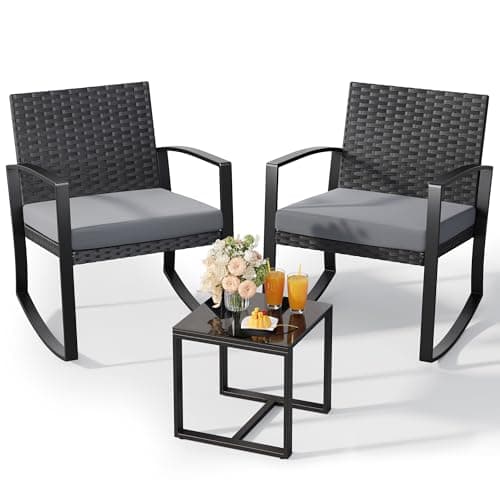
How to Choose the Best Outdoor Furniture Material in 2026: Complete Buying Guide
Choosing outdoor furniture material is one of the biggest decisions you’ll make for your patio, balcony, deck, or backyard. The right material determines whether your furniture stays attractive through sun, rain, humidity, and everyday use—or starts fading, rusting, cracking, or wobbling after one s
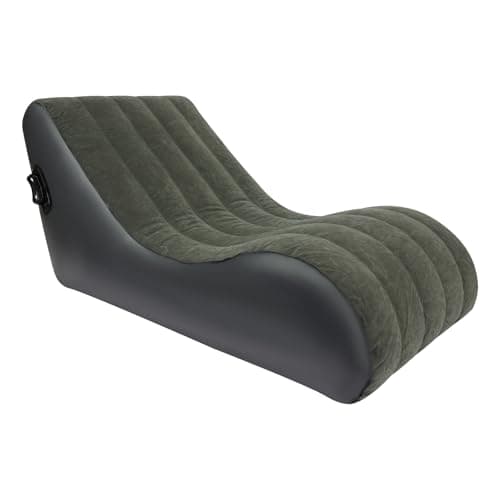
Best Convertible Sleeper Sofas for Every Budget in 2026: Ranked by Price & Performance
If you’re shopping for the best convertible sleeper sofas under $800 , the real challenge is separating true space-saving value from flimsy “sleep-anywhere” gimmicks. In this price tier, the best choice depends less on luxury and more on how often you’ll use it, how much room you have, and whether y