


Who this is for: Best for new parents who want a simple, safe-feeling lamp to support morning mood and energy during postpartum routines.
Check PriceIf you’re trying to figure out how to choose a light therapy lamp for postpartum mood, the challenge is usually not finding a lamp — it’s finding one that feels safe, simple, and effective enough to fit into a sleep-deprived routine. The wrong choice can leave you with a bright box that’s awkward to use, too harsh for early mornings, or missing the controls you actually need when you’re juggling a newborn. This guide breaks down the features that matter most, the red flags to avoid, and the best research-backed options to consider before you buy.
Related Reviews
Important note: This is a research-based buying guide built from published specs, documented owner feedback patterns, and product comparisons — not hands-on testing. Also, light therapy can be helpful for some people, but postpartum mood changes can be serious; if symptoms are intense, persistent, or include thoughts of self-harm, contact a healthcare professional right away.
Key Features to Look For
1) 10,000 lux output
For most buyers, this is the baseline feature to look for. A lamp that reaches 10,000 lux is designed to deliver bright light therapy at a practical distance, which is the standard many shoppers want when using light therapy for mood support. If a product doesn’t clearly state its lux output, it’s harder to know whether it can deliver the brightness you’re expecting.
2) UV-free, flicker-free light
Postpartum routines are already demanding, so comfort matters. UV-free light is important because it avoids unnecessary ultraviolet exposure, and flicker-free lighting is easier on the eyes during repeated daily use. This is especially useful if you plan to use the lamp early in the morning while you’re still sensitive to bright light.
3) Adjustable brightness and color temperature
Not every morning feels the same, and postpartum schedules can change fast. A lamp with multiple brightness levels lets you ease into therapy instead of blasting your eyes with maximum intensity right away. Multiple color temperatures are also useful because warmer settings can feel gentler, while cooler daylight tones are better suited to a more energizing morning routine.
4) Timer and memory function
A timer is one of the most practical features for postpartum use because it reduces guesswork. Instead of watching the clock while caring for a baby, you can start a session and let the lamp shut off automatically. Memory function is equally helpful because it saves your last-used settings, so you don’t have to reconfigure everything when you’re half-awake.
5) Easy controls
When you’re holding a baby, pumping, feeding, or trying not to wake anyone, controls should be simple. Touch controls, clearly labeled buttons, or a remote can make a big difference in day-to-day usability. The less fiddling required, the more likely you are to use the lamp consistently.
6) Adjustable angle or stable placement
Light therapy works best when the lamp can be positioned correctly. An adjustable stand or angled head helps you direct light without having to move your whole setup. A stable base matters too, especially in a home with limited space where the lamp may sit on a nightstand, desk, or kitchen counter.
7) Portable or compact design
Many new parents move between rooms constantly, so portability is a real advantage. A compact lamp is easier to place near a bed, desk, or feeding station. Some models are also rechargeable or USB-powered, which can make them more flexible if your routine changes from day to day.
What to Avoid
Too much complexity
If a lamp has too many modes, confusing buttons, or a complicated setup, it may end up unused. For postpartum mood support, convenience matters almost as much as specs. A product should feel easy enough to use even when you’re tired and distracted.
Unclear brightness claims
Be cautious if the listing is vague about lux output, distance requirements, or how the brightness is measured. A lamp can sound impressive in marketing terms but still be less useful in real-world use if the specs aren’t clear. Look for direct, measurable information instead of broad wellness promises.
Harsh glare or poor eye comfort
Some lights may be bright enough but uncomfortable to sit near. If a product doesn’t mention glare-free or flicker-free design, that can be a warning sign. Comfort matters because you’re more likely to use a lamp consistently if it feels easy on your eyes.
Bulky designs that don’t fit your routine
A large lamp may look impressive, but if it won’t fit on your nightstand or desk, it’s not a good match for postpartum life. The best choice is often the one you can actually place and use every day.
No timer or memory function
These features are not just nice extras; they can make the lamp much easier to use consistently. Without them, you may spend extra time adjusting the same settings over and over, which can become annoying fast.
Overpromising results
Be skeptical of listings that make huge claims without supporting details. Light therapy may help some people feel more alert or supported, but it is not a replacement for medical care. A good lamp should focus on practical features, not miracle language.
Our Top Picks
Best for a simple, budget-friendly setup: MediAcous Light Therapy Lamp
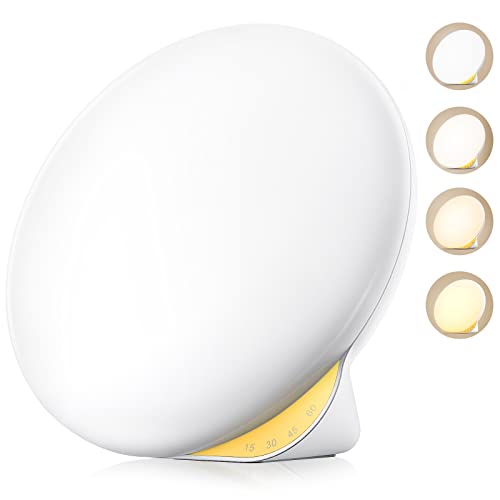


This model is a strong fit if you want the core features without unnecessary complexity. It offers 10,000 lux, multiple brightness levels, multiple color temperatures, a timer, and memory function — all of which are useful for postpartum routines that need to be quick and repeatable.
- ✓ 10,000 lux output for standard bright-light therapy use
- ✓ 4 brightness levels and 4 color temperatures for flexible comfort
- ✓ Timer and memory function make daily use easier
- ✓ UV-free, flicker-free, glare-free design
- ✓ Compact size suits bedside or desk use
- ✗ No remote control
- ✗ Fewer premium convenience features than higher-end models
- ✗ Best for straightforward use rather than a highly customizable setup
Best for the most flexible morning routine: Light Therapy Lamp, 10000 Lux UV-Free Sunlight Lamp


If you want the most control over how the lamp feels, this is the standout option. The combination of brightness levels, three color temperatures, timer settings, memory function, and remote control makes it especially convenient for mornings when you don’t want to keep reaching for the lamp.
- ✓ 10,000 lux UV-free full-spectrum light
- ✓ 4 brightness levels and 3 color temperatures
- ✓ Remote control adds convenience during feeding or resting
- ✓ Smart timer and memory function support routine use
- ✓ Compact design fits small spaces
- ✗ More features may be more than some buyers need
- ✗ Premium positioning may not suit every budget
- ✗ Best value only if you’ll use the customization options regularly
Best for a calmer, home-decor-friendly look: Caromolly Light Therapy Lamp


This is a good choice if you want light therapy to blend into your room rather than look like clinical equipment. The fabric shade and wood base give it a softer appearance, while the 10,000 lux output and adjustable settings still keep it practical for daily use.
- ✓ 10,000 lux output with a stable, non-flickering feel
- ✓ 3 color temperatures for flexible daily use
- ✓ 5 brightness levels for more gradual adjustment
- ✓ Decorative design fits bedrooms and living spaces well
- ✓ Plug-in setup keeps it simple
- ✗ No battery option for portable use
- ✗ Less travel-friendly than compact USB-powered models
- ✗ Best for stationary use in one room
Best for portability and on-the-go flexibility: SUXIO Light Therapy Lamps


This lamp is a solid option if you need something rechargeable and easy to move around the house. The USB-powered design, built-in stand, and memory function make it appealing for people who may want to use the lamp in different rooms without much hassle.
- ✓ Rechargeable design with portable use in mind
- ✓ 10,000 lux output with 3 light modes
- ✓ 3 timer settings plus memory function
- ✓ Slim, lightweight build with stand included
- ✓ Flicker-free and glare-free light
- ✗ Adapter not included
- ✗ Fewer comfort customization options than premium picks
- ✗ Best if portability matters more than decor or advanced controls
Budget Guide: What You Get at Each Tier
Budget
Budget light therapy lamps usually focus on the essentials: 10,000 lux output, UV-free LEDs, a timer, and basic brightness or mode controls. These are the best fit if you want a straightforward lamp for daily use without paying for extra convenience features. In this group, you’ll usually see compact designs and simple touch controls, which are often enough for a postpartum routine that needs to be quick and reliable.
Mid-range
Mid-range models tend to add better comfort and convenience. That often means more brightness levels, more color temperatures, a more polished design, and better usability features like smoother dimming or a more attractive finish. If you want something that feels less clinical and more integrated into your home, this tier often offers the best balance.
Premium
Premium options usually stand out through customization and ease of use. Expect features like remote control, more advanced timer settings, multiple light temperatures, and more refined build quality. These are worth considering if you know you’ll use the lamp every day and want the least-friction experience possible.
Frequently Asked Questions
What is the best light therapy lamp for postpartum mood?
The best choice is usually a UV-free lamp with 10,000 lux, a timer, memory function, and easy controls. For most buyers, the best pick is the one that fits your routine and feels simple enough to use every morning.
How long should I use a light therapy lamp each day?
Many lamps are designed around timed sessions of roughly 10 to 90 minutes, depending on the model and your routine. If you’re unsure, start conservatively and follow the product instructions or your clinician’s guidance.
Should I choose a lamp with color temperature settings?
Yes, if you want more flexibility. Warmer settings can feel gentler, while cooler daylight settings can feel more energizing. That said, a basic 10,000 lux lamp can still be a good choice if you mainly want simplicity.
Is a remote control useful for postpartum use?
It can be very useful. If you’re feeding, resting, or holding a baby, a remote lets you adjust the lamp without getting up or reaching awkwardly for buttons.
Can a light therapy lamp replace medical treatment for postpartum depression?
No. A light therapy lamp may support mood and energy for some people, but it is not a substitute for professional care. If symptoms are severe, worsening, or include hopelessness or self-harm thoughts, seek medical help immediately.
Pros
- + 10,000 lux output
- + UV-free and flicker-free options
- + Timer and memory functions
- + Adjustable brightness and color temperature
- + Portable or compact designs
Cons
- – Some models lack remote control
- – Budget picks may have fewer comfort features
- – Not all lamps are portable
- – More settings can add complexity
Frequently asked questions
- What is the best light therapy lamp for postpartum mood?
- The best choice is usually a UV-free lamp with 10,000 lux, a timer, memory function, and easy controls. For most buyers, the best pick is the one that fits your routine and feels simple enough to use every morning.
- How long should I use a light therapy lamp each day?
- Many lamps are designed around timed sessions of roughly 10 to 90 minutes, depending on the model and your routine. If you’re unsure, start conservatively and follow the product instructions or your clinician’s guidance.
- Should I choose a lamp with color temperature settings?
- Yes, if you want more flexibility. Warmer settings can feel gentler, while cooler daylight settings can feel more energizing. That said, a basic 10,000 lux lamp can still be a good choice if you mainly want simplicity.
- Is a remote control useful for postpartum use?
- It can be very useful. If you’re feeding, resting, or holding a baby, a remote lets you adjust the lamp without getting up or reaching awkwardly for buttons.
- Can a light therapy lamp replace medical treatment for postpartum depression?
- No. A light therapy lamp may support mood and energy for some people, but it is not a substitute for professional care. If symptoms are severe, worsening, or include hopelessness or self-harm thoughts, seek medical help immediately.
Get the Full Health & Fitness Buyer's Guide
Join our free newsletter — we'll send our latest Health & Fitness picks, specs and verdicts straight to your inbox.
Free. No spam. Unsubscribe anytime.
Was this review helpful?
Be the first to share your feedback on this review.
Sign in to vote and let us know what you think.
Discussion (0)
No comments yet. Be the first to start the discussion.
Related Reviews

Garmin Lily 2 Review (2026): Specs, Pros & Cons, and Who It's For
The Garmin Lily 2 is clearly designed for people who want a smartwatch that looks more like jewelry than a rugged training tool. Its 35mm case keeps the profile compact, and the patterned lens gives it a more refined appearance than many sportier wearables.

Withings Body Scan Review (2026): Specs, Pros & Cons, and Who It’s For
The Withings Body Scan stands out immediately because it looks and feels like a premium health device rather than a basic bathroom scale. Published product materials and owner feedback consistently point to a clean, modern design with a high-visibility color screen that makes it easier to read resul
Withings Body Scan vs Garmin Venu 3 (2026): Which Should You Actually Buy?
The Withings Body Scan is designed as a premium smart scale, so its appeal comes from what it can measure rather than how it looks on your wrist or desk. The high-visibility color screen and clean black finish fit a modern bathroom setup, and the overall design is built around fast, repeatable weigh